15 Motel Rules Every Georgian Followed in the ’60s

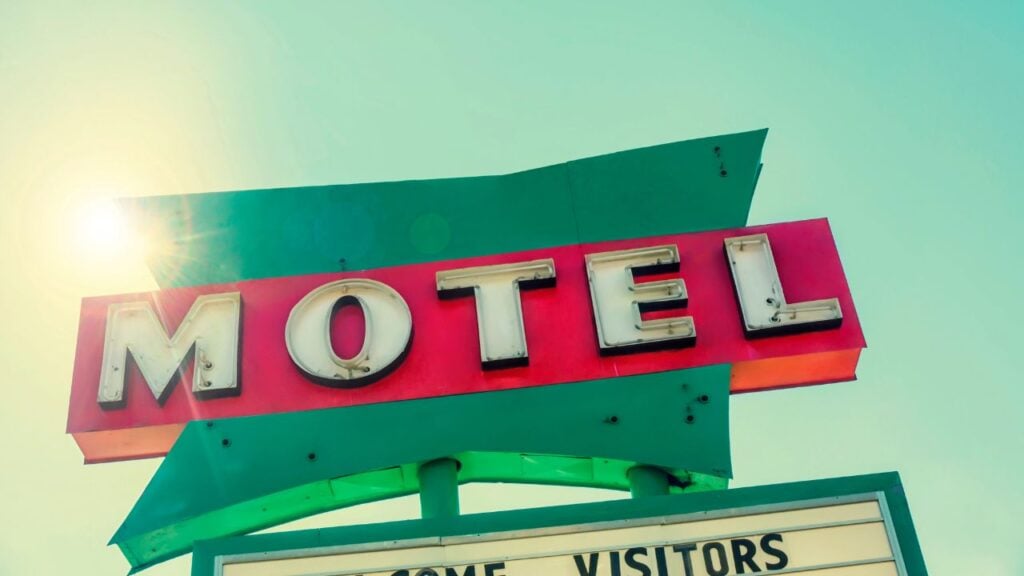
Back in the 1960s, motels were the heart of the road trip experience.
Whether you were driving through Georgia or somewhere out West, you knew exactly what to expect when you pulled in.
These were the unspoken rules every traveler followed, and most people didn’t question them.
Always Park Right in Front of Your Room
In the 1960s, one of the biggest perks of staying at a motel was being able to park right outside your door. Guests didn’t want to lug suitcases through a lobby or down a hallway.
Motels were designed for that exact convenience. You could step out of your car, grab your bags, and be inside your room in seconds.
Travelers felt better knowing their vehicle was close by. It gave a sense of safety, especially when the car was packed with luggage, maps, and snacks.
Even if it wasn’t written down, everyone just knew, you parked right in front of your room and left the space next to you for the folks next door.
Check-In Meant Talking to the Owner at the Desk
There were no apps or kiosks. In the ’60s, checking into a motel meant walking into a small office and greeting the person behind the counter.
In many cases, that person was also the owner. They’d welcome you with a smile, hand you a physical key, and jot your name down in a ledger or notebook.
People often asked for local recommendations or chatted about the road ahead. It wasn’t just a transaction; it was part of the travel experience.
The whole process took just a few minutes, but it made guests feel seen, even if they were only staying one night.
Kids Couldn’t Swim Without an Adult Watching
Motel pools were a huge deal, especially for kids stuck in the car for hours at a time. But everyone understood one thing: no swimming alone.
Signs near the pool reminded guests that children had to be supervised. There were no lifeguards, so the responsibility fell on the parents.
It didn’t matter how shallow the water was or how confident the kids felt. If they were in the pool, an adult was nearby with a towel and a watchful eye.
It was one of those unwritten rules that parents respected without being told twice.
No Noise After 10 PM
Motel walls were thin, and most people didn’t travel with sound machines or headphones. That’s why quiet time was taken seriously.
After 10 PM, guests turned down their radios and TVs, dimmed the lights, and kept conversations low.
Even kids knew it was time to wind down, especially if they’d been running around the pool or playing outside earlier in the evening.
Nobody wanted to be the person who got a knock from the front desk or a tap on the wall from a tired neighbor.
Towels and Ashtrays Stayed in the Room
Rooms in the ’60s came with just the basics: clean towels, a wrapped bar of soap, and often an ashtray or two.
Guests used them while staying the night, but they knew those items weren’t meant to go home with them.
Taking a towel or ashtray was seen as stealing, even if it didn’t seem like a big deal at the time.
Most people didn’t need a sign to remind them. It was just common courtesy to leave the room as they found it.
Ice Buckets Were for the Ice Machine Only
Almost every motel room had a plastic or metal ice bucket sitting on top of the dresser. Right next to it, you’d usually find a few plastic cups wrapped in crinkly paper.
Guests would grab their bucket, head down the walkway, and find the communal ice machine, usually humming in a little cinderblock alcove.
You were expected to fill your bucket, use the ice that day, and leave the scoop right where you found it. Nobody hoarded or stuffed ice into coolers without asking.
It was a quiet system, but it worked. Everyone just knew how to share the ice and keep things moving.
Don’t Use More Than One Key Unless You Ask
In the ’60s, keys weren’t plastic cards. They were real metal keys attached to giant keychains shaped like room numbers or motel logos.
Most motels gave out just one per room. If you needed a second one, you had to ask and usually explain why.
Guests would hand the key off as needed, trusting that someone in the group would always have it.
People didn’t expect fancy access systems. One key, one lock, and a little trust got the job done.
You Made the Bed Before You Checked Out
Even though housekeeping came after checkout, many guests in the ’60s made the bed before they left. It was seen as a polite gesture.
The idea was to tidy up, not to deep clean. People would pull up the covers, smooth the sheets, and put pillows back in place.
It wasn’t required, but it showed respect for the motel staff and made it easier for them to turn the room over.
Guests also stacked used towels neatly on the bathroom counter, even though no one ever told them to.
Room Phones Were for Emergencies or Quick Calls
There were no cell phones, so motel phones served a purpose, but people didn’t treat them like chat lines.
If you made a call, it was usually to a family member, the front desk, or a nearby restaurant to place an order.
Long calls were rare because the cost of dialing out, especially long distance, could add up fast.
Most guests used the room phone sparingly and quietly, always aware of who was in the next room.
Leave a Tip If You Can
Tipping motel staff wasn’t required, but it was appreciated. Many guests would leave a few coins or a dollar on the nightstand before heading out.
Even if the stay was short, people liked to show appreciation for a clean room or extra towels.
Some guests even folded the tip with a note that simply said “Thank you.”
It wasn’t flashy, but it was part of treating motel workers with kindness.
No Outside Guests Without Permission
If you had friends or family in the area, you didn’t just invite them over to hang out in your motel room. Most motels had rules about visitors.
Guests were expected to check with the front desk before bringing someone in who wasn’t staying overnight.
This helped the owners keep things quiet and made sure there weren’t too many people using the pool or parking lot.
Most travelers followed the rule without complaint. It was about keeping the motel safe and respectful for everyone.
Leave the Plastic Cups Behind
Rooms often had two or three small plastic cups wrapped in paper, stacked neatly near the sink or ice bucket.
They weren’t souvenirs. Guests used them during their stay and left them behind when they checked out.
Nobody expected to take them home, even if they had a cute motel logo stamped on the side.
It was just one of those things you used while you were there and then forgot about the moment you left.
Always Close the Curtains When You Leave
Guests were expected to pull the curtains shut if they were leaving the room for the day. It kept the sun out and protected belongings from view.
It also helped keep the room cooler, which mattered a lot in the days before strong air conditioning.
Plus, it gave a clear signal to motel staff that the room was unoccupied for a while.
People did it without thinking. It was just part of checking out for a few hours or running out to dinner.
Don’t Leave Trash Outside the Room
There were trash cans outside, but guests knew better than to leave bags of garbage near their doors.
Motels didn’t have cleaning staff constantly walking by, so trash left outside could sit too long or attract bugs.
People were expected to carry their trash to the bins, especially if they’d eaten in the room or brought snacks for the road.
It wasn’t a strict rule, but everyone knew it kept the place looking clean for the next guests.
Front Desk Had Set Hours, So Plan Ahead
Unlike today’s 24-hour front desks, many motels in the ’60s had limited hours. If you didn’t check in by a certain time, you might not get your room.
Guests were expected to plan ahead and arrive before the office closed, especially if it was a family-run place.
If you had a delay, you’d call ahead from a pay phone and hope someone could hold the room.
Travelers learned to build in extra time, not just for the drive, but for check-in too.
Think You Belong in a Different Decade?
From big bands to big hair, our playful Decade DNA Quiz reveals which classic American era fits your personality best. It’s fast, fun, and full of vintage flair.
Meet Your Match. Discover Your Decade DNA. (Your Vintage Roots Are Showing)

20 Classic American Motels That Look Like They’re Straight Out of the ‘60s

Whether you’re into neon lights, kidney-shaped pools, or tiki flair, these classic American motels will transport you straight back to the swinging ‘60s, no time machine required.
Best of all? They’re still operating today.
20 Classic American Motels That Look Like They’re Straight Out of the ‘60s
18 Normal Things From the 1960s That Are Banned Today

The 1960s was a different world—one without warning labels or safety rails. Some things that seemed perfectly fine then would raise eyebrows or even get you arrested now.
18 Normal Things From the 1960s That Are Banned Today