
15 Old-School Habits Preppers Still Practice That Make Sense for Arkansans Today

Think prepping is all about bunkers and canned beans? Not exactly.
Some preppers have practical habits rooted in generations past. You know, back when people didn’t rely on Amazon Prime to solve every problem.
These practices aren’t just for emergencies. They can save Arkansans money, reduce stress, and make you more self-sufficient in our modern world.
Keeping Cash on Hand
In a world obsessed with Apple Pay and Venmo, preppers still keep envelopes of cash tucked away.
Their reasoning is simple: if systems go down, cash is king.
It doesn’t have to be stacks of bills hidden in coffee cans. Even $100 stashed in small bills can be useful during power outages, road trips, or unexpected hiccups.
It’s an old-school habit that might feel unnecessary… until the card reader at the gas station breaks and you’re the only one able to fill up.
Growing a Backyard Garden
Victory gardens were common during the World Wars, and preppers have kept the tradition alive.
Tomatoes, peppers, lettuce, and herbs sprouting just outside your door can reduce grocery runs and save money.
It’s not about replacing your weekly trip to Kroger or Walmart. It’s about supplementing with fresh produce you control.
Garden-to-table zucchini bread always tastes better than anything from a plastic package.
And let’s be honest, there’s something satisfying about walking outside to grab your own salad ingredients.
Learning Basic Sewing Skills
Preppers know that tossing clothes at the first sign of wear is wasteful. Instead, they mend socks, patch jeans, and fix buttons.
A simple sewing kit can extend the life of clothes by years.
It’s a habit rooted in common sense. Why spend $40 on a new shirt when you can fix the one you love in five minutes?
Even if you’re not prepping for an emergency, knowing how to stitch a rip is one of those underrated life skills that never stops being useful.
Cooking from Scratch
Microwave dinners and takeout are convenient, but preppers stick to the old-school method of cooking from scratch.
Soups simmered in cast iron, bread baked in the oven, and meals built around pantry staples are their norm.
It’s not just healthier; it’s cheaper.
A bag of flour, sugar, and yeast can stretch further than a frozen pizza from Costco. Plus, scratch cooking keeps you from relying on prepackaged meals when supply chains get wobbly.
For everyday life, it’s about reclaiming the kitchen and realizing that simple ingredients can turn into meals that taste better and cost less.
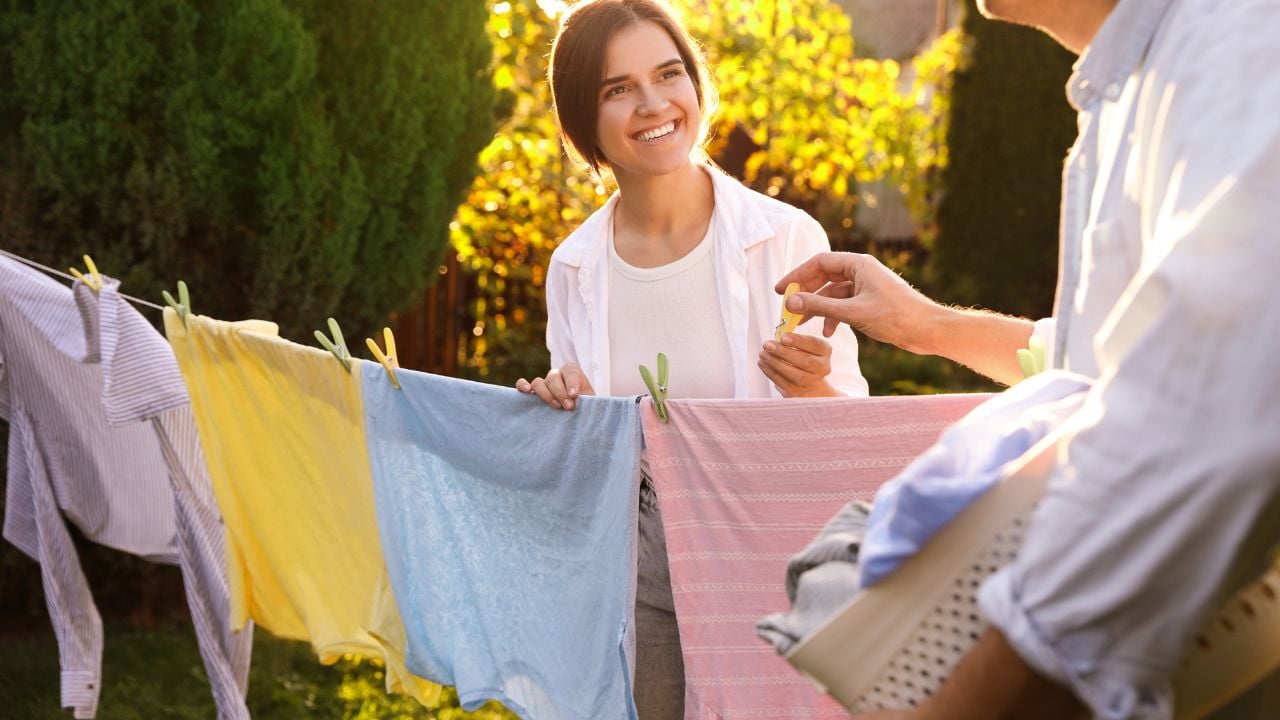
Line-Drying Laundry
Preppers often skip the dryer, opting for clotheslines or drying racks. It’s energy-free, easy, and works just as well as tumbling clothes in a Whirlpool.
The habit is more than just prepping.
Sunlight naturally freshens clothes, and line-drying reduces wear and tear, making clothes last longer.
Tide might get the stains out, but nothing beats the crisp smell of air-dried sheets.
Even city apartments can benefit from a small indoor rack. It’s a win for your wallet and the planet.
Canning and Preserving Food
Long before grocery stores filled shelves with canned soup and frozen pizza, families preserved their harvests in glass jars.
Preppers keep the tradition alive by canning vegetables, fruits, and even meats.
It’s not just about survival. Home-canned peaches taste like summer in a jar, and salsa made from backyard tomatoes can beat store-bought any day.
Ball Mason jars have become staples for this kind of storage, lasting decades when treated well.
For everyday folks, learning to can is less about fearing disaster and more about making the most of seasonal produce. It’s practical, nostalgic, and tasty.
Saving Glass Jars and Containers
Instead of recycling every pasta sauce jar or salsa container, preppers stash them away for later use.
These jars become storage for beans, rice, nuts, and even hardware like screws and nails. It’s a habit passed down from grandparents who never wasted a good container.
Why buy plastic storage bins when you already have perfectly good jars sitting in your recycling bin?
Even outside prepping, this habit makes sense. It cuts clutter, saves money, and keeps everyday items organized.
Stocking a First Aid Kit
It sounds obvious, but plenty of households don’t keep more than a few Band-Aids around.
Preppers build full kits with gauze, antiseptics, tweezers, and backup prescriptions.
The old-school wisdom here is clear: accidents happen, and you don’t always have time to run to CVS.
Having supplies on hand can make a big difference in emergencies, big and small.
Even if you never plan for disasters, a stocked kit in the car or kitchen is just plain smart.
Cooking with Cast Iron
Long before nonstick pans coated every kitchen, cast iron was the go-to cookware.
Preppers still swear by it. A well-seasoned Lodge skillet can fry eggs, sear steaks, and even bake cornbread without sticking.
Cast iron lasts for generations, unlike trendy pans that wear out after a few years.
Plus, it holds heat like nothing else, which is a bonus when cooking over campfires or wood stoves.
Even if you’re not prepping, investing in cast iron is a kitchen upgrade you likely won’t regret.
Collecting Rainwater
Preppers often set up rain barrels under gutters to collect water for gardening or emergencies. It’s a throwback to when people couldn’t take endless tap water for granted.
For everyday homeowners, collected rainwater can cut utility bills and keep gardens thriving during dry spells.
Some states even encourage it with rebates on rain barrels.
It’s old-school conservation that feels modern again.
Stockpiling Pantry Staples
Rice, beans, oats, and flour never go out of style. Preppers keep shelves stocked with long-lasting basics, just like our grandparents did.
The idea is simple: if stores run low, you won’t.
Even outside of emergencies, having a stocked pantry makes weeknight cooking easier. No more last-minute runs to Walmart for spaghetti noodles.
It’s a habit that saves money and reduces stress. Everyone wins.
Practicing Bartering Skills
Before credit cards, people often traded goods and services. Preppers still practice bartering, swapping extra eggs for firewood or home repairs.
It’s a reminder that value isn’t always tied to cash. Sometimes it’s about what you can trade with your neighbors.
Even today, informal trades happen everywhere.
Parents swap babysitting, coworkers share lunches, and friends trade skills. Bartering might feel old-fashioned, but it’s still alive and well.
Keeping Paper Maps
In the age of Google Maps, pulling out a paper atlas feels ancient.
But preppers keep maps in cars and backpacks because they know they might not always be able to rely on cell service.
Paper maps don’t need Wi-Fi or a charging cable. They’re reliable, durable, and still useful when GPS glitches.
Even for modern drivers, keeping a state map in the glove box is a simple precaution that makes road trips smoother.
Practicing Home Remedies
Grandma’s remedies—like honey for sore throats or aloe for burns—still show up in prepper households.
These practices don’t always replace doctors, but they help with small issues.
It’s about resourcefulness. A jar of Vicks VapoRub or a bottle of apple cider vinegar can handle a surprising range of everyday problems.
For people today, it’s not about rejecting medicine. It’s about having simple tools for the small stuff.
Keeping Tools in Good Repair
Preppers often keep toolkits stocked with hammers, screwdrivers, and hand saws. They sharpen blades, oil hinges, and store spares.
This habit comes from a time when replacing tools wasn’t easy. Fixing and maintaining them was cheaper than buying new.
Even now, a good toolkit saves headaches.
Whether it’s fixing a leaky faucet or assembling IKEA furniture, tools are timeless essentials in any American home.
20 Nostalgic Things Americans Could Buy for Under $1 Back in the Day
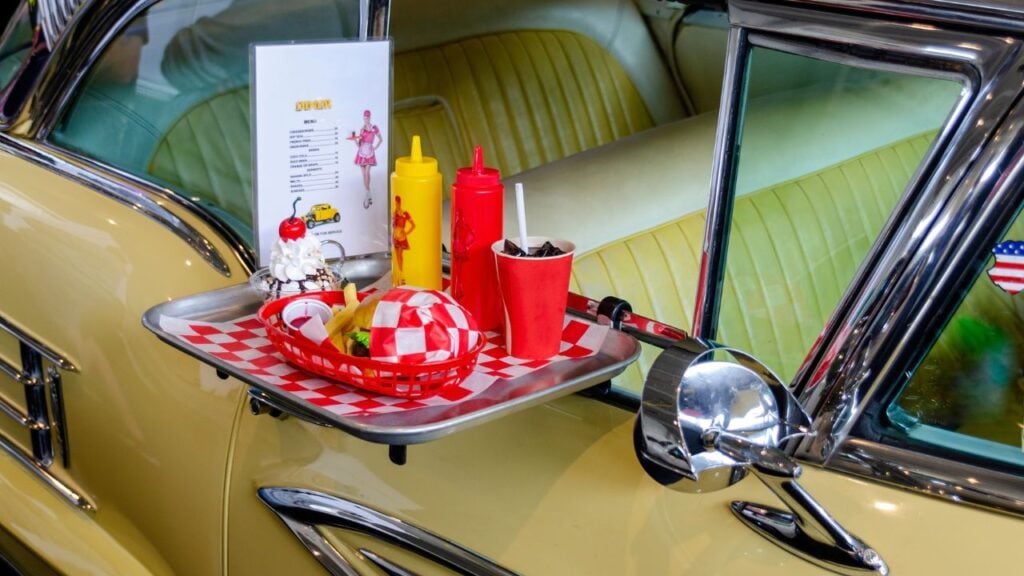
It’s hard to believe now, but there was a time when $1 could buy something meaningful.
Let’s take a trip back to the days when Americans’ pockets didn’t need much cash to bring home something fun, useful, or just plain delicious.
20 Nostalgic Things Americans Could Buy for Under $1 Back in the Day
14 Restrictions American Men Faced in the Early 1900s

One hundred years ago, there were many things men weren’t allowed to do from a legal or societal perspective.
Whether it was about fashion, feelings, or family roles, these are some of the strict rules that governed men a century or more ago.
14 Restrictions American Men Faced in the Early 1900s
Think You Belong in a Different Decade?
From big bands to big hair, our playful Decade DNA Quiz reveals which classic American era fits your personality best. It’s fast, fun, and full of vintage flair.
Meet Your Match. Discover Your Decade DNA. (Your Vintage Roots Are Showing)

