15 Prices From the 1970s That Make Californians Miss the Old Days

The 1970s weren’t always easy, but they were a lot cheaper. Many California families could buy a burger, see a movie, and fill up their gas tank without stressing over the bill.
It’s no wonder older Americans still talk about how far a dollar used to go.
Once you see these old prices, you might wish you could go back, even for just one shopping trip.
Disclaimer: The prices in this article are estimates. The exact cost of items depended on the year within the 1970s, the state one lived in, and the type of product purchased within any given category.
Gas Was About 60 Cents a Gallon
In the 1970s, pulling into a gas station didn’t hurt as many wallets. The average price hovered around 60 cents per gallon. In some places and in some years, it was even lower.
Drivers could fill up the tank with a five-dollar bill and still have change left over for a soda.
Road trips felt affordable, and few people stressed over fuel like they do now.
Even when gas prices spiked later in the decade, they were nowhere near what Americans pay today. For older drivers, those numbers are burned into memory.
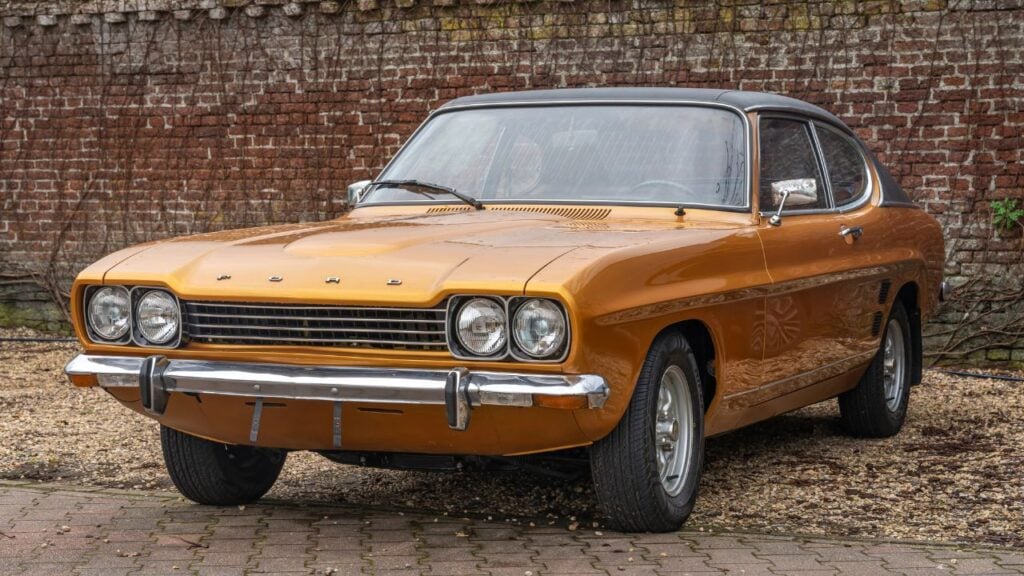
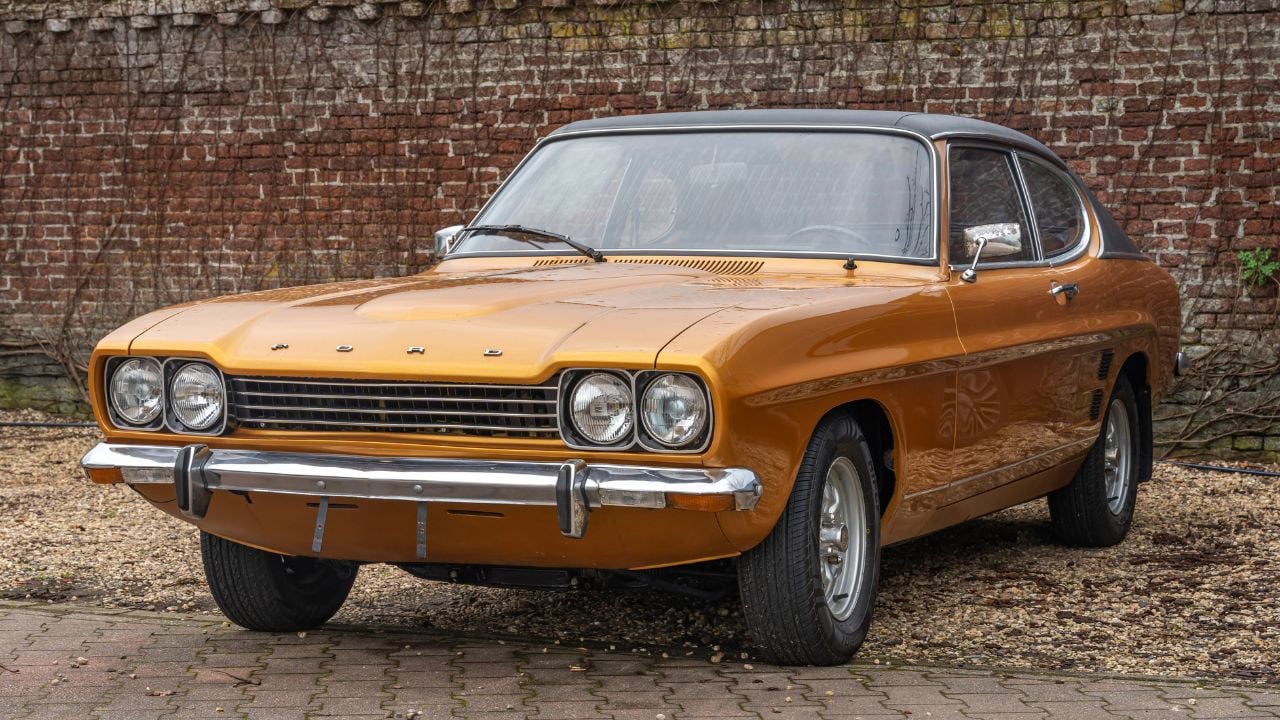
A New Car Cost Less Than $4,000
If you wanted a brand-new car in the 1970s, you didn’t need a five-year loan. You could get a car for under $4,000. Compact models could be found for even less.
Sure, cars back then didn’t have all the modern features. But they were solid, simple, and easy to fix.
People paid cash or had short payment plans. That meant no or fewer interest payments and more money in their pocket.
Today, new cars often cost more than ten times that amount. Looking back, those old price tags seem unreal.
Movie Tickets Were Under $2
Going to the movies in the 1970s was a treat that didn’t break the bank. A ticket usually cost between $1.50 and $2.50. That left room for popcorn, soda, and maybe even candy, all without draining your wallet.
Families could go together without needing to plan or save up. It was a weekend habit, not a rare splurge.
You didn’t need a subscription or a discount code. Just a few bucks and a ride to the theater.
Now, with high prices and added fees, it’s easy to miss the days when a movie night was simple and cheap.
A McDonald’s Burger Was Just 25 Cents
In the 1970s, grabbing a burger was something practically any American with a job could afford.
A regular McDonald’s hamburger cost about 25 cents, sometimes lower. A cheeseburger was only a few pennies more.
You could get a full meal with a burger, fries, and a drink for under a dollar. No apps, no deals, just everyday low prices.
It wasn’t gourmet, but it was filling and fast. For families on the go, it was an easy solution that didn’t feel like a financial decision.
Today’s prices make those 1970s menus look like collector’s items.
Median Home Costs Started Under $25,000
Buying a house in the 1970s came with challenges, but price wasn’t the biggest one.
The median home price was as low as $23,400 in 1970. Those who bought in the early 1970s were especially lucky; by the time 1980 rolled around, median home prices were $64,600.
Many Americans bought homes in their twenties. A single income could often cover the mortgage, utilities, and still leave room for savings.
Of course, wages were smaller too. But the gap between income and housing cost was much narrower.
For older Americans, it’s hard to hear today’s real estate prices without feeling shocked.
Milk Was Around $1.20 a Gallon
In the 1970s, milk was a basic part of the grocery run. A gallon cost roughly $1.20, and it was delivered fresh or picked up at the local store.
It was affordable for families, and no one worried about stretching it between shopping trips. It was just another simple staple that didn’t make a dent in the budget.
With food prices rising today, even small items like milk feel like bigger expenses.
That old grocery receipt from the 1970s reads like a wish list.
Stamps Cost Just 10 Cents
In the 1970s, sending a letter didn’t require a second thought. In 1970, a single postage stamp cost six cents. By the middle of the decade, it cost 10 cents.
That was all it took to stay in touch.
People mailed birthday cards, letters, bills, and postcards without worrying about the cost. It was part of everyday life.
Today, stamps cost well over seven times that. And most people use them far less than in the past.
For older Americans, the price of a stamp is a clear reminder of how much times have changed.
Concert Tickets Were Often Under $10
Seeing a big-name band live in the 1970s didn’t mean breaking the bank. Tickets to see groups like The Rolling Stones, Fleetwood Mac, or Led Zeppelin could cost under $10.
Fans lined up for hours to get the best seats. Some even camped out overnight, not for VIP access, but just to snag a basic seat for a fair price.
Today, even the worst seat in the house can run into triple digits.
Looking back, those old ticket stubs feel like treasures.
College Tuition Was a Few Hundred Dollars a Year
In the 1970s, going to college didn’t mean taking on massive debt. Many public universities charged only a few hundred dollars per year in tuition.
Books, housing, and meals were additional costs, but they were manageable.
Students could often pay their way by working a part-time job. Parents didn’t need to remortgage their homes to help their kids get a degree.
Today’s tuition bills can be shocking in comparison. Older generations remember when education still felt within reach.
Haircuts for Men Cost Around $3.50
In the 1970s, a trip to the barbershop didn’t take a big bite out of your paycheck. A typical men’s haircut cost about $3.50. In smaller towns, it was even less.
You didn’t need appointments or memberships. You just walked in, waited your turn, and left with a clean cut and a friendly chat.
Today, even basic trims can be pricey.
For older Americans, those quick and affordable visits are one more thing to miss.
Furniture Was Built to Last and Priced to Match
Furniture in the 1970s was solid and surprisingly affordable. A good-quality sofa might run between $250 and $400, and bedroom sets could be found for under $1,000.
You didn’t replace furniture every few years. You bought it once and kept it for decades.
Today, prices vary widely, and furniture often breaks after a few years or less of use.
Many older shoppers miss the days when sturdy furniture didn’t come with a luxury price tag.
A Cup of Coffee Was About 50 Cents
Coffee breaks in the 1970s didn’t involve lattes or custom orders. You got a hot cup of drip coffee for about 50 cents, often served in a thick ceramic mug at a diner or café.
It wasn’t fancy, but it did the job. Some places even offered free refills.
Today’s coffee prices have climbed into the $3 to $6 range for a single cup.
For older Americans, it’s a steep jump from a simple comfort that used to cost pocket change.
A Pound of Ground Beef Cost Less Than $1
Dinner didn’t have to be fancy to be filling. In the 1970s, a pound of ground beef cost around 80 to 90 cents.
That was enough to feed a family with burgers, meatloaf, or spaghetti.
Meat was a regular part of meals, and people stretched it with pasta, potatoes, or rice. You could stock your freezer without spending a fortune.
Today, meat prices are higher and fluctuate often. For older shoppers, that simple price tag is hard to forget.
A Gallon of Ice Cream Was Around $1
If you had a sweet tooth in the 1970s, you were in luck. A whole gallon of ice cream cost about $1. It came in a cardboard tub and was a staple in many freezers.
Families didn’t need coupons or rewards points. They just picked a flavor and brought it home.
Today’s ice cream options are fancier, but they’re also far more expensive.
That old $1 treat now feels like a frozen treasure from the past.
Public Transit Was Cheaper
In the 1970s, taking the bus or train was a practical and affordable way to get around. A bus fare in some cities cost as little as 10 cents.
Monthly passes were budget-friendly, and students often rode at a discount.
Today, prices are higher, and service in many places has declined. Older Americans remember when hopping on a bus didn’t require planning or budgeting.
It was simple, cheap, and dependable.
Were You Meant for a Different Decade?
If you still remember gas under a dollar, burgers for a quarter, and grabbing a full grocery bag with just a five-dollar bill, you might be more connected to the past than you think.
Think you know which decade fits your personality best? Take our Decade DNA Quiz to find out in which classic American era your heart belongs.
Meet Your Match. Discover Your Decade DNA. (Your Vintage Roots Are Showing)

14 Things Every ’70s Kid Had in Their Lunchbox

From smashed sandwiches to sticky pudding cups, here’s a look at all the classic foods every ‘70s kid had crammed inside their trusty lunchbox.
14 Things Every ’70s Kid Had in Their Lunchbox
19 Gilligan’s Island Facts Even the TV Show’s Biggest Fans Don’t Know
For many Americans, Gilligan’s Island was a silly, beloved sitcom. But as it turns out, this little island paradise was hiding some juicy trivia.
19 Gilligan’s Island Facts Even the TV Show’s Biggest Fans Don’t Know