15 Things Every ‘50s Florida Kid Knew How to Do by Age 10

Forget participation trophies and screen-time rules.
In 1950s America, kids were expected to pull their weight, get creative, and learn fast. Childhood was fun, but it was also full of unspoken responsibilities.
Let’s open the time capsule and look at what every Florida kid from the ‘50s could handle without blinking.
Write a Thank-You Note
Manners mattered in the 1950s. And one of the first polite habits kids learned was how to write a proper thank-you note.
If you got a birthday gift, a holiday card, or even a visit from a neighbor, you sent a note. It didn’t have to be long; it just had to be thoughtful.
Most 10-year-olds could write one without any help. They knew how to address an envelope, where the stamp went, and why saying thank you mattered.
It wasn’t just about etiquette. It was about showing respect and appreciation. And in the 1950s, that went a long way.
Fold a Map and Actually Read One
Long before GPS came along, kids had to navigate the old-school way. That meant learning to read a paper map and fold it correctly when they were done.
By age 10, most kids could tell you where north was, how to find a town, and how to follow a road from one place to another.
In cars, they often acted as junior navigators. Parents would hand over the map and say, “Tell me when to turn.”
Folding it back up neatly?
That was part of the challenge. And doing it without tearing the creases was a real accomplishment.
Safely Use a Pocketknife
Owning a pocketknife was a big deal for ‘50s kids. It meant you were trusted. You weren’t a little kid anymore; you had responsibilities.
By age 10, many kids had already been taught how to open, close, and safely use a pocketknife. It was often used for whittling sticks, cutting rope, or helping with simple tasks around the yard.
They were also taught never to run with it, never to point it at anyone, and always to keep it clean.
It was more than a tool. It was a symbol that you were growing up and could be counted on to handle small jobs without getting hurt.
Ride a Bike Without Training Wheels
In the 1950s, riding a bike was a rite of passage. Most kids learned before they hit double digits, and once they got the hang of it, they never looked back.
There weren’t helmets or fancy padded gloves. If you fell, you got up, brushed off the dirt, and tried again. That was part of the learning.
Bikes meant freedom. You could ride to a friend’s house, the corner store, or the end of the block just to feel the wind in your face.
By age 10, most kids were already experts. They could balance, steer, and even ride one-handed while eating a popsicle.
Know How to Sew a Button
Sewing wasn’t just for moms and grandmas. In the 1950s, boys and girls alike were expected to know a few basics—including how to sew on a button.
If your shirt popped a button, you didn’t toss it. You fixed it.
Kids were taught early how to thread a needle, line up the fabric, and keep their stitches neat.
It wasn’t about being fancy. It was about being responsible. Clothes were too important to waste.
By age 10, most kids had their own little sewing kit. It might’ve been tucked into a kitchen drawer or packed in a shoebox, but they knew exactly how to use it.
Make a Sandwich Without Help
Lunch in the 1950s was simple and usually something you made yourself.
By age 10, most kids could whip up a peanut butter and jelly sandwich with their eyes closed. Or bologna and mustard. Or tuna and pickles.
Whatever was in the fridge, they made it work.
There wasn’t a lot of fuss about nutrition labels or allergens. Kids just grabbed what they needed and made their own meal.
Knowing how to feed yourself was part of growing up. And in a lot of families, it meant mom had one less thing to worry about.
Build a Fort Out of Whatever Was Around
Kids in the 1950s didn’t need Pinterest or plastic playhouses. If you gave them a pile of blankets, some sticks, or a few cardboard boxes, they’d have a fort up in no time.
It might be behind the garage or under the kitchen table. It didn’t have to be perfect. It just had to be theirs.
By age 10, most kids had built dozens. Each one had its own name, secret code, and rules for who could enter.
It was a mix of creativity, problem-solving, and a little bit of mischief. But mostly, it was just plain fun.
Shine Their Own Shoes
In the 1950s, kids were expected to look neat and put together, even when playing outside.
Shoe polish kits weren’t just for grown-ups. By the time they turned 10, most kids knew how to buff out scuffs, apply the polish, and make their shoes shine.
It wasn’t optional. Sunday best meant your shoes better not look like you just came from the sandbox.
Parents took pride in how their kids looked. And kids learned to take pride in doing it themselves.
Climb a Tree And Know How to Get Down
Playgrounds were great, but nature was better. And in the 1950s, every kid knew how to find the best tree for climbing.
By age 10, they had the upper-body strength, the balance, and the nerve to get pretty high up.
They also knew when to stop. And most importantly, they knew how to get back down without breaking an arm.
Tree climbing was about adventure. It was also about confidence.
When you could climb higher than your friends, you felt like the king of the neighborhood.
Start a Fire (With Supervision, of Course)
In the 1950s, fire safety was important, but so was learning how to handle basic outdoor skills. Many kids by age 10 knew how to start a fire using matches or flint, and they understood how to manage it safely.
It wasn’t about playing with danger. It was about learning responsibility.
Whether it was for roasting marshmallows, lighting a backyard grill, or prepping a campfire, kids were expected to understand the process.
They knew to clear the area, gather the right kind of wood, and never leave it unattended. Adults often supervised, but kids were trusted to follow the rules.
It was one of the early lessons in independence, and it made them feel grown up.
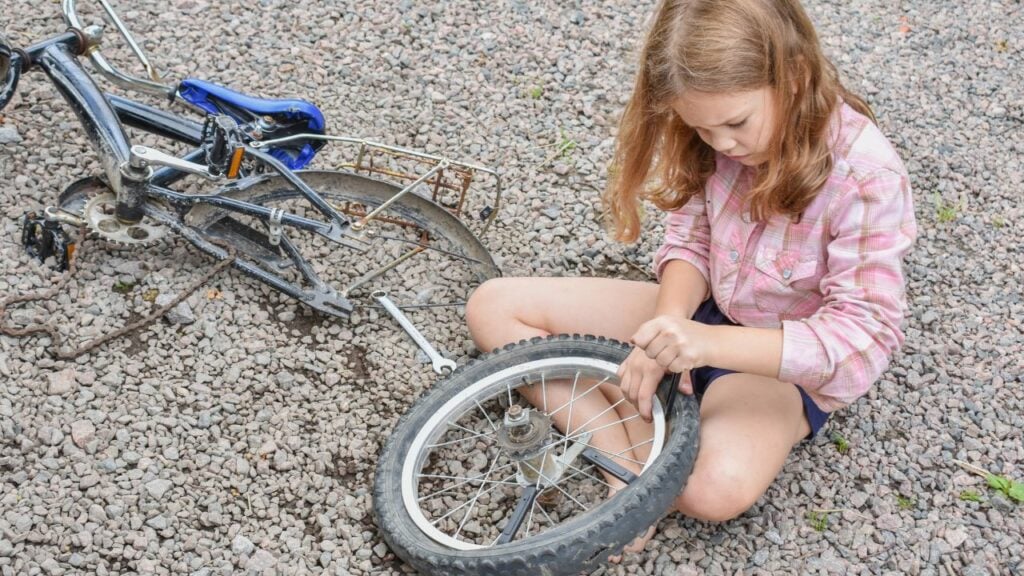
Fix a Flat Bike Tire
A flat tire didn’t mean the day was over. For kids in the 1950s, it just meant it was time to get to work.
By age 10, most could flip their bike upside down, pop the wheel off, patch the inner tube, and pump it back up before their friends got bored and left.
They might not have had fancy tools, but they knew how to get the job done. A patch kit, a little glue, and some elbow grease went a long way.
This kind of know-how made them feel capable. It also meant fewer calls to Dad when something went wrong.
Clean Up After Themselves Without Being Asked
Chores weren’t negotiable in the 1950s. If you made a mess, you cleaned it up. That was the rule, and kids learned it early.
By the time they were 10, most kids knew how to make their bed, wash their dishes, and pick up their toys without being reminded.
It wasn’t about being perfect. It was about showing respect for your home and your family.
That attitude followed them into adulthood. For many, those habits never left.
Catch and Clean a Fish
Fishing wasn’t just a pastime in the 1950s. It was a skill. By age 10, plenty of American kids could bait a hook, reel in a catch, and even clean the fish when they got home.
It wasn’t glamorous. It was messy, smelly, and hands-on. But it taught patience and precision.
Kids learned from parents, grandparents, or older siblings. And once they knew how to do it, they took pride in providing something for dinner.
Even if the fish never made it to the table, the know-how was the real trophy.
Use a Rotary Phone the Right Way
Before smartphones and speed dial, there was the rotary phone. And in the 1950s, kids were expected to know how to use it correctly.
By age 10, most kids knew the house number by heart, how to dial each digit, and how to politely answer and end a call.
There was no texting. No caller ID. Just a loud ring and your best phone manners.
Saying “hello,” “please,” and “thank you” was expected. And slamming the receiver down? That was a no-go, unless you were really asking for trouble.
Make Their Own Fun With Almost Nothing
Entertainment in the 1950s didn’t come in a box or on a screen. Kids had to get creative, and they were good at it.
By the time they were 10, most kids could invent a game on the spot. A stick became a sword. A rock turned into a puck. A patch of dirt became a racetrack.
They didn’t rely on adults to keep them busy. They used their imaginations, their energy, and whatever was nearby.
This kind of play wasn’t just fun. It built problem-solving skills, confidence, and lifelong memories.
Are You Built Like A ‘50s Kid?
If these skills sound familiar, you might have a bit of 1950s in your bones.
Take our Decade DNA Quiz to see which classic American era you’re really aligned with. It might surprise you!
Meet Your Match. Discover Your Decade DNA. (Your Vintage Roots Are Showing)

15 Once-Popular 1950s Baby Names Rarely Heard Today

Have you ever wondered what happened to some of the most popular baby names from the 1950s?
Travel down memory lane with us and reminisce about the classic names from the ’50s that you hardly hear anymore.
15 Once-Popular 1950s Baby Names Rarely Heard Today
18 All-American Traditions Every Baby Boomer Used to Have

From church on Sundays to dinner at the table every night, there was a rhythm to daily life for kids back in the ’50s and ’60s.
These are some of the boomer traditions that once defined what it meant to be American.
18 All-American Traditions Every Baby Boomer Used to Have