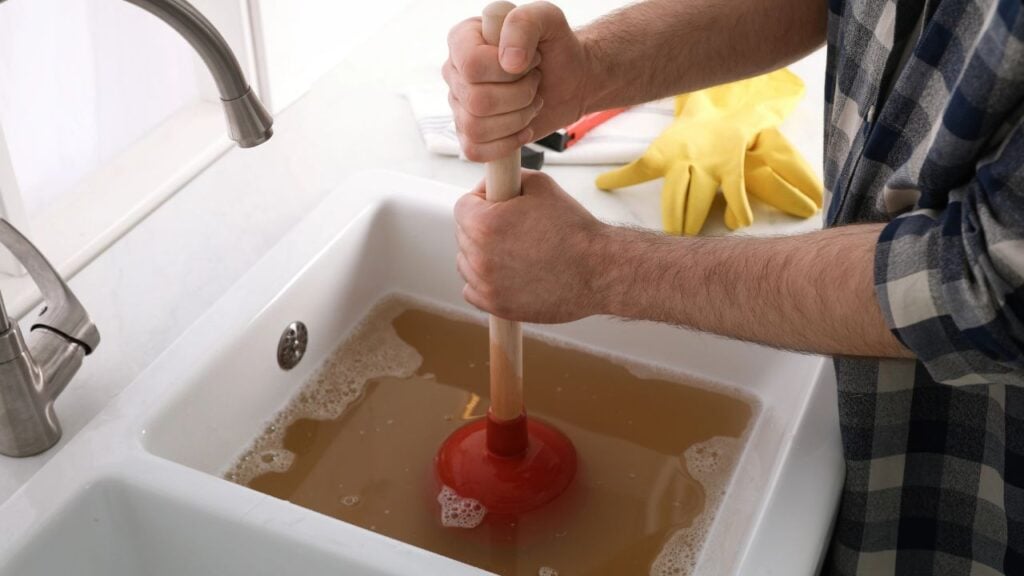
16 Things Georgians Do That Destroy Their Pipes

You don’t have to be careless to ruin your pipes. Most of the time, people follow the habits they’d seen their parents do for years.
But small everyday mistakes can lead to big pipe problems for Georgians.
The good news? Stopping these common pipe-destroying habits can save you from expensive repair bills down the road.
Pouring Grease Down the Drain
It seems harmless when it’s hot and liquid, but grease is one of the worst things you can put down your kitchen sink.
Once it cools, it solidifies. That means it sticks to the inside of your pipes and slowly builds up over time.
Add in bits of food and other kitchen waste, and you’ve got a thick, sticky clog just waiting to cause trouble.
Even if you chase it with hot water or soap, it still doesn’t fully clear. The only safe place for cooking grease is the trash can, sealed in a container.
Flushing “Flushable” Wipes
The packaging says they’re flushable. But plumbers across America would strongly disagree.
Flushable wipes don’t break down the same way toilet paper does. They usually stay whole as they move through your pipes and can get stuck, especially if your plumbing is older.
Over time, these wipes can build up and cause serious blockages. The worst part?
They don’t just harm your pipes. They can also damage city sewer systems.
Toilet paper only. Everything else should go in the trash.
Using Too Much Drain Cleaner
When the sink is slow, many people reach straight for the chemical drain cleaner. It’s quick, it’s easy, and at first, it seems like it works.
But most drain cleaners use strong chemicals that can eat away at your pipes if used too often. They don’t just clear clogs. They also wear down the pipes themselves.
This is especially risky with older homes or plastic piping. Instead, try using a drain snake or calling a plumber if the problem keeps coming back.
Sometimes the fix causes more harm than the clog itself.
Ignoring Slow Drains
It’s easy to ignore. The water still goes down, just not as fast. You tell yourself it can wait. But slow drains are a warning sign.
They often mean a clog is forming somewhere deeper in the line. It could be soap scum, hair, grease, or something else starting to block the flow.
The longer you wait, the harder it gets to fix. A slow drain today can turn into a complete backup tomorrow.
Acting early can prevent damage and save money in the long run.
Letting Hair Go Down the Shower Drain
It doesn’t happen all at once. A little bit of hair here. A little more there.
But before you know it, your shower drain is packed tight.
Hair doesn’t just clog the surface. It tangles, combines with soap residue, and sticks to the sides of the pipe. Over time, it forms a dense mat that water can barely pass through.
The fix?
Use a simple drain screen. It catches the hair before it goes down and takes seconds to empty.
Using the Garbage Disposal as a Trash Can
Garbage disposals are handy, but they’re not made to handle everything. Many Americans treat them like they can grind up just about anything.
Eggshells, coffee grounds, pasta, and potato peels are all things that can damage your disposal or clog your pipes.
They either turn into a paste that sticks or get caught in corners and blades.
Using the disposal only for small, soft food scraps helps it work better and last longer. When in doubt, scrape it into the trash or compost bin instead.
Running Hot Water After Greasy Foods
Some people think that running hot water after pouring grease down the drain will wash it away. It might look like it works, but it doesn’t solve the problem.
Hot water keeps grease liquid for a little while, but once it cools down in the pipe, it still hardens.
That means it just settles deeper in the system, where it’s harder to reach and harder to fix.
It’s better to avoid putting grease down your drain entirely than to try and melt your way out of a clog.
Hanging Things on Exposed Pipes
It might seem clever to hang clothes, decorations, or storage items on exposed pipes in the basement or laundry room. They’re sturdy, right?
Not always. Pipes are meant to carry water, not weight. Over time, hanging things on them can loosen joints or stress the connections.
That small bit of pressure can lead to leaks, cracks, or even a burst if the pipe shifts or gets weakened.
Leave your pipes alone. They’re not part of your closet.
Skipping Routine Maintenance
Out of sight, out of mind. That’s how many people treat their plumbing.
But just like your car or roof, your pipes need a little care. Ignoring yearly check-ups or putting off minor fixes can lead to bigger, more expensive problems down the road.
Checking for small leaks, testing your water pressure, and flushing out your water heater can all help keep things running smoothly.
Waiting until something breaks is often the most expensive option.
Using Old Hoses and Washing Machine Lines
Rubber hoses don’t last forever. But many people never think to replace them unless they’re already leaking.
Washing machine hoses are under pressure constantly. Over time, they can crack, bulge, or even burst and flood your laundry room in minutes.
Swapping them for braided stainless steel lines is a cheap and easy upgrade.
It might not seem urgent, but it’s one of the easiest ways to avoid serious water damage.
Flushing Cat Litter
Even if the label says it’s flushable, cat litter doesn’t belong in your toilet. Period.
Most litter expands when wet. That means it can swell inside your pipes, block drains, and create heavy buildup that won’t budge without serious effort.
And if the litter is clay-based, it hardens like cement.
Add to that the bacteria from pet waste, and you’ve got a plumbing and sanitation nightmare.
The trash can is the only safe place for used litter. It may not be convenient, but it protects your pipes.
Overloading the Toilet
Toilets are built to handle human waste and toilet paper, nothing more.
But many Americans treat them like second trash cans. Tissues, cotton swabs, floss, paper towels, and feminine products are just a few of the things people flush that should never go down.
These items don’t break down like toilet paper. They bunch up, clog pipes, and can even create blockages far down the line.
A small wastebasket next to the toilet can save you hundreds of dollars in plumbing repairs.
Letting Tree Roots Sneak In
You can’t see them, but tree roots are always growing, always looking for moisture. And once they find a crack in your sewer line, they squeeze their way in.
Even small roots can cause big problems. They block flow, catch debris, and over time, grow into dense tangles that can burst a pipe.
If you have large trees near your main sewer line, a yearly inspection can help catch problems before they become disasters.
When it comes to pipe care, the outdoors matters just as much as indoors.
Ignoring Water Pressure Problems
If your water comes out like a fire hose, it might feel convenient, but it’s dangerous for your pipes.
High water pressure can strain pipes, wear out joints, and make leaks more likely. Over time, it shortens the life of your entire plumbing system.
You can buy a cheap gauge at a hardware store to test your pressure. If it’s over 80 psi, it’s time to talk to a plumber about installing a pressure regulator.
It’s a small fix that protects your whole home.
Using the Dishwasher Without Scraping
Dishwashers are tough, but they’re not garbage disposals.
Leaving chunks of food on your plates and letting them go straight into the machine can damage both the appliance and the plumbing connected to it.
Over time, food particles build up in the drain line. This can lead to clogs, nasty smells, and poor performance.
Giving your dishes a quick scrape before loading them in keeps the pipes clear and helps the dishwasher last longer.
Pouring Paint or Chemicals Down the Drain
After a weekend project, it might seem easy to rinse leftover paint or chemicals down the sink. But this shortcut can do serious damage.
Paint, solvents, and harsh cleaners can coat the inside of pipes, eat away at seals, and harden in traps. Some chemicals also react with other waste in the system, creating blockages or corrosion.
And if you’re on a septic system, pouring these down the drain can completely throw off the balance in your tank.
The safest option is to follow local disposal rules. Most towns have collection sites for leftover paint and hazardous waste.
A Trip to the Past
Are you still pouring bacon grease down the sink like it’s no big deal? Or flushing things that really don’t belong in a toilet?
Take our Decade DNA Quiz to find out which generation your household habits line up with and what they say about your personality.
Meet Your Match. Discover Your Decade DNA. (Your Vintage Roots Are Showing)

25 Things From the Past We Took for Granted

Do our modern gadgets truly simplify our lives, or do they add unnecessary complexity? These are the things about the old days that Americans long to have back.
25 Things From the Past We Took for Granted. Now We Want Them Back
25 Discontinued Foods That Americans Miss Seeing on the Shelf

Every once in a while, big-name brands pull products with huge followings off the shelf, saddening Americans across the country. These are the foods Americans want back the most.
25 Discontinued Foods That Americans Miss Seeing on the Shelf