16 Things No One Tells You About Living in New Jersey’s Suburbs

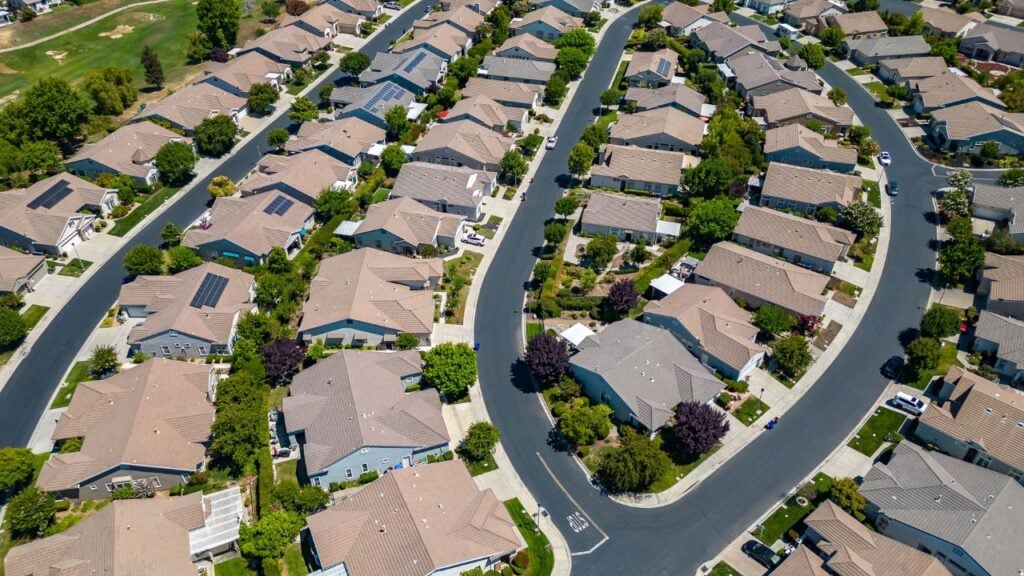
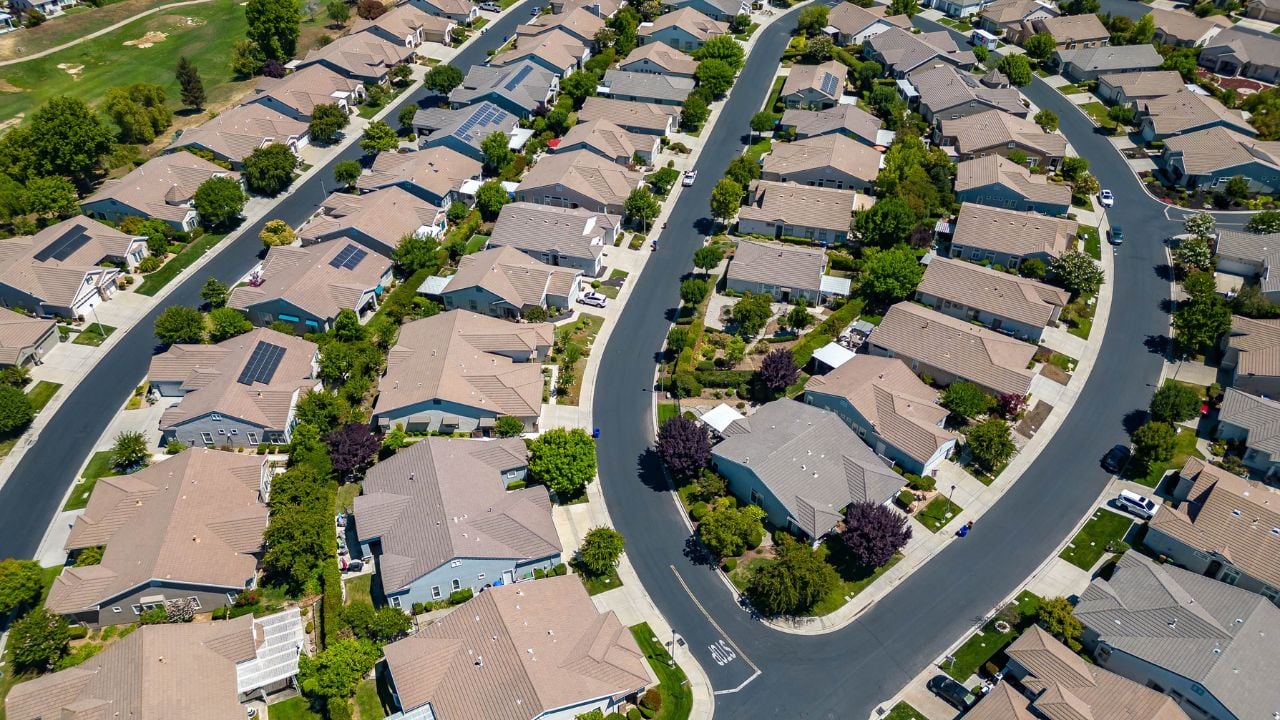
Moving to a New Jersey suburb feels like trading chaos for calm. The driveways are bigger, the pace is slower, and the neighborhoods are often family-friendly.
Still, no one talks much about the small details that shape day-to-day life once you’re there.
These are some of the surprises that often make the difference between loving the suburbs and hating them.
The HOA Has More Power Than You Expect
Homeowners’ associations (HOAs) are common in suburban neighborhoods, and their influence often goes beyond what new residents imagine.
Rules can cover everything from how tall your grass grows to what color you can paint your front door.
At first, these guidelines may seem harmless, but they can add unexpected stress. A fine for leaving trash cans out too long or planting the wrong type of flowers surprises many homeowners.
The intention is to keep the neighborhood looking uniform and well-kept, but it can sometimes feel restrictive.
New residents often wish they had known how much control an HOA really has before signing the papers.
Commutes Are Longer Than Advertised
One of the biggest surprises when some moves from the city to suburban living is how much time they spend in the car (and that they need a car at all).
A commute that seems reasonable on paper often grows once traffic, stoplights, and construction are factored in.
This hidden reality affects more than just work schedules. It impacts school runs, grocery trips, and social plans.
The trade-off for more space and quieter streets often comes at the cost of longer drives.
Social Life Revolves Around Kids
In many suburbs, activities are centered on families with children. Sports leagues, school events, and birthday parties fill the community calendar.
For parents, this can create a built-in social network, but for adults without kids, it can sometimes feel isolating.
Conversations often turn toward school districts, coaches, or homework struggles.
It’s not always easy to find social outlets that have nothing to do with children. Many adults end up adjusting their routines to fit the family-focused culture.
Shopping Options Are Limited
Suburbs may have plenty of big-box stores, but smaller, specialized shops are harder to come by.
Finding a bakery, boutique, or unique restaurant often requires a drive to a nearby city.
At first, the convenience of having large retailers close by is appealing. Over time, however, the sameness can feel limiting.
Chain stores dominate the landscape, and variety takes a back seat. Residents often notice they’re buying the same products as everyone else.
What feels convenient on move-in day can turn into a longing for more diverse options later.
Noise Travels In Surprising Ways
Suburbs are often marketed as quiet, but the reality can be different. Lawn mowers, leaf blowers, and barking dogs become part of the daily soundtrack.
Even though houses are spread out more than in cities, sound carries farther than expected.
Weekend projects, pool parties, and basketball hoops echo down the block.
It isn’t always disruptive, but it can be surprising for those expecting silence.
The quiet life has its interruptions, just in different forms than people imagine.
Property Taxes Can Sneak Up On You
While suburban homes often come with more space, they also bring higher property tax bills.
New homeowners sometimes overlook just how much these costs add to the budget.
Taxes can increase over time, especially in growing communities with new schools, parks, or infrastructure projects.
The bigger the house and lot, the larger the financial responsibility. It’s not just the mortgage that shapes monthly payments.
These hidden costs are a surprise that many residents only realize after their first year in the suburbs.
Everyone Watches Each Other’s Yards
Curb appeal is serious business in suburban neighborhoods. Neighbors often pay close attention to how lawns, hedges, and driveways look.
A patch of weeds, an untrimmed hedge, or holiday lights left up too long can quickly spark gossip. Even if no one says anything directly, the silent judgment is there.
For some residents, this creates motivation to keep everything tidy. For others, it feels like constant pressure.
Either way, appearances matter more than newcomers often expect.
Wildlife Is Closer Than You Think
Many suburban neighborhoods are built near wooded areas or open land. This means animals frequently wander into backyards and streets.
Raccoons rummage through trash cans, deer eat garden plants, and coyotes sometimes roam at night.
Even smaller animals like squirrels and rabbits can create unexpected messes.
For families with pets, this can pose extra challenges. Keeping food outside or leaving gates open may invite more visits.
Living in the suburbs often means adjusting to the idea that nature is only a few steps away.
Public Transit Options Are Limited
Unlike cities, suburbs rarely have reliable public transportation. Buses may run infrequently, and trains or subways are often far from residential areas.
This means most people rely heavily on their cars for every errand, no matter how small.
Grocery trips, doctor appointments, and even grabbing a cup of coffee often require driving.
For families with teenagers or seniors who can’t drive, this lack of options can be frustrating. Independence is harder to maintain without access to reliable transit.
New residents often underestimate just how dependent suburban life is on personal vehicles.
Social Events Are Scheduled
In many suburbs, casual hangouts are less common than in cities. Friends and neighbors often need to plan get-togethers well in advance.
Busy calendars filled with school functions, sports, and work commitments make spontaneous plans harder to pull off.
For newcomers, this can feel a little isolating at first, especially if they’re used to last-minute meetups.
Over time, most people adjust to this rhythm, but it’s still an unexpected part of suburban culture.
Deliveries Take Longer Than Expected
Online shopping has made life easier everywhere, but in the suburbs, delivery times are not always as fast as people expect.
Some neighborhoods are outside prime delivery zones, which means waiting an extra day or two.
Food delivery can be limited as well. Smaller towns may not have access to all the restaurant delivery apps city dwellers rely on.
This can come as a surprise for those who are used to getting everything within an hour.
Living in the suburbs often means planning ahead rather than relying on instant service.
Street Lighting Isn’t Always Great
While cities are lit at nearly every corner, suburban streets can be surprisingly dark. Fewer streetlights make evening walks or late-night drives feel less safe.
For families with kids, this can be unsettling, especially on streets without sidewalks.
It also means homeowners sometimes need to invest in motion lights or yard lamps to make their property feel secure.
The darker nights are one of those details that rarely come up before moving in, yet they change daily routines.
Sidewalks Aren’t Guaranteed
Many suburban neighborhoods don’t have sidewalks, even though they seem like they should.
This makes walking the dog, jogging, or letting kids ride bikes trickier than expected.
Without sidewalks, residents share the road with cars, which can feel unsafe. It also limits the casual neighborhood strolls people picture before moving in.
Communities with sidewalks often highlight them as a selling point, showing how much they impact daily life.
It’s a detail few people think about before moving in but one they notice quickly once they settle.
Yard Work Never Ends
One of the biggest adjustments for suburban living is how much time goes into maintaining outdoor spaces. Lawns, shrubs, and driveways all need constant care.
What starts as a weekend chore often turns into a regular routine. Mowing, edging, watering, and raking take more time than many newcomers realize.
For some, it becomes a source of pride. For others, it feels like a never-ending task list.
Either way, the upkeep becomes part of suburban life in a way few expect at first.
Emergency Services Can Be Slower
Living farther from the city sometimes means police, fire, or ambulance response times are longer. With fewer stations nearby, coverage areas are larger.
For residents, this is an adjustment when compared to city living, where help may be just minutes away.
It doesn’t mean safety is ignored, but it does require more awareness and preparation.
Things like fire extinguishers, first-aid kits, and security systems take on a bigger role in daily peace of mind.
Neighbors Become Your Safety Net
Suburban life often relies more heavily on neighbors than newcomers expect.
People watch each other’s houses during vacations, share tools, and even swap meals during tough times.
This can feel refreshing compared to the anonymity of city life, but it also means privacy is thinner. Everyone knows a little bit about everyone else.
The sense of community is strong, though, and many people come to appreciate the support system.
Weirdest Laws in Each State

Most Americans are clear on treating thy neighbor as they’d want to be treated to reduce the chance of fines and jail time. But did you know you could be breaking the law by carrying an ice cream cone in your pocket?
These are the weirdest laws in each state, most of which courts (thankfully!) no longer enforce.
Weirdest Laws in Each State That’ll Make You Chuckle
17 Life Hacks That Are Harder Than the Non-Hack

Life hacks are supposed to make your life easier, and sometimes they really do. However, the internet is rife with hacks that aren’t actually effective.
17 Life Hacks That Are Harder Than the Non-Hack
Which Classic American Decade Is Totally You?
Take a quick break and discover which classic American era matches your personality and old-school soul. Our Decade DNA Quiz is fast, fun, and full of feel-good retro energy.
Meet Your Match. Discover Your Decade DNA. (Your Vintage Roots Are Showing)