

17 Bizarre Taboos From the Past That Make No Sense to Floridians Today

Society has always had unwritten rules, and some of them now seem downright odd to Floridians and Americans as a whole.
In the past, people treated certain behaviors as forbidden, even though our modern-day perspective sees them as harmless.
These taboos reveal how strict expectations used to be. Today, many of them feel unnecessary or even silly.
Showing Ankles in Public
A century ago, women were expected to keep their ankles covered. Something as simple as a shorter skirt could spark whispers or judgment.
Today, the idea feels absurd.
This taboo was tied to strict views of modesty. People believed that even a glimpse of skin carried shocking meaning. It turned an ordinary body part into a social scandal.
By modern standards, the concern seems exaggerated. Styles changed, and ankles quickly stopped being a focus of shame.
Looking back, it’s hard to believe people once saw something so harmless as a threat to decency.
Left-Handed Writing
For decades, being left-handed carried an unnecessary stigma. Children were told to switch hands in school, and teachers often forced them to write with their right.
It was treated like a problem that needed fixing.
This taboo came from superstition and misunderstanding. Left-handedness was sometimes linked with bad luck or weakness. The belief had no basis in reality.
Kids who resisted the pressure often faced scolding or shame. The focus was less on learning and more on conformity.
Now, being left-handed is just another variation. The old fear looks bizarre compared to modern acceptance.
Talking About Pregnancy Openly
In the past, people avoided saying the word “pregnant” in polite company. Instead, they used vague phrases like “in the family way.”
It was considered improper to acknowledge such a natural part of life.
The taboo came from the belief that pregnancy was too private to discuss. Even though it was obvious, people pretended it was a secret.
This silence created unnecessary discomfort. Women were often left out of conversations that directly affected them.
Now, people share pregnancy news with excitement. The old rule against discussing it seems more awkward than respectful.
Men Having Long Hair
In earlier decades, men with long hair were often judged harshly. It was linked to rebellion or laziness rather than personal style.
This taboo grew out of strict ideas about masculinity. Short hair was seen as neat, respectable, and professional. Anything longer challenged those expectations.
For many, long hair symbolized counterculture movements.
That made it even more controversial among older generations.
Today, long hair is just another fashion choice. The idea of it being shocking feels silly.
Women Speaking in Public Meetings
There was a time when women were discouraged from speaking up at community or political gatherings. Their opinions were expected to stay private or within the home.
The silence wasn’t natural; it was enforced by social norms.
This taboo limited voices that could’ve added value. It made meetings less diverse and reinforced the idea that only certain people deserved to be heard.
Over time, women pushed against the restriction. As roles shifted, so did expectations, and the taboo faded.
Today, the idea of silencing half the population feels not only unfair but completely outdated.
Playing Cards On Sundays
For years, card games were viewed as sinful if played on Sundays.
Families avoided them for fear of being judged by neighbors or church leaders. What was meant as simple fun became a source of gossip.
This taboo tied leisure to morality. People believed that games encouraged laziness or tempted players toward gambling.
Plenty of families still gathered for cards, but they did it quietly. The secrecy only made the games feel more rebellious.
Today, the idea of linking cards to sin feels outdated. Most people see it as harmless entertainment.
Women Wearing Pants
Once, women faced criticism for choosing pants instead of skirts or dresses.
Wearing trousers was seen as inappropriate. It challenged expectations about femininity and respectability.
The taboo reflected rigid gender roles. Pants were connected with male authority, so women wearing them upset tradition.
Despite resistance, women slowly normalized the change. Fashion and practicality eventually won over outdated rules.
Now, it’s hard to imagine a time when something as simple as pants could spark social outrage.
Women Smoking in Public
There was a time when women lighting a cigarette in public was considered scandalous. It suggested boldness or impropriety rather than just a personal habit.
Men could smoke freely, but women faced judgment.
This taboo was tied to narrow views of femininity. Smoking was linked to independence, which made it controversial for women.
Movies and advertising slowly shifted perceptions. When glamorous actresses smoked on screen, the stigma began to fade.
Now, the conversation around smoking focuses on health rather than gender. The old rule against women smoking feels wildly outdated.
Talking About Divorce
Divorce once carried a heavy social stigma. People avoided discussing it openly, as if it were a shameful secret.
Families often kept quiet even when separation was well known.
The taboo came from the belief that divorce broke moral or religious codes. Communities treated it as a failure rather than a personal choice.
Over time, rising divorce rates made it harder to maintain the silence. As more people experienced it, the stigma began to fade.
Today, divorce is seen as a normal, if sometimes difficult, life event. The hush that once surrounded it feels out of place.
Saying Words Considered Too Direct
In the past, people avoided certain everyday words because they were thought to be too blunt. Even words like “leg” or “pregnant” were replaced with softer phrases.
It was considered more polite to speak indirectly.
This taboo came from an obsession with propriety. People believed delicate language protected decency.
The result was strange conversations full of euphemisms. Ordinary topics became harder to talk about.
Now, using plain words is seen as normal. The old fear of “improper” language feels unnecessary.
Leftover Food on Plates
For years, leaving food on a plate was considered impolite. People were expected to clean their plates no matter what. The rule was tied to ideas about respect and waste.
The taboo made meals stressful.
Diners worried about appearing rude if they couldn’t finish. Children especially felt pressured to eat everything.
This habit grew out of harder times when wasting food carried real consequences. As circumstances changed, the strictness faded.
Today, most people understand that stopping when you feel full is healthier.
Women Whistling in Public
At one time, women were discouraged from whistling in public. It was thought to be unladylike or even disrespectful.
This taboo came from rigid expectations of femininity. Whistling was seen as bold or attention-seeking, which clashed with old ideals of modesty.
Despite the criticism, some women whistled anyway, often as an act of independence.
Slowly, the idea of it being improper began to fade.
Now, it seems odd that whistling could ever be controversial. The taboo feels like another outdated rule meant to control behavior.
Bathing Suits That Showed Too Much
Not so long ago, swimwear was expected to cover far more than it does today. Showing too much skin at the beach or pool was considered improper.
Even modest suits by today’s standards sparked criticism.
This taboo came from strict ideas about modesty. People connected swimwear with morality, turning leisure into something policed.
As styles changed, the rules relaxed. Bikinis and shorter trunks slowly became mainstream.
Now, it’s hard to imagine swimwear being scandalous. The old restrictions seem out of place in modern culture.
Men Wearing Earrings
There was a time when earrings on men were seen as shocking. They were linked to rebellion or stereotypes rather than style. A simple accessory caused unnecessary judgment.
The taboo reflected narrow ideas about masculinity. Jewelry was expected to be strictly for women.
Musicians and athletes helped break the stigma by making earrings fashionable. Younger generations soon followed.
Today, earrings are a normal fashion choice for anyone. The past controversy feels exaggerated.
Public Displays of Affection
Holding hands or kissing in public once carried a strong stigma. Couples risked gossip or disapproval for simple gestures.
Something now seen as sweet was once considered scandalous.
The taboo stemmed from the belief that affection belonged in private spaces only. Public romance was treated as indecent.
Over time, cultural shifts softened the rules. Younger people especially pushed back against the restrictions.
Now, public displays of affection are common. The idea of them being shocking seems almost laughable.
Talking About Money Openly
For much of the past, discussing money was seen as impolite. People avoided mentioning salaries, prices, or financial struggles in conversation.
It was treated like a private matter that didn’t belong in public.
This taboo came from class divisions. Open talk about money risked exposing differences that people preferred to hide.
The silence created more confusion than clarity. Without honest conversations, financial misunderstandings only grew.
Today, money talk is becoming more open, especially among younger generations. The old hush around it feels outdated.
Dancing Styles That Broke the Rules
At different times in history, certain dances were considered too wild. Moves that now seem harmless were once condemned as improper. Teenagers especially faced criticism for embracing new styles.
The taboo came from fear of change. Adults worried that new music and dance encouraged rebellion.
Instead of stopping the trend, the criticism often made it more popular. Teens embraced the freedom that came with movement.
Now, those same dances are looked at as nostalgic and fun. The outrage surrounding them feels unnecessary.
20 Nostalgic Things Americans Could Buy for Under $1 Back in the Day
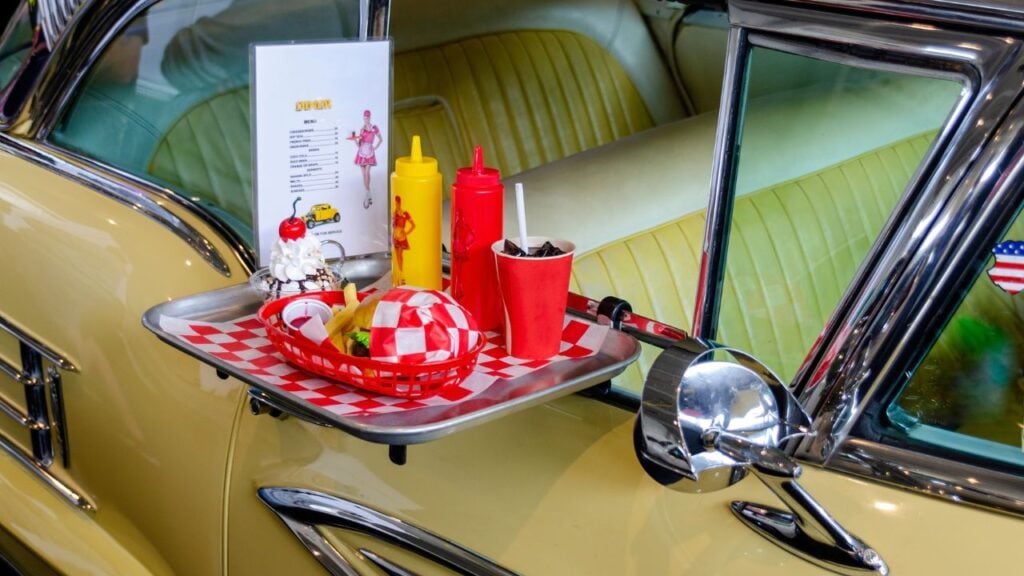
It’s hard to believe now, but there was a time when $1 could buy something meaningful.
Let’s take a trip back to the days when Americans’ pockets didn’t need much cash to bring home something fun, useful, or just plain delicious.
20 Nostalgic Things Americans Could Buy for Under $1 Back in the Day
19 Historical U.S. Myths That Annoy History Buffs to the Core

If your teacher taught it in history class, it’s normal to assume it’s true. Ask any historian, though, and you might be surprised to learn the stuff of school history lessons is often riddled with inaccuracies.
19 Historical U.S. Myths That Annoy History Buffs to the Core
What Decade Were You Really Meant For?
Whether you’re dreaming of bell-bottoms or soda fountains, our Decade DNA Quiz will match you with the decade that fits your personality. No work deadlines here, just a fun escape when you need it most.
Meet Your Match. Discover Your Decade DNA. (Your Vintage Roots Are Showing)

