17 Cooking Shortcuts New Mexicans Use That Are Secretly Making Their Food Worse

Cooking at home is supposed to save you time and money, but some shortcuts actually backfire.
Many New Mexicans innocently rely on quick tricks in the kitchen without realizing the trade-off. The result?
Meals that may look fine on the surface but taste flat or lose their texture.
Here are the cooking shortcuts you should never make.
Not Preheating Your Oven
Many people think preheating is a waste of time. They put food into a cold oven, hoping it’ll cook just fine.
The problem is that temperature consistency matters more than people realize. Without preheating, baked goods rise unevenly and meats may cook improperly.
That “shortcut” often leads to soggy textures or undercooked centers. What looks done on the outside may not be ready inside.
Waiting those extra minutes for the oven to heat up saves you from disappointing results.
Overusing Garlic Powder Instead of Fresh Garlic
Garlic powder is quick and easy, so plenty of home cooks reach for it first. While it has its uses, relying on it too much can flatten the flavors of a dish.
Fresh garlic adds complexity, aroma, and a punch that powder can’t fully replicate.
Skipping it entirely takes away depth.
There are moments when garlic powder works, like seasoning blends. But swapping it for fresh cloves in main dishes often makes meals less memorable.
A little extra effort with a garlic press goes a long way toward better flavor.
Rinsing Cooked Pasta With Cold Water
Draining pasta and running it under cold water seems logical for stopping the cooking process. But in most cases, it actually harms the dish.
That rinse washes away the starch that helps sauces cling to the noodles. Instead of silky, well-coated pasta, you get slippery strands that don’t hold flavor.
Cold water also dulls the texture, leaving pasta less satisfying to bite into. Unless you’re making a cold pasta salad, rinsing is rarely a good choice.
Letting the pasta steam in the strainer while tossing it with sauce is the better move.
Using Pre-Shredded Cheese for Everything
Bagged shredded cheese saves time, but it comes with drawbacks. To prevent clumping, it’s coated in anti-caking agents that affect how it melts.
Instead of smooth, creamy cheese sauces, you may end up with grainy or uneven textures. On pizza, it can bubble strangely rather than spreading evenly.
Grating cheese from a block takes only a couple of minutes, yet the payoff is much bigger flavor and better consistency.
Small as it seems, this shortcut often keeps comfort foods from tasting their best.
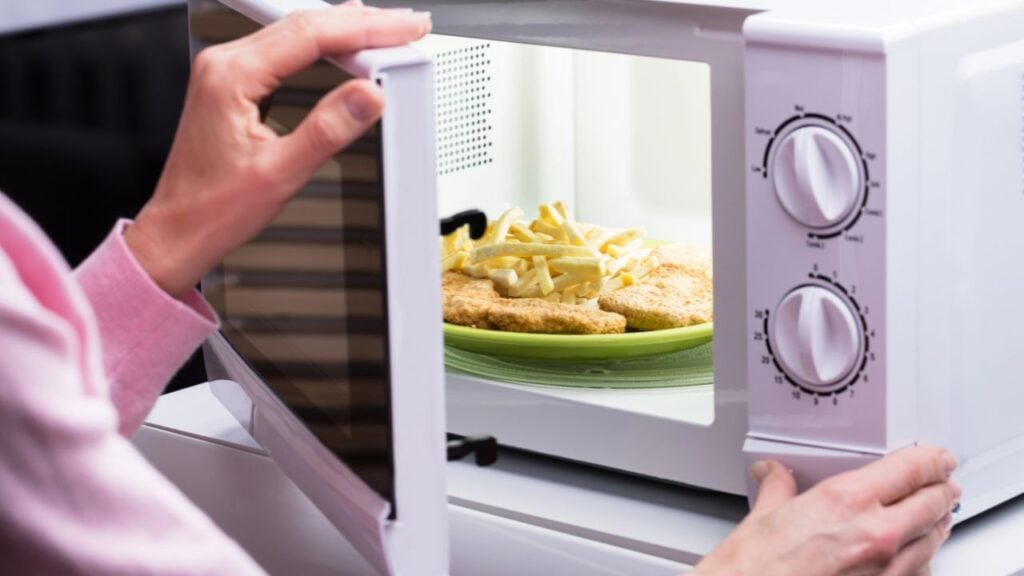
Microwaving Everything Instead of Reheating Properly
The microwave is quick, but it doesn’t always do food justice. Leftovers often come out rubbery, soggy, or unevenly heated.
Certain dishes, like pizza or roasted vegetables, lose their texture entirely. What was once crispy turns limp in seconds.
Using the oven or stovetop may take longer, but it helps keep food closer to its original flavor and texture.
The extra step preserves the meal instead of downgrading it into something disappointing.
Cutting Vegetables Too Far in Advance
Prepping vegetables early sounds efficient. But cutting them hours or even days ahead can cause them to lose freshness and nutrients.
Onions, peppers, and cucumbers may dry out or get watery. Carrots and celery start to lose their crunch.
Even when stored properly, flavor fades the longer cut vegetables sit. This shortcut often works against the goal of making a meal taste vibrant.
Chopping closer to cooking time ensures brighter flavors and better texture.
Relying Too Much on Store-Bought Sauces
Jarred sauces are convenient, but they’re often loaded with extra salt, sugar, and preservatives. While they save time, they can drown out the freshness of a dish.
Homemade sauces don’t have to be complicated. Even simple ones with tomatoes, herbs, and olive oil taste fresher.
The store-bought versions may mask the natural flavor of your main ingredients. Instead of enhancing the meal, they make everything taste the same.
A little effort in sauce-making makes a big difference in the quality of home cooking.
Using Instant Rice for Every Meal
Instant rice is a pantry staple for many, but it doesn’t offer the same flavor or texture as freshly cooked rice. The grains are often softer and less satisfying.
This shortcut is fine in a pinch, but relying on it too much makes meals bland. Real rice absorbs seasonings and broth in a way instant rice can’t.
Cooking rice on the stovetop or in a rice cooker takes more time but delivers better results.
The payoff is fluffier grains and a more flavorful base for meals.
Overcrowding the Pan to Save Time
Many home cooks think piling everything into one pan will cook food faster. In reality, it does the opposite.
When ingredients are crowded, they steam instead of sear. Meat won’t develop a good crust, and vegetables won’t caramelize properly.
This shortcut often results in bland, soggy dishes that lack depth of flavor. A little space in the pan makes a huge difference.
Cooking in batches may take longer, but it ensures better texture and taste.
Using Too Many Seasoning Packets
Pre-mixed seasoning packets seem convenient, but they often contain excess salt, preservatives, and fillers. The flavors are predictable and overpowering.
Instead of enhancing the dish, they can drown out the natural taste of fresh ingredients. Meals end up tasting the same every time.
Making your own spice blends gives you more control and freshness. Even a mix of salt, pepper, and a few dried herbs can beat the packet.
This shortcut saves minutes but takes away uniqueness and quality.
Skipping the Step of Resting Meat
People often slice into meat right after cooking to serve it hot. But skipping the resting period causes juices to run out immediately.
What should’ve been a juicy steak or chicken breast turns dry and tough. The shortcut feels harmless but ruins the texture.
Allowing meat to rest just a few minutes lets the juices redistribute. The difference is noticeable in every bite.
Patience at this stage often turns an ordinary meal into something much better.
Over-Relying on Nonstick Spray
Nonstick spray is convenient, but using too much of it can affect the flavor of food. The coating sometimes leaves a chemical taste.
It also creates a strange texture on baked goods, preventing proper browning. Cookies, cakes, or breads can end up with an odd surface.
Greasing pans with butter or oil may take slightly longer but adds real flavor.
This small swap makes a big difference in how food tastes and looks.
Boiling Pasta in Too Little Water
A smaller pot may seem easier, but pasta needs plenty of water to cook properly. Without it, noodles stick together and cook unevenly.
The starch builds up quickly in a small pot, making pasta gummy instead of tender. Even sauces won’t save it once the texture is off.
Cooking pasta in a larger pot takes just a bit more effort, but the difference is clear. The noodles cook evenly and stay separate.
This one change makes pasta dishes taste cleaner and more satisfying.
Rushing Bread or Dough Rising
Many people want to speed up the process of making bread by cutting the rise time short. The problem is that dough needs time to develop flavor and texture.
If the rise is rushed, bread can come out dense and flat. The shortcut defeats the purpose of baking from scratch.
Letting dough rise slowly, even overnight in the fridge, gives a much better result. The flavor deepens and the texture improves.
Skipping this step may save time, but it leads to disappointing loaves.
Using Canned Vegetables in Place of Fresh
Canned vegetables last longer, but they rarely match the taste and texture of fresh ones. They’re often too soft and sometimes overly salty.
This shortcut can drag down the overall quality of a meal. Instead of bright and crisp, vegetables feel mushy and dull.
Frozen vegetables are a better time-saving option since they’re picked and preserved at peak ripeness.
When possible, using fresh vegetables keeps the flavor and texture closer to what the recipe intended.
Ignoring Proper Preheating
Some cooks toss food into the oven before it’s fully heated, thinking it’ll save time. Unfortunately, this often affects the entire dish.
Without preheating, baked goods like cakes or cookies rise unevenly. Roasted vegetables cook too slowly and miss out on caramelization.
This shortcut creates inconsistency, making meals less appealing in both look and taste.
Taking those few extra minutes to preheat ensures food cooks as it should.
Substituting Margarine for Butter in Baking
Many people grab margarine instead of butter to save a little money or cut calories. The problem is, margarine doesn’t behave the same way in baked goods.
Cookies often spread too much and cakes can lose their rich flavor. The texture becomes greasy rather than tender.
Butter provides structure and taste that margarine can’t fully replace. It makes pastries flaky, breads flavorful, and desserts more satisfying.
This shortcut may seem harmless, but it takes away the quality that makes homemade baking special.
18 Recipes Grandmas Always Took to Church Potlucks

In old-school America, your grandma didn’t need a crown to rule the church potluck. She just needed a slow cooker and a handwritten recipe card.
18 Recipes Grandmas Always Took to Church Potlucks
25 Traditions Young Americans Have No Interest In Keeping Alive

These days, many young people aren’t clinging to the same customs their parents and grandparents swore by.
From hosting formal dinner parties to sending holiday cards, these are the traditions that just don’t feel as relevant anymore.
25 Traditions Young Americans Have No Interest In Keeping Alive
What Decade Were You Really Meant For?
Whether you’re dreaming of bell-bottoms or soda fountains, our Decade DNA Quiz will match you with the decade that fits your personality. No work deadlines here, just a fun escape when you need it most.
Meet Your Match. Discover Your Decade DNA. (Your Vintage Roots Are Showing)