

17 Everyday Items Florida Baby Boomers Grew Up With That Don’t Exist Anymore

Once upon a time, life didn’t come with a charging cord. You turned knobs, dialed phones, and ate food that came out of foil instead of an air fryer.
It was a world powered by elbow grease, Sears catalogs, and whatever was on The Ed Sullivan Show.
These are the everyday items Florida baby boomers grew up with that don’t exist anymore.
Rotary Phones
Before smartphones, there were rotary phones, and dialing a number felt like an Olympic event. The click-click-whirr was the soundtrack of the 1960s household.
If you misdialed, you had to start over, which was fine because nobody was in a rush anyway.
The phone cord stretched across the kitchen like a tripwire, and privacy meant dragging the receiver into the hallway.
You couldn’t text, but you could slam the receiver for dramatic effect.
Kids today will never know the joy of hearing, “Hang up, I need the line.”
Milk Delivery Bottles
Milk didn’t come from Target or Walmart. It came from a guy in a white cap who dropped glass bottles right at your doorstep.
The cream floated to the top, and if it was winter, it froze and popped the lid right off.
Families left empty bottles out with handwritten notes, and nobody worried about anyone stealing them.
The clinking sound of those bottles was basically the morning alarm clock.
Now, you’re lucky if Amazon can find your porch.
TV Antennas and Rabbit Ears
Before Netflix, there was the constant struggle of antenna adjustment. Someone in the family stood next to the TV, holding one rabbit ear higher than the other while everyone yelled, “Stop! Right there!”
Rainstorms meant static, and turning the channel was a family project that involved pliers, hope, and patience.
You might get The Ed Sullivan Show crystal clear one minute and pure snow the next.
When streaming freezes today, at least you don’t have to climb on the roof.
Record Players and Vinyl Cleaners
Putting on a record felt like an event. You’d slide out the sleeve, gently place the vinyl on the turntable, and hope nobody bumped the console mid-song.
Everyone had their favorite LPs: The Beatles, The Supremes, or maybe Fleetwood Mac once the ’70s rolled in.
You cleaned your records with an anti-static brush like they were precious heirlooms.
That first crackle before the music hit? Pure magic.
Spotify might have convenience, but vinyl had soul.
Metal Ice Cube Trays
Before plastic ruled the freezer, there was one mighty object: the metal ice cube tray with the lever handle.
Pull it too hard, and you’d lose skin. Pull it gently, and nothing happened.
It was a battle of strength, patience, and frostbite.
Kids learned cause and effect the hard way when their fingers stuck to metal.
Ice never tasted quite as good after that.
Harvest Gold Tupperware and Avocado Green Everything
If your kitchen wasn’t harvest gold or avocado green, were you even alive in the 1970s?
Tupperware parties were social events. Neighbors compared burping lids the way people compare air fryers today.
Those plastic containers held everything from casseroles to last week’s Jell-O mold.
Half a century later, most of them still work, even if the Jell-O doesn’t.
Sears Catalogs
Before Amazon, there was the Sears catalog. It was part shopping guide, part entertainment, and part wish list.
Kids circled bikes, dolls, and Easy-Bake Ovens. Adults eyed Kenmore appliances and Craftsman tools.
You could order anything: clothes, curtains, even a pre-fab house if you had the patience.
The thrill of a new catalog arriving in the mail made waiting two weeks for delivery feel exciting.
Drive-In Movie Speakers
Drive-ins were magic when baby boomers were kids. You’d hook that clunky metal speaker onto your car window, grab your popcorn, and watch Grease or Jaws under the stars.
Families came in station wagons, teenagers on dates, and nobody cared that the sound crackled.
Sometimes you’d stay for the double feature and fall asleep before it ended.
Today’s car Bluetooth can’t compete with that nostalgia.
Encyclopedia Sets
Before Google, there was World Book Encyclopedia: a row of glossy volumes that made every living room feel smarter.
Writing a school report meant pulling the right letter off the shelf and praying the page on “volcanoes” wasn’t already ripped out.
Parents bragged about owning the complete set, and kids loved flipping through the glossy color maps.
Now, people just say, “Hey Siri,” but it doesn’t feel quite as scholarly.
Ashtrays in Every Room
Every living room once had at least one glass ashtray the size of a salad plate.
They were on coffee tables, nightstands, and the dashboard of the family car.
Smoking was practically a personality trait. Even offices and airplanes had ashtrays built right in.
People collected them from motels and Vegas lounges like they were souvenirs.
Now, the only ashtrays left are in antique malls next to rotary phones.
Typewriters
Typewriters were loud, clunky, and deeply satisfying. That ding at the end of a line was pure dopamine.
You needed real arm strength to get through one essay, and fixing a typo required white-out or starting over.
Writers like Truman Capote and Joan Didion made them look glamorous, but the rest of us just looked sweaty.
No laptop keyboard will ever sound that confident.
Film Cameras and Flash Cubes
Family photos required planning.
You loaded a roll of Kodak film, hoped for the best, and prayed nobody blinked.
Those disposable flash cubes made every living room look like a police interrogation.
After vacation, you dropped off the film at Walgreens and waited a week to see if your shots were even centered.
Now, people delete selfies in seconds, but they’ll never know the thrill of a surprise double exposure.
Clocks That Actually Ticked
The soundtrack of the baby boomer household included the steady tick of a wall clock.
It wasn’t just noise. It was reassurance that time was moving, dinner was cooking, and all was right in the world.
Kids fell asleep to it, adults timed casseroles by it, and nobody needed a phone alarm.
When the batteries ran out, you knew something was missing.
Digital clocks tell time, but ticking clocks told stories.
TV Dinners in Foil Trays
Swanson TV dinners were the future… or so everyone thought.
A compartment for meatloaf, another for mashed potatoes, and a brownie that was somehow still molten after 40 minutes in the oven.
Families ate in front of Bonanza or The Carol Burnett Show, balancing trays on TV tables that wobbled slightly.
Sure, the peas were weirdly firm, but the convenience was revolutionary.
Microwaves may be faster, but they don’t come with that tin-foil charm.
Clotheslines and Clothespins
Before dryers became standard, every backyard had a clothesline stretching from one tree to another.
Monday was laundry day, and the neighborhood smelled like sunshine, Tide, and grass.
Kids ran between sheets pretending they were ghosts, and moms clipped towels with wooden clothespins that lasted forever.
Laundry stiff as cardboard was just part of the deal.
Now “air drying” is a lifestyle trend, but back then, it was just what you did.
Metal Lunchboxes with Thermoses
Forget bento boxes. Baby boomer kids carried metal lunchboxes decorated with The Jetsons, The Lone Ranger, or The Partridge Family.
Each one came with a tiny thermos that always smelled faintly like tomato soup.
They dented easily, clanked loudly, and made peanut butter sandwiches taste like adventure.
Today’s lunch bags may be insulated, but they’ll never be iconic.
Homemade Cassette Tapes
Before playlists, there were mixtapes. These were blank cassettes you filled carefully by recording songs off the radio.
You had to hit “record” at the perfect moment so the DJ didn’t talk over the intro.
A mixtape wasn’t just music; it was an art form, a love letter, or a peace offering.
You learned patience, timing, and how to untangle tape with a pencil.
Streaming may be smarter, but it’ll never be that personal.
15 Timeless 1950s Favorites Baby Boomers Can’t Forget

For many people, the 1950s conjure images of poodle skirts and soda fountains. Whether you lived through this decade or you’ve only heard stories about it, here’s a trip down memory lane about this period of American culture.
15 Timeless 1950s Favorites American Baby Boomers Can’t Forget
11 Ways Kids Passed the Time After School in the 1950s
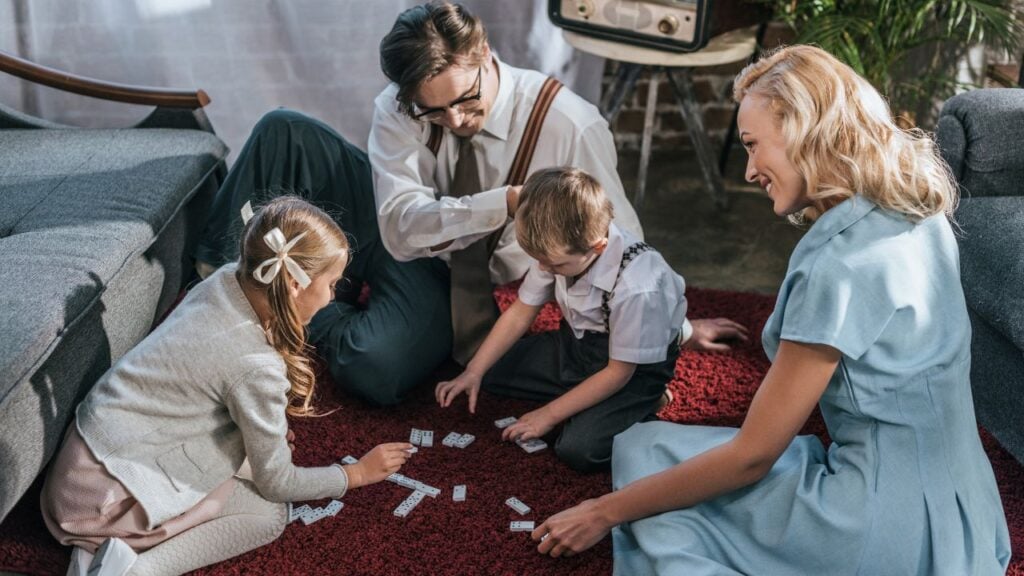
In the ’50s, there were no smartphones to scroll through, no streaming shows waiting to autoplay, and no video games with headsets and online battles.
Kids got a lot more creative when passing the time after school… after doing their homework, of course.
11 Ways Kids Passed the Time After School in the 1950s
Which Classic American Decade Is Totally You?
Take a quick break and discover which classic American era matches your personality and old-school soul. Our Decade DNA Quiz is fast, fun, and full of feel-good retro energy.
Meet Your Match. Discover Your Decade DNA. (Your Vintage Roots Are Showing)

