17 Simple Freedoms Massachusetts Kids No Longer Experience

Childhood used to come with fewer rules and more independence.
You could walk to the store, hang out at the park until dark, and your parents never worried if you didn’t answer your phone… because you didn’t have one.
These days, it’s all scheduled playdates, location sharing, and helicopter parenting. Some changes make sense. But others just make us older folks nostalgic.
Here are the freedoms Massachusetts kids once had that are now mostly gone.
Spending the Day Home Alone (And Loving It)
For latchkey kids especially, staying home alone after school was no big deal. You got your own snack, watched cartoons, and maybe even did your homework… eventually.
It taught responsibility, independence, and how to handle quiet without panicking.
These days, most kids have after-school programs, cameras, or constant check-ins. Leaving a child home alone is often seen as risky, even when they’re old enough to handle it.
What used to be a rite of passage now feels like something you need permission to even suggest.
Walking or Biking Anywhere Without an Adult
There was a time when kids hopped on their bikes and disappeared for hours. They went to school, the store, a friend’s house, or nowhere in particular. No helmet, no phone, no check-ins.
Parents trusted the neighborhood, and kids learned how to navigate it. They figured out shortcuts, safe crossings, and how to handle flat tires without a meltdown.
Today, most kids can’t even walk two blocks alone without raising concern.
What used to be normal now feels like a big decision with a lot of adult supervision.
Playing Outside Until the Streetlights Came On
This was the unofficial curfew for millions of American kids. No one wore a watch. You just knew when the lights buzzed on, it was time to head home.
It gave kids the whole day to explore, wander, and make up games that lasted from lunch to dusk.
Now, outdoor time is often limited to fenced yards or supervised playdates. Schedules have taken over the open-ended freedom that made childhood feel limitless.
And those streetlights? Most kids only notice them from the backseat of a car.
Going to the Park Without a Grown-Up
Back then, kids didn’t need a parent hovering nearby to swing, climb, or build dirt castles. They met up with friends or made new ones on the spot.
Someone brought a tennis ball. Someone else had a bag of chips. And suddenly the afternoon had a purpose.
Today, many parks are nearly empty unless there’s a parent on a bench and a snack bag ready.
Freedom used to be a swing set and a few hours to kill. Now, it’s something kids rarely experience without a chaperone.
Making Plans Without a Parent Involved
Once upon a time, kids didn’t need a calendar or a parent group text to see each other. They just showed up. At a friend’s house, the basketball court, or the corner store.
Plans were spontaneous and usually formed face-to-face or over a landline call.
Now, playdates are scheduled days in advance, often with parents trading notes about times, snacks, and who’s driving.
That casual, drop-in kind of friendship is something many kids today have never experienced.
Riding in the Car Without a Booster Seat
Back then, if you were big enough to see out the window, you were good to go. Seat belts were optional in some cars, and booster seats weren’t part of everyday life after a certain age.
Kids rode in the front seat, stretched out in the back, or even slept on road trip floorboards.
Today, there are height charts, age limits, and safety rules for every stage of childhood.
It’s safer now, no question. But the sense of being a “big kid” in the car came a lot earlier for past generations.
Talking to Strangers Without Setting Off Alarms
Striking up a conversation with someone at the store or the park wasn’t considered dangerous. It was just polite.
Kids were taught to be respectful but not fearful. They could ask for directions, chat with the cashier, or say hello to a neighbor without suspicion.
Today’s kids are often taught to avoid strangers entirely, even in safe public spaces.
While caution makes sense, some of those early social skills have gotten lost in the shift.
Choosing What to Eat Without a Nutrition Lecture
A dollar in your pocket used to mean a candy bar, a soda, or maybe a slice of pizza from the gas station down the road. No questions asked.
There were no gluten-free labels, no sugar limits, and no adult nearby reading ingredients.
Today, snacks come with restrictions, apps, or long explanations. And most kids don’t get to buy junk food without an adult weighing in.
It’s healthier, sure. But it’s also less fun.
Taking the School Bus Without an Adult Standing By
In the past, kids walked to the bus stop alone, waited with friends, and got on without anyone snapping a photo or waving from the sidewalk.
If you missed the bus, you figured it out. If you had a rough ride, you dealt with it.
Today, many parents walk kids to the stop, wait until the bus pulls away, or even follow in the car.
That sense of independence, just getting to and from school without help, is a freedom many kids no longer have.
Exploring Without a GPS Location Tracker
Exploring meant something different when no one knew exactly where you were. You could take a new path, get a little lost, or stumble onto something unexpected.
Parents gave you boundaries and trusted you to stay within them. That was it.
Now, many kids carry phones that track their every move. Apps ping parents when they leave school, get home, or even stop at a store.
It’s safer. But it’s also a lot harder to feel free when someone’s always watching.
Playing Without Constant Supervision
There were no cameras in backyards. No adults sitting ten feet away. No one reminding you to be careful every five minutes.
Kids climbed trees, fell off bikes, and made up games that had questionable rules.
They learned to settle arguments, handle bumps and bruises, and invent their own fun.
Now, most play happens within eyesight of a grown-up. It’s harder for kids to take risks when every move is monitored.
Going Places Without a Cell Phone
Back then, if you left the house, you were unreachable until you came back. No calls. No texts. No location sharing.
It taught kids to pay attention, check in on time, and remember what they were supposed to do.
Today, most kids carry a phone the moment they start going places alone. It’s practical, but it also means they never truly unplug.
That simple freedom of being out in the world without a digital leash is something they’ve never known.
Earning Money Without Paperwork
Back in the day, kids mowed lawns, shoveled snow, babysat neighbors, or sold lemonade. And no one needed a permit or a background check.
You found a way to earn cash, did the job, and maybe spent it all at the arcade.
Today, many of those small jobs come with restrictions, age limits, or so much red tape that it hardly seems worth it.
That early taste of independence through work is harder to come by now.
Watching Whatever Was on TV
You didn’t scroll through endless menus or watch on demand. You turned on the TV and took what you got. Reruns, commercials, and all.
Saturday morning cartoons, sitcom marathons, and whatever was on after dinner gave kids shared cultural moments.
Now, most kids have access to curated content, streaming algorithms, and heavy parental controls.
There’s more choice. But less spontaneity.
Making and Solving Their Own Problems
Disagreements on the playground used to be handled by the kids involved. Maybe it took a few shouts or a soccer ball to the shin, but they worked it out.
Parents didn’t rush in to mediate every squabble. Teachers weren’t expected to step in unless it got serious.
Today, adults often get involved at the first sign of trouble.
While it can help prevent bullying, it also means kids don’t get much practice managing their own conflicts.
Climbing Trees Without Safety Warnings
For generations, climbing trees was just something kids did. You didn’t need permission, a helmet, or a reminder to be careful. You just went for it.
It was part fun, part challenge, and part personal victory if you made it to the top.
These days, climbing anything taller than a jungle gym often gets flagged as dangerous.
Parents worry, parks discourage it, and kids miss out on the thrill of doing something bold all on their own.
Being Bored Without Anyone Fixing It
Before phones, tablets, and constant activities, boredom was a normal part of childhood. You’d lie on the floor, stare at the ceiling, and eventually come up with something to do.
That space created imagination, problem-solving, and the kind of weird little games that became memories.
Today, kids are often entertained instantly, either by screens or by adults jumping in with suggestions.
The freedom to be bored, and to figure it out solo, is one of childhood’s quietest losses.
What Era Matches Your Childhood Spirit?
If you spent your afternoons biking without a helmet, building forts out of scrap wood, or walking to the corner store with spare change in your pocket, your inner child might belong to a different decade than the kids growing up today.
Take our Decade DNA Quiz to find out which classic American decade your personality was meant for.
Meet Your Match. Discover Your Decade DNA. (Your Vintage Roots Are Showing)

19 Gilligan’s Island Facts Even the TV Show’s Biggest Fans Don’t Know
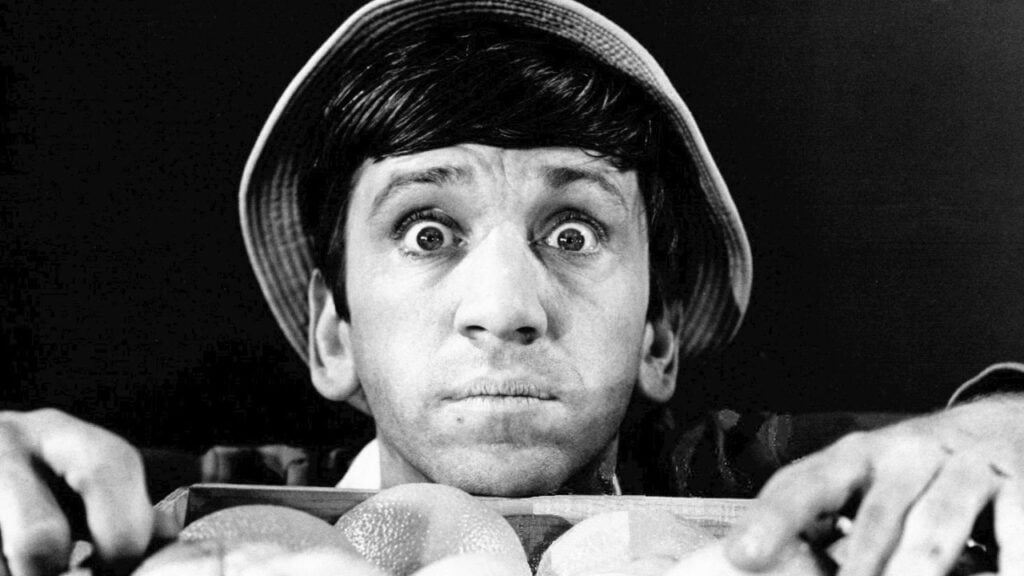
For many Americans, Gilligan’s Island was a silly, beloved sitcom. But as it turns out, this little island paradise was hiding some juicy trivia.
19 Gilligan’s Island Facts Even the TV Show’s Biggest Fans Don’t Know
18 Recipes Grandmas Always Took to Church Potlucks

In old-school America, your grandma didn’t need a crown to rule the church potluck. She just needed a slow cooker and a handwritten recipe card.
18 Recipes Grandmas Always Took to Church Potlucks