
18 Decorating Trends From the ’80s That Quietly Disappeared in New York

In 1980s New York, home décor was all about flair. Floral wallpaper, glass blocks, and ruffled curtains were everywhere.
Bold was the default, and subtlety didn’t stand a chance.
But over time, those loud styles lost their shine and slowly faded from homes across the country. Here are the decorating trends from the ’80s that quietly disappeared.
Pastel Everything
The 1980s loved a soft color palette. Mint green, dusty rose, mauve, and baby blue showed up on everything from walls to furniture.
Bedrooms and bathrooms were often drenched in these colors, sometimes all at once. Even appliances and carpeting followed the pastel trend.
It gave homes a light, airy feel, but also made them look dated fast once the ’90s hit.
Today, most people prefer neutral tones or deeper colors, and pastels have mostly taken a back seat.
Glass Block Walls
Glass blocks were huge in 1980s interior design. People used them to divide rooms, add light to bathrooms, or give entryways a modern twist.
They were seen as a sleek, architectural feature at the time. Some even thought they looked futuristic.
But they didn’t age well. They’re hard to clean, hard to match with modern decor, and take up a lot of space.
These days, most glass block walls have been replaced with open-concept layouts or clear panels.
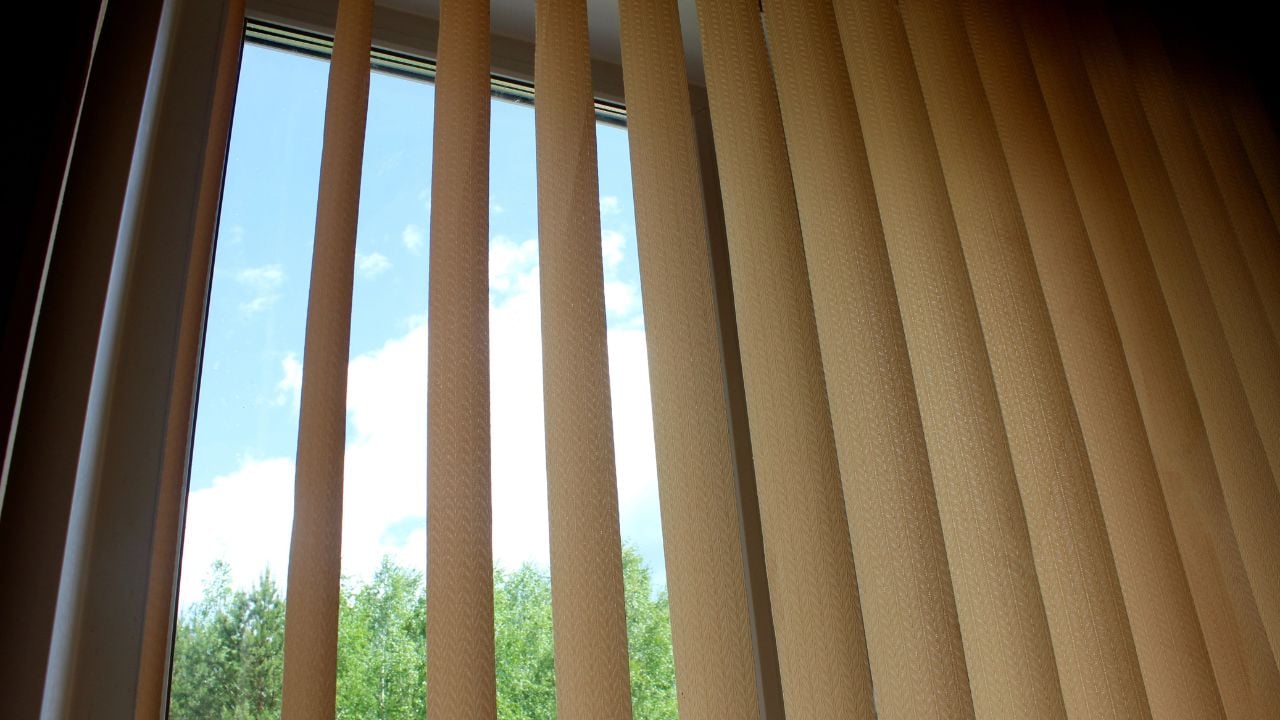
Vertical Blinds on Every Window
If your family installed vertical blinds in the ’80s, you weren’t alone. They were a go-to window treatment for sliding doors and large windows.
People liked that they were modern-looking, low-maintenance, and came in a range of colors. Plus, they felt high-tech compared to drapes.
But they didn’t hold up well. The plastic slats bent, cracked, and made a lot of noise.
Now, most homes opt for simpler curtains, roller shades, or wooden blinds instead.
Mirrored Closet Doors
Mirrored sliding closet doors were everywhere in the ’80s. Bedrooms, hallways, and even guest rooms often had them installed.
They made rooms feel bigger and brighter, which was part of their appeal. They also gave off a certain glam look that fit the decade’s style.
But they weren’t always the safest, especially with kids or pets. And once the mirror started to peel or chip, they looked outdated fast.
Today, most people prefer wood doors or simple sliding panels with a more natural finish.
Popcorn Ceilings
Popcorn ceilings were a staple in 1980s homes. They were quick to apply, covered imperfections, and offered some sound dampening.
Builders loved them because they saved time and money. Homeowners often didn’t question them, as it was just the standard finish.
But over time, they became a cleaning nightmare. Dust clung to the texture, and repairs were nearly impossible to blend.
Now, most people go out of their way to remove popcorn ceilings during renovations.
Wall-to-Wall Carpeting in the Bathroom
It might sound odd today, but carpeted bathrooms were considered cozy in the ’80s. People thought it made the space feel warmer and more luxurious.
But the problems showed up quickly. Moisture, mildew, and stains made cleaning difficult, and smells were hard to get rid of.
Still, it was common in homes across the country, especially in master bathrooms.
Now, hard flooring is the norm, and most buyers see bathroom carpet as a deal-breaker.
Overly Coordinated Bedroom Sets
In the 1980s, matching furniture sets were the sign of a well-put-together bedroom. Everything from the headboard to the nightstand to the dresser came as a complete package.
It looked polished at the time, but it left little room for personality or contrast. Most sets had shiny lacquer finishes and sharp corners.
People were drawn to the convenience and consistency. But eventually, that uniform look started to feel cold and impersonal.
Today, mixing and layering pieces is the preferred approach to bedroom style.
Country Duck Decor
If you remember ducks wearing bonnets or aprons, you lived through peak ’80s country kitchen décor. These little characters showed up on towels, canisters, and curtains.
They were part of a larger trend toward cozy, themed kitchens filled with pastels and gingham patterns.
At the time, it made homes feel cheerful and homey. But the duck phase came and went fast.
Most people retired the look by the mid-1990s, and it’s rarely seen outside of thrift shops now.
Lacquered Furniture
High-gloss lacquered furniture was all the rage in the 1980s. It came in bold colors like black, white, or burgundy and added a slick, modern edge to any room.
The finish made everything look shiny and new, especially under bright lights. It was often paired with chrome or glass accents.
But lacquered pieces scratched easily and showed every fingerprint. Over time, the look felt more flashy than stylish.
Today, matte and natural wood finishes are far more popular.
Bold Geometric Prints
From wallpaper to upholstery, geometric prints were everywhere in ’80s interiors. Triangles, zigzags, and bold stripes filled rooms with movement.
These patterns showed up in every color imaginable, often layered together without much restraint. It was loud and proud.
People loved the energy it brought, but it didn’t age well. It made rooms feel cluttered, even when they weren’t.
Now, most homeowners lean toward simpler patterns and subtle textures.
Brass Fixtures on Everything
In the 1980s, shiny brass was considered the height of style. Faucets, drawer pulls, chandeliers, and even light switch plates were finished in bright gold tones.
It added warmth and shine to homes and was seen as an upgrade from plain chrome or white plastic.
But brass didn’t stay in fashion long. As styles shifted toward silver, nickel, and oil-rubbed bronze, brass looked stuck in the past.
Today, you’ll still find brass, but usually in brushed or antique finishes, not the bright, reflective kind from the ’80s.
Sunken Living Rooms
A few steps down from the rest of the house, sunken living rooms were seen as chic and architectural. They helped define space in open-concept homes.
They often included built-in seating or conversation pits, adding to their visual appeal. It felt modern and a little dramatic.
But they also created safety issues, especially for kids or older adults. And they made rearranging furniture much harder.
Most of these features have been removed or filled in during remodels.
Faux Finish Walls
In the 1980s, faux finishes were a DIY favorite. People used sponges, rags, or brushes to create textured wall effects that mimicked marble, suede, or aged plaster.
These techniques added depth and drama to dining rooms, bathrooms, and hallways. It was all about making a basic wall feel high-end.
But not every attempt turned out as planned. Many looked streaky or messy, and trends shifted toward cleaner wall finishes.
Now, smooth painted walls or subtle wallpaper are much more common.
Plastic Furniture Covers
Many families in the ’80s kept their furniture under thick plastic covers. It was a way to protect investment pieces and keep everything looking new.
You’d hear the crinkle when someone sat down, especially on hot days. It wasn’t the most comfortable setup, but it was practical.
This trend was especially popular in formal living rooms, the kind that were rarely used except for guests.
Today, most people prefer washable slipcovers or performance fabrics that don’t require extra protection.
Shag Carpets in Loud Colors
Shag carpets made a comeback in the late ’70s and carried into the early ’80s. They were thick, plush, and came in every shade from avocado green to deep orange.
Kids loved to lie on them, and adults appreciated the cozy feel underfoot. Some rooms even had wall-to-wall shag for maximum softness.
But vacuuming was a pain, and spills were nearly impossible to clean. The longer the fibers, the worse the problem.
Now, shorter-pile carpets and hard flooring are far more common.
Wallpaper Borders
Wallpaper borders were a subtle but popular feature in the ’80s. They ran along the top edge of a wall and often featured floral, fruit, or country themes.
They were a quick way to add a decorative touch without covering the whole wall. Kitchens, bathrooms, and kids’ rooms often had them.
But as styles became more streamlined, borders started to look busy and outdated.
Today, most people remove them as part of any serious room update.
Track Lighting in Every Room
Track lighting was a hallmark of 1980s modern style. Long metal rails with adjustable spotlights gave people the flexibility to aim light where they wanted it.
At the time, it felt futuristic and practical. It was especially common in kitchens, hallways, and even bedrooms.
But the bulky hardware and visible wiring didn’t age well. Over time, it started to feel clunky instead of sleek.
Today, recessed lighting, pendants, and sconces have mostly replaced it in modern home design.
Frilly Window Valances
In the 1980s, it wasn’t enough to just have curtains, your windows needed a valance, too. These fabric toppers added a decorative flourish and often matched bedding or upholstery.
Ruffled or pleated, they came in pastel florals, gingham prints, or lace. People loved how it made a room feel dressed up.
But the look was hard to keep clean and started to feel dated by the late ’90s. Many valances were taken down and never replaced.
Now, simpler window treatments like Roman shades or linen panels are the preferred choice.
Think You Belong in a Different Decade?
From big bands to big hair, our playful Decade DNA Quiz reveals which classic American era fits your personality best. It’s fast, fun, and full of vintage flair.
Meet Your Match. Discover Your Decade DNA. (Your Vintage Roots Are Showing)

17 Decor Items That’ll Make Your Home Look Cheap

No one wants to hear their home looks cheap. But sometimes, a cheap-looking home doesn’t reflect what you spent on it. It reflects the decor you chose.
17 Decor Items That’ll Make Your Home Look Cheap
Remember When Everything Had Color? These 18 Things Definitely Did
There was a time when even the most ordinary things were bursting with color.
But now?
We’ve swapped charm for minimalism, and for some reason, we all agreed to pretend it’s better. Here are some everyday things that used to be colorful but aren’t anymore.
Remember When Everything Had Color? These 18 Things Definitely Did

