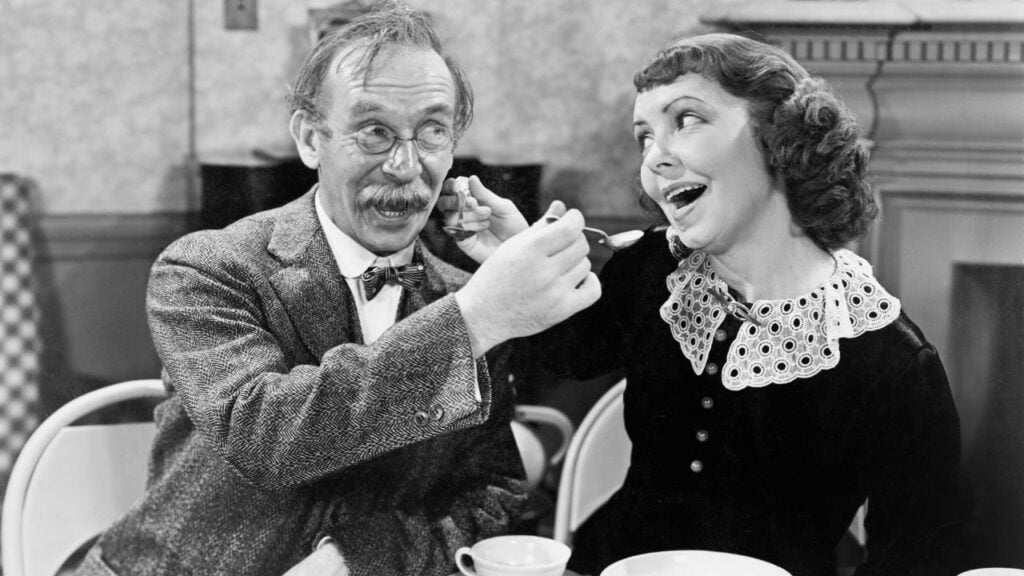
18 Foods Georgians Loved in the ’50s But Wouldn’t Touch Today

Georgians in the 1950s embraced food fads that feel almost unthinkable now.
The postwar boom brought canned goods, gelatin molds, and frozen dinners into nearly every household.
At the time, these dishes symbolized progress and modern living. Today, they’re remembered more for being bizarre than appetizing.
Jell-O Salads with Meat and Vegetables
In the 1950s, Jell-O was used for much more than sweet desserts. Cooks combined it with tuna, ham, or even shredded vegetables to create colorful “salads.”
At the time, it looked modern and impressive, especially when served in fancy molds. Families saw it as a sign of creativity and hospitality.
Today, the idea of mixing meat or vegetables into gelatin makes most people cringe. The texture alone is enough to turn stomachs.
What once felt like a showpiece dish is now a recipe that’s more of a curiosity than a craving.
Canned Vienna Sausages
These tiny sausages were a pantry staple in the 1950s. They were cheap, easy to store, and simple to serve as snacks or in casseroles.
Families kept them on hand for quick meals, and kids often ate them straight from the can.
Modern eaters aren’t so quick to embrace them. The mushy texture and salty flavor don’t hold up against today’s fresh options.
They remain on shelves, but most people now view them as outdated rather than appealing.
Aspic Dishes
Aspic, or savory gelatin made from meat stock, was once considered elegant. Hostesses molded it around vegetables, eggs, or seafood to impress guests.
In the 1950s, it was featured in cookbooks and seen as a high-class dish. The shimmering presentation made it feel fancy at the time.
These days, few people would touch it. The idea of cold meat jelly has lost its appeal completely.
It’s a food trend that has all but disappeared from modern tables.
Canned Creamed Corn
Canned vegetables were huge in the 1950s, and creamed corn was one of the most popular. It was easy to prepare and often served as a comforting side dish.
Families liked that it stretched meals and paired well with casseroles and meatloaf.
Today, many see it as overly processed and unappetizing compared to fresh or frozen corn. The mushy consistency turns off modern eaters.
It’s a reminder of how much food preferences have shifted toward fresher, more natural ingredients.
Cabbage Casseroles
Casseroles were a centerpiece of ’50s cooking, and cabbage often starred in these dishes. Recipes mixed it with canned soup, breadcrumbs, and ground meat for a hearty family meal.
At the time, it was praised as practical and filling. It stretched ingredients and worked well for large families.
Today, though, the heavy smell and soggy texture make it unappealing to most. Fresh vegetable dishes have taken its place.
What was once comfort food is now remembered as outdated and unappetizing.
Liver and Onions
Liver was seen as a nutritious, affordable protein source in the 1950s. Families served it fried with onions as a standard dinner option.
Parents encouraged kids to eat it for the iron and vitamins, believing it was essential for health.
Modern eaters often avoid it because of the strong flavor and chewy texture. It’s no longer seen as a family-friendly dish.
While some still enjoy it, liver and onions have largely fallen off American menus.
Spam-Based Recipes
Spam was everywhere in the 1950s. It was cheap, easy to cook, and featured in countless cookbooks of the era. People used it in sandwiches, casseroles, and even as a meat substitute for roasts.
Back then, it represented convenience and creativity in the kitchen.
Now, most people associate it with being overly processed. The flavor and texture aren’t appealing to modern tastes.
It remains nostalgic for some, but few households rely on it the way families once did.
Deviled Ham Spread
Deviled ham spread, often sold in small cans, was a popular snack in the 1950s. It was spread on crackers or sandwiches for quick meals.
Families liked that it was affordable and lasted a long time in the pantry. It was marketed as a protein-rich convenience food.
Today, the overly salty flavor and pasty texture don’t attract many fans. Most people skip it in favor of fresh deli meats.
It’s one of those foods that shows how much convenience once outweighed taste.
Gelatin Molded Salads with Cottage Cheese
In the 1950s, gelatin molds weren’t just for desserts. Home cooks often layered them with cottage cheese, vegetables, and sometimes even fruit for what was considered a creative side dish.
At the time, these molds were seen as stylish centerpieces for parties and family gatherings. They were brightly colored, wobbly, and eye-catching.
Modern eaters aren’t as impressed. The texture combination of jiggly gelatin and creamy cheese is unappealing to most people today.
What once looked elegant now seems strange and unappetizing.
Chicken à la King
Chicken à la King was a standard dish in the 1950s. It combined chicken, cream sauce, and vegetables, often served over toast or rice.
Back then, it was considered fancy home cooking and appeared frequently at dinner parties.
Today, many people find it too heavy and bland compared to modern meals. Creamy sauces have fallen out of favor for lighter, fresher flavors.
It’s now remembered as a relic of mid-century dining rather than a must-have dish.
Ambrosia Salad
Ambrosia salad, made with canned fruit, marshmallows, and whipped cream, was a staple on many ’50s tables. Families proudly served it at picnics, holidays, and potlucks.
It was colorful, sweet, and easy to prepare, which made it popular for gatherings.
Modern palates often find it too sugary and artificial. The combination of fruit and marshmallows feels more like a dessert gone wrong than a side dish.
While it lingers in some nostalgic kitchens, most people today wouldn’t touch it.
Canned Tuna Noodle Casserole
Tuna noodle casserole became one of the ultimate convenience meals in the 1950s. Families combined canned tuna, condensed soup, and noodles into one dish.
It was affordable, filling, and easy to make, which made it appealing in busy households.
Today, it’s seen as bland and overly processed. The heavy reliance on canned ingredients doesn’t sit well with modern tastes.
What was once a go-to dinner now feels outdated and unappetizing.
Canned Fruit Cocktail
In the 1950s, canned fruit cocktail was considered a treat. It often showed up at family dinners, potlucks, and even school lunches.
The mix of peaches, pears, cherries, and grapes in syrup was marketed as modern convenience. Families loved how easy it was to open a can and serve.
Today, the overly sweet syrup and mushy texture make it less appealing. Fresh fruit has taken its place on most tables.
What was once a staple dessert now feels artificial and outdated.
Salisbury Steak TV Dinners
Frozen TV dinners exploded in popularity in the 1950s, and Salisbury steak was one of the most common meals. Served with mashed potatoes and vegetables, it represented modern dining.
Families saw it as exciting to eat dinner from a tray while watching television. It felt futuristic at the time.
Now, most people see it as processed and unappetizing. The meat often had a rubbery texture that hasn’t aged well.
It’s a reminder of how novelty sometimes mattered more than taste.
Pineapple and Ham Loaf
Pineapple was considered exotic in the 1950s, and cooks paired it with ham in loaf form for a dish that seemed sophisticated.
The sweet and savory mix was popular at holiday gatherings and dinner parties. People thought it looked fancy on the table.
Today, the idea of blending ham with pineapple into a molded loaf feels odd. Modern diners usually prefer fresh, separate flavors.
It’s one of those mid-century creations that has lost nearly all appeal.
Creamed Chipped Beef on Toast
Known as “SOS” by many, creamed chipped beef on toast was a cheap, filling dish served in homes and cafeterias. It used dried beef in a thick white sauce poured over bread.
In the 1950s, it was considered practical and comforting, especially for budget-conscious families.
Now, the heavy, salty sauce and lack of freshness turn most people away. It’s rarely found outside of nostalgic cookbooks.
What was once an everyday meal is now something most wouldn’t even consider eating.
Perfection Salad
Perfection Salad was a popular 1950s recipe made of shredded vegetables suspended in lemon-flavored gelatin. It often appeared in women’s magazines and cookbooks of the era.
It was praised for being colorful, firm enough to slice, and easy to serve at luncheons. Many homemakers considered it an elegant dish.
Today, the thought of crunchy vegetables trapped in gelatin is unappetizing. Modern tastes lean toward fresh salads without gimmicks.
What once seemed innovative is now remembered as an odd food experiment.
Canned Salmon Loaf
Canned salmon was cheap and widely available in the 1950s, and turning it into a baked loaf was a common dinner solution.
It was often mixed with breadcrumbs, eggs, and seasonings, then baked like meatloaf. Families thought of it as nutritious and budget-friendly.
Modern diners usually prefer fresh salmon or other lighter seafood preparations. The loaf’s dense texture doesn’t appeal to today’s tastes.
It’s one of those recipes that feels stuck in the past.
15 Timeless 1950s Favorites Baby Boomers Can’t Forget

For many people, the 1950s conjure images of poodle skirts and soda fountains. Whether you lived through this decade or you’ve only heard stories about it, here’s a trip down memory lane about this period of American culture.
15 Timeless 1950s Favorites American Baby Boomers Can’t Forget
The 10 Most Missed 1950s Fashion Trends by America’s Older Generation

When it comes to fashion, some things never really go out of style; they just wait patiently for their big comeback.
And if you ask a lot of older Americans, they’ll tell you the 1950s had some of the coolest clothes ever.
The 10 Most Missed 1950s Fashion Trends by America’s Older Generation
Think You Belong in a Different Decade?
From big bands to big hair, our playful Decade DNA Quiz reveals which classic American era fits your personality best. It’s fast, fun, and full of vintage flair.
Meet Your Match. Discover Your Decade DNA. (Your Vintage Roots Are Showing)