

18 Frugal Habits That Secretly Make Hoosiers Look Cheap Without Them Knowing

Frugality is a point of pride for some Hoosiers. But not every money-saving habit is as harmless as it seems.
Some can make others see you as cheap, even if you’re not.
These are the little behaviors that may save a few dollars now but could cost you in reputation later.
No judgment here. We’re all on board with whether being cheap is a characteristic you want to embrace or reject.
Taking All the Freebies
Grabbing free samples, promotional items, or extra condiments at restaurants can seem like scoring big. But taking more than you need can make you look cheap, not to mention greedy.
Vendors and businesses notice when someone loads up beyond what’s reasonable.
Being selective shows you appreciate the offer without exploiting it. It also leaves enough for others who want to enjoy the same perk.
Moderation keeps the gesture of accepting something free from crossing into looking cheap.
Leaving a Minimal Tip
Tipping far below the norm, even for decent service, sends a message that you value saving money over showing appreciation.
Many service workers in the U.S. rely on tips for a significant portion of their income.
Leaving just the bare minimum can make you appear stingy rather than savvy.
Even small increases in your tip can make a big difference in the life of your server.
Bringing Your Own Food to Restaurants
Packing snacks for a road trip makes sense. But bringing your own meal into a restaurant can give the impression that you’re avoiding paying for their food.
In most cases, it’s against house policy.
It can also make staff feel uncomfortable when you bypass the menu entirely.
Should they say something about said house policy or keep the peace by staying quiet?
If you have dietary restrictions, calling ahead for accommodations is a better approach. This keeps your needs met without sending a “cheap” message.
Reusing Single-Use Items Past Their Lifespan
Washing and reusing items like paper plates, disposable cutlery, or takeout containers can save a little money. But when they’re clearly worn out, it can make you seem unwilling to replace basic necessities.
Investing in durable, reusable alternatives is more practical and avoids that worn-out look.
This way, you still save money without appearing overly frugal.
Small upgrades can keep your efforts to cut waste from looking like extreme penny-pinching.
Splitting Hairs Over a Few Cents
Questioning every small price difference can make you seem overly fixated on money.
While it’s smart to notice overcharges, repeatedly challenging minor amounts can overshadow your good intentions.
Most people won’t fault you for wanting accuracy. But when you pick fights over minor price differences repeatedly in front of the same people, choosing your battles helps you protect both your wallet and your reputation.
Sometimes letting the smallest discrepancies go can be the more graceful move.
Only Ordering Water at Social Meals
Opting for water instead of a drink can be a healthy and money-saving choice.
But when you do it every time while others are ordering full meals and beverages, it can send the signal that you’re avoiding spending at all costs.
Restaurants rely on drink sales, and servers may notice when you never go beyond the cheapest option.
Occasionally ordering something extra can balance frugality with generosity.
This helps keep group outings enjoyable for everyone involved.
Hoarding Coupons You Never Use
Collecting coupons is a classic way to save. But hanging on to piles of them that expire before you use them can look more like hoarding than smart shopping.
Organizing and using coupons promptly shows you’re intentional rather than obsessive.
Discarding outdated coupons keeps your collection manageable and your habit purposeful.
Skipping Your Share in Group Gifts
When a friend or coworker organizes a group gift, opting out to save money can make you seem cheap.
Even small contributions can show you care.
Skipping entirely may save a few dollars, but it can hurt relationships over time.
Offering what you can, even if modest, still helps you be part of the gesture.
It is an easy way to avoid the appearance of being frugal to a fault.
Avoiding Your Turn to Host
Saving money by never hosting friends or family might seem harmless, but it can make others feel like you aren’t willing to reciprocate.
Hosting occasionally shows you value the relationship as much as they do.
It doesn’t have to be elaborate. A simple meal or casual gathering is usually more than enough. The gesture is what people remember most.
Rotating responsibilities helps keep friendships balanced and avoids the perception of taking advantage.
Taking Leftovers You Didn’t Pay For
Bringing home leftovers from your own meal makes perfect sense.
But claiming food from someone else’s plate or from an event you didn’t contribute to can raise eyebrows.
It comes across as opportunistic rather than resourceful.
If offered, it’s perfectly fine to accept modestly. But taking without being invited sends the wrong message.
Always Borrowing Instead of Buying
Borrowing tools, kitchen gadgets, or clothing for special occasions can be practical.
But when it becomes your default instead of buying what you use regularly, it can start to feel one-sided.
Friends and neighbors may notice if you rarely return the favor or invest in your own items. Purchasing key essentials shows you value others’ generosity without over-relying on it.
And, of course, once you’re the owner of your new items, you should be open to letting people borrow them in moderation too.
Overly Public Price Comparisons
Announcing that you found the same item cheaper elsewhere will save you money. But depending on your tone, it can make others uncomfortable.
It can feel like you’re constantly trying to prove you spent less than everyone else.
Discreetly seeking out better prices is perfectly fine, but making it a point in every conversation can shift the focus away from the moment.
Sometimes keeping your savings to yourself is the more gracious—and non-cheap-looking—choice.
Refilling Single-Serve Packets in Public
Refilling ketchup packets, sugar packets, or other single-serve items from restaurants or cafés can seem like a clever money saver.
But doing it openly can come across as taking advantage of a business’s generosity.
If you want to stock up, buying a full container for home use is a better choice.
It keeps your frugality private and avoids the impression of being overly cheap.
Wearing Worn-Out Clothing to Formal Events
Saving money by keeping clothes until they are threadbare is totally fine for around the house.
But wearing visibly faded or damaged clothing to weddings, graduations, or other formal occasions can send the wrong message.
Investing in one or two versatile, higher-quality outfits ensures you’re ready for important events.
It shows respect for the occasion without overspending.
Avoiding Necessary Repairs Until the Last Minute
Delaying repairs to save money may seem smart in the short term.
But letting a car, appliance, or even shoes fall into disrepair can make you appear careless rather than thrifty.
Taking care of issues promptly often costs less in the long run and keeps you looking responsible.
It’s one area where spending a little now can save you from bigger problems later.
Skimping Too Much on Gifts
Choosing the absolute cheapest option for birthdays, weddings, and holidays can make the gesture feel less meaningful.
The value isn’t just in the price, but in the thought behind it.
A small but thoughtful gift can often make a bigger impression than something obviously bought for the lowest cost.
Skipping Basic Personal Upkeep to Save Money
Cutting back on haircuts, dental visits, or other personal care will save you money in the short term. But it can send the signal that you’re avoiding necessary upkeep.
People tend to notice when these things are put off for too long.
Finding affordable options or spacing out appointments is better—and, in some cases, healthier—than skipping them entirely.
Claiming “Forgotten” Contributions
Offering to pitch in for shared expenses but then letting others cover the cost can quickly damage your reputation.
It might be framed as an oversight, but repeating the habit makes it look intentional.
Setting reminders or paying ahead of time ensures you’re seen as reliable.
This keeps your frugality from crossing into being perceived as inconsiderate.
20 Nostalgic Things Americans Could Buy for Under $1 Back in the Day
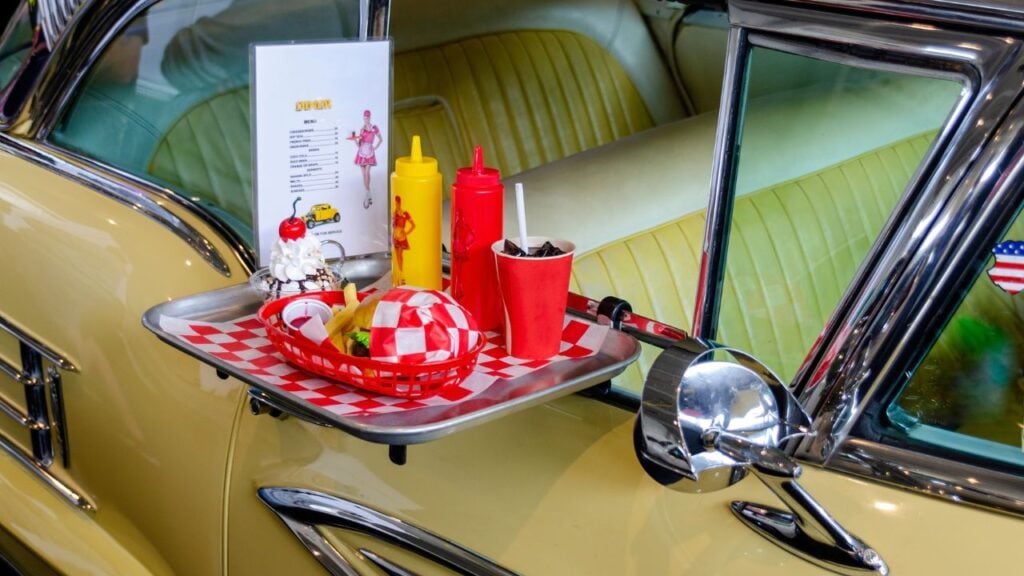
It’s hard to believe now, but there was a time when $1 could buy something meaningful.
Let’s take a trip back to the days when Americans’ pockets didn’t need much cash to bring home something fun, useful, or just plain delicious.
20 Nostalgic Things Americans Could Buy for Under $1 Back in the Day
18 Recipes Grandmas Always Took to Church Potlucks

In old-school America, your grandma didn’t need a crown to rule the church potluck. She just needed a slow cooker and a handwritten recipe card.
18 Recipes Grandmas Always Took to Church Potlucks
What Decade Were You Really Meant For?
Whether you’re dreaming of bell-bottoms or soda fountains, our Decade DNA Quiz will match you with the decade that fits your personality. No work deadlines here, just a fun escape when you need it most.
Meet Your Match. Discover Your Decade DNA. (Your Vintage Roots Are Showing)


