
18 Inventions That Made Life Easier for South Carolinians But Ruined Patience

Convenience is a double-edged sword. The gadgets and services that make life easier also make us far less willing to wait for anything.
South Carolinians used to tolerate delays. Today, if something takes longer than a minute, we sigh like it’s the biggest hardship of the week.
Here are the inventions that reshaped daily life and completely rewired our sense of patience.
The Microwave Oven
When the microwave hit kitchens, it completely changed how people thought about meals.
Cooking that once took hours could be done in minutes. Families no longer had to wait for the oven to preheat or the pot to simmer.
The convenience was undeniable, but it made people less willing to spend time cooking. Meals that took patience, like stews or roasts, became less common.
Instead of enjoying the process, people came to expect food instantly. Waiting even 15 minutes started to feel too long.
Online Shopping
Ordering from home took away the need to drive to a store or wait in line. With a few clicks, products could be shipped right to the doorstep. Shopping became faster, easier, and less stressful.
The catch was what it did to expectations. People began to want everything on demand. Waiting a week for delivery soon felt unreasonable.
Companies adapted with two-day and even same-day shipping. The faster it became, the less patience people had for delays.
Online shopping created incredible convenience, but it also erased the ability to wait.
Drive-Thru Service
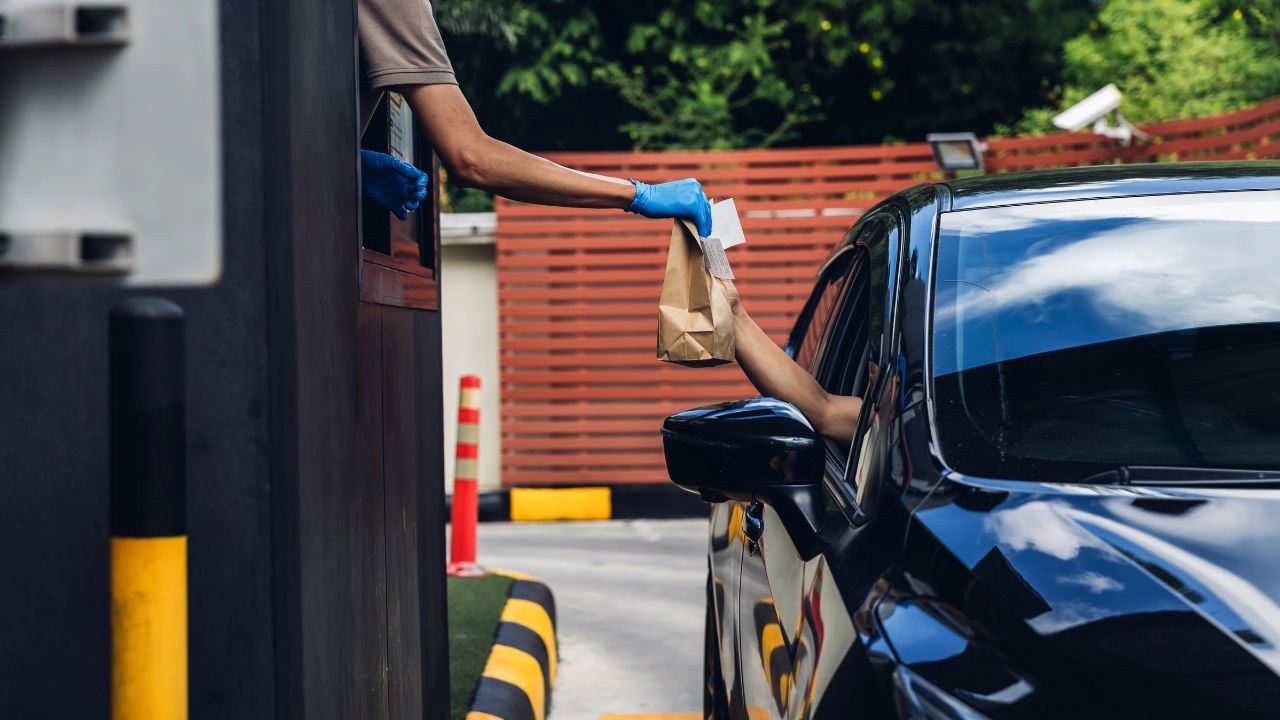
Fast food became even faster once drive-thrus appeared. People could order, pay, and pick up meals without leaving their cars. The idea spread quickly and changed how families ate on busy nights.
The speed was unmatched. Instead of waiting for a table, food came within minutes. People got used to the rhythm and began to expect it everywhere.
Over time, patience for sit-down meals dwindled. Restaurants that took too long felt like an inconvenience.
What started as a helpful service reshaped how people viewed eating out.
Streaming Services
Streaming put entire libraries of movies and shows at people’s fingertips. No more waiting for a program to air or rushing to return a rented DVD. Entertainment became instant.
The ease of choice came with impatience. Sitting through commercials or waiting for a new episode started to feel unbearable. People wanted everything right away.
Binge-watching became normal because the next episode was always ready. Waiting a week for the story to continue no longer made sense.
Streaming solved one problem but left people with less tolerance for any kind of delay.
Instant Messaging
When instant messaging appeared, it replaced slow phone calls and even slower letters. Friends and coworkers could connect within seconds, no matter the distance.
The convenience set new expectations. People started to want immediate responses, even for casual chats.
Delays of a few minutes could feel like being ignored. The idea of waiting days for a reply became unimaginable.
What started as a way to bring people closer ended up shrinking patience for communication.
GPS Navigation
Paper maps once required careful planning and patience to follow. GPS changed that completely by giving turn-by-turn directions instantly.
Drivers no longer had to stop and check a route. The device recalculated automatically, saving time and frustration.
The downside was that people lost patience for being lost at all. Even short detours or missed turns felt frustrating.
GPS made travel easier but created an expectation that answers should always come instantly.
Credit Cards
Credit cards made it possible to buy things instantly without waiting to save cash. Purchases that once required planning could be made in seconds.
The convenience encouraged a “buy now, deal with it later” mindset. Patience for saving slowly faded.
People began to expect quick approval and instant payment everywhere they went. Waiting for checks to clear felt outdated.
This tool reshaped spending habits while weakening the value of waiting for what you want.
Elevators
Before elevators, climbing stairs was the only option. The invention made tall buildings practical and daily life more efficient.
With the push of a button, people could reach the top in seconds. Over time, it became an expectation rather than a luxury.
Patience for stairs nearly disappeared. Even going up one or two floors feels like a chore when an elevator is nearby.
The technology solved a real problem, but it also left people less tolerant of effort.
Remote Controls
Remote controls gave people the power to switch channels, adjust volume, or change inputs without leaving the couch. It revolutionized television habits.
Once it became normal, the idea of standing up to change the channel felt ridiculous. Patience for manual adjustments vanished.
The invention also fueled constant flipping. People grew restless watching commercials or programs they weren’t fully engaged in.
The remote made life easier but chipped away at the ability to sit still.
Coffee Pods
Single-serve coffee machines turned a morning routine into a one-minute task. No grinding beans, measuring scoops, or waiting for a full pot to brew.
The speed set a new standard. Even a five-minute wait for drip coffee started to feel slow.
The habit shifted expectations outside the home too. People began to want their coffee instantly at cafés and drive-thrus.
Convenience came first, but it also erased the patience once tied to a slower ritual.
Automatic Doors
Automatic doors opened with a simple step forward, removing the need to pull or push. It made stores more accessible and easier for people carrying bags.
The simplicity changed expectations. Struggling with a heavy door suddenly felt like an inconvenience.
Shoppers grew used to the effort-free entry and impatient when it wasn’t available.
A small invention reshaped how people approached even the most basic daily task.
Text Messaging
Texting gave people a way to send a message instantly without making a call. It fit perfectly into busy lives and quickly became the main way to communicate.
The convenience created a new pressure. People began to expect replies within minutes, not hours.
A delayed response often feels like being ignored, even when it is not intentional.
Texting solved the need for quick contact but shortened patience for slower forms of communication.
Online Banking
Online banking made it possible to check balances, transfer money, and pay bills in seconds. The days of standing in line at a branch or mailing checks started to fade.
The convenience reset expectations. People began to expect access to their money at all times.
Waiting for transactions to clear or deposits to post became harder to accept.
What once felt normal now feels like a frustrating delay.
Escalators
Escalators turned climbing stairs into a moving ride. Shoppers and travelers could reach higher levels without breaking a sweat.
The invention made malls, airports, and subway stations more efficient. People quickly grew used to the effortless lift.
As a result, patience for stairs dwindled. Even short climbs now feel like extra work.
The escalator solved a problem but encouraged restlessness with slower options.
Food Delivery Apps
Ordering food was once a process of calling a restaurant and waiting. Delivery apps cut out the hassle and offered dozens of choices instantly.
The ease of tapping a screen made waiting for meals feel longer than ever. People tracked drivers minute by minute, expecting real-time updates.
Even a short delay sparked irritation, something that rarely happened in the past.
The apps gave unmatched convenience but shrank patience for traditional dining.
ATMs
ATMs changed banking by giving instant access to cash without visiting a teller. A quick card swipe replaced long waits inside the branch.
The speed set a new expectation. Standing in line for a bank clerk started to feel unnecessary.
Over time, people grew impatient even with the ATM itself if it was slow or had a line.
The invention made money more accessible but left people less tolerant of delays.
Dishwashers
Dishwashers saved countless hours of scrubbing dishes. Families could load up the machine and walk away, letting technology do the work.
The shift reduced patience for hand-washing even a few items. Waiting for the cycle to finish sometimes feels irritating, despite the convenience.
People grew so used to the appliance that living without one feels like a burden.
This time-saving tool quietly erased the willingness to do small chores by hand.
Email replaced letters and sped communication from days to seconds. Work, school, and personal life all changed with a faster way to connect.
The invention created pressure for quick responses. A delay of hours or days feels slow, even if it was once the norm.
The constant flow of messages also left people restless, checking inboxes throughout the day.
Email solved the problem of distance but shortened patience for waiting on replies.
17 Life Hacks That Are Harder Than the Non-Hack

Life hacks are supposed to make your life easier, and sometimes they really do. However, the internet is rife with hacks that aren’t actually effective.
17 Life Hacks That Are Harder Than the Non-Hack
17 Decor Items That’ll Make Your Home Look Cheap

No one wants to hear their home looks cheap. But sometimes, a cheap-looking home doesn’t reflect what you spent on it. It reflects the decor you chose.
17 Decor Items That’ll Make Your Home Look Cheap
Think You Belong in a Different Decade?
From big bands to big hair, our playful Decade DNA Quiz reveals which classic American era fits your personality best. It’s fast, fun, and full of vintage flair.
Meet Your Match. Discover Your Decade DNA. (Your Vintage Roots Are Showing)


