18 Mistakes Californians Make at the Farmers’ Market Without Realizing It

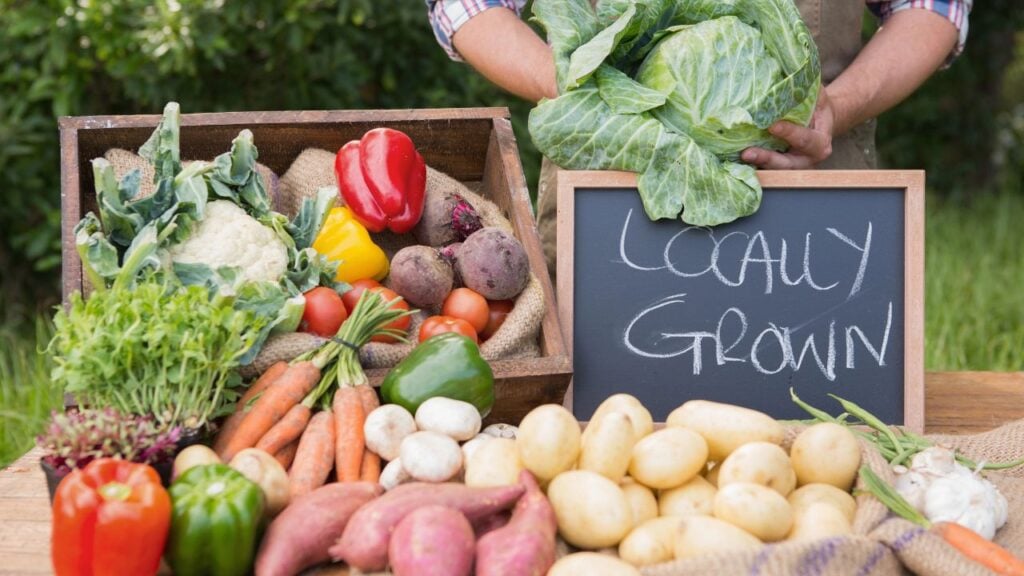
California is known for its colorful farmers’ markets, where tables overflow with fresh fruits, vegetables, and artisanal treats.
Yet even in this inviting environment, there are common missteps that can affect the experience.
From how you shop to how you interact with vendors, here are some of the biggest farmers’ market mistakes Californians make.
Arriving Right Before Closing
Many farmers’ market goers head to the market in the final hour, hoping for discounts.
While some vendors lower prices, the trade-off is there may be fewer choices and products that might not be at their peak.
By the end of the day, the most popular items are often gone. You might miss out on seasonal specialties or fresh-picked produce.
Arriving earlier gives you a better selection and time to compare stands.
It also lets you enjoy the market at a leisurely pace before things start winding down.
Touching Produce Without Asking
It’s tempting to pick up a tomato or feel the firmness of a peach.
But delicate produce can bruise easily, especially when it’s perfectly ripe.
Vendors spend time arranging their displays, and too much handling can make items less appealing.
Many sellers are happy to help you find exactly what you want if you ask first.
A quick “Can I check this one?” shows respect and helps keep everything looking in tip-top shape for the next shopper.
Ignoring Seasonal Offerings
Farmers’ markets usually focus on what is fresh locally, which changes throughout the year.
Some shoppers are surprised when they can’t find certain items every week.
Seasonal produce often tastes better and can be more affordable than out-of-season options.
Choosing what is at its peak supports local growers and keeps your meals varied.
If you are unsure what’s in season, vendors can point you toward the best picks of the week.
Forgetting to Bring Cash
Many vendors accept cards, but some still prefer cash for smaller purchases.
Not having it can mean missing out on unique items from cash-only stands.
Bringing small bills makes buying easier for you and for vendors, who may have limited change.
It also speeds up transactions so you can move through the market smoothly.
A little preparation before you leave home helps you avoid ATM stops and enjoy the day without interruptions.
Blocking Booth Entrances
It’s easy to get caught up in conversation or browsing and accidentally stand in front of a vendor’s table.
This can make it harder for other shoppers to see what’s being offered.
Vendors rely on steady foot traffic, and blocking the entrance can discourage potential customers.
Stepping aside once you have made your choice keeps the flow moving and improves the vendors’ chances of making sales.
Sampling Without Intention of Buying
Tasting samples is part of the fun at farmers’ markets. But taking them without any intention of purchasing can frustrate vendors.
Offering samples costs them time and money.
If you enjoy what you tried, even a small purchase shows appreciation.
And if you’re not ready to buy, a polite “thank you” goes a long way rather than ducking out.
Remember that samples are meant to introduce products, not replace a meal.
Haggling Too Aggressively
Some shoppers treat farmers’ markets like flea markets, expecting to negotiate every price.
While occasional discounts happen, most vendors set fair prices based on the cost of growing and selling their goods.
Overly aggressive bargaining can come across as disrespectful. Asking politely if there are specials or bulk discounts is a better approach.
Supporting local growers means valuing the effort behind every item on the table.
Only Visiting Your Usual Stalls
It’s easy to fall into a routine of visiting the same farmers’ market vendors each week.
While loyalty is great, it can mean missing out on new products and seasonal specialties. Exploring other booths can lead to discovering fresh flavors or unique handmade items.
It also spreads your support across more local sellers.
Mixing up your stops keeps your market visits exciting and varied.
Forgetting Reusable Bags
Many farmers’ market shoppers still arrive without bags, expecting vendors to provide them.
While some do, others charge for bags or don’t offer them at all.
Bringing your own makes carrying purchases easier and helps reduce waste.
It also gives you control over packing items securely so that delicate produce doesn’t get crushed.
A sturdy tote or basket can make your farmers’ market trip more convenient and eco-friendly.
Overbuying Perishables
The vibrant displays at farmers’ markets can tempt shoppers into buying more than they can consume.
Fresh produce sometimes has a shorter shelf life than store-bought items.
Buying too much can lead to waste if it spoils before you have a chance to eat it.
Planning meals before you shop will help you buy the right amount, no more.
Ignoring Lesser-Known Items
Some shoppers stick only to familiar fruits and vegetables, passing by anything unfamiliar.
This can mean missing out on unique flavors and seasonal specialties.
Trying something new keeps your meals interesting and supports farmers growing a variety of crops.
Vendors are usually happy to explain how to prepare unfamiliar produce.
Asking questions can turn a simple trip into a fun learning experience.
Crowding Around Popular Stalls
When a stall draws a crowd, it can be tempting to stand close and wait your turn.
But crowding can make it harder for others to browse and for vendors to serve customers efficiently.
Giving people space helps the line move faster and makes the area more pleasant for everyone.
If the booth is busy, checking back in a few minutes can save you time and frustration.
Not Checking Prices Before Paying
Some shoppers hand over money without glancing at the price signs.
While most vendors are transparent, it’s easy to misunderstand costs, especially with produce sold by weight.
Taking a moment to confirm prices helps you budget and avoid surprises at checkout.
It also gives you a chance to decide if you want to buy more or less of an item.
Passing Over Slightly Imperfect Produce
Many people skip fruits and vegetables with minor blemishes, thinking they’re lower quality.
In reality, these imperfections rarely affect taste or freshness.
Vendors often sell “seconds” at a lower price, which can be a great deal for cooking or preserving.
Choosing them can save you money and help reduce food waste.
It’s an easy way to stretch your budget without sacrificing flavor.
Forgetting to Bring a Cooler Bag
Warm weather can wilt leafy greens and soften berries before you get home.
Without a cooler bag or ice pack, delicate produce can lose quality quickly.
Bringing an insulated bag keeps everything fresher, especially if you plan to make multiple stops.
It also helps protect dairy, meat, or other temperature-sensitive items you might pick up.
Overlooking Non-Produce Items
Farmers’ markets often feature baked goods, flowers, handmade crafts, and specialty foods.
Some shoppers focus only on fruits and vegetables and miss these other offerings.
Exploring beyond the produce stands can uncover unique gifts or treats you cannot find elsewhere.
Trying something new supports more vendors and adds variety to your market visits.
Not Asking About Growing Practices
Many shoppers assume all farmers’ market produce is organic or pesticide-free.
In reality, vendors may use different farming methods, and not all are certified organic.
Asking questions helps you understand exactly what you’re buying and how it was grown.
Vendors are often happy to explain their process and may even share tips for storing or cooking what you purchase.
This simple conversation can help you make informed choices and build a connection with the grower.
Skipping the Stalls at the Edges
The busiest part of the market is usually near the main entrance, but some of the best finds are located at the far ends.
Shoppers who stop only at the first few booths may miss unique products or better prices further in.
Taking a full loop before making purchases ensures you see everything the market has to offer.
It can also introduce you to smaller vendors who do not get as much foot traffic.
11 Mistakes People Make When Buying Food at Costco

Even in the wonderland of Costco savings, customers commonly make mistakes that can (often unknowingly) spoil the fun. Here are some tips on what errors to avoid so that every Costco run you make turns out to be a win.
11 Mistakes People Make When Buying Food at Costco
12 Precautions to Take When Shopping at Dollar Tree
It’s hard not to get a little giddy at Dollar Tree stores. Everything looks like a deal, and it’s so easy to think, “Oh, it’s only a dollar!” (Well, $1.25 now, but who’s counting?)
But from sneaky expiration dates to breakable gadgets, here’s how to shop smarter at Dollar Tree.
12 Precautions to Take When Shopping at Dollar Tree
Think You Belong in a Different Decade?
From big bands to big hair, our playful Decade DNA Quiz reveals which classic American era fits your personality best. It’s fast, fun, and full of vintage flair.
Meet Your Match. Discover Your Decade DNA. (Your Vintage Roots Are Showing)