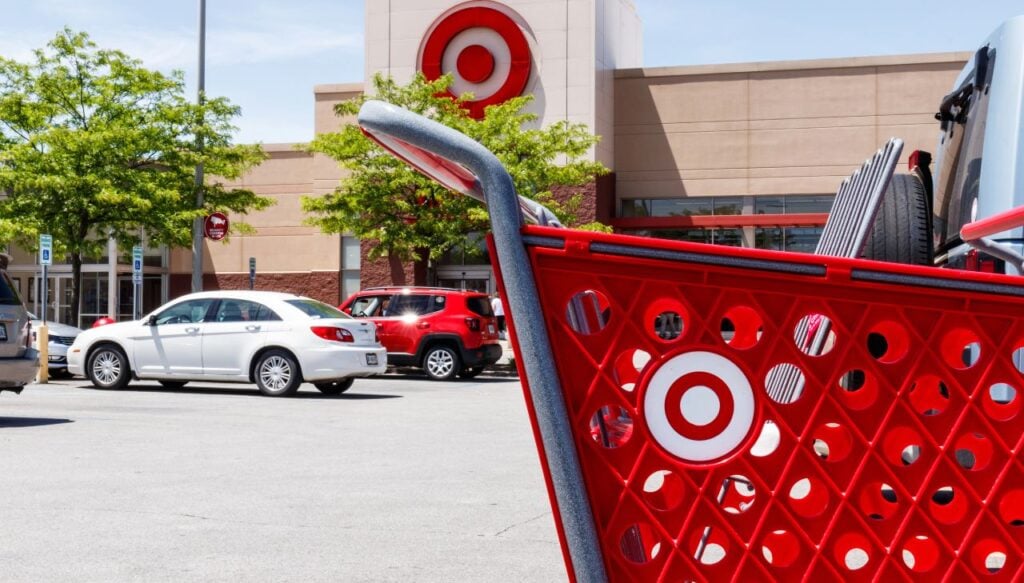
18 Reasons Some Florida Shoppers Leave Target Feeling Broke and Confused

Florida shoppers know the Target effect all too well. You stop in for toothpaste and leave with three (super cute!) things you didn’t need.
It can feel like magic… until you check the total.
These are the reasons Target trips sometimes end in shopping cart regret.
The Dollar Spot Is a Trap in Disguise
Right at the entrance, Target greets you with bins full of items that seem too cheap to pass up. A few dollars here, a few dollars there, it feels harmless.
But those small impulse buys can pile up fast. Before you even reach the main aisles, your cart is already filling with things you didn’t plan to buy.
Many shoppers don’t realize how much they’ve spent until the receipt prints.
That low-price zone often becomes one of the most expensive parts of the trip.
Store Layout Encourages Browsing, Not Efficiency
Target stores are designed to feel open and welcoming. The wide aisles, soft lighting, and clean displays invite you to take your time.
This setup is meant to slow you down and lead you through sections you didn’t intend to visit.
You may go in for shampoo but end up strolling past throw blankets, coffee mugs, and graphic tees.
It turns a quick errand into a full-blown shopping experience before you know it.
Promotions Make It Hard to Say No
Target loves offering bundle deals. Buy two, get one free. Spend thirty dollars and earn five back. These offers sound like smart ways to save.
But they often encourage shoppers to buy things they didn’t actually need just to unlock the discount.
The extra items feel like a bonus, even if they weren’t on your list.
Over time, that kind of spending adds up and makes the savings feel more confusing than helpful.
Seasonal Displays Tempt You Year-Round
Target’s rotating seasonal sections are hard to ignore. Whether it’s spring florals or winter holiday decor, these displays make you want to refresh your space.
You might not have planned to buy a new throw pillow or decorative tray, but the setup makes it feel like you should.
The items are trendy, affordable, and arranged in a way that encourages quick decisions.
One or two extra items from this section can throw off your entire budget.
The Home Decor Section Feels Too Good to Pass Up
Target’s home section is styled like a catalog. Everything is perfectly arranged and color-coordinated, which makes it easy to picture in your own home.
Even if you didn’t plan on buying a vase or new throw blanket, it’s hard to resist when it looks that good on the shelf.
Many people grab something “small” without realizing how often they do it on each trip.
That habit adds up, especially when the items feel affordable but aren’t on your original list.
Clothing Deals Are Too Easy to Justify
Target’s clothing section has become a real draw, with on-trend styles at friendly prices. You walk in for toothpaste, spot a sale on jeans, and end up in the fitting room.
The prices make it feel like you’re getting a bargain, which makes impulse buying feel more reasonable.
But even affordable clothing adds up when you do it on every visit.
Before you know it, your cart has three tops and a pair of shoes that weren’t part of the plan.
The Cartwheel App Encourages Extra Spending
Target’s app includes digital coupons and exclusive deals through Cartwheel. Shoppers open it to save money but often end up buying more.
The app highlights offers across categories, which can lead you into aisles you weren’t going to visit.
You might spot a deal on snacks, candles, or cleaning supplies and grab them just because they’re discounted.
It feels like smart shopping, but it often stretches the budget without real savings.
The Checkout Aisle Is Packed With Last-Minute Temptations
As you head to pay, Target lines you up next to shelves full of snacks, gadgets, and cute seasonal items.
After a long shopping trip, your guard is down, and that five-dollar item feels like nothing.
Grabbing just one more thing while you wait in line is exactly what those displays are designed to encourage.
Even the final few steps of your trip can push your total higher than you expected.
Target’s In-House Brands Create the Illusion of Savings
Target’s private labels like Good & Gather, Threshold, and A New Day are designed to look stylish and affordable. Shoppers often assume these items are cheaper than name brands.
While they do offer good value, the branding is so well done that it encourages people to buy more than they planned.
Instead of one item, shoppers may grab two or three because they feel like they’re getting a deal.
The quality is usually solid, but the volume of unplanned purchases is where the cost adds up.
Sales Endcaps Are Designed to Catch You Off Guard
Target’s endcaps, the displays at the end of aisles, are often filled with clearance or promotional items. They’re placed where you’re most likely to see them, even if they’re unrelated to what you came in for.
These displays change often and are meant to feel like limited-time offers.
Shoppers stop to “just take a look” and often end up tossing in extras they didn’t need.
It’s a subtle marketing move that leads to impulse buys more often than most people realize.
Target’s Return Policy Encourages Overbuying
Target has a generous return policy, especially for RedCard users and those who use the app. Knowing you can return things later makes it easier to overfill your cart in the moment.
People are more likely to buy duplicates or extras with the thought that they’ll sort it out at home.
But many never make the return trip, which turns those “temporary” purchases into permanent expenses.
The flexibility is helpful, but it often leads to spending more than intended.
RedCard Discounts Make Spending Feel Safer
Target’s RedCard offers a five percent discount on most purchases, which sounds like a smart way to save.
But that small discount can also give a false sense of security, making people more willing to add things to the cart.
Over time, the extra items bought because of the discount may outweigh the actual savings.
It’s a helpful program, but only if you stick to what you planned to buy in the first place.
Weekly Ad Layouts Highlight Wants, Not Needs
Target’s weekly ads and online flyers often focus on trendy items, home decor, and seasonal goods rather than everyday essentials.
This layout encourages shoppers to get excited about things they weren’t even looking for, like new throw pillows or themed baking sets.
By drawing attention to wants before needs, the store quietly steers spending toward non-essentials.
It makes budgeting harder because your attention is pulled away from the basics.
Target Circle Rewards Make You Spend to Earn
The Target Circle rewards program offers cash back in the form of store credit. While it can lead to savings, it often motivates people to buy more just to build up their reward balance.
Instead of sticking to their list, shoppers may add extras because it earns them one or two percent back.
In the long run, the amount spent chasing rewards often outweighs the benefits.
The program works, but only if you manage your purchases carefully.
Product Placement Strategy Boosts Impulse Buys
Target places frequently purchased items like toiletries and groceries deep within the store. To reach them, shoppers pass through high-interest areas like clothing, home goods, and toys.
This design is intentional and increases the chances that you’ll grab something you didn’t plan to buy along the way.
It also spreads out temptation across the whole store, not just the front aisles.
By the time you reach your essentials, your cart may already be full of extras.
Self-Checkout Stations Make It Easier to Overspend
At self-checkout, there’s no cashier to raise an eyebrow or comment when you scan a pile of items. That small layer of accountability is gone.
Many shoppers feel less self-conscious about buying impulse items when they check themselves out.
It’s faster and more convenient, but it can also lead to less disciplined shopping habits.
People often realize how much they spent only after the receipt prints out.
Product Bundles Create the Illusion of Value
Target often groups items into bundles, especially in areas like baby products, beauty, and cleaning supplies. These bundles suggest you’re getting more for your money.
But the bundled price isn’t always a better deal than buying items separately. Shoppers may pay extra for convenience without realizing it.
Bundles also encourage people to buy more than they actually need just to complete the set.
It’s an effective strategy that leads to higher totals at checkout.
Limited-Time Collaborations Create Urgency
Target frequently releases limited-time collections with designers or brands. These collaborations are often promoted heavily and sell out fast.
The limited availability creates urgency and pressure to buy now, even if you weren’t planning to.
Shoppers grab items “just in case” they miss out later, which leads to impulse spending on clothes, home goods, or accessories.
The fear of missing out drives purchases that may not feel worth it after the hype fades.
11 Mistakes People Make When Buying Food at Costco

Even in the wonderland of Costco savings, customers commonly make mistakes that can (often unknowingly) spoil the fun. Here are some tips on what errors to avoid so that every Costco run you make turns out to be a win.
11 Mistakes People Make When Buying Food at Costco
12 Precautions to Take When Shopping at Dollar Tree
It’s hard not to get a little giddy at Dollar Tree stores. Everything looks like a deal, and it’s so easy to think, “Oh, it’s only a dollar!” (Well, $1.25 now, but who’s counting?)
But from sneaky expiration dates to breakable gadgets, here’s how to shop smarter at Dollar Tree.
12 Precautions to Take When Shopping at Dollar Tree
What Decade Were You Really Meant For?
Whether you’re dreaming of bell-bottoms or soda fountains, our Decade DNA Quiz will match you with the decade that fits your personality. No work deadlines here, just a fun escape when you need it most.
Meet Your Match. Discover Your Decade DNA. (Your Vintage Roots Are Showing)