
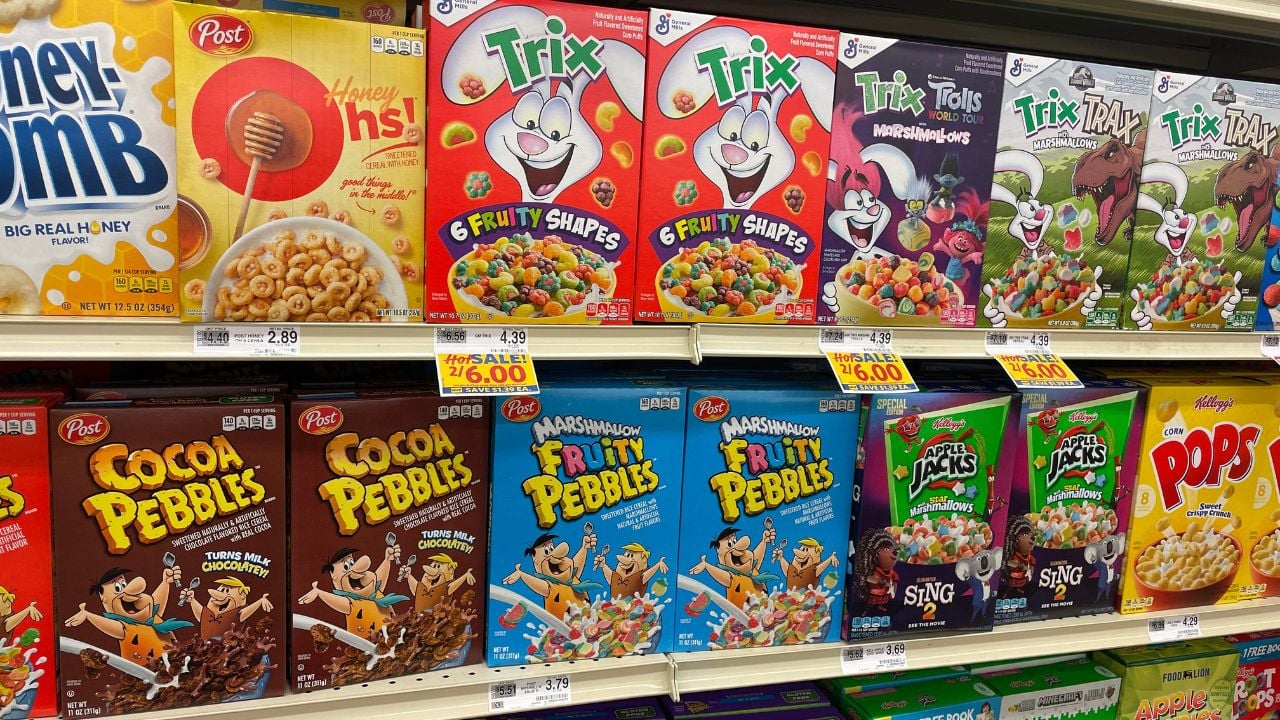
18 Subtle Cereal Aisle Secrets Most New Mexicans Hardly Notice

In New Mexico grocery stores, the cereal aisle seems simple at first. You grab your favorite box and move along.
But a lot is happening on those shelves that most people don’t notice.
From changing box sizes to kid-friendly placement, it’s all designed to influence what you pick. Here are some of the small details often hiding in plain sight.
You’re Being Guided by Color Without Realizing It
Bright colors, especially reds and yellows, are used to grab attention and create excitement. That’s why so many sugary cereals are usually dressed in bold designs.
More natural or fiber-rich cereals often use muted tones like beige, green, or blue to signal health and simplicity.
The colors don’t just look good. They help cue your brain into thinking about how the cereal fits into your lifestyle.
Most shoppers never realize how much color influences their choice.
The Most Expensive Cereals Are Often at Eye Level
The cereal aisle is carefully arranged. Popular and higher-priced brands tend to sit right at adult eye level where they’re easiest to grab.
Cheaper or generic options are often placed on the lower shelves. You have to bend down to find them.
This layout isn’t random. It’s meant to guide your hand toward the more profitable choices.
Unless you’re deliberately comparing prices across shelves, you might not notice the pattern.
New Formulas Don’t Always Get Announced
Sometimes your favorite cereal doesn’t taste quite the same, and it’s not your imagination. Brands quietly adjust their recipes without making a big deal out of it.
They might lower the sugar, add whole grains, or change the ingredients to cut costs or meet new guidelines.
But the box often stays the same, so most people never realize what changed.
If you’ve ever felt like something tastes different, chances are it actually does.
Box Sizes Silently Shrink
Some shoppers don’t realize that their favorite cereal boxes are smaller than they used to be. The front of the box looks nearly the same, but the weight has quietly dropped.
You might still pay the same price or even a little more. What you get, though, is less cereal than before.
Manufacturers do this to avoid raising prices outright. It’s a subtle way to cut costs without changing the look of the product.
Unless you check the net weight or serving count, it’s easy to miss.
Mascots Are Placed to Make Eye Contact With Kids
If you crouch down to a child’s height, you’ll notice something interesting. Many cereal mascots are looking slightly downward.
This design helps them make eye contact with children sitting in the cart or walking beside it. It creates a sense of connection.
That small detail can influence what kids ask for or throw into the cart when no one’s looking.
It’s a quiet marketing trick that works better than most people realize.
Store Brands Often Copy the Best-Sellers
If you look closely, many store-brand cereals are made to mimic the popular national brands. The boxes are similar in color, shape, and even the font style.
They’re usually placed nearby to catch your eye as a cheaper alternative. Some taste nearly identical but cost significantly less.
Shoppers in a rush might not even notice the difference unless they read the label closely.
It’s a quiet strategy to offer budget choices without advertising them loudly.
The Health Claims Are Carefully Worded
Words like “heart healthy,” “whole grain,” or “no artificial colors” show up on many cereal boxes. But they don’t always mean what people think they do.
Some cereals use these terms even if the product is still packed with sugar or low in nutrients.
Manufacturers rely on shoppers to skim rather than read. A healthy-looking label can influence buying decisions in just a few seconds.
If you flip the box around, the ingredient list sometimes tells a very different story.
Certain Cereals Only Show Up During the Holidays
Some cereals quietly disappear for most of the year, then return just in time for a specific season. You might not notice until that one box catches your eye again.
Pumpkin spice, chocolate mint, and winter-themed cereals often make a limited appearance.
They’re marketed as fun or festive, but they’re also a way to boost sales during slower times.
If you blink, you might miss them, and that’s exactly what keeps people watching for their return.
The Price Tags Don’t Always Reflect the Best Deal
Most shoppers glance at the total price, but the real savings are in the unit price printed in small text beneath it.
Some cereals come in larger boxes that look like better value, but cost more per ounce. Others seem expensive at first, but actually stretch further per serving.
The packaging can be misleading if you’re not comparing size and weight.
Taking a second to read the fine print on the shelf tag can save you more than you think.
Kids’ Cereals Are Placed Where Children Can Reach Them
Sugary cereals with cartoon characters are rarely placed by accident. They’re often stocked on lower shelves so kids can spot them and grab them.
This increases the chance that a child will ask for a specific brand or toss it into the cart while tagging along.
It’s a simple trick, but it works well in family shopping routines.
Many parents don’t notice it until they realize the cereal their child wants is always easy to reach.
Older Cereal Varieties Are Often Tucked Away
While new cereals get flashy packaging and prominent placement, older or less popular varieties are usually pushed to the top or bottom shelves.
Some of these have been around for decades, with loyal fans who still buy them out of habit.
But casual shoppers might not even know they’re still available.
You have to scan carefully to find the quiet classics hiding in plain sight.
Some Boxes Are Just Empty Space Inside
Pick up a box and give it a gentle shake. Many are only half full. That’s not always a sign of damage, it’s how they were packed.
Cereal settles during shipping, but some boxes are designed to look bigger than they need to be.
This creates the impression of more value, even if the actual amount inside is average or below.
Unless you check the weight, you may never notice the difference.
Coupons and Promotions Often Favor Name Brands
Many store sales and coupon promotions are aimed at well-known national cereal brands. These deals are usually placed right on the shelf or printed on the box itself.
That makes it easy to grab what’s on sale, but it also pulls your attention away from store brands that may still cost less even without a discount.
Sometimes, the coupon brings the price just below the competitor’s, but not always.
If you don’t compare carefully, you might miss the better value hiding just next to it.
Slogans and Logos Change More Often Than You Think
Brands update their slogans, mascots, and packaging quietly and frequently. A cereal you remember from childhood might look totally different today.
These small changes are meant to refresh the brand and appeal to new shoppers while keeping long-time fans engaged.
Sometimes it’s a font change. Other times it’s a complete mascot redesign.
Unless you’ve been eating the same cereal for decades, the updates can be easy to miss.
Some Cereals Vanish Without a Word
Cereal brands don’t always announce when they discontinue a product. One day it’s on the shelf, the next it’s gone without explanation.
Fans might search multiple stores before realizing it was quietly pulled from production.
Companies sometimes test new products regionally, then cancel them if sales don’t meet expectations.
Unless you follow the brand closely, you may never know why a favorite disappeared.
There’s a Strategy Behind the Left and Right Sides
The side of the aisle you enter can affect what you buy. Stores often stock higher-margin items where your eye naturally goes first.
Many people shop from left to right, so brands compete for space at the beginning of the aisle.
That early position increases visibility and can lead to more impulse purchases.
It’s a small detail that plays a big role in what ends up in your cart.
Which Classic American Decade Is Totally You?
Take a quick break and discover which classic American era matches your personality and old-school soul. Our Decade DNA Quiz is fast, fun, and full of feel-good retro energy.
Meet Your Match. Discover Your Decade DNA. (Your Vintage Roots Are Showing)

17 Decor Items That’ll Make Your Home Look Cheap

No one wants to hear their home looks cheap. But sometimes, a cheap-looking home doesn’t reflect what you spent on it. It reflects the decor you chose.
17 Decor Items That’ll Make Your Home Look Cheap
Remember When Everything Had Color? These 18 Things Definitely Did
There was a time when even the most ordinary things were bursting with color.
But now?
We’ve swapped charm for minimalism, and for some reason, we all agreed to pretend it’s better. Here are some everyday things that used to be colorful but aren’t anymore.
Remember When Everything Had Color? These 18 Things Definitely Did

