

18 Things New Yorkers Do in Stores That Make Employees Roll Their Eyes

Shopping should be a simple errand. But many New Yorkers unknowingly make it more stressful for employees.
Small actions that seem harmless to customers can create headaches for staff.
These habits might not get you kicked out of the store, but they’ll almost certainly earn an eye roll from the hardworking employees behind the counter.
Tossing Clothes on the Floor in Fitting Rooms
Clothing stores often struggle with customers leaving garments in messy piles on fitting room floors. It makes the space look unwelcoming for the next shopper.
Employees are then left to sort through wrinkled clothes, sometimes finding items damaged with a dirty footprint. This extra work slows down the rest of the store’s operations.
Other customers notice the mess too, and it can discourage them from trying on clothes. It lowers the overall shopping experience.
Taking a few seconds to return items to the rack or counter shows courtesy. Ignoring that responsibility earns quick judgment from staff.
Ignoring Store Closing Announcements
When a store announces closing time, most people know it’s time to wrap up. But some shoppers continue to browse as if the rules don’t apply to them.
Employees are left waiting long after their shift should’ve ended.
It delays closing tasks and adds unnecessary stress.
Ignoring closing announcements is a small act, but it shows disregard for the people working behind the scenes.
Tossing Cash or Cards on the Counter Instead of Handing Them Over
Handing payment directly to a cashier is a basic courtesy. Tossing it onto the counter feels dismissive and rude.
Employees often see it as a lack of respect, as though the customer can’t be bothered to make eye contact.
It also slows things down when bills or coins scatter, forcing staff to gather them up. Shoppers behind in line notice the delay.
A small gesture like placing money into a cashier’s hand makes a bigger difference than some shoppers realize.
Leaving Carts in Random Aisles Instead of Returning Them
It’s a simple courtesy to return a cart where it belongs, but many people leave them scattered in random aisles. This creates extra work for employees who have to track them down later.
Other shoppers get annoyed when they find carts blocking products they’re trying to reach. It clutters the store and makes it harder to move around freely.
Returning a cart isn’t difficult, but ignoring it sends a message of carelessness. It shows little thought for others who share the same space.
Employees and fellow shoppers alike notice when carts are abandoned. It’s one of those habits that instantly earns an eye roll.
Opening Packages Just to “Try” Before Buying
Some customers feel it’s acceptable to open packages in the store just to test what’s inside. While they may see it as harmless curiosity, it damages the product.
Once a package is opened, it often can’t be sold again. This leads to wasted merchandise and losses for the store.
Other shoppers don’t want to buy something that looks tampered with or incomplete.
Employees quietly judge this behavior because it shows little respect for the merchandise. Trying before buying is fine in a fitting room, but not in every aisle.
Leaving Items in Completely Wrong Sections
Some shoppers abandon items in places they don’t belong, like frozen food left in the cereal aisle. Not only does it create clutter, but it can ruin perishable goods.
Employees have to spend time returning products to the right spot.
This slows down their regular tasks and makes shelves look disorganized.
Leaving an item in the wrong section may seem harmless to the customer doing it, but it wastes money and time for the store. Workers always notice it with frustration.
Talking Loudly on Speakerphone While Shopping
Shopping while on the phone is one thing, but blasting a call on speakerphone makes everyone else listen in. It fills the aisle with noise and distracts those around.
The conversations are often personal, yet they’re broadcast for strangers to hear. It creates an uncomfortable and disruptive environment.
Store employees find it hard to interact with customers who won’t pause their calls. It slows service and frustrates workers who need to communicate.
A simple pair of headphones or waiting until after checkout solves the problem. Instead, shoppers often leave staff and fellow customers rolling their eyes.
Treating Staff Like Personal Assistants
Some shoppers treat store employees as if they’re there only to serve them. They’ll ask workers to fetch items instead of checking for themselves first.
Others expect staff to carry bags or save their place in line, which isn’t part of their role. It puts employees in an unfair position.
When one customer takes up too much time, it slows service for everyone else. This often leads to frustration for staff and shoppers alike.
Employees want to help, but being treated like personal assistants feels dismissive. It’s a small habit that leaves workers rolling their eyes.
Blocking Aisles With Giant Groups
Walking in groups is natural, but taking up an entire aisle makes it hard for others to pass. It slows down the flow of shopping for everyone else.
Shoppers stuck behind often grow impatient when groups won’t move aside. It creates unnecessary tension and delays.
Employees also get frustrated when they need to access shelves but can’t get through. It makes restocking or assisting other customers more difficult.
A little awareness and courtesy can fix this problem. Without it, groups end up looking inconsiderate.
Leaving Spills Without Telling Anyone
Accidents happen, but not reporting spills creates hazards for everyone. Slippery floors can cause serious injuries in seconds.
Employees rely on customers to point out these issues quickly. Otherwise, someone could get hurt before the staff even notices.
Other shoppers see spills and wonder why no one spoke up.
Letting staff know takes only a moment. Ignoring it earns silent judgment for carelessness.
Haggling Over Prices That Aren’t Negotiable
Some customers treat every store like a flea market, trying to haggle over fixed prices. It’s uncomfortable for employees who aren’t allowed to make changes.
The back-and-forth wastes time and holds up other shoppers waiting in line.
Retail stores set prices for a reason, and discounts come only through official sales. Asking for a deal outside of that shows a lack of awareness.
Employees usually smile through it. But behind the scenes, they roll their eyes at every attempt.
Cutting in Line at the Register
Everyone hates waiting in line, but cutting ahead makes it worse for those who’ve been patient. It’s one of the quickest ways to irritate both staff and customers.
The behavior sometimes leads to confrontations, forcing employees to step in and manage disputes.
And so, it slows the process even more.
People who cut often pretend not to notice or make excuses, but others see it clearly. It shows a lack of respect for shared rules.
Eating Snacks Before Paying for Them
Some shoppers rip open snacks and eat them while walking through the store. Even if they intend to pay, it leaves a poor impression.
Employees can’t always tell whether the item will be scanned later, leading to confusion at checkout. It puts staff in an awkward position.
Other customers often view it as childish or inconsiderate, especially when wrappers are discarded in carts.
Waiting until after checkout shows respect for the store. Eating beforehand almost always earns judgment.
Asking for Discounts on Damaged Items They Caused
It’s one thing to find a dented can or a ripped package. But asking for a discount on damage you caused is another matter.
Many times, employees notice when it happens.
Shoppers sometimes drop items and then try to spin it into savings. Staff see right through this tactic.
The request puts workers in an uncomfortable position since they know the damage wasn’t the store’s fault.
Abandoning Carts Full of Items at the Last Minute
Shoppers sometimes fill carts to the brim, only to abandon them before checkout. Employees then have to restock every single item.
It creates more work than many customers realize, often pulling staff away from other important tasks.
Other shoppers notice full carts blocking walkways, adding to the frustration. It clutters the store and wastes space.
This habit is a major pet peeve for employees, who roll their eyes each time it happens.
Trying to Use Expired Coupons
Most coupons have clear expiration dates. But some customers try to use them long after they’ve expired.
In turn, it slows down checkout while employees explain the rules.
Shoppers often argue or demand exceptions, which puts staff in a difficult spot. Other customers grow impatient while waiting for the issue to be resolved.
It adds unnecessary tension to the checkout experience.
Ignoring expiration dates may seem minor, but it’s one of the most common eye-roll moments for staff.
Misusing Self-Checkout Machines
Self-checkout is designed for convenience, but many shoppers misuse it. Some scan items incorrectly or forget altogether.
This forces employees to intervene, slowing down the process for everyone waiting. It defeats the purpose of a faster option.
Other customers notice when someone holds up the line, fumbling through the machine.
Employees quietly judge these mistakes, wishing people would take a moment to learn the system or use the regular checkout lane.
Ignoring the Express Lane Rules
Express lanes are meant for quick trips. But some shoppers load up with far more items than the limit. It’s inconsiderate to those following the rules.
The behavior defeats the purpose of having a fast lane, and staff often have to step in to manage the situation.
Other customers in line grow impatient and frustrated, often exchanging annoyed looks.
Ignoring the rules may save one shopper a few minutes, but it costs everyone else more time. Employees always notice it.
11 Mistakes People Make When Buying Food at Costco

Even in the wonderland of Costco savings, customers commonly make mistakes that can (often unknowingly) spoil the fun. Here are some tips on what errors to avoid so that every Costco run you make turns out to be a win.
11 Mistakes People Make When Buying Food at Costco
12 Precautions to Take When Shopping at Dollar Tree
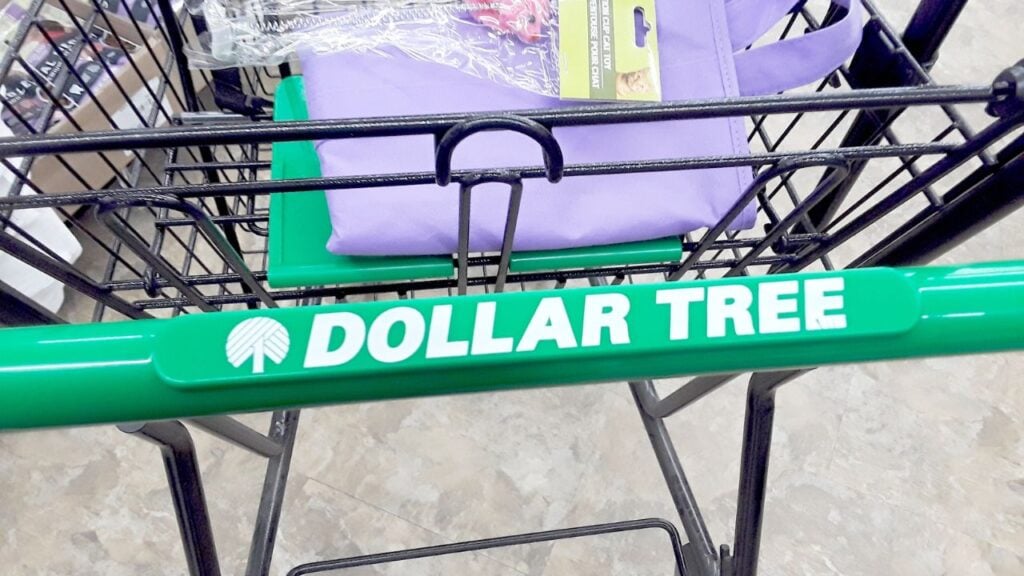
It’s hard not to get a little giddy at Dollar Tree stores. Everything looks like a deal, and it’s so easy to think, “Oh, it’s only a dollar!” (Well, $1.25 now, but who’s counting?)
But from sneaky expiration dates to breakable gadgets, here’s how to shop smarter at Dollar Tree.
12 Precautions to Take When Shopping at Dollar Tree
What Decade Were You Really Meant For?
Whether you’re dreaming of bell-bottoms or soda fountains, our Decade DNA Quiz will match you with the decade that fits your personality. No work deadlines here, just a fun escape when you need it most.
Meet Your Match. Discover Your Decade DNA. (Your Vintage Roots Are Showing)


