

19 Commercials North Carolinians Loved in the ’90s but Can’t Get Away With Today

The ‘90s gave us some of the most unforgettable commercials in American TV history. They were loud, weird, and endlessly catchy, burning their way into our brains between Saturday morning cartoons and sitcom reruns.
But a lot of those beloved ads wouldn’t survive today’s stricter standards.
Let’s hit rewind and revisit the commercials North Carolinians once loved but definitely couldn’t air now.
Gushers’ Bizarre Body Transformations
If you grew up in the ‘90s, you probably remember kids’ heads morphing into giant fruits after eating a pack of Gushers.
It was strange, colorful, and completely mesmerizing to a generation raised on Nickelodeon slime.
But imagine pitching that concept now: “Children’s faces will explode into giant watermelons to sell candy.”
Between child safety regulations, body image sensitivity, and general nightmare fuel potential, this campaign would likely face major pushback today.
Mentos: The Cheesy Problem-Solvers
Mentos ads had a formula: someone faced a mildly annoying problem, popped a mint, and suddenly turned into a grinning agent of chaos.
Whether painting pinstripes on a suit to sneak past guards or dramatically sitting on a freshly painted bench, the characters were rewarded for breaking rules with a catchy jingle and fresh breath.
In the ‘90s, it was harmless fun. Today, some of these antics would likely be flagged for encouraging vandalism, trespassing, or just general “don’t do this” behavior.
Plus, the dramatic freeze-frames? Iconic, but ripe for parody more than sincere praise now.
Capri Sun’s Human Liquification
Few commercials were as hypnotic as those early Capri Sun ads. A group of kids would drink pouches, morph into shiny liquid metal figures, and fly around the playground like futuristic juice beings.
It was equal parts exhilarating and bizarre.
Nowadays, turning kids into amorphous metallic blobs might not pass muster.
Between potential body horror concerns and stricter guidelines around targeting children with surreal transformations, these ads feel like a fever dream that only the ‘90s could love.
Surge’s Extreme Mayhem
Surge wasn’t just a soda. It was a lifestyle.
The ads often featured teenage boys charging through living rooms, tackling couches, and climbing over each other like caffeinated linebackers just to get their hands on a green can.
This kind of “extreme” marketing, especially aimed at kids and teens, would raise red flags now.
Encouraging destructive behavior and glorifying chaos for sugar water is a hard sell in an age of parental watchdog groups and energy drink warnings.
McDonald’s McWorld Commercials
McDonald’s commercials in the ‘90s often promised kids entry into “McWorld,” a place where they ruled. Think skate ramps, neon lights, and adults nowhere to be seen.
It was pure childhood fantasy.
But modern advertising guidelines for children have tightened significantly.
Ads that imply empowerment through fast food, especially using that level of immersive, escapist imagery, would likely be scrutinized for exploiting children’s imaginations to push unhealthy products.
Barbie’s Problematic Perfection
Barbie commercials in the ‘90s leaned heavily on perfect bodies, perfect lives, and perfect hair. These ads shaped beauty ideals for countless young viewers.
“We girls can do anything,” the tagline said, provided “anything” involved being blonde, slim, and wearing pink.
Today’s toy ads strive for more diversity and realism.
The ‘90s version of Barbie marketing would likely be called out for narrow beauty standards and gender stereotyping, even if those jingles still live rent-free in many adult brains.
SlimFast’s Diet Dreams
SlimFast commercials in the ‘90s were relentless. They often promised rapid transformations for women, emphasizing swimsuit season or upcoming weddings.
The tone was upbeat, but the underlying message was clear: shrink yourself to fit an ideal.
In the 2020s, weight loss ads face far more regulation, especially around unrealistic claims and body shaming.
SlimFast’s cheery “just have a shake and watch the pounds melt” vibe would not fly without major disclaimers and a very different framing.
Got Milk? and the Guilt Trip
“Got Milk?” ads are iconic. But they also relied heavily on guilt-based marketing.
Kids who ran out of milk faced dire consequences, missed cookies, ruined cereal, and failed Shakespeare auditions.
While the campaign was clever, its tone would likely feel a little off today.
Modern ads tend to steer away from guilting children or portraying panic over food shortages in exaggerated ways, especially for everyday staples like milk.
Candy Cigarettes in Disguise
Yes, there were actual candy cigarettes on shelves in the ‘90s.
Some commercials and product displays made them look suspiciously like the real thing, right down to the packaging and the little puff of sugar “smoke.”
In today’s climate, marketing candy that imitates smoking to children would be met with immediate outrage.
What once seemed cheeky now feels wildly irresponsible.
WWF’s Wild West of Violence
Before it became WWE, the World Wrestling Federation filled ad breaks with testosterone-drenched promos. Explosions, chair-smashing, growling wrestlers screaming at the camera, it was part of the entertainment.
Kids loved it, parents tolerated it, and cable loved the ratings.
But today, that kind of violent spectacle would face stricter placement restrictions, especially during programming kids might watch.
The over-the-top aggression that once defined those commercials would get flagged for glorifying violence rather than just promoting a spectacle.
Tootsie Pop’s Suspicious Owl
Technically, this ad debuted earlier, but the Tootsie Pop owl commercial ran constantly through the ‘90s.
A small child innocently asked, “How many licks?” and an owl proceeded to chomp through his candy after only three.
While beloved, this kind of commercial, with its odd child-animal dynamic and casual candy theft, might be reimagined today with a more polished, less ambiguous tone.
Current ad standards around children’s content are far more cautious about how authority figures (even animated owls) interact with kids.
Budweiser’s Talking Frogs
“Bud.” “Weis.” “Er.” Those three croaking frogs were everywhere in the mid-‘90s, turning a simple beer brand into a pop culture phenomenon.
Kids imitated them on playgrounds, despite the ads clearly being for adults.
In a modern media landscape, ads that are likely to appeal to children while promoting alcohol face major scrutiny.
A trio of talking frogs with a catchy, kid-friendly hook? That would set off compliance alarms immediately.
Pizza Hut’s Celebrity Overload
Pizza Hut commercials in the ‘90s were all about spectacle.
They featured NBA stars, pop singers, and sitcom icons crammed into quick, punchy spots that made pizza look like a celebrity lifestyle choice.
Today, using that level of celebrity influence on children’s products would be far more regulated.
Endorsements aimed at young audiences face transparency guidelines, and some of those cameos would be seen as manipulative rather than magical.
Sega’s “In Your Face” Screaming
Sega commercials were infamous for their intensity.
A typical ad involved a narrator practically yelling “SEGA!” into the camera at eardrum-shattering volume, with rapid-fire clips and chaotic editing.
In the ‘90s, this was cutting-edge cool.
Now, it would probably be flagged for aggressive marketing tactics and potentially overwhelming sensory presentation, especially for younger audiences or those with sensory sensitivities.
Toys “R” Us: Kids Rule, Adults Drool
Toys “R” Us leaned hard into the idea that kids were the ultimate decision-makers.
Their commercials depicted adults as clueless, boring figures while kids ruled brightly lit aisles of toys.
While playful, modern advertising is more cautious about portraying adults as incompetent or undermining parental authority.
The “kids vs. parents” dynamic that defined many of these spots wouldn’t slide quite as easily in today’s more balanced portrayals of family life.
SnackWell’s “Guilt-Free” Cookies
Remember the “fat-free” craze? SnackWell’s marketed its cookies like a dietary loophole, eat as many as you want, they’re practically healthy!
The commercials often featured women joyfully indulging, sometimes hiding boxes from others like a delicious secret.
Modern nutrition advertising is far more heavily regulated.
Claims like “guilt-free” or implying unlimited consumption without consequences would be challenged quickly, and the gendered undertones wouldn’t pass unnoticed either.
Kool-Aid Man’s Wall-Smashing Entrances
“Oh yeah!” The Kool-Aid Man’s signature move was to crash through a wall, usually into a room full of children, to deliver sugary drinks.
The kids cheered, no one asked who was paying for the drywall, and chaos ensued.
While the character is still beloved, that kind of literal property destruction in kids’ advertising would be questioned today.
Promoting unsafe behavior (and home renovation nightmares) isn’t exactly on-brand for modern family marketing.
Skittles’ Surreal “Taste the Rainbow” Spots
Skittles’ late-‘90s commercials got… weird. From kids growing Skittles out of their faces to bizarre fantasy sequences, the ads leaned heavily into surrealism.
They were unforgettable, but also occasionally unsettling.
Today, marketing to children with surreal or body-horror adjacent imagery would be approached much more cautiously.
What once felt whimsically strange might now trigger think pieces and parental concern.
Jell-O’s Jiggle Obsession
Jell-O commercials in the ‘90s often featured kids jiggling bowls, plates, and entire tables to show off the wobbly dessert.
The vibe was innocent but exaggerated, kids shouting “J-E-L-L-O!” while adults looked on, baffled.
Modern food marketing tends to avoid over-hyped child performances that could be seen as unrealistic or manipulative.
The hyperactive jiggle obsession would probably be toned down, or at least reimagined with a gentler energy.
20 Nostalgic Things Americans Could Buy for Under $1 Back in the Day
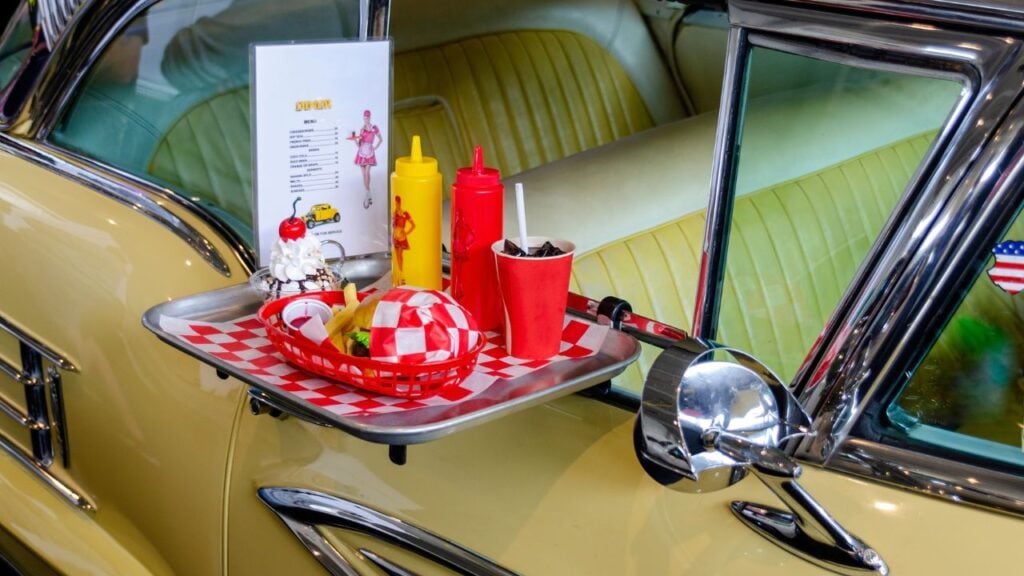
It’s hard to believe now, but there was a time when $1 could buy something meaningful.
Let’s take a trip back to the days when Americans’ pockets didn’t need much cash to bring home something fun, useful, or just plain delicious.
20 Nostalgic Things Americans Could Buy for Under $1 Back in the Day
14 Restrictions American Men Faced in the Early 1900s

One hundred years ago, there were many things men weren’t allowed to do from a legal or societal perspective.
Whether it was about fashion, feelings, or family roles, these are some of the strict rules that governed men a century or more ago.
14 Restrictions American Men Faced in the Early 1900s
Which Classic American Decade Is Totally You?
Take a quick break and discover which classic American era matches your personality and old-school soul. Our Decade DNA Quiz is fast, fun, and full of feel-good retro energy.
Meet Your Match. Discover Your Decade DNA. (Your Vintage Roots Are Showing)

