
19 Discontinued American Products That Still Have Cult Followings in Alabama and Beyond

Every Alabamian had their favorite foods and beverages growing up. The snacks, drinks, and treats that shaped childhoods and fueled teenage years.
Sadly, some of those products disappeared long before we were ready to say goodbye.
Yet decades later, people in Alabama still talk about them. They try to buy them online, hunt for recipes, and even beg companies to bring them back.
Crystal Pepsi
Crystal Pepsi was supposed to be futuristic. A clear cola with the taste of Pepsi but none of the caramel coloring.
It hit stores in the early 1990s, marketed as pure, clean, and ahead of its time. But it didn’t stick.
Despite its short run, fans never let it go. They even convinced Pepsi to bring it back for limited releases in the 2010s.
People lined up, bought cases, and traded them online like collector’s items.
To this day, collectors still hunt for unopened bottles, though you definitely wouldn’t want to drink one now.
Surge
Before Monster or Rockstar, kids in the ’90s had Surge.
It was Coca-Cola’s neon-green answer to Mountain Dew, loaded with caffeine and citrus flavor. Parents hated it, which only made kids want it more.
When Coca-Cola discontinued it in the early 2000s, fans revolted. Facebook groups and petitions started popping up.
The pressure worked. Coke revived Surge in 2014, though only in limited runs and online. It proved that nostalgia plus caffeine is a powerful mix.
Dunkaroos
No ’90s lunchbox was complete without Dunkaroos. Tiny cookies with a side of frosting for dipping… what could be better?
They quietly vanished in the U.S. in the 2010s, devastating millennials who had grown up with them.
The internet went wild trying to recreate them. Recipes spread on food blogs, and Canadian versions were smuggled across the border.
General Mills eventually gave in, relaunching them in 2020. The excitement proved just how powerful childhood snacks can be.
Ecto Cooler
Hi-C’s Ecto Cooler wasn’t just a drink. It was a tie-in masterpiece.
Released in 1989 to promote Ghostbusters, the neon-green tangerine drink became bigger than the movie itself.
Kids packed it in lunches, drank it after school, and stained their tongues radioactive green. When it was discontinued in the early 2000s, people mourned.
Fans begged for it back when the Ghostbusters reboot arrived. Hi-C did a limited re-release in 2016, and it sold out almost instantly. Today, unopened juice boxes go for crazy prices on eBay.
Jell-O Pudding Pops
Bill Cosby may have been the face of the ads, but Jell-O Pudding Pops sold themselves.
Creamy, frozen pudding on a stick? Americans couldn’t get enough. They dominated freezers through the ’80s and ’90s.
Then, for reasons no one quite understands, they vanished. Attempts to bring them back under other names never captured the magic.
Still, online communities trade hacks on how to recreate them at home. They may be gone, but they’ve never been forgotten.
Altoids Sours
Altoids are still around, but their little cousins, the fruity sour tins, arent.
Launched in the early 2000s, Altoids Sours came in bold flavors like tangerine, apple, and raspberry.
They were tangy, addictive, and perfectly pocket-sized.
Fans stocked up when they were discontinued in 2010. To this day, unopened tins sell for shocking amounts online.
Some people even claim the candy was ahead of its time, too sour for the early 2000s, but it would crush in today’s TikTok era.
McDonald’s Szechuan Sauce
Sometimes, all it takes is a cartoon to resurrect a sauce.
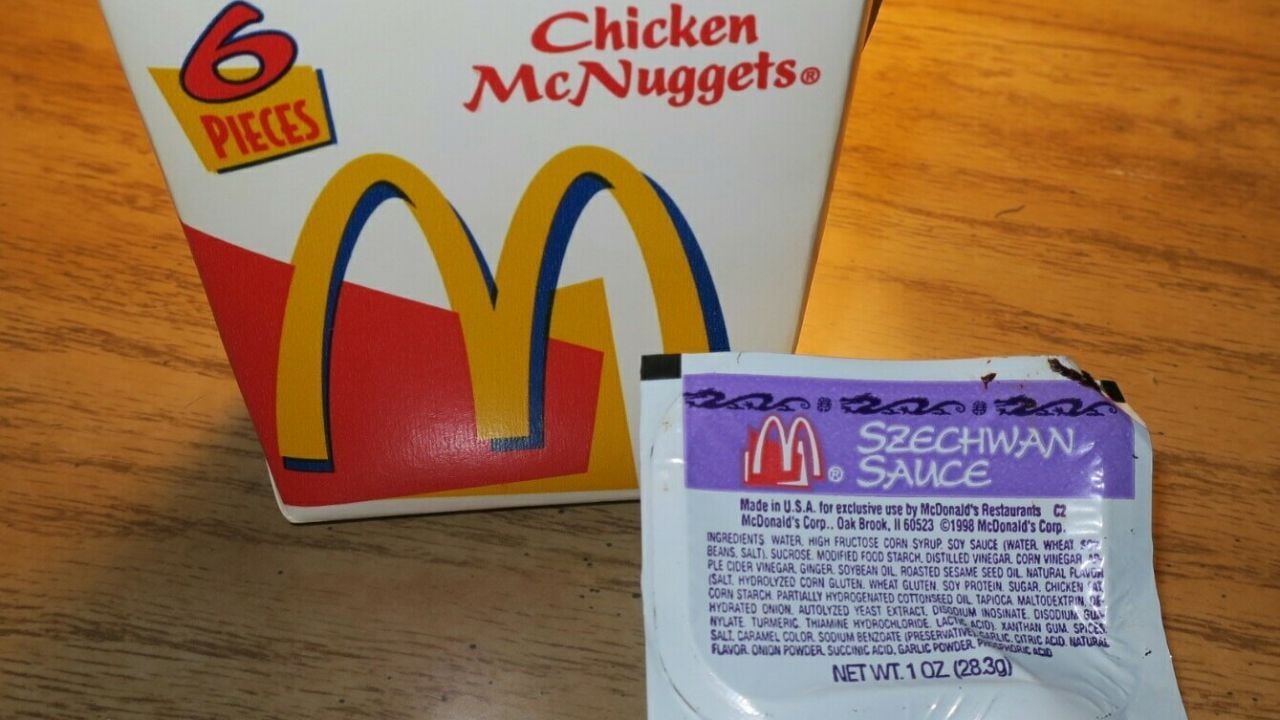
McDonald’s introduced Szechuan Sauce in 1998 as a tie-in to Disney’s Mulan. It vanished quickly, remembered only by hardcore fast-food fans.
Then Rick and Morty brought it back into the spotlight in 2017. A single throwaway joke sparked massive demand.
McDonald’s caved, bringing it back for a limited release.
The result?
Long lines, fights, and packets reselling for hundreds on eBay. That’s a cult following if there ever was one.
Butterfinger BB’s
Forget bars, in the ’90s, Butterfinger BB’s were the candy to have.
Bite-sized balls of crunchy, peanut-buttery Butterfinger goodness, they were messy but unforgettable.
Even The Simpsons commercials couldn’t keep them alive. Nestlé discontinued them in 2006, citing production challenges.
But fans still reminisce. Some swear the current Butterfinger Minis just don’t taste the same. The original BB’s hold a special place in candy history.
3D Doritos
For a snack, 3D Doritos had a surprisingly big impact.
Launched in the late ’90s, they were puffed, crunchy, and came in bold flavors. Kids loved them, they were fun, different, and felt futuristic.
When they disappeared in the mid-2000s, fans didn’t stop asking for their return.
In 2021, Frito-Lay finally brought them back, but many argue the texture just isn’t the same. Nostalgia is hard to replicate perfectly.
Planters Cheez Balls
Planters is better known for nuts, but for a while, their Cheez Balls ruled snack aisles.
These neon-orange puffs came in a blue canister that many still recognize instantly.
They were discontinued in 2006, but people wouldn’t let them go. Petitions poured in, and snack lovers begged Planters to reconsider.
Finally, in 2018, Cheez Balls made a comeback. They’ve been revived a few times since, each time selling fast.
Pepsi Blue
Pepsi tried a lot of wild flavors, but Pepsi Blue stood out.
Released in 2002, it was a berry-flavored cola with an electric-blue hue. Kids loved it. Adults… not so much.
It disappeared by 2004 in the U.S., but international fans kept it alive in places like the Philippines.
American fans never stopped campaigning for its return, and Pepsi eventually brought it back in 2021, though only briefly.
Orbitz Soda
No, not the travel site. Orbitz was a bizarre soda from the ’90s that looked more like a lava lamp than a drink.
The bottles contained floating, colorful gelatin balls suspended in liquid. The flavors were exotic, the texture unforgettable.
It was more of a novelty than a success, and it disappeared fast. But its oddball charm earned it cult status.
Today, unopened bottles are collectors’ items, even if the contents have aged into something no one would dare drink.
Wonka Bars
Yes, the candy from Willy Wonka and the Chocolate Factory was real.
Nestlé launched Wonka Bars in the early 2000s, hoping to cash in on the nostalgia.
They even ran Golden Ticket promotions, just like in the movie. But sales never took off, and the bars quietly vanished by 2014.
Still, collectors hunt for wrappers and old bars. The idea of owning a piece of chocolate history keeps the fascination alive.
PB Max
Launched in 1989, PB Max was a candy bar with peanut butter, oats, cookie, and chocolate.
It was rich, heavy, and by all accounts, delicious. It sold well, but Mars discontinued it in the mid-1990s.
The reason? Rumors suggest the Mars family simply didn’t like peanut butter.
Fans still talk about PB Max like it was one of the greatest candy bars ever made. And they’re not wrong.
Fruitopia
In the ’90s, Fruitopia was everywhere. A Coca-Cola product, it was marketed as a psychedelic, “peace-and-love” fruit drink.
Bright packaging, trippy ads, and wild flavors made it a hit among teens.
But by the mid-2000s, it was gone from U.S. shelves, though it lingered in Canada.
Fans still pine for flavors like Strawberry Passion Awareness. Some even claim it was ahead of its time, fitting today’s retro-hip vibe perfectly.
Clearly Canadian
This lightly flavored sparkling water hit shelves in the late ’80s and became a sensation.
Before LaCroix and Spindrift, Clearly Canadian was the trendy alternative to soda.
It disappeared in the 2000s but remained a cult favorite. Fans crowdfunded its return in 2015, proving how deep the loyalty ran.
Today, you can still find it in specialty stores, thanks entirely to that cult following.
Reese’s Bites
Reese’s has endless spinoffs, but Reese’s Bites were special.
Tiny, round, poppable versions of the peanut butter cups, they were the ultimate movie snack.
Discontinued in 2007, fans still rank them among Reese’s best creations.
There are replacements, like Reese’s Minis, but many insist they’re not the same. Nostalgia gives the originals a permanent edge.
Tab
Before Diet Coke, there was Tab.
Introduced in 1963, Tab was Coca-Cola’s first diet soda. It developed a loyal following, especially among women in the ’70s and ’80s.
Even after Diet Coke took over, Tab hung on, right up until 2020, when Coca-Cola finally killed it off.
But Tab lovers aren’t done. Online communities still trade stories, stockpile cans, and hope for one last revival.
Lifesavers Holes
Sometimes, smaller really is better.
Lifesavers Holes were exactly what they sound like—little candy “holes” from the middle of regular Lifesavers.
Launched in the early ’90s, they were fun, flavorful, and easy to eat by the handful.
They were discontinued by the mid-2000s, leaving fans baffled. To this day, people rank them among the greatest discontinued candies.
Remember When Everything Had Color? These 18 Things Definitely Did
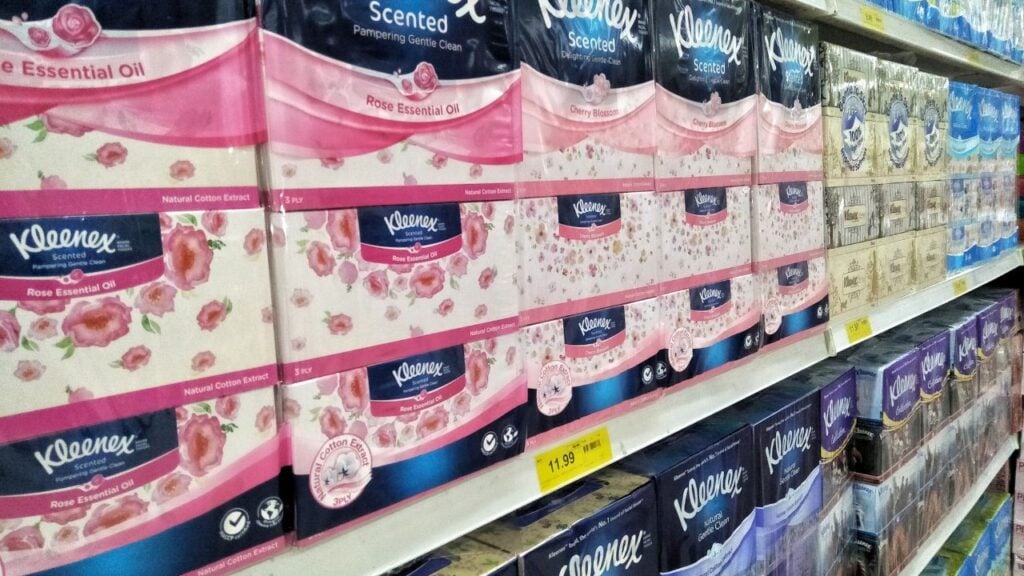
There was a time when even the most ordinary things were bursting with color.
But now?
We’ve swapped charm for minimalism, and for some reason, we all agreed to pretend it’s better. Here are some everyday things that used to be colorful but aren’t anymore.
Remember When Everything Had Color? These 18 Things Definitely Did
17 Life Hacks That Are Harder Than the Non-Hack

Life hacks are supposed to make your life easier, and sometimes they really do. However, the internet is rife with hacks that aren’t actually effective.
17 Life Hacks That Are Harder Than the Non-Hack
Think You Belong in a Different Decade?
From big bands to big hair, our playful Decade DNA Quiz reveals which classic American era fits your personality best. It’s fast, fun, and full of vintage flair.
Meet Your Match. Discover Your Decade DNA. (Your Vintage Roots Are Showing)

