
19 Everyday Foods With Origins Stranger Than North Dakotans Can Guess

Did you know the bottle of ketchup in your fridge started as fish sauce? And have you ever thought about the origin of ice cream cones?
Many of the food staples North Dakotans and Americans across the country reach for without thinking have crossed continents, changed identities, and sometimes caused chaos along the way.
These are some everyday foods with stranger origins than you could ever guess.
Chocolate Was Originally a Spicy, Frothy Drink
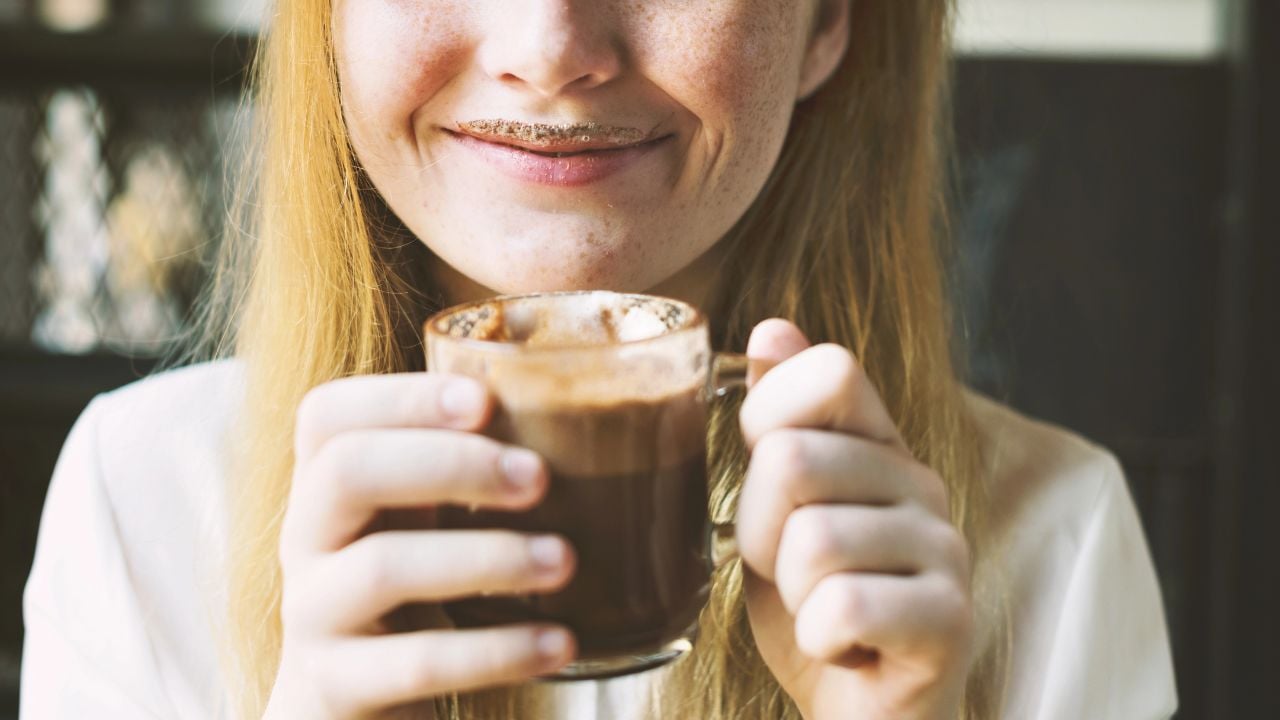
Chocolate didn’t start as a candy bar. The Maya and Aztecs drank cacao as a bitter, frothy beverage laced with spices like chili and vanilla. It was sacred, used in rituals, and even served as currency. There wasn’t a trace of sugar in sight.
When Europeans got their hands on it, they sweetened it and eventually added milk, turning it into a luxury drink for the elite.
Centuries later, it was molded into bars and mass-produced, becoming a familiar impulse buy at every checkout counter.
The shift from ceremonial brew to vending machine snack is wild.
Potatoes Traveled From Peru to Ireland Before America Fell in Love
Potatoes didn’t come from Idaho originally. They were first cultivated in the Andes thousands of years ago.
Spanish explorers brought them to Europe in the 16th century, where they eventually took root in Ireland.
They became so central to Irish diets that when the potato blight hit in the 1840s, the resulting famine led millions to emigrate, many to the United States.
That’s how the humble spud found its way into American kitchens. It’s less “farm to table” and more “continent to continent to famine to fries.”
Ketchup Began as Fermented Fish Sauce
Long before it met a French fry, ketchup was a salty, tangy fish sauce from Southeast Asia.
Traders carried it west, and European cooks adapted it into something closer to soy sauce than tomato dip.
Tomatoes didn’t even enter the picture until Americans added them in the 18th century.
That switch turned a funky condiment into the sweet, red staple sitting in nearly every fridge today. It’s a perfect example of cultural remixing over centuries.
If you think about it, ketchup’s journey is basically a world tour in a bottle.
Ice Cream Cones Were Born Out of a Waffle Crisis
At the 1904 St. Louis World’s Fair, an ice cream vendor ran out of bowls. A nearby waffle maker, seeing the panic, rolled one of his waffles into a cone shape to help out.
Suddenly, ice cream had an edible container, and fairgoers loved it.
What started as a quick fix became a dessert revolution. Soon, cone production machines were invented, and the idea spread nationwide.
It’s hard to imagine summer without a scoop perched on top of a crunchy cone, but it all started as a desperate improvisation.
Cinnamon Rolls Were Originally a Scandinavian Celebration Treat
That gooey, frosted pastry at the mall has surprisingly humble beginnings.
In Sweden, cinnamon rolls were baked for special occasions, often paired with coffee during gatherings. They were less sweet, more spiced, and meant to be shared slowly.
When Swedish immigrants brought the recipe to the U.S., sugar levels went up, frosting appeared, and the rolls grew in size.
Eventually, mall bakeries turned them into giant, spiraled icons of American shopping culture.
Somewhere in Stockholm, a great-great-grandmother would be shocked by the portion sizes.
Hot Dogs Came From German Sausages and New York Streets
Before baseball stadiums made them famous, hot dogs were street food sold by German immigrants in the 1800s.
They used frankfurters and wieners, slipped into buns for easy eating, and sold them from pushcarts around New York.
The portable snack caught on fast. It was cheap, quick, and easy to hold while walking, a perfect fit for busy urban life.
From there, hot dogs made their way into parks, ballgames, and backyard grills, becoming a symbol of summer Americana with surprisingly European roots.
Tomatoes Were Once Considered Dangerous
In the 18th and early 19th centuries, tomatoes were nicknamed “poison apples” in parts of Europe and colonial America.
Wealthy diners who ate them on pewter plates sometimes fell ill due to lead leaching, but the tomato got the blame. The myth stuck for decades.
Eventually, immigrants from countries where tomatoes were common helped reintroduce them to American tables. Once fear faded, tomatoes became essential to sauces, sandwiches, and countless recipes.
It’s a pretty dramatic turnaround for a fruit that’s now a grocery aisle basic.
Peanuts Became Popular Thanks to a Circus Genius
Peanuts have been cultivated in South America for thousands of years, but their big American break came in the late 1800s.
P.T. Barnum started selling roasted peanuts at his circus, filling tents with their irresistible aroma.
Crowds lined up, and peanuts became the ultimate showtime snack.
From there, vendors brought them to baseball games, and peanut butter soon followed. What started as a humble legume turned into a cultural staple.
Without Barnum’s marketing flair, America might never have developed its peanut obsession.
Croissants Were Inspired by an Austrian Pastry
Despite their French reputation, croissants have Austrian roots. The original pastry, called kipferl, was crescent-shaped and far less flaky.
A Viennese baker brought it to Paris in the 19th century, where French bakers transformed it with laminated dough.
The new version was buttery, layered, and perfectly crisp on the outside. It caught on quickly and became a breakfast icon in cafés across France.
By the time croissants landed in American bakeries, their Austrian beginnings were all but forgotten.
Pineapples Were Once Status Symbols
In colonial America, pineapples were so rare that people rented them to use as centerpieces at fancy dinners.
Hosting guests with a pineapple on display was like casually leaving a luxury car in the driveway, it screamed wealth and good taste.
Serving real pineapple to guests took the bragging rights even further.
Over time, advances in shipping made the fruit accessible to more households.
What was once a decorative showpiece is now tossed into smoothies or served in cafeteria fruit cups.
Worcestershire Sauce Was an Accidental Success
Two chemists in England tried to recreate a sauce from India but ended up with something so pungent that they abandoned the batch in a cellar.
Months later, they rediscovered it, gave it a cautious taste, and realized fermentation had transformed it into something delicious.
They bottled it and started selling, and the sauce quickly became a hit with meat dishes.
Today it’s a pantry staple for marinades and Bloody Marys, all thanks to one forgotten barrel and some unexpected microbial magic.
Bagels Were Baked to Honor a King
Bagels originated in Poland and were reportedly shaped to resemble a king’s stirrup as a tribute.
Over time, Jewish communities embraced and refined the recipe, developing the signature boiling-then-baking method that gives bagels their chewy crust.
When immigrants brought them to New York in the late 19th and early 20th centuries, bagels quickly became part of the city’s culinary identity. From there, they spread nationwide.
That weekend bagel sandwich has royal roots and a long trip behind it.
Coffee’s American Popularity Was Fueled by Rebellion
Tea was the drink of choice in colonial America until the Boston Tea Party. After that, drinking coffee became a patriotic act.
Colonists saw it as a way to distance themselves from Britain, and coffeehouses became lively political meeting spots.
Its popularity surged again during wartime. Civil War soldiers relied on it to stay alert, and by World War II, coffee was a military necessity.
The daily morning cup many Americans rely on has a history steeped in protest, politics, and late-night strategy.
Yogurt Was First Sold as Medicine
When yogurt first arrived in the U.S. in the early 20th century, it wasn’t a breakfast food.
Pharmacies sold it as a health tonic, promoting its beneficial bacteria to aid digestion. It was tart, plain, and considered more medicinal than delicious.
Immigrant communities, especially from Eastern Europe, helped popularize it as an everyday food.
Flavored varieties and fruit-on-the-bottom cups turned it from a niche health product into a mainstream snack.
Today, it’s part of countless breakfast routines, far removed from its pharmacy-counter debut.
Bananas Were Once a Luxury Item
In the late 1800s, bananas were considered exotic treasures. People saw them for the first time at fairs and exhibitions, often paying high prices for a single piece.
Steamships and refrigeration slowly turned them from rare curiosities into lunchbox regulars.
Early banana shipments were delicate operations, with unripe bunches wrapped in protective layers and rushed across the ocean.
Over time, improvements in transport made them cheap and accessible. That casual banana in your smoothie was once a celebrity guest at American dinner tables.
Popcorn Was Sacred Long Before Movie Theaters
Long before it became the sound of cinema, popcorn held ceremonial importance for Indigenous peoples in the Americas.
They heated kernels over fire, watching them burst open with delight, and used them in rituals as well as everyday snacks.
Movie theaters didn’t embrace popcorn until the Great Depression. Cheap and easy to make, it became the perfect affordable treat.
By the 1950s, the scent of buttered popcorn was inseparable from the movie-going experience, a modern tradition built on ancient grains.
Rice Krispies Were Invented by Accident
A Kellogg’s employee accidentally left a batch of rice in a hot oven, causing the grains to puff and crackle.
Instead of tossing the experiment, they poured milk over it and discovered the iconic “snap, crackle, pop” effect.
That happy accident turned into one of the most recognizable cereals in America.
It even inspired homemade treats that became bake sale staples. All because someone forgot to set a timer.
Avocados Were Once Marketed as “Forbidden Fruit”
In the early 1900s, Americans were hesitant to eat avocados.
They were associated with aphrodisiacs and given a risqué reputation that made them hard to sell to mainstream audiences.
Growers had to get creative to change public perception.
Through clever marketing campaigns and name changes, they turned avocados into wholesome, family-friendly fruits. Eventually, guacamole took off, avocado toast followed, and the rest is brunch history.
It’s hard to believe avocados once needed a PR makeover.
25 Discontinued Foods That Americans Miss Seeing on the Shelf

Every once in a while, big-name brands pull products with huge followings off the shelf, saddening Americans across the country. These are the foods Americans want back the most.
25 Discontinued Foods That Americans Miss Seeing on the Shelf
24 Old-Fashioned Candies That Need To Make a Comeback

From childhood classics to forgotten chocolates, these treats bring back memories of simpler times. Rediscover the joy of beloved confections that deserve to make a comeback.
24 Old-Fashioned Candies That Need To Make a Comeback
Think You Belong in a Different Decade?
From big bands to big hair, our playful Decade DNA Quiz reveals which classic American era fits your personality best. It’s fast, fun, and full of vintage flair.
Meet Your Match. Discover Your Decade DNA. (Your Vintage Roots Are Showing)

