19 Everyday Objects Most Tennesseans Use Completely Wrong. Are You Among Them?

You’d think that after decades of using the same household objects, people would know exactly how they work.
Spoiler alert: They don’t.
From misusing zippers to ignoring hidden features on simple tools, Tennesseans and Americans across the country make these mistakes all the time.
Using Too Much Laundry Detergent
Many people think more soap means cleaner clothes, but that’s not how it works. Too much detergent actually leaves residue and makes fabrics stiff.
Washers like Whirlpool and Samsung are designed to work with small amounts, but old habits die hard. People still pour like they’re filling a bowl of cereal.
Modern pods tried to solve the problem, yet some folks still toss in extras just to be “sure.”
The result is less fresh laundry and more wasted money, which is the opposite of what Tide had in mind.
Storing Bread in the Fridge
A lot of households toss bread in the fridge thinking it’ll stay fresher longer. In reality, it goes stale faster that way.
Cold air dries out the loaf, leaving you with toast-worthy slices long before their time.
The pantry or a breadbox is a better option if you want to keep things soft. Freezing works too, especially for bulk buys at Costco.
The fridge trick is one shortcut that backfires every single time.
Holding a Wine Glass by the Bowl
When sipping wine, most people grab the bowl instead of the stem. It seems natural, but it actually warms the drink and dulls the flavor.
The stem is there for a reason: to keep your hand heat away from the liquid. Sommeliers have been saying this forever.
At parties, you can spot the casual drinkers instantly by the way they hold their glass.
Switching your grip makes you look classy, even if the wine came from a box at Walmart.
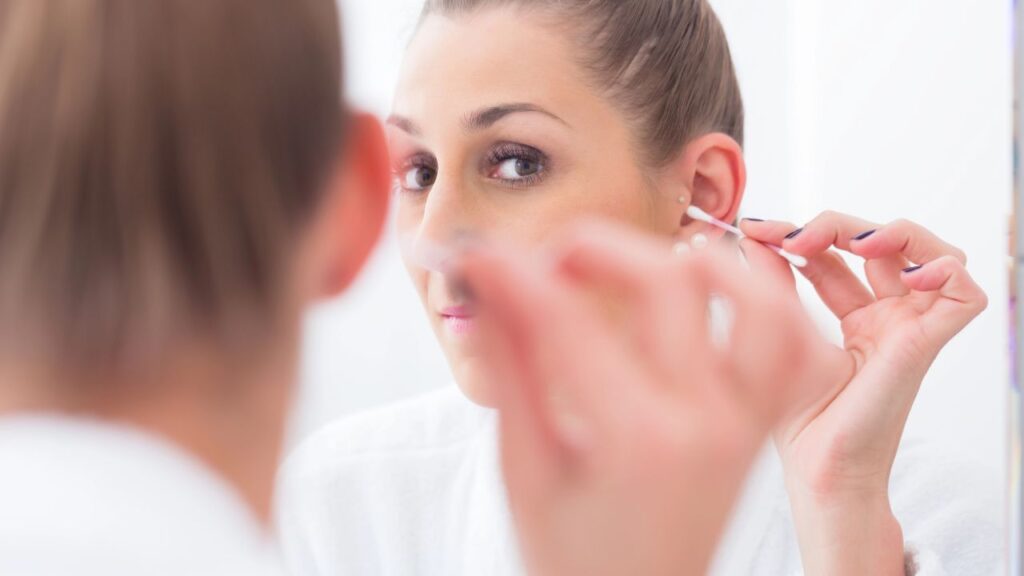
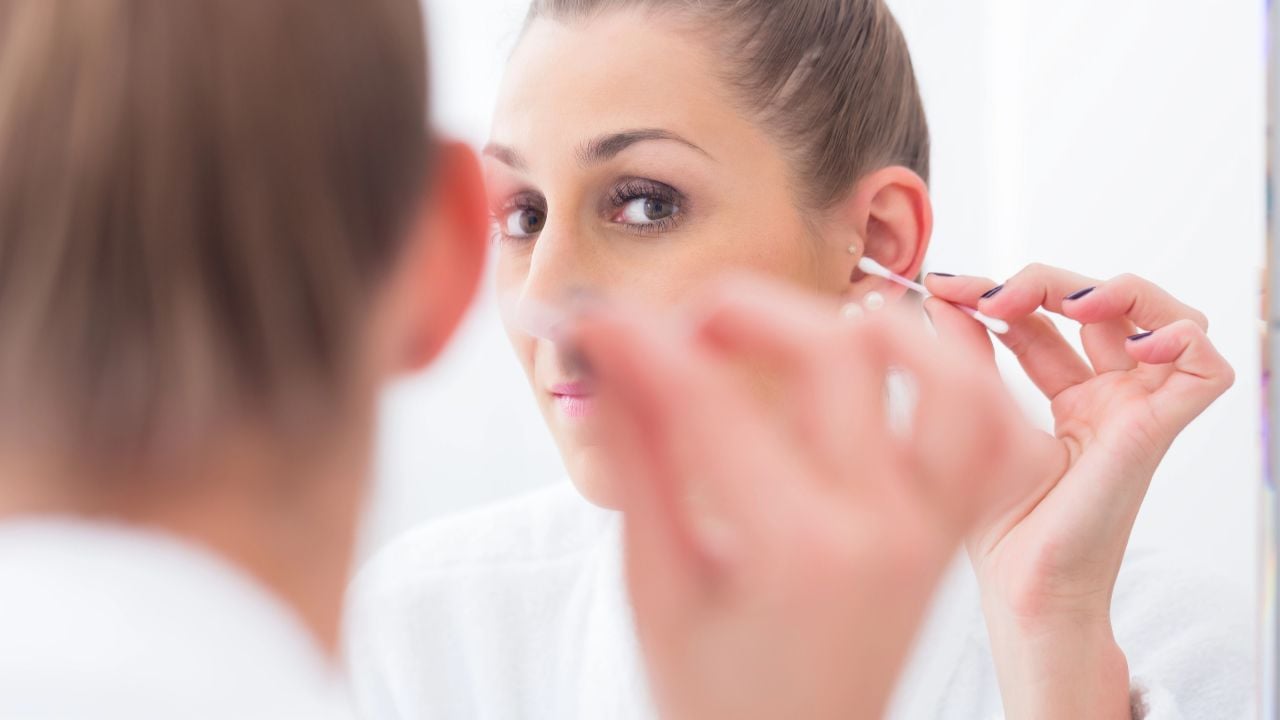
Using Q-Tips Inside Your Ears
Plenty of people still use cotton swabs for ear cleaning, even though the box literally warns against it. Instead of clearing wax, it just pushes it further in.
Doctors have been telling us this for years, but old habits stick. Some people swear by the “just a little twist” method.
The safer option is to let ears clean themselves or use drops designed for it.
Ignoring the warning labels is why Q-Tips sell so well in the first place.
Microwaving Leftovers in the Wrong Container
Many people reheat food in whatever container it came in, whether it’s a takeout box or a plastic tub from last week. The problem is, not all containers are microwave safe.
Cardboard boxes with metal handles spark, and old margarine tubs melt faster than ice cream in July.
The result is food that tastes like chemicals or, worse, a damaged microwave.
Spending two seconds to grab a glass Pyrex dish saves you from the mess.
Using Too Much Toothpaste
Commercials always show toothbrushes loaded with paste from end to end. The truth is, you only need a pea-sized amount.
Covering the entire brush just wastes product and can even make brushing less effective.
Dentists have said it for years, but people still squeeze the tube like they’re frosting a cake.
Colgate and Crest probably don’t mind, but your wallet might.
Wearing Out Sneakers Too Long
Sneakers are comfortable, but many Americans keep them well past their prime. Once the cushioning is gone, the shoes stop supporting your feet.
People wear them until holes show up, insisting they’re “broken in.” The truth is, they’re broken down.
This habit leads to sore backs, sore knees, and plenty of silent judgment from friends.
Buying a new pair at Nike or even Costco is usually cheaper than a chiropractor bill.
Using Nonstick Pans With Metal Utensils
Lots of people scrape away with forks or knives on nonstick pans. It feels harmless in the moment, but it ruins the coating almost instantly.
Once scratched, the pan loses its nonstick power and can even release flakes into your food. That’s not exactly appetizing.
Silicone or wooden utensils are designed to solve this problem, but old habits die hard.
Gordon Ramsay would probably yell if he saw someone doing this at home, and honestly, he would be right.
Overloading Power Strips
It’s tempting to plug everything into one strip to avoid hunting for outlets, but those little bars aren’t designed to handle endless cords.
Overloading them is a fire hazard, even if it seems convenient at the time.
Plenty of people treat them like unlimited charging stations for phones, laptops, lamps, and holiday lights all at once.
The truth is, if your power strip looks like something from a Best Buy clearance bin, it’s time to unplug a few things.
Tossing Pasta Against the Wall to Test It
Some people still throw spaghetti at the wall to see if it sticks. While funny, it’s not an accurate test of whether pasta is cooked.
More often, it just leaves a starchy streak on the kitchen wall. The real way is to taste it.
This trick has been passed down for generations, but it was never really reliable.
Restaurants like Olive Garden aren’t tossing pasta at their walls, and neither should you.
Putting Knives in the Dishwasher
It’s easy to toss sharp knives into the dishwasher with everything else, but the hot water and detergent dull blades quickly.
The constant banging against other utensils also chips the edges. Knives end up ruined long before their time.
Hand-washing takes a few extra minutes, but it keeps them sharp and safe to use.
If you spent good money at Williams Sonoma or even Walmart on a knife set, it’s worth protecting.
Using Too Much Shampoo
Shampoo commercials love to show people with a palm full of suds, but in reality most hair only needs a small amount.
Overloading your scalp with product can dry it out and strip natural oils. It also means bottles empty twice as fast.
Stylists have been saying this for years, yet many people keep pouring like they’re filling a Big Gulp.
If your shampoo keeps running out before your conditioner, you’re definitely overdoing it.
Loading Your Dishwasher Incorrectly
Plates facing random directions, spoons stacked together, and big pans blocking the spray arm, it’s a common sight. Most people never read the manual.
Dishwashers are designed with patterns in mind so water hits every surface, but haphazard loading wastes the cycle.
Instead of sparkling clean, dishes come out with dried spaghetti sauce still clinging to them.
It’s the reason appliance companies like GE quietly judge us every day.
Using Dull Kitchen Knives
Plenty of people hack away at vegetables with knives so dull they barely cut butter. It feels safe, but it’s actually more dangerous.
A dull blade slips easily, which is why so many home cooks end up with tiny cuts while slicing onions.
Sharpening once in a while keeps things safer and faster, but it’s often ignored.
If you’re sawing through tomatoes like it’s lumber, it’s time to invest in a sharpener.
Misusing Measuring Cups
Dry ingredients in liquid cups, liquids in dry cups, it happens in kitchens everywhere. People grab whatever is closest and call it good enough.
Recipes end up inconsistent, and sometimes disasters come out of the oven because the measurements were off.
Using the right tool makes all the difference, but many people never learned the distinction.
Even Betty Crocker would shake her head at the way some of us measure flour.
Using Kitchen Scissors on Everything
Kitchen shears are handy, but some people use them for cardboard, plastic packaging, and even garden plants. The problem is that once they’re dull, they barely cut food.
Cross-contamination is another issue, since nobody wants chicken germs on their craft project.
Scissors are meant to be versatile, but they aren’t indestructible.
If you find yourself hacking open an Amazon box with the same pair you use for herbs, it’s time for a second set.
Ignoring Expiration Dates on Spices
Many Americans keep spices in the cabinet for decades, assuming they last forever. The truth is, they lose flavor long before they look “bad.”
Paprika from the 1990s won’t hurt you, but it’s basically colorful dust at that point.
Fresh spices make a huge difference in cooking, yet people keep clinging to old jars.
If your oregano still has a price tag from Kmart, it’s probably time to toss it.
Using Nonstick Spray on Nonstick Pans
It sounds harmless, but spraying nonstick pans with cooking spray actually damages the coating. It leaves a sticky residue that never fully washes off.
Over time, the pan becomes less nonstick and more frustrating.
Manufacturers often recommend a little oil or butter instead, but people keep reaching for that yellow can.
Pam may be popular, but it’s not doing your skillet any favors.
Charging Phones Overnight Every Night
Most people plug their phones in before bed and leave them charging until morning. While convenient, it shortens battery life over time.
Lithium batteries don’t like being at 100 percent constantly, and the habit slowly wears them out.
Instead of lasting all day, your phone starts gasping by lunchtime.
Apple and Samsung have added features to reduce the issue, but the best fix is unplugging sooner.
17 Decor Items That’ll Make Your Home Look Cheap

No one wants to hear their home looks cheap. But sometimes, a cheap-looking home doesn’t reflect what you spent on it. It reflects the decor you chose.
17 Decor Items That’ll Make Your Home Look Cheap
17 Life Hacks That Are Harder Than the Non-Hack

Life hacks are supposed to make your life easier, and sometimes they really do. However, the internet is rife with hacks that aren’t actually effective.
17 Life Hacks That Are Harder Than the Non-Hack
Think You Belong in a Different Decade?
From big bands to big hair, our playful Decade DNA Quiz reveals which classic American era fits your personality best. It’s fast, fun, and full of vintage flair.
Meet Your Match. Discover Your Decade DNA. (Your Vintage Roots Are Showing)