19 Historic Foods and Drinks That Were Banned in Nevada and Across the U.S.

What we consume tells a story, and sometimes that story includes government bans, moral panics, and safety scares.
Some food and drink bans in the U.S. were grounded in science. Others mirrored the fears of their moment more than facts.
Here are some of the historic foods, drinks, and ingredients that so many Nevadans and Americans across the country once consumed before they were banned and pulled from grocery store shelves.
Absinthe
Green, aromatic, and wrapped in myth, absinthe is an anise-flavored spirit that became a scapegoat for social ills in the early 1900s.
Fears about wormwood and “madness” pushed a nationwide ban, sidelining the spirit in bars and cookbooks alike.
Decades later, closer testing undercut the hysteria, and regulated versions of absinthe returned to shelves. Even so, the legend of the “forbidden” drink lingers longer than the ban itself.
It’s a case study in how folklore can outlast the footnotes of science.
Trans Fats
For a few decades, partially hydrogenated oils were everywhere, from fries to frosting.
Then epidemiology linked them to heart disease, and the regulatory tide turned.
Manufacturers reformulated, labels changed, and the pantry map shifted in a few short years.
As of January 1, 2021, artificial trans fats are banned from American products. Today, trans fats sit in the cautionary chapter of American food history.
Tonics with Cocaine
Victorian medicine blurred the lines between remedy and recreation.
Patent tonics promised pep and relief, and some contained cocaine in measured doses.
As drug laws tightened, the bottles disappeared from shelves and advertisements.
What was once respectable became unthinkable, and the pharmacy aisle reinvented itself.
Margarine Dyed Yellow
Butter’s rival arrived with a marketing problem, and a political one.
To keep shoppers from confusing margarine with butter, many states outlawed yellow dye or demanded vivid alternatives. By the time 1898 rolled around, 26 states had banned yellow-colored margarine.
Some states even pushed pink, a shade no breakfast table ever asked for.
Nowadays, margarine is back to being allowed to be yellow. But we bet you’ll never look at margarine the same after reading this.
Raw Milk
Unpasteurized milk occupies a perennial gray area between tradition and risk.
Public health officials flag pathogens; raw milk advocates tout taste and heritage.
Because of that tension, store sales are banned or tightly restricted in many states, pushing purchases to farm gates.
The debate keeps circling back to the same question: freedom of choice versus community safety.
Sassafras Tea
For generations, sassafras root tea lived in medicine cabinets and back porches.
Then studies spotlighted safrole, a compound tied to cancer risks, and regulators stepped in.
The flavor never vanished, but real root gave way to imitation essences and nostalgic memories, as sassafras oil was banned for use in commercial foods and drugs.
What was once a home remedy became a cautionary tale about “natural” not always meaning harmless.
Coca-Cola (The Original Formula)
The earliest Coca-Cola leaned on coca leaf extract before chemistry and law caught up.
Regulators later required “decocainized” leaf, reshaping the recipe while preserving the brand’s mystique.
By then, the formula had already shifted from pharmacy counter to soda fountain icon.
The modern Coca-Cola can is legal everywhere in America. The original is now nothing more than a museum piece.
It’s proof that a product can survive a ban by changing just enough to endure.
Four Loko (Original Recipe)
At the height of its notoriety, this can mixed high alcohol with caffeine and sweet flavoring.
Colleges, campuses, and ERs complained, and regulators pressured a reformulation.
The caffeine disappeared, the neon branding stayed, and the nickname stuck. Parents learned the label as fast as students learned the nickname.
The lesson: packaging can outlive a recipe.
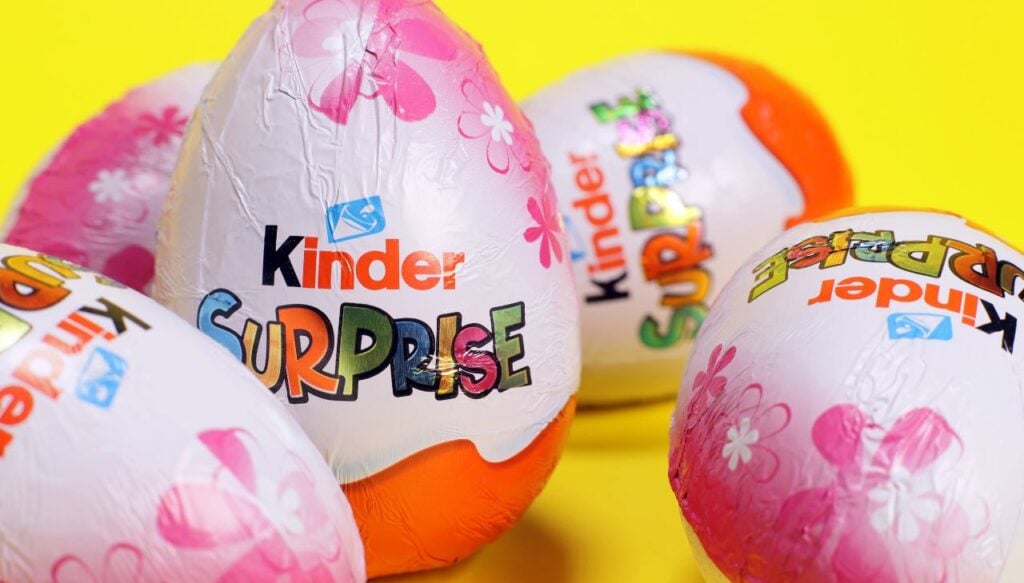
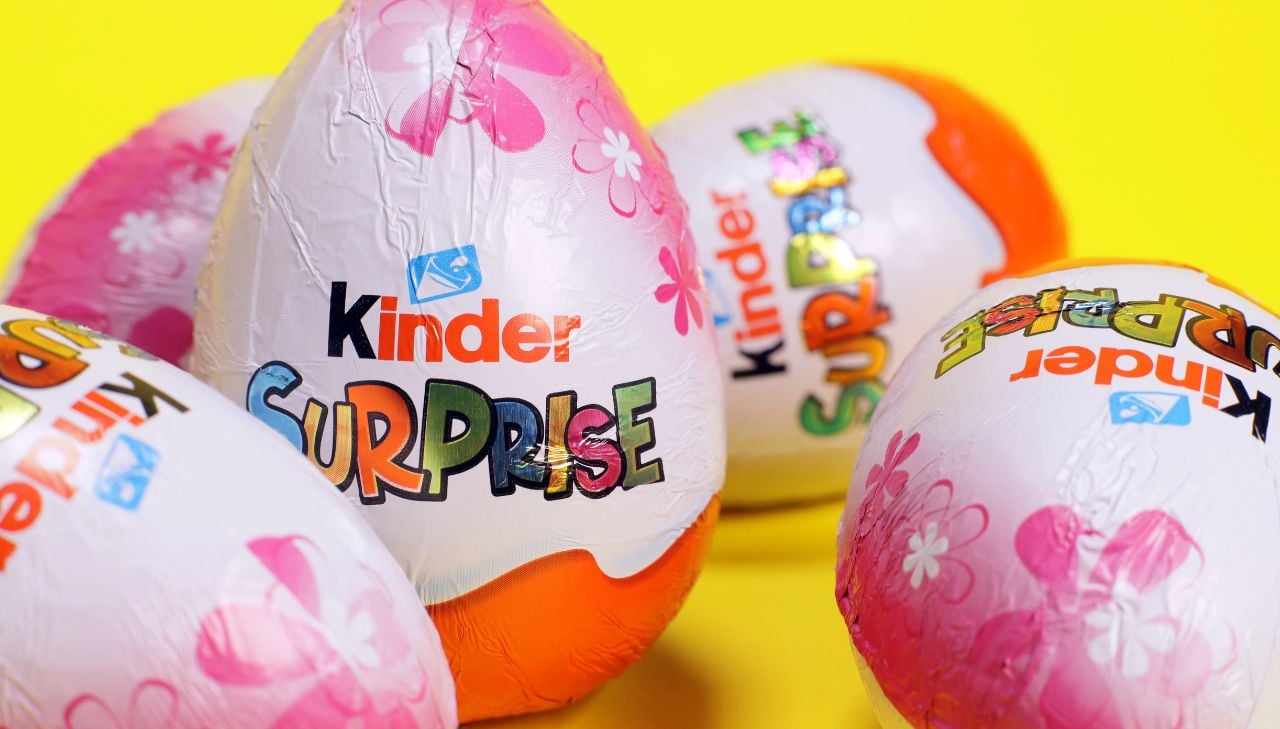
Kinder Surprise Eggs
Americans saw the commercials, then learned they weren’t allowed the same treat.
Embedding a solid toy inside candy raised choking concerns, so the Kinder Surprise Egg was banned from the U.S.
Manufacturers eventually reworked the concept by separating the chocolate from the toy so that Americans could enjoy a version of Kinder eggs.
It’s a reminder that what’s normal to one country can be a nonstarter to another.
Shark Fins
Luxury and status met wildlife ethics in a tug-of-war over shark fins.
Many states moved to curb sales and possession, aiming to protect declining shark populations.
As of December 2022, it’s now illegal to sell and possess shark fins in the U.S.
Restaurants pivoted, wedding menus shifted, and suppliers reorganized their shelves.
Horse Meat
Once eaten in lean times, horse meat slid into cultural taboo in America.
Federal hurdles and funding restrictions effectively shuttered domestic slaughter plants because there are essentially no USDA-regulated options.
So, while consuming horse meat technically isn’t illegal in the U.S., it’s essentially impossible for Americans to access it.
Imports became rare, menus quietly moved on, and sentiment hardened around the animal’s role.
Policy, perception, and ethics converged until the market simply faded from view.
Blood Sausages
Old World recipes traveled with immigrants, then hit modern American health codes.
Inspection rules, sourcing standards, and labeling requirements narrowed what kinds of blood sausages could be sold.
In many places, the result felt like a ban, even when the law technically allowed for it. However, some ingredients in certain blood sausages, such as sheep lung, are outright illegal in the U.S.
The dishes haven’t completely vanished; they just moved from grocery aisles to specialty counters with changed ingredients that make blood sausages legal to sell.
Where there’s tradition, there’s a butcher who still knows the recipe.
Alcohol During Prohibition
When the U.S. tried to legislate sobriety, it found loopholes instead.
Speakeasies blossomed, bootleggers got rich, and cocktail culture got creative.
The experiment ended, but its shadows shaped American drinking for generations.
History decided to remake hangovers part of America’s story.
Ephedra
Before ephedra’s ban in 2004, supplement bottles promised energy, focus, and rapid weight loss.
However, reports of cardiovascular harm brought scrutiny, then a decisive regulatory line.
Brands reformulated or vanished, and consumers recalibrated what “herbal” might mean.
Sometimes the danger isn’t in the fork, but in the pill next to it.
Turtle Soup from Specific Species
From Gilded Age banquets to backroad diners, turtle soup once signaled an occasion in the U.S.
Overharvest and conservation lists changed the equation, and now it’s illegal to consume turtle soup from several species of sea turtles and land turtles.
Protections vary, but the effect for many kitchens reads as a ban.
Imports of Casu Marzu
Casu marzu is cheese with living maggots inside it. Gross, right?
Brave souls love casu marzu, which originated in Sardinia, Italy. However, U.S. regulators draw a bright line at the border, prioritizing sanitation standards.
Casu marzu is illegal in the U.S. So, if you want to try it, you’ll need to go abroad.
Commercial Whale Meat
Commercial whaling’s decline reshaped what Americans could legally serve.
Stronger protections and import limits pushed whale off menus and out of shops.
That said, while it’s illegal to eat whale meat in the U.S., the law includes exceptions for Native Americans.
What once traveled as exotic protein now sits squarely in the conservation column for the rest of us.
Red Dye No. 2
As of January 2025, Red Dye No. 2 is banned in the U.S., although manufacturers are receiving a phase-out period.
Companies that make red-colored candies, drinks, and baking mixes are scrambling to swap colors or change labels.
Some Americans praise the change, citing health reasons, while others criticize whether it’s necessary.
Regardless, Americans will soon lose access to products with Red Dye No. 2.
Cyclamate Sweeteners
Before the modern wave of sugar substitutes, cyclamate sweetened sodas and desserts.
Safety debates and policy reversals pulled it from American shelves in 1969 ,even as other countries continued.
Manufacturers pivoted to new molecules; consumers adjusted expectations and recipes.
Today, cyclamate sweeteners are a ghost ingredient, familiar to history buffs and unknown to most shoppers.
19 Historical U.S. Myths That Annoy History Buffs to the Core

If your teacher taught it in history class, it’s normal to assume it’s true. Ask any historian, though, and you might be surprised to learn the stuff of school history lessons is often riddled with inaccuracies.
19 Historical U.S. Myths That Annoy History Buffs to the Core
20 Nostalgic Things Americans Could Buy for Under $1 Back in the Day
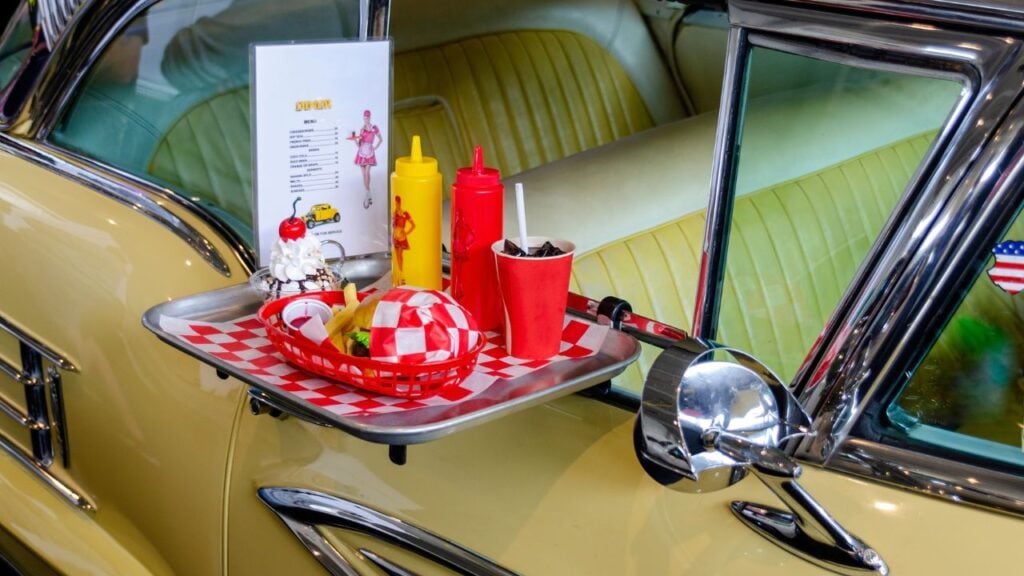
It’s hard to believe now, but there was a time when $1 could buy something meaningful.
Let’s take a trip back to the days when Americans’ pockets didn’t need much cash to bring home something fun, useful, or just plain delicious.
20 Nostalgic Things Americans Could Buy for Under $1 Back in the Day
Which Classic American Decade Is Totally You?
Take a quick break and discover which classic American era matches your personality and old-school soul. Our Decade DNA Quiz is fast, fun, and full of feel-good retro energy.
Meet Your Match. Discover Your Decade DNA. (Your Vintage Roots Are Showing)