
19 Money Superstitions People Believe Around the World. How Many Have You Heard of, Mainers?

Money isn’t just about math. It’s wrapped up in rituals, warnings, and little traditions around the world that refuse to die.
And Mainers, we’re guilty too. We’ll toss pennies into mall fountains and freak out if our purse touches the floor.
As it turns out, wallets carry a lot more than receipts. These are some of the most common money superstitions people in different cultures believe.
Never Whistle Indoors
In Russia, whistling indoors is believed to blow your money right out the door. The sound might be cheerful, but culturally it’s tied to financial loss.
Even a casual whistle while cleaning can earn you a sharp look. Older relatives will hush you faster than they hush the TV during hockey, and they take it seriously.
The belief is so strong that travel guides still caution tourists.
It’s not about being polite. It’s about not going broke, and people respect the rule.
So yes, whistling “Happy Birthday” could literally be taken as a financial risk in Russia. What seems playful elsewhere carries a warning there.
Coins in Rice Bowls
In many Asian households, rice is more than dinner; it’s abundance. Coins in jars of rice are believed to “feed” prosperity, and it’s a common household ritual.
Some even create decorative feng shui bowls with rice, coins, and crystals.
It’s like a DIY piggy bank with spiritual flair, often placed in kitchens or entryways.
Guests may spot one in a kitchen corner or on a shelf. It’s not just décor, it’s financial insurance, passed down through cultural tradition.
Americans have piggy banks. Other cultures have rice bowls. But the goal is exactly the same: don’t go broke.
Don’t Put Your Purse on the Floor
In much of Latin America and the U.S., people believe placing a purse on the ground means money will “fall away.”
The superstition is a warning to keep your finances elevated, both literally and figuratively.
It’s a superstition tied to respect for money. If you treat your wallet casually, it’s believed your finances will slip, and that mindset is still widespread today.
Think of it as the original version of “don’t put your iPhone on the ground.”
Different object, same anxiety, and equally emotionally problematic if ignored.
Don’t Gift an Empty Wallet
In many cultures, handing someone an empty wallet is like handing them bad luck. The belief is that without money inside, the gift sets the recipient up for poverty.
The rule: always tuck in at least one bill or coin.
Even a shiny quarter works and carries the symbolism of starting with abundance.
The superstition lingers in both weddings and birthdays, making it surprisingly practical advice.
Shoes With Coins
In Greece, slipping coins into new shoes is a way to “walk into” wealth. The ritual suggests every step should bring prosperity along with it.
It’s a tradition often tied to weddings. Grooms may place coins in their shoes for financial luck in married life, symbolizing stability.
Kids, too, sometimes get a coin in their first pair of shoes. It’s a start-your-life-off-right kind of charm, passed down from parents and grandparents.
Shoes might scuff, but the superstition says your wallet won’t. It’s a playful but enduring belief.
Don’t Count Money at Night
In Japan, an old belief warns against counting money after sunset. It’s thought that tallying your finances at night invites loss.
Nighttime is for rest. Tallying cash during dark hours is said to drain it, weakening future prosperity.
This practice still shows up in stories told by grandparents.
Banks may ignore it, but families quietly follow the rule when balancing household cash.
So, if you’re balancing your budget at 11 p.m., you might get side-eye in Tokyo.
Red Envelopes for Luck
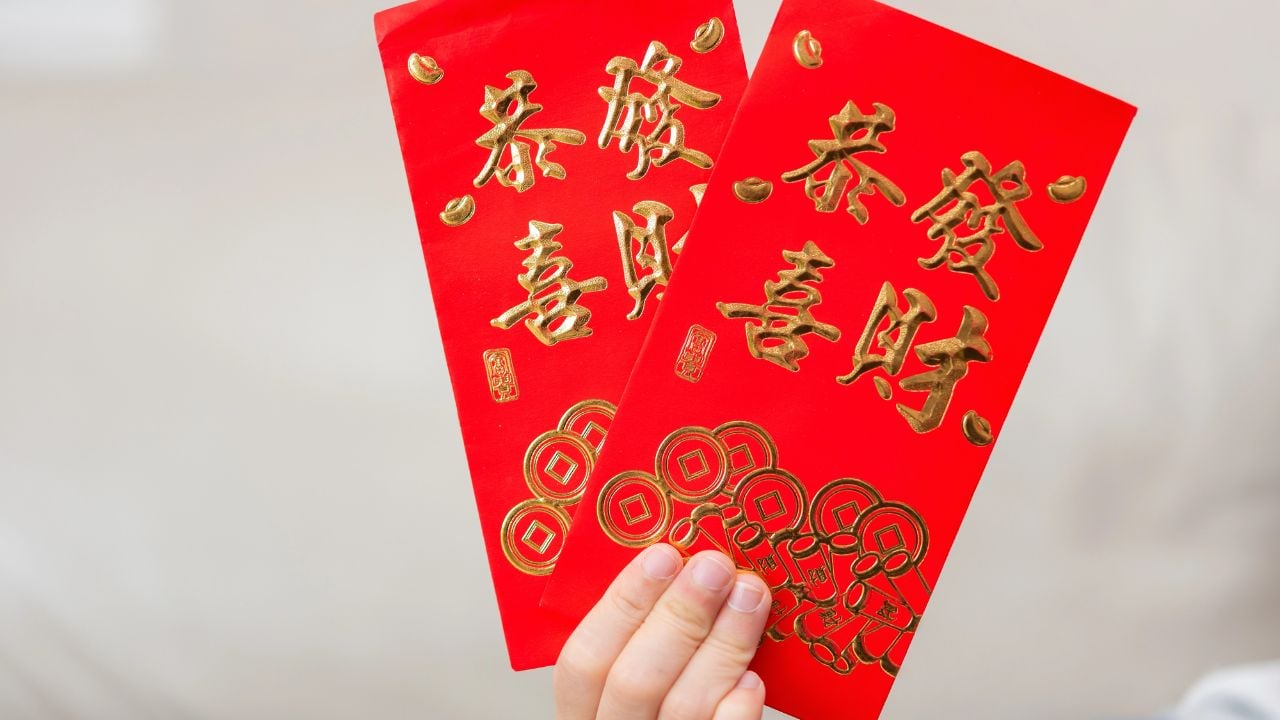
During Chinese New Year, red envelopes filled with cash symbolize prosperity. The envelopes aren’t just decorative; they’re deeply tied to family tradition.
The red color protects, and the money inside attracts wealth.
Families pass them to kids, employees, and sometimes friends, making it a broad practice.
Even modern apps like WeChat offer digital versions to keep the tradition alive. The superstition evolved into tech culture.
It’s like a Venmo transfer, but with way more festive energy. Digital or paper, the belief holds firm.
No Loans on Mondays
In some Caribbean cultures, lending money on a Monday sets a bad financial tone for the week. The superstition says you’ll spend the next six days losing cash.
Even if it’s just a $5 bill, the belief is that your fortune won’t rebound. Starting the week with a loss is believed to cascade.
Families sometimes refuse even small favors to avoid triggering the curse. It’s about preservation, not stinginess.
Call it the Monday curse, but for wallets. The rule is widely acknowledged even now.
Coins Under Trees
In Eastern Europe, families bury coins when planting new trees. The symbolism is straightforward: as the tree grows, so does wealth.
Some treat it as both a farming ritual and a financial charm. It’s deeply rooted in agricultural communities.
The tradition connects natural growth with financial stability. It’s about nurturing both the earth and your wallet.
It’s kind of like investing in Apple stock, only literally investing in an apple tree.
The metaphor is almost too perfect, wouldn’t you agree?
Dropped Coins Mean Riches
In the Philippines, dropping a coin is believed to bring incoming wealth. What looks like a clumsy mistake turns into fortune.
Families sometimes leave the coin where it fell, letting the luck “seal.” Picking it up too soon is thought to interrupt the flow.
It’s the opposite of Americans rushing to pick it up and toss it in a Coinstar. Here, patience is rewarded.
What seems like an accident elsewhere is a sign of future gain. The story transforms a slip into hope.
Cash in Your Pocket on New Year’s
In many countries, having cash on you at midnight ensures abundance all year.
It’s like carrying prosperity into January.
It’s a performative superstition, but hey, it feels nice starting the year “loaded.” The ritual is part comfort, part hope.
Digital wallets may complicate things, but the ritual sticks. Cash still feels like the real deal.
Don’t Sweep at Night
In India, sweeping at night is thought to sweep away money. The broom becomes symbolic, brushing luck right out the door.
Families may avoid nighttime chores for this reason alone. It becomes a way to protect household fortune.
Some people even teach children the rule early. Superstition works like family instruction.
It’s not laziness, it’s financial preservation. Practical or not, the habit sticks.
Lucky Pennies
In the U.S., the phrase “Find a penny, pick it up” still circulates.
The catch: it only counts if it’s heads-up. Tails-up? Flip it for someone else and pass on the luck.
It’s a small ritual, but plenty of people still stoop to grab the coin. Even when pennies barely matter, luck does.
Penny value may be fading, but superstition hasn’t. Some habits die harder than coins.
Fish Scales in Wallets
In Poland, Christmas Eve dinner involves fish scales under plates. The scales carry luck into the next year.
After the meal, people tuck a scale into their wallets. It becomes a shiny, symbolic charm.
The belief says this ensures a full wallet all year. Fish becomes finance in cultural logic.
It’s like carrying a Costco membership card, security for the future. The ritual is small but meaningful.
No Money After Dark
In Turkey, giving money at night is believed to drain financial energy. The superstition is so strong that some refuse evening exchanges.
Transactions are kept for daylight hours. After dark, wallets stay shut until morning.
This applies to both casual lending and official exchanges. Banks may stay open late, but households avoid it.
Cash may be 24/7 in the U.S., but not in this tradition. Timing defines luck.
Eight Equals Wealth
In Chinese culture, the number eight is linked to wealth. The sound resembles the word for fortune.
People pay premiums for phone numbers, license plates, or apartments with eights. It’s considered an investment in prosperity.
Businesses even launch products on dates with eights. Marketing bends to superstition here.
It’s the financial equivalent of Americans chasing a winning lottery number. People want numbers with magic.
Fountain Coins
Tossing coins into fountains is a Western favorite. People equate the splash with a wish.
The ritual goes back to Europe, where wells were thought to bring fortune. Water was believed to hold power.
Americans still do it at malls, theme parks, and even Disney World. Spare change becomes hope.
It’s a wish, a prayer, and a financial hope, wrapped in spare change.
Don’t Pay Loans on New Year’s
In Scotland, paying debts on January 1st is unlucky. Settling up means more outflow later.
Doing so supposedly means you’ll pay out all year. The superstition warns against early generosity.
Families intentionally delay repayment for this reason. Even tiny debts wait until after.
It’s a financial “pause” button on tradition.
Grapes at Midnight
In Spain, people eat 12 grapes at New Year’s. Each grape represents a month of luck.
One for each month, each grape a blessing. Timing makes it meaningful.
If a piece or seed is left, it’s believed to bring extra cash.
Call it financial snacking with superstition.
34 Cities With Sky-High Rent Prices

Apartment finder platform Zumper ranked the top 35 cities with high rent prices for a one-bedroom apartment. If you’re curious how much money fellow Americans pay to rent a one-bedroom apartment, or if you’re thinking of moving soon, you need to see the results.
34 Cities With Sky-High Rent Prices for 1 Bedroom Apartments
12 Ways Americans Can Make Big Money From AI

Like it or hate it, artificial intelligence is here to stay. Despite understandable concerns about AI, many Americans have found practical ways to generate income from it.
12 Ways Americans Can Make Big Money From Artificial Intelligence
Think You Belong in a Different Decade?
From big bands to big hair, our playful Decade DNA Quiz reveals which classic American era fits your personality best. It’s fast, fun, and full of vintage flair.
Meet Your Match. Discover Your Decade DNA. (Your Vintage Roots Are Showing)

