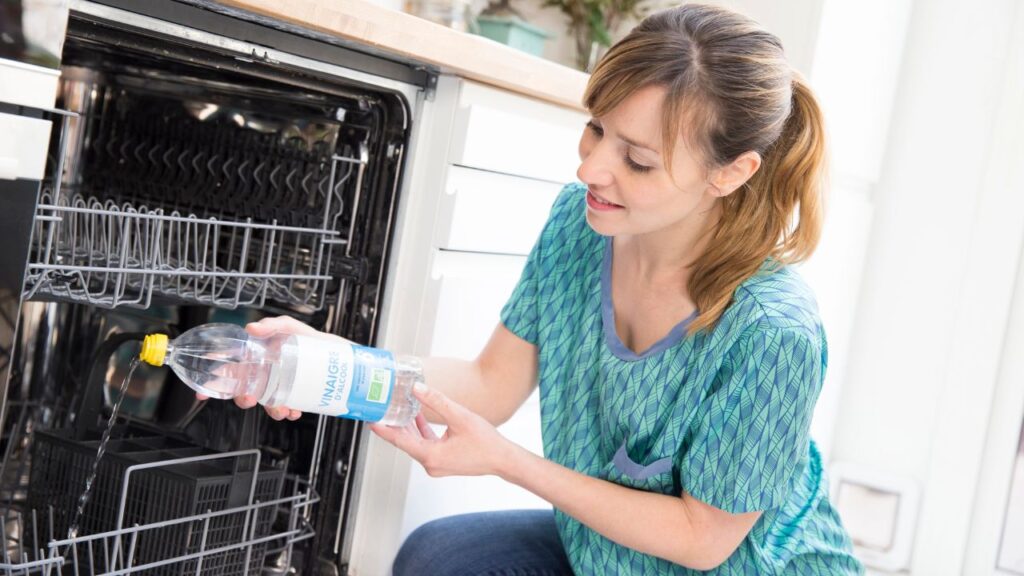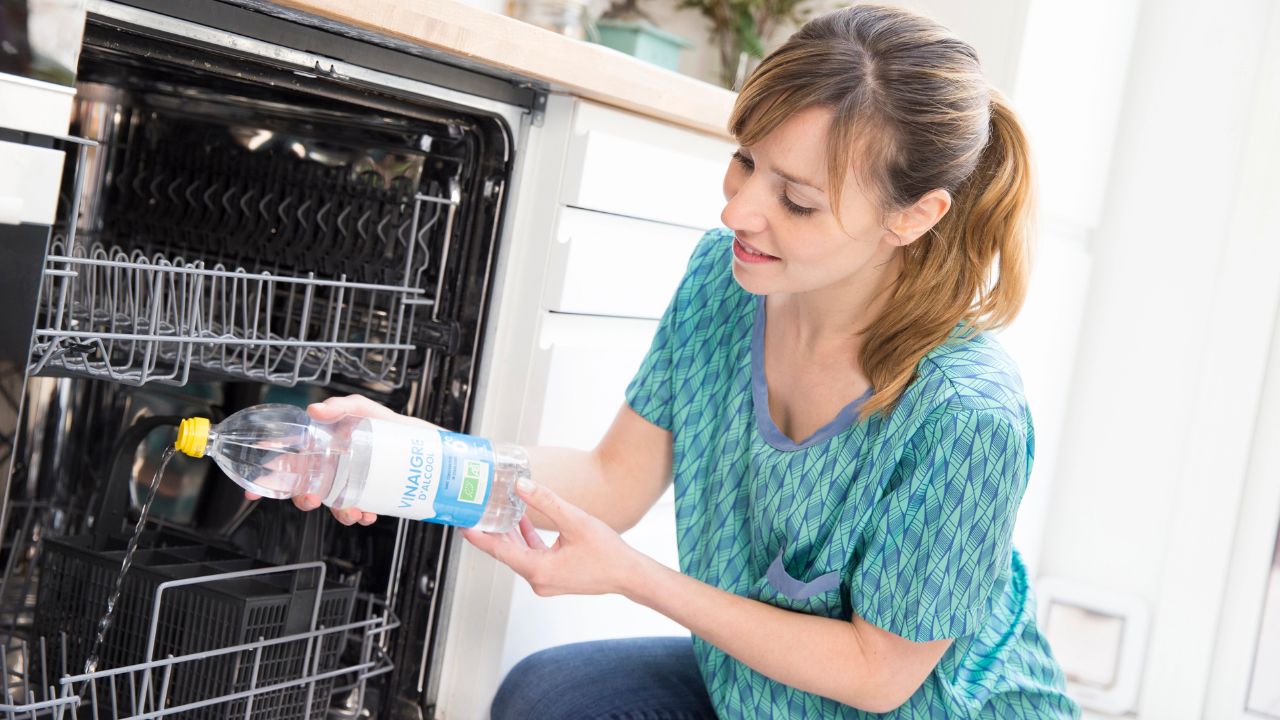
19 Things New Mexicans Should Never Clean With Vinegar

New Mexicans love a good cleaning shortcut, and vinegar has been the star of the show for decades. It’s like the duct tape of cleaning supplies: cheap, versatile, and always sitting in the pantry.
But vinegar isn’t the hero in every situation. Sometimes it can actually damage the very thing you’re trying to save.
From streaky windows to ruined stone countertops, these are the spots where vinegar goes from helper to headache in seconds.
Hardwood Floors
Using vinegar on hardwood may seem like a good idea, but it can strip away protective finishes. The result is dull, lifeless wood that looks worn before its time.
Vinegar’s acidity breaks down the sealants designed to keep wood safe from moisture.
Once the finish weakens, scratches and water stains appear more easily.
People often like vinegar for its fresh scent and streak-free results. Unfortunately, it leaves long-term damage behind.
A gentle wood cleaner or a mix made for hardwood floors is the better option. It preserves beauty without risk.
Electronic Screens
Vinegar should never touch phone, tablet, or TV screens. The liquid can seep into edges and cause internal damage.
Even on the surface, vinegar eats away at protective coatings. Instead of a crystal-clear display, streaks and scratches start to appear.
Many people believe vinegar will wipe away fingerprints and dust. What they get instead is a screen that looks worse over time.
Microfiber cloths and screen-safe sprays keep electronics clean without danger. They maintain clarity and extend the device’s life.
Natural Stone Countertops
Vinegar’s acidity can dull and etch the surface of natural stone like granite, marble, or limestone. What looks like a quick cleaning fix often leaves behind cloudy spots.
The damage happens because vinegar reacts with the minerals in stone. Over time, it eats away at the smooth finish that makes these surfaces appealing.
Many homeowners assume vinegar is safe because it’s natural. In reality, the risk of permanent marks is high.
Special stone cleaners or mild soap and water are safer choices. They protect the shine without the hidden harm.
Cast Iron Pans
Vinegar may seem like a quick way to clean cast iron, but it breaks down the seasoned layer that makes these pans nonstick and durable.
The acidity reacts with the iron itself, stripping away the finish and exposing the metal underneath. That’s when rust begins to form.
Even short soaks in vinegar can undo years of careful seasoning. The pan loses its natural cooking surface.
Warm water, salt, and gentle scrubbing protect cast iron. These methods clean without destroying its value.
Aluminum Cookware
Vinegar reacts poorly with aluminum, leaving pits and dark marks on the surface. Instead of cleaning, it ends up damaging the material.
The reaction happens because vinegar is acidic. Aluminum is soft and easily affected by that kind of exposure.
Even brief contact can leave cookware looking worn and unappealing. Over time, the damage becomes permanent.
Mild dish soap and warm water are safer choices. They clean effectively without harming the cookware.
Egg Stains or Spills
It may seem natural to pour vinegar on an egg spill, but the opposite happens. The acidity causes the proteins to thicken, making the mess even harder to remove.
What starts as a simple wipe-up can turn into a sticky, rubbery mess. It clings to surfaces instead of loosening.
People often assume vinegar is a universal cleaner. In this case, it works against the goal.
Soap and warm water are more effective for breaking down egg residue. They lift it away quickly without extra effort.
Knives with Steel Blades
Vinegar can corrode steel, leaving blades dull and spotted. For knives, this is especially damaging since their sharpness is essential.
Many people soak knives in vinegar to remove stains. What they don’t realize is that it eats away at the metal.
Even high-quality blades aren’t immune. Prolonged exposure shortens their lifespan.
Gentle hand washing with soap and drying right away keeps knives in top condition. Vinegar is best avoided here.
Waxed Furniture
Furniture with a wax finish reacts badly to vinegar. The acid strips away the protective coating, leaving wood underneath vulnerable.
The damage shows up as streaks, cloudiness, and uneven patches. Once the wax is gone, the surface becomes dull.
People often want to use vinegar for quick polishing. Instead, they remove the very layer meant to keep furniture safe.
Cleaners made for wood or a simple damp cloth are far better. They maintain the finish and prevent long-term harm.
Pearls and Delicate Jewelry
Vinegar may look harmless, but it dissolves the delicate surface of pearls. The glossy finish that makes them valuable disappears quickly.
The acid breaks down the calcium carbonate in pearls. Once that layer erodes, the luster never comes back.
Even short contact can cause permanent dullness. Other soft gemstones may also lose their shine.
A soft cloth with mild soap and water keeps jewelry safe. Harsh cleaners like vinegar should never be used.
Grout with Sealant
Unsealed grout can sometimes be cleaned with vinegar, but sealed grout is different. The acid breaks down the sealant that keeps stains out.
When the sealant wears away, dirt and moisture sink in. The grout becomes harder to keep clean.
People often don’t realize this until the grout darkens permanently. The vinegar does more harm than good.
Special grout cleaners protect both the sealant and the surface. They extend the life of the floor or wall.
Irons and Steam Cleaners
Vinegar poured into steam appliances can corrode internal parts. What seems like a good way to clear buildup ends up wearing the machine down.
The acid damages rubber seals and metal components inside. Over time, the device leaks or stops working properly.
Because the damage happens inside, many people don’t notice it right away. By the time they do, repairs are costly.
Manufacturer-recommended cleaners or distilled water work better. They prevent buildup without damaging the machine.
Rubber Components
Using vinegar on rubber gaskets, seals, or hoses weakens the material. Cracks and brittleness develop faster than they should.
The acid strips away flexibility, leaving rubber less effective. Appliances and containers that rely on rubber parts stop sealing tightly.
This often shows up in dishwashers, washing machines, or food storage lids. A good seal is crucial, and vinegar shortens its lifespan.
Warm soapy water is safer for rubber. It cleans without breaking down the material.
Stone Tile Flooring
Using vinegar on stone tile flooring may seem convenient, but the acid weakens and dulls the surface. It strips away natural beauty over time.
The reaction is slow but damaging. Each cleaning wears down the finish, leaving the floor looking cloudy.
People often don’t notice until the damage is advanced. By then, the floor has lost its polished look.
A pH-neutral cleaner is the safer choice. It keeps the stone strong without causing erosion.
Washing Machines
Pouring vinegar into washing machines can corrode hoses and seals. Instead of cleaning, it slowly shortens the life of the appliance.
The acid damages rubber and plastic components, which leads to leaks and malfunctions.
While many people think vinegar is safe for laundry, it does more harm inside the machine than outside.
Using products designed for washing machine maintenance prevents buildup without the risk of damage.
Stainless Steel Surfaces
Stainless steel and vinegar don’t mix well. Over time, the acid leaves streaks, discoloration, and even small pits in the metal.
The sleek shine people love fades with repeated exposure. It takes away the polished look that makes stainless steel attractive.
Even when diluted, vinegar creates long-term wear. It seems harmless but gradually breaks down the protective coating.
Gentle cleaners made for stainless steel are a much safer option. They preserve both shine and durability.
Ceramic Cookware
Ceramic pans and bakeware often have protective glazes that vinegar can strip away. Once that finish is damaged, food sticks more easily.
The glaze is designed to keep surfaces smooth. Vinegar’s acidity weakens it, making the cookware less effective.
Over time, the pan loses its nonstick properties. The surface becomes rough and stained.
Mild dish soap and soft sponges clean ceramic safely. Vinegar isn’t worth the risk.
Screens on Cars and GPS Units
The protective coating on car touchscreens and GPS units can be ruined by vinegar. Instead of a clear display, the screen ends up scratched and cloudy.
The acid wears down the thin film that guards against fingerprints and glare. Once it’s gone, visibility drops.
People often reach for vinegar because it cuts through smudges, but the long-term damage outweighs the short-term shine.
Screen-safe wipes or sprays designed for electronics are the best option. They clean without stripping away protection.
Aluminum Foil Baking Trays
Vinegar corrodes disposable aluminum trays, leaving holes and metallic residue. What starts as a quick cleanup trick turns into a bigger mess.
The acid reacts quickly with the thin metal. Food stored in the tray can even take on a metallic taste.
Instead of preserving the tray, vinegar shortens its life and makes it unsafe for reuse.
Soap and hot water are better for cleaning trays if they’re sturdy enough to keep. For disposable ones, tossing them is the safest choice.
Touchscreen Appliances
Kitchen appliances with digital displays, like ovens or microwaves, are easily damaged by vinegar. The acid can seep around buttons and break down coatings.
What looks like a safe way to wipe away grease often leaves permanent streaks or cloudy patches.
Inside the panel, vinegar may corrode sensitive parts, leading to malfunctions.
A damp microfiber cloth keeps these screens safe. For tougher spots, appliance-safe cleaners are the right choice.
18 Recipes Grandmas Always Took to Church Potlucks

In old-school America, your grandma didn’t need a crown to rule the church potluck. She just needed a slow cooker and a handwritten recipe card.
18 Recipes Grandmas Always Took to Church Potlucks
14 Restrictions American Men Faced in the Early 1900s

One hundred years ago, there were many things men weren’t allowed to do from a legal or societal perspective.
Whether it was about fashion, feelings, or family roles, these are some of the strict rules that governed men a century or more ago.
14 Restrictions American Men Faced in the Early 1900s
Think You Belong in a Different Decade?
From big bands to big hair, our playful Decade DNA Quiz reveals which classic American era fits your personality best. It’s fast, fun, and full of vintage flair.
Meet Your Match. Discover Your Decade DNA. (Your Vintage Roots Are Showing)