20 Bizarre Jobs From the 1800s That Don’t Make Sense to Californians Now

The 1800s were full of unusual professions that seem almost unbelievable today.
Back then, people found work in ways that reflected the needs and quirks of the era.
In California, where the Gold Rush drew thousands searching for opportunity, countless odd jobs popped up to meet demand.
In hindsight, certain occupations feel unusual next to what people typically view as work now.
Leech Collectors
Doctors in the 1800s often relied on bloodletting as a cure, which meant they needed a steady supply of leeches. That gave rise to the job of leech collector.
Workers waded into ponds and streams, letting leeches attach to their legs before pulling them off by the handful. It was messy and painful work.
Collectors sometimes used animals instead, but the process was still uncomfortable and unpredictable.
It’s hard to imagine anyone today making a living by letting parasites bite them, but it was a legitimate profession then.
Knocker-Ups
Before alarm clocks were common, towns hired people called knocker-ups to wake workers in the morning.
They carried long sticks and tapped on bedroom windows until people stirred. Some even used pea shooters to get attention.
The job required reliability and early rising, since factories and businesses depended on workers being on time.
Now, alarms and phones do the job instantly, making the idea of paying someone to knock on your window sound bizarre.
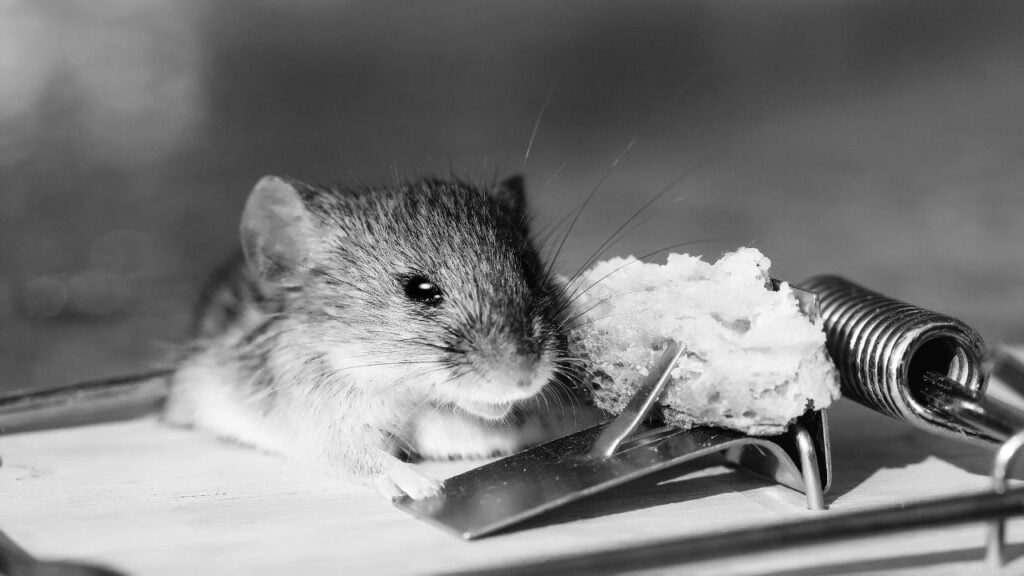
Rat Catchers
Cities in the 1800s struggled with rats, which spread disease and destroyed food supplies. Rat catchers were hired to hunt them down.
They used traps, dogs, and sometimes even their bare hands. Pay was usually by the rat, so the more they caught, the better.
The work was risky, since bites and infections were common. Still, the job was considered essential in crowded towns.
Today, pest control looks much more professional, but back then rat catching was a dirty necessity.
Gong Farmers
Sanitation wasn’t modernized in the 1800s, so people called gong farmers were tasked with emptying cesspits and collecting human waste.
They worked mostly at night, hauling waste out by the bucket and carting it away. The smell and conditions were notoriously awful.
Despite the unpleasant work, the job was important for public health, even if it was looked down on socially.
It’s one of those jobs that makes you grateful for indoor plumbing and modern sewage systems.
Resurrectionists
Medical schools in the 1800s needed cadavers to study, but laws made it hard to get them. That’s where resurrectionists came in.
They dug up freshly buried bodies and sold them to doctors and universities. It was risky, secretive work.
Grave robbing was illegal and often dangerous, but demand kept the trade alive. Some even became notorious in their towns.
Today, medical research relies on donations, making this once-lucrative job both illegal and unthinkable.
Mudlarks
In big cities, poor children and adults sometimes survived by digging through river mud for anything valuable. They were known as mudlarks.
They searched for coins, scrap metal, or anything they could sell. The work was filthy and often dangerous.
Cuts, infections, and even drowning were constant risks. Still, it provided just enough to get by.
Now, scavenging in polluted rivers feels like the last thing anyone would consider a career.
Lamp Lighters
Before electricity, streets were lit by gas lamps. Lamp lighters walked from post to post each evening to light them, then returned in the morning to put them out.
It required precision and reliability, since towns depended on those lights for safety.
The job faded quickly once electric lighting spread, but for decades it was an everyday necessity.
Today, the idea of hiring someone to light every street by hand seems impractical, but it once kept cities running.
Sin-Eaters
In some communities, families paid a sin-eater to perform a ritual where they symbolically took on the sins of the deceased.
The practice involved eating bread and drinking ale over the body, believed to transfer the sins into the eater.
Sin-eaters were often outcasts, respected for their role but avoided in daily life.
It’s a strange mix of ritual and superstition that feels out of place today.
Fullers
Before modern laundry services, fullers cleaned and thickened wool cloth by stomping on it in tubs filled with water, soap, and sometimes urine.
The job was exhausting, smelly, and messy, but it was crucial for making durable fabric.
Fullers often worked long hours in harsh conditions, repeating the same motions over and over.
It’s hard to imagine anyone today choosing to stomp cloth for a living, but it was once essential.
Groom of the Stool
This was a high-ranking servant in royal households whose duty was to assist monarchs with bathroom needs.
As unpleasant as it sounds, the position came with surprising influence and trust. The groom had private access to the ruler.
Over time, the role shifted more toward managing royal finances, but it began with personal care.
Today, it’s unthinkable that such a job ever existed, let alone held power.
Hired Mourners
Some families in the 1800s paid people to cry loudly and dramatically at funerals. These professionals were known as hired mourners.
They made ceremonies look more impressive by showing visible grief, even if they didn’t know the deceased.
The practice came from the belief that bigger displays of mourning showed greater respect.
Modern funerals feel personal, so the idea of hiring strangers to weep seems bizarre now.
Matchstick Makers
Matchsticks were in high demand, and making them by hand was a common job. Workers dipped sticks into chemicals, often with little protection.
Exposure to white phosphorus caused “phossy jaw,” a painful and deadly disease. Still, people kept working because they needed the money.
The job was repetitive and dangerous, with health risks that workers didn’t fully understand.
Today, safer factories handle matches, leaving this old practice behind.
Knocker Boys in Mines
In mining towns, young boys were hired to open and close ventilation doors underground. They were called knocker boys.
The work was dangerous and poorly paid, but it kept fresh air circulating for miners.
Many spent long hours in the dark, waiting for signals to move the doors.
It’s a job no one would give to a child today, but it was common during the 1800s.
Crossing Sweepers
City streets were filthy in the 1800s, so children and poor adults earned money sweeping paths clear for pedestrians.
They worked busy intersections, brushing away mud, horse manure, and trash.
Passersby tossed them coins for a clean crossing, though the work was exhausting and unreliable.
Today, the thought of paying someone just to clear a walkway sounds odd, but it was once necessary.
Powder Monkeys
Sailing ships often relied on young boys to carry gunpowder from storage to cannons during battles. They were nicknamed powder monkeys.
The job was incredibly risky, since one spark could cause an explosion. Still, boys as young as 10 were pressed into service.
They were fast, small, and agile, which made them perfect for running supplies in tight quarters.
It’s shocking now to think children once had such dangerous responsibilities at sea.
Bone Pickers
Bone pickers scavenged trash heaps and fields for discarded animal bones. The bones were sold for fertilizer, glue, and other products.
The job required no training but meant digging through filth and carrying heavy loads.
It was low-paying, dirty work, yet it supported entire families in some areas.
Modern waste systems make it hard to imagine this as a legitimate job, but it once was.
Dog Whippers
Some churches in the 1800s hired dog whippers to keep animals from wandering into services.
Armed with a stick or whip, they chased out stray dogs that barked, begged, or caused a scene.
The job may sound silly now, but it kept order during important ceremonies.
With modern buildings and rules, no one can imagine hiring someone just to keep dogs out of church.
Resin Tappers
Resin was a valuable resource for products like soap and varnish, and tappers collected it directly from trees.
Workers cut grooves into bark and collected the sticky sap in buckets. It was slow and messy work.
The job left forests scarred and demanded long hours outdoors in all weather.
Today, machines and modern chemicals make this role mostly obsolete.
Whipping Boys
In aristocratic families, young boys were hired to take punishments in place of noble children.
If a prince or lord misbehaved, the whipping boy was beaten instead. The idea was that nobles were too important to touch.
The system was cruel, but it reinforced social hierarchies of the time.
Now, the thought of punishing one child for another’s mistakes feels outrageous.
Pure Finders
Pure finders collected dog droppings from the streets and sold them to tanneries for use in leather making.
They roamed alleys and parks with buckets, often competing for the best spots.
It was degrading, but it provided steady income for the very poor.
Today, it’s unimaginable that scooping waste was once considered a legitimate profession.
12 Candies Kids in the ’80s Couldn’t Get Enough Of

Kids in the 1980s didn’t worry about grams of sugar. They worried about whether they had enough Fun Dip to share with their friends.
For those who grew up in the ’80s, these treats were colorful, chewable memories that stuck with them.
12 Candies Kids in the ’80s Couldn’t Get Enough Of
14 Things From the ’80s Few People Remember Anymore

Ah, the 1980s—a decade that gave us big hair, bigger shoulder pads, and some of the catchiest jingles ever created. Hop in our DeLorean and take a nostalgia-fueled ride through the forgotten corners of the 1980s.
14 Things From the ’80s Few People Remember Anymore
Think You Belong in a Different Decade?
From big bands to big hair, our playful Decade DNA Quiz reveals which classic American era fits your personality best. It’s fast, fun, and full of vintage flair.
Meet Your Match. Discover Your Decade DNA. (Your Vintage Roots Are Showing)