20 Budget Tricks From the 1970s Nevadans Should Bring Back

Budgeting didn’t always have to mean cutting back on fun for Nevadans in the 1970s. It meant knowing how to make the most of what you had.
These are some of the smart money moves from the ’70s that we encourage you to try.
Shopping With Cash Only
In the 1970s, people didn’t rely on credit cards for everyday purchases. If you didn’t have the cash, you didn’t buy it.
This helped limit impulse spending and made every purchase feel more intentional. You saw the money leave your hands, and that had an impact.
Cash-only habits also kept people out of debt. There was no interest to worry about and no monthly surprise when the bill came.
It’s a simple way to stay mindful of your spending and avoid overspending altogether.
Saving Leftovers Instead of Tossing Them
Throwing away food wasn’t common in the ’70s. Leftovers were stored, reheated, and often turned into completely new meals.
People knew how to stretch a roast for days or turn last night’s vegetables into today’s soup. It wasn’t just about saving money, it was about respecting what you had.
Leftovers weren’t a sign of laziness. They were part of the plan.
This habit cuts down on waste and cuts grocery bills without much effort.
Sewing and Repairing Clothes at Home
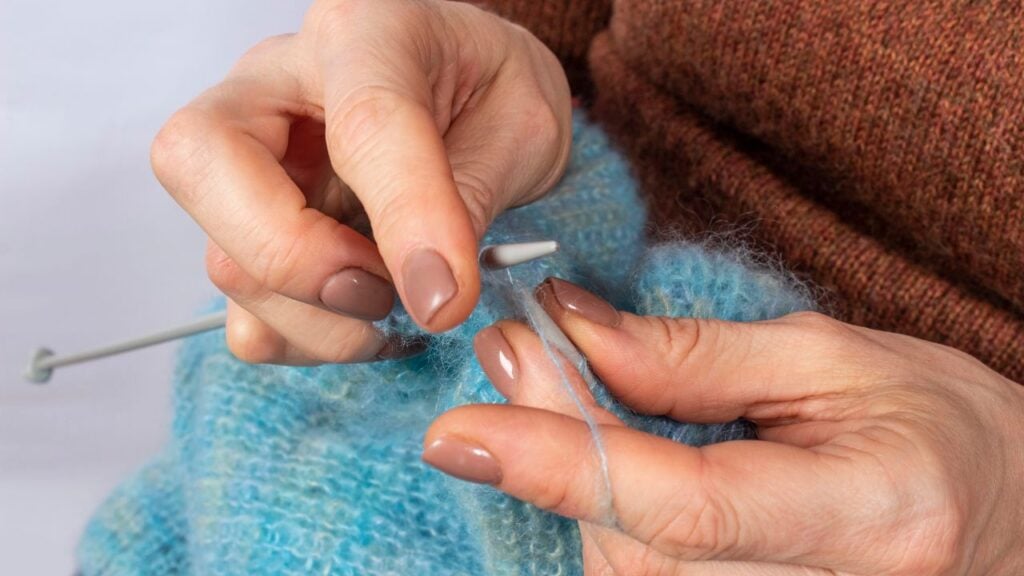
When a button popped off or a hem unraveled, people didn’t toss the item or rush to replace it. They fixed it.
Basic sewing skills were common and often passed down at home. Whether it was patching jeans or mending a shirt, people made their clothes last longer.
Even kids learned how to thread a needle and sew on a button.
It was a small habit with a big payoff, both financially and practically.
Meal Planning Around What Was On Sale
Grocery shopping in the ’70s often started with the weekly flyer. Families looked at what was on sale and built their meals around those deals.
This approach helped avoid splurges and cut down on random purchases. If ground beef or canned vegetables were cheap that week, they became the foundation of the menu.
Planning ahead meant fewer midweek trips and less temptation to grab extra stuff.
It made budgeting feel more organized and less reactive.
Making Gifts Instead of Buying Them
Homemade gifts weren’t just budget-friendly, they were thoughtful and personal. People baked cookies, knitted scarves, or crafted keepsakes instead of shopping for store-bought items.
Birthdays and holidays were about effort, not price tags. The value came from time spent, not money spent.
These gifts often meant more to the person receiving them than anything off a shelf.
It’s a tradition worth reviving, especially in a world full of mass-produced everything.
Cooking at Home, Almost Every Night
Going out to eat was a rare treat in the 1970s. Most families cooked at home, even on weekends.
It wasn’t about fancy recipes. It was about making simple, affordable meals that fed everyone without draining the budget.
Leftovers stretched into lunches. Big pots of chili or casseroles covered multiple nights.
Home-cooked meals saved money and brought people together around the table, a double win.
Hanging Clothes to Dry
Dryers were common, but many people still used clotheslines to save on electricity.
Hanging clothes outside was part of the daily rhythm. It didn’t cost a thing, and it kept utility bills lower, especially in warmer months.
Plus, clothes and sheets smelled fresher after drying in the sun.
It was a habit that saved money slowly, but consistently.
Using Library Cards Instead of Buying Books and Movies
In the 1970s, public libraries were a top source of entertainment. Families checked out stacks of books and even watched movies borrowed from the library.
There were no streaming subscriptions, and buying every book or album just wasn’t realistic.
The library was a community resource that kept costs down and minds engaged.
It’s still a goldmine today for free reading, listening, and learning.
Cutting Hair at Home
Lots of families skipped the barber or salon and pulled out the scissors instead. Parents cut their kids’ hair, spouses trimmed each other’s bangs, and buzz cuts were done in the garage.
It wasn’t always perfect, but it saved a surprising amount over time.
People had basic tools, a steady hand, and enough patience to get the job done.
Today, DIY haircuts might be intimidating, but for simple trims, it’s still a smart option.
Reusing Jars, Bags, and Containers
Nothing went to waste, not even the packaging. Glass jars were washed and reused for storage. Bread bags and foil got folded up for another use.
Plastic containers from food packaging became lunchboxes, and coffee cans were used to hold nails, change, or even flour.
It wasn’t called recycling. It was just being smart with what you had.
This habit helped households stretch every dollar without even trying.
Growing a Backyard Garden
Many families had their own gardens in the ’70s, not as a hobby, but as a way to cut grocery bills.
Tomatoes, green beans, and zucchini were popular choices. Even a small patch of dirt could grow enough food to last through the season.
Extra produce was shared with neighbors or canned for later. It wasn’t fancy. It was practical.
Gardening taught patience and gave families fresh food without the supermarket markup.
Carpooling to Save on Gas
With gas prices fluctuating in the ’70s, carpooling became a smart way to cut costs. Neighbors, coworkers, and schoolmates often shared rides to stretch every gallon.
It took a little planning, but it saved money week after week. It also reduced wear and tear on cars.
Carpooling was a built-in social time, too. People got to know each other while commuting together.
Today, with gas prices still unpredictable, this idea is more relevant than ever.
Keeping a Written Budget, And Sticking to It
Before budgeting apps and digital alerts, people used paper. They tracked expenses in notebooks, envelopes, or ledgers.
Writing things down made spending feel more real. It forced people to see exactly where their money was going.
Many households followed a weekly or monthly plan, adjusting as needed but always with a clear view of their limits.
It was simple and incredibly effective.
Fixing Appliances Instead of Replacing Them
When a toaster stopped working or a fan made noise, people didn’t immediately toss it. They popped it open and tried to fix it.
Basic repairs were common knowledge. Manuals were kept in drawers, and toolboxes were well-used.
Even if a pro had to be called in, it was often cheaper than buying something brand new.
This mindset kept items in use longer and helped reduce unnecessary spending.
Using Coupons Without Shame
Clipping coupons was a regular weekend activity. People collected them from newspapers, swapped with friends, and filed them in envelopes or binders.
Using coupons wasn’t embarrassing. It was smart. Every dime saved added up by the end of the month.
Stores even doubled certain coupons, turning small savings into major wins.
It was a patient habit, but one that paid off consistently.
Doing Weekend DIY Projects Instead of Hiring Help
Need shelves? Build them. Have a leaky faucet? Fix it yourself. That was the 1970s mindset.
People didn’t call professionals for every little job. They rolled up their sleeves and figured it out, with a manual, a neighbor’s advice, or just trial and error.
Home improvement stores were visited with purpose, not panic.
This hands-on approach saved serious money and gave people a sense of pride in what they built.
Planning Errands to Save Gas and Time
Instead of driving back and forth across town, families made one efficient trip for everything they needed.
They grouped errands, checked store hours, and made sure nothing was forgotten, because another trip meant more gas and time wasted.
This habit helped save money on fuel long before gas apps existed.
It also encouraged better planning and fewer impulse buys.
Using Layaway Instead of Credit Cards
If you wanted something but didn’t have the money yet, you didn’t swipe a card. You put it on layaway.
Stores set the item aside, and you made small payments over time until it was paid off.
There was no interest. No debt. Just patience.
It taught people to wait for what they wanted and only spend money they actually had.
Hosting Potlucks Instead of Going Out
Dinner parties didn’t mean booking a restaurant. Friends and family gathered at home, and everyone brought something to share.
Potlucks made meals affordable, fun, and full of variety. No one felt pressured to spend big, and no one went home hungry.
It also created stronger connections among neighbors and friends.
It was social, budget-friendly, and totally worth bringing back.
Waiting for Big Sales Before Making Big Purchases
People in the 1970s didn’t buy major items on a whim. They waited for holiday weekends, end-of-season markdowns, or store-wide clearance sales.
They planned ahead, knowing prices would drop if they were patient.
This mindset helped families avoid full-price regret and gave purchases more value.
It’s a habit that can still save a lot today.
Which Classic American Decade Is Totally You?
Take a quick break and discover which classic American era matches your personality and old-school soul. Our Decade DNA Quiz is fast, fun, and full of feel-good retro energy.
Meet Your Match. Discover Your Decade DNA. (Your Vintage Roots Are Showing)

14 Things Every ’70s Kid Had in Their Lunchbox

From smashed sandwiches to sticky pudding cups, here’s a look at all the classic foods every ‘70s kid had crammed inside their trusty lunchbox.
14 Things Every ’70s Kid Had in Their Lunchbox
19 Gilligan’s Island Facts Even the TV Show’s Biggest Fans Don’t Know
For many Americans, Gilligan’s Island was a silly, beloved sitcom. But as it turns out, this little island paradise was hiding some juicy trivia.
19 Gilligan’s Island Facts Even the TV Show’s Biggest Fans Don’t Know