
20 Buffet Secrets Employees Wish Virginia Customers Knew (But Can’t Tell You)

Buffet restaurants are still a go-to for Virginia families and big appetites. Pile your plate high, go back for seconds, and enjoy it all at your own pace.
But behind the sneeze guards and dessert bars, there’s a lot that customers never see.
Here are the secrets buffet employees wish they could share, but usually can’t say out loud.
Not Everything Is Made Fresh Daily
Many buffet items come pre-cooked or frozen, especially sides, sauces, and baked goods. Staff often heat them up in batches and rotate them through the line.
That doesn’t mean the food is bad, but it’s not always homemade like some customers assume.
Some dishes may be days old, especially if they don’t get used up quickly.
Employees can’t say this openly, but they know which trays tend to hang around the longest.
The Fried Food Is Reused More Than You Think
Fried items like chicken, fish, and egg rolls are popular, but they also come with a secret.
Buffets often fry multiple rounds in the same oil, sometimes for an entire shift or longer.
Old oil affects taste and texture, but changing it too often is expensive and time-consuming.
Most staff know when the fryer is overdue for a clean, but saying so out loud could cost them their job.
People Touch the Food More Than You’d Expect
Even with tongs and signs, some guests still use their hands or accidentally drop food back into the trays.
Staff often see it happen but aren’t allowed to say much unless it’s blatant.
If a kid sticks their hand in the pudding or someone sneezes too close, it may not be replaced right away.
That’s why some employees bring their own lunch rather than eat from the buffet.
The Best Food Comes Out at Specific Times
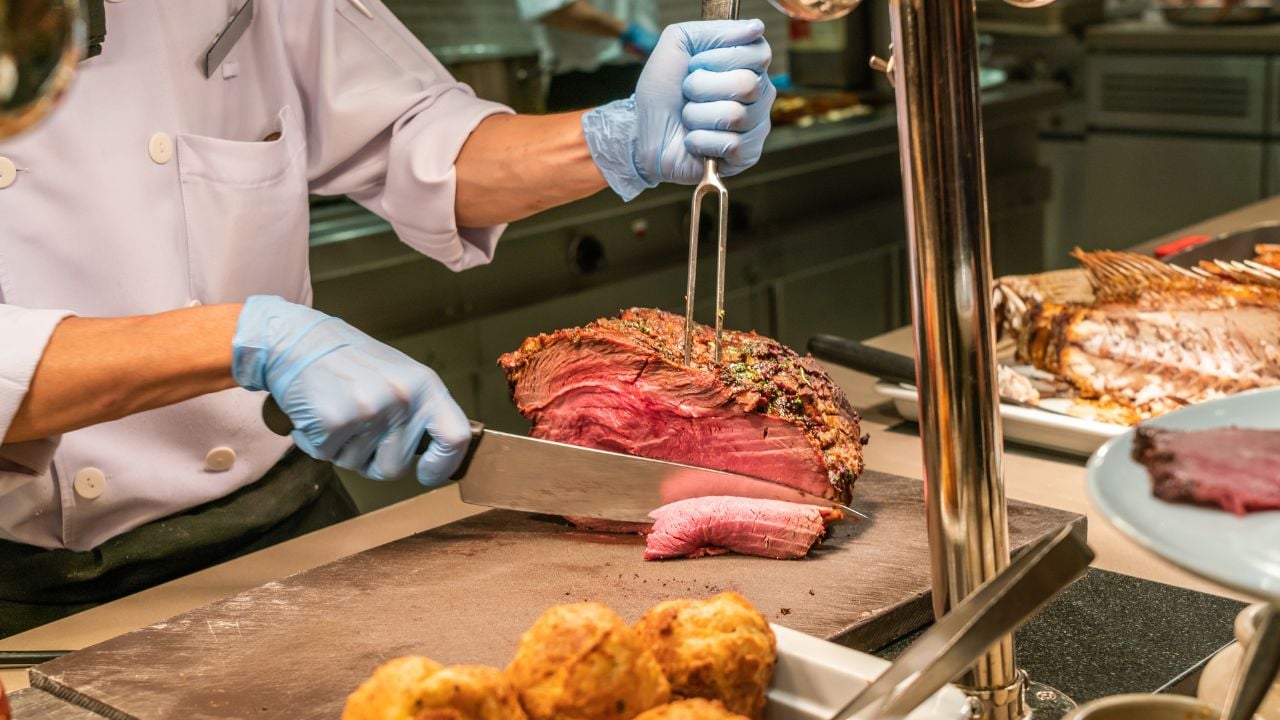
Buffets don’t always put out the best dishes all day. Many reserve higher-cost items, like prime rib or fresh seafood, for dinner or weekend hours.
If you come at the tail end of a lunch shift, you might miss out completely.
Employees know exactly when the good stuff hits the line, but they’re not supposed to advertise it.
Regulars often learn to time their visit for those key windows.
Employees Quietly Judge How Much You Waste
Buffets expect customers to take what they want, but wasting food still bothers the staff.
Some guests pile their plates high and leave half of it behind, then do it again.
Employees often shake their heads in private or quietly tell each other who’s on their fourth untouched plate.
They can’t say anything, but they notice who respects the food and who doesn’t.
The Ice Cream Machines Are Hardly Ever Cleaned Properly
Soft-serve machines are a buffet favorite, but they’re also tough to keep clean.
Some locations don’t sanitize them as often as they should, especially when they’re in constant use.
Cleaning takes time, and many staff members are rushed or poorly trained.
The machines may still run, but what’s inside isn’t always as fresh as it should be.
Table Turnover Matters More Than You Think
Buffet staff are trained to keep tables moving. The faster people finish, the sooner the next group can be seated.
Servers may be friendly, but if your table lingers too long, it puts pressure on the whole flow.
You may notice your plates are cleared quickly or drinks aren’t refilled as often after a while.
That’s often a quiet sign that it’s time to wrap up.
Some Dishes Are There Just to Fill Space
Not every tray is meant to impress. Some items are chosen simply because they’re cheap and filling.
Breads, pasta, rice, and salad mixes are used to keep costs down while taking up space on your plate.
These dishes often get refreshed more than the premium items.
Staff know which trays are the “filler food” and which ones customers actually come back for.
Labels Don’t Always Tell the Full Story
Buffet labels are often vague or overly simple. What’s listed as “chicken” could be from a frozen bag, and “steak tips” might be made from inexpensive cuts.
Employees know the real ingredients, but they’re not allowed to change the signs or explain further.
The goal is to make the food sound appealing, even if it’s not exactly gourmet.
If something tastes a little off, you’re probably not imagining it.
Cross-Contamination Happens Behind the Scenes
Buffet kitchens move fast, and sometimes food prep shortcuts lead to cross-contamination.
Utensils might be used across multiple dishes, and gloves aren’t always changed between tasks.
Guests with allergies or sensitivities often don’t realize how easily ingredients can mix behind the scenes.
Staff are trained to keep quiet rather than draw attention to it.
Servers Depend on Tips, Even if It’s a Buffet
Many buffet customers assume they don’t need to tip because they serve themselves. But servers still refill drinks, clear plates, and clean up after every group.
Their pay is often based on tips, just like at other restaurants.
When tables leave nothing, it hurts morale and makes an already tough job harder.
A small tip goes a long way, even at an all-you-can-eat place.
The Dessert Table Isn’t Always Made In-House
That tray of cookies or sheet cake probably didn’t come from the buffet kitchen.
Many desserts are bought in bulk from suppliers and simply thawed or unpacked for display.
Some items are stored for days or reused across shifts.
They still look good, but they’re rarely as fresh as they seem in the video ads.
Some Guests Sneak Food Into Their Bags
It’s more common than you’d think. Employees regularly spot people slipping rolls, cookies, or even full containers into purses or takeout boxes.
Buffets are meant for dining in, but some guests treat them like free grocery stops.
Staff are usually told not to confront anyone unless it becomes excessive.
Even when it’s obvious, most just clean up quietly after the table leaves.
The Salad Bar Isn’t as Safe as It Looks
The salad bar may seem like the healthiest part of the buffet, but it’s also one of the riskiest.
Items are often left sitting out for long stretches, and temperature control isn’t always consistent.
Guests often drop tongs or mix toppings without noticing. Lettuce, cheese, and dressing bowls can get contaminated quickly.
Employees do their best to rotate items, but issues still slip by.
That “Fresh” Sushi Might Be Yesterday’s
Buffets that offer sushi often use pre-made rolls stored in the fridge until needed.
If the sushi isn’t moving fast, it may be kept overnight and rotated in again the next day.
Rice dries out, fish loses texture, and the flavor suffers.
Employees know which rolls are fresh and which ones aren’t, but they’re not allowed to tell you.
Kids Touch More Than Just Their Own Food
Even with parental supervision, kids often wander up to the buffet unsupervised.
They grab tongs incorrectly, sneeze near open trays, or stick their fingers into dishes.
Employees are told to keep things sanitary, but they can’t always catch every moment.
The younger the customer, the higher the chance of an accidental mess.
Managers Watch Portion Habits Closely
While buffets offer unlimited food, managers still monitor how much customers take, especially high-cost items.
Security cameras and floor staff quietly track which tables go back for the most shrimp, crab legs, or prime cuts.
If one person keeps piling up the expensive dishes, staff may rotate those trays more slowly or limit restocks.
Customers rarely notice, but it’s a common cost-control strategy.
Buffet Staff Notice Who Follows the Rules
There are unwritten rules at every buffet, and employees know when someone breaks them.
Taking food from freshly set trays before staff step back, cutting in line, or bringing your own containers are all red flags.
Even if nothing is said, staff take mental notes and sometimes alert supervisors.
Regulars who follow the rules often get better service and friendlier smiles.
Lunch and Dinner Quality Can Be Drastically Different
Some customers assume the food stays the same all day, but lunch and dinner menus are usually very different behind the scenes.
Cheaper cuts, fewer options, and smaller portions are common at lunchtime.
Dinner brings out more variety and higher-cost dishes, which is why prices jump in the evening.
Staff are often instructed not to point out these differences to avoid complaints.
The “Fresh Tray” Trick Happens All the Time
If a dish starts to look picked over, staff may stir it, cover the top with fresh food, or simply transfer it to a new pan.
It gives the illusion of a fresh refill without actually replacing the full batch.
It’s a common tactic used to reduce waste, especially for slower-moving items.
Most customers never notice, but employees know exactly how often it happens.
18 Recipes Grandmas Always Took to Church Potlucks

In old-school America, your grandma didn’t need a crown to rule the church potluck. She just needed a slow cooker and a handwritten recipe card.
18 Recipes Grandmas Always Took to Church Potlucks
Remember When Everything Had Color? These 18 Things Definitely Did

There was a time when even the most ordinary things were bursting with color.
But now?
We’ve swapped charm for minimalism, and for some reason, we all agreed to pretend it’s better. Here are some everyday things that used to be colorful but aren’t anymore.
Remember When Everything Had Color? These 18 Things Definitely Did
Think You Belong in a Different Decade?
From big bands to big hair, our playful Decade DNA Quiz reveals which classic American era fits your personality best. It’s fast, fun, and full of vintage flair.
Meet Your Match. Discover Your Decade DNA. (Your Vintage Roots Are Showing)


