20 Decorating Tricks Californians Used Before Pinterest Was a Thing

Long before Pinterest boards and endless scrolling for inspiration, California homes were filled with decorating ideas passed down through families and friends.
People relied on creativity, resourcefulness, and whatever materials they could find to bring personality into a space.
These tricks often gave homes a warmth and individuality that digital trends sometimes miss.
They were born out of necessity and personal taste rather than algorithms and hashtags.
Using Wallpaper Borders for a Pop of Color
Wallpaper borders were a budget-friendly way to add personality to a room without covering every wall.
They might run along the top edge of the wall, around windows, or even mid-wall for a chair rail effect.
These borders came in endless designs, from florals to geometric prints, making them easy to match with existing decor.
A single roll could change the entire mood of a room in just an afternoon.
Rearranging Furniture for a Fresh Look
Before the internet offered endless style guides, many people simply moved furniture around when they wanted a change.
This method cost nothing and often sparked new ways to use a room. A corner that once felt cramped might suddenly work as a reading nook.
In cooler months, furniture might be arranged around a fireplace, while summer setups opened the space for more airflow.
Rearranging kept homes feeling fresh without spending a dime.
Making Curtains from Bedsheets
Store-bought curtains were not always affordable, so people often repurposed bedsheets into window coverings.
With a few stitches or even just some curtain clips, a plain sheet could become a stylish drape.
This trick allowed for a wider variety of colors and patterns than many curtain aisles offered at the time.
It was a quick way to brighten a room or add privacy without a big investment.
For renters or anyone on a budget, it was a decorating shortcut that looked far more expensive than it was.
Displaying Collections as Decor
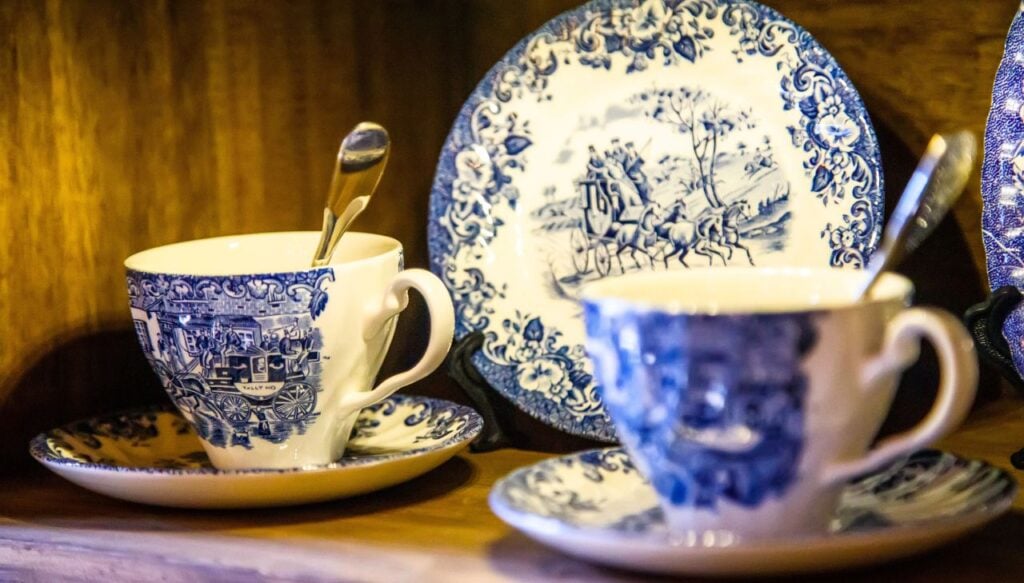
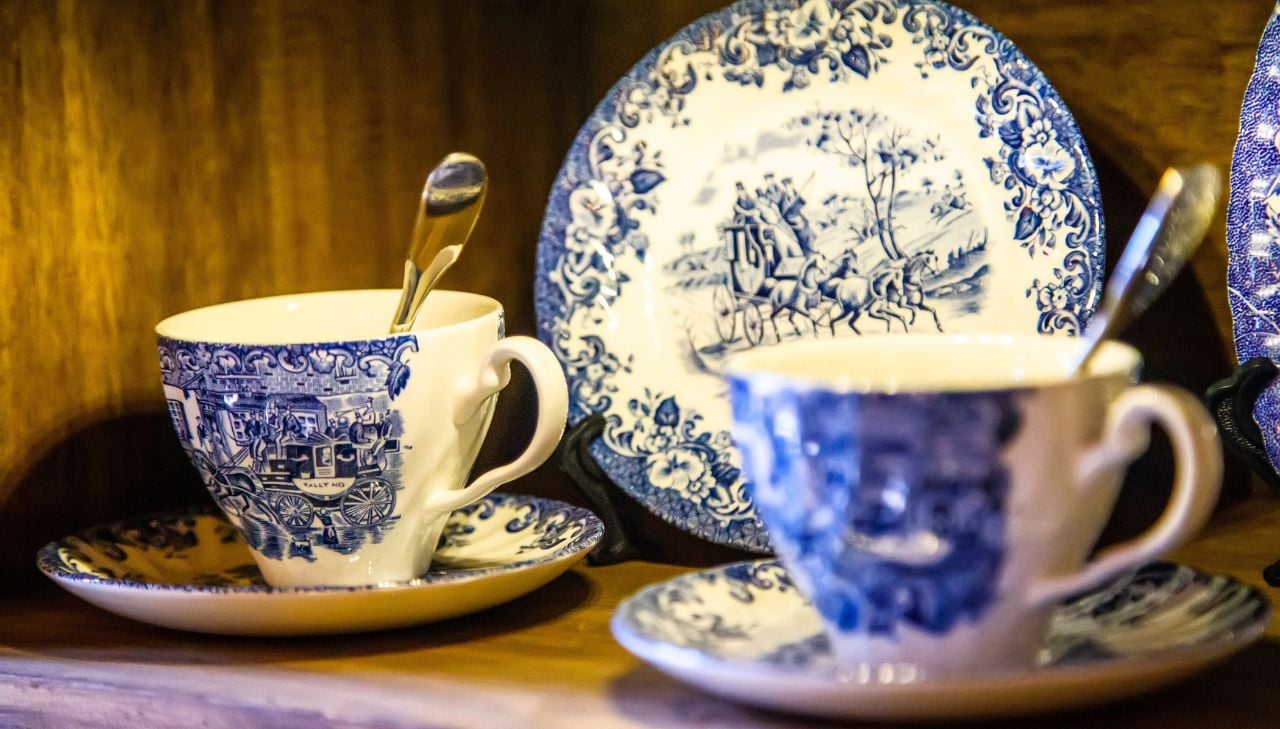
Long before curated shelves were a trend online, people proudly displayed their collections as part of their home’s personality.
Whether it was teacups, glass bottles, or vintage postcards, these items told a story.
Collections were often gathered over years from flea markets, thrift stores, and travels.
They worked as both decoration and conversation starters, giving each room a sense of history.
Arranging them with care on shelves, in cabinets, or on walls made them part of the home’s charm.
Repurposing Furniture with a Fresh Coat of Paint
When a piece of furniture looked worn or outdated, many people skipped buying something new and simply painted it.
A bold color or soft pastel could completely transform a dresser, table, or chair.
This was also a way to match furniture to a room’s changing color scheme without replacing it.
Painting furniture allowed for creativity, from solid colors to stenciled patterns or hand-painted designs.
It was an inexpensive way to keep pieces looking current while adding personal flair to the home.
Hanging Plates as Wall Art
Instead of purchasing framed artwork, many people decorated walls with plates.
They could be heirloom china, thrift store finds, or colorful ceramic pieces picked up on travels.
This method added texture, color, and a sense of history to a room.
Every display was unique, reflecting the personality and taste of the homeowner.
Covering Tables with Fabric for Instant Style
A plain or worn table could be dressed up in seconds with the right tablecloth or piece of fabric.
This was a common trick for hiding scratches or mismatched furniture.
Layering fabrics, such as a lace cloth over a solid one, added depth and visual interest.
It was a quick way to make a space feel more inviting without buying new furniture.
Creating Accent Walls with Paint Alone
Before stencils and decals became popular, a simple can of paint was all it took to make an accent wall.
Choosing one wall in a bold or contrasting color added drama to a room.
This technique allowed for personality without committing to a full-room makeover.
The minimal cost and quick transformation made it a go-to decorating method.
Using Doilies to Dress Up Furniture
Doilies were a staple in many living rooms and dining rooms, often placed under lamps, vases, or decorative figurines.
They added a layer of texture and detail to furniture surfaces.
Many were handmade, passed down from relatives, or found at local craft fairs.
They not only protected wood surfaces from scratches but also gave pieces a softer, more polished look.
Even the smallest tables felt more complete with this simple touch.
Framing Fabric as Artwork
Instead of buying expensive paintings, people sometimes framed pieces of fabric to create unique wall art.
Bold patterns, embroidery, or quilt squares became one-of-a-kind decorations.
This was an affordable way to fill large wall spaces without investing in costly artwork.
It also allowed homeowners to showcase meaningful textiles, such as family heirlooms or travel souvenirs.
Decorating with Indoor Plants in Macrame Hangers
Hanging plants in macrame holders was both decorative and functional, bringing greenery into the home while saving floor and table space.
Macrame hangers were often handmade, giving each one a slightly different look.
The plants themselves, from ferns to spider plants, added life and freshness to a room.
This decorating trick combined craft, nature, and style in a way that felt warm and inviting.
Making Slipcovers to Refresh Old Furniture
Rather than buying new chairs or sofas, many people sewed slipcovers to give worn furniture a second life.
Slipcovers could be tailored for a formal look or looser for a casual style.
They allowed homeowners to change colors and patterns as often as they liked without committing to a permanent reupholstery job.
This approach kept furniture looking fresh while protecting it from everyday wear and tear.
Turning Mason Jars into Decorative Storage
Before they were trendy, mason jars were simply a practical storage solution that doubled as decor.
People used them for holding buttons, sewing supplies, spices, or even flowers.
Clear glass made it easy to see what was inside, and the jars could be dressed up with ribbon or painted lids.
They fit well in kitchens, craft rooms, and even bathrooms.
Layering Rugs for Warmth and Style
Long before it was a featured design tip online, layering rugs was a common way to make a room feel cozier.
Smaller rugs could be placed over larger ones to add texture or highlight a specific area.
This trick worked especially well in colder months when extra warmth underfoot was welcome.
Layering created a custom look that felt personal to each home.
Displaying Family Photos in Collages
Instead of matching frames in a perfect grid, many homes had walls or tables filled with photos in all shapes and sizes.
They often included both formal portraits and candid snapshots.
The variety of frames and arrangements made each display unique.
Guests could spend time looking at the photos, making them a natural conversation starter.
Hanging Mirrors to Brighten a Room
Mirrors were a decorating staple used to make small rooms feel larger and reflect more light.
Some were ornate with heavy wooden or gilded frames, while others were simple and functional.
They could be grouped together for an artistic display or used as a single focal point.
This trick worked in nearly every room, from entryways to dining areas.
Using Area Rugs to Define Separate Spaces
Before open floor plans became common, area rugs were often used to create visual boundaries between different parts of a room.
A rug could separate the dining area from the living space or make a reading corner feel more intimate.
This was especially helpful in larger rooms where furniture alone did not define each section.
Rugs also added warmth, texture, and color to otherwise plain flooring.
Crafting Wall Hangings from Yarn or Fabric
Many people made their own wall art from yarn, fabric scraps, or weaving kits.
These pieces often featured bright colors and patterns that brought personality to a room.
They were affordable to make and could be tailored to match any space.
Some were simple geometric designs, while others were elaborate tapestries.
This DIY approach gave each home a personal and creative touch.
Using Painted Masonite Panels as Headboards
Instead of buying expensive headboards, some homeowners created their own by painting masonite panels and mounting them behind the bed.
These panels could be cut to any shape or size, making them highly customizable.
Painting them in bold colors or patterns turned the bed into a focal point.
It was a low-cost way to add style to a bedroom without major construction.
Arranging Fresh Flowers from the Yard
Fresh flowers were often gathered from the yard or garden to decorate the home.
Mason jars, pitchers, or small vases were used to display them on tables and windowsills.
This simple habit added color, fragrance, and a seasonal touch to each room.
It also encouraged creativity in arranging different blooms together.
The look was casual and natural, often changing week to week depending on what was blooming.
17 Decor Items That’ll Make Your Home Look Cheap

No one wants to hear their home looks cheap. But sometimes, a cheap-looking home doesn’t reflect what you spent on it. It reflects the decor you chose.
17 Decor Items That’ll Make Your Home Look Cheap
Remember When Everything Had Color? These 18 Things Definitely Did

There was a time when even the most ordinary things were bursting with color.
But now?
We’ve swapped charm for minimalism, and for some reason, we all agreed to pretend it’s better. Here are some everyday things that used to be colorful but aren’t anymore.
Remember When Everything Had Color? These 18 Things Definitely Did
Think You Belong in a Different Decade?
From big bands to big hair, our playful Decade DNA Quiz reveals which classic American era fits your personality best. It’s fast, fun, and full of vintage flair.
Meet Your Match. Discover Your Decade DNA. (Your Vintage Roots Are Showing)