
20 Everyday Items With Hidden Purposes Most New Jerseyans Would Never Guess

Somewhere out there, a designer is laughing because we’ve all been using half our stuff wrong.
The hole in your pen cap? It’s not for airflow. The extra eyelets on your sneakers? They’re not just for style. And that pasta spoon hole? Yeah, it’s been judging your serving sizes since 1997.
Everyday items have hidden features that make total sense to New Jerseyans once you take a moment to think about them.
The Hole in Pen Caps
You probably thought it was just for style or airflow, but the hole in pen caps actually serves one purpose: to save lives.
If someone accidentally swallows the cap, the hole keeps the airway partially open to prevent choking.
It’s a safety feature, not a design quirk; a quiet little life-saver in every office supply drawer.
So next time your pen leaks, give it some credit for being responsible, too.
The Tiny Pocket in Jeans
That little pocket inside the big front pocket? It’s not useless. Originally, it was designed in the 1800s for pocket watches.
When pocket watches went out of style, the pocket stayed because denim traditionalists refused to let go.
Now, people use it for coins, guitar picks, or AirPods they’ll forget about for six months.
Levi’s calls it a “watch pocket.” We call it “the place where ChapStick goes to die.”
The Hole in Airplane Windows
If you’ve ever stared out the window mid-flight (while pretending not to overthink turbulence), you’ve probably noticed the tiny hole at the bottom of the pane.
It’s called a “bleed hole,” and it helps balance air pressure between the inner and outer layers of glass.
It also prevents frost from building up, keeping your window view crystal clear.
So yes, your life depends on a hole the size of a sprinkle.
The Extra Eyelets on Sneakers
Those extra holes at the top of your sneakers aren’t decoration. They’re for “heel lock lacing,” a method that keeps your shoes from slipping when you run.
Runners use them for a snug fit and to prevent blisters, but most of us have been ignoring them since middle school.
Once you loop them correctly, you’ll feel the difference immediately.
Nike could have mentioned that on the box, but where’s the fun in that?
The Indentation on Wine Bottles
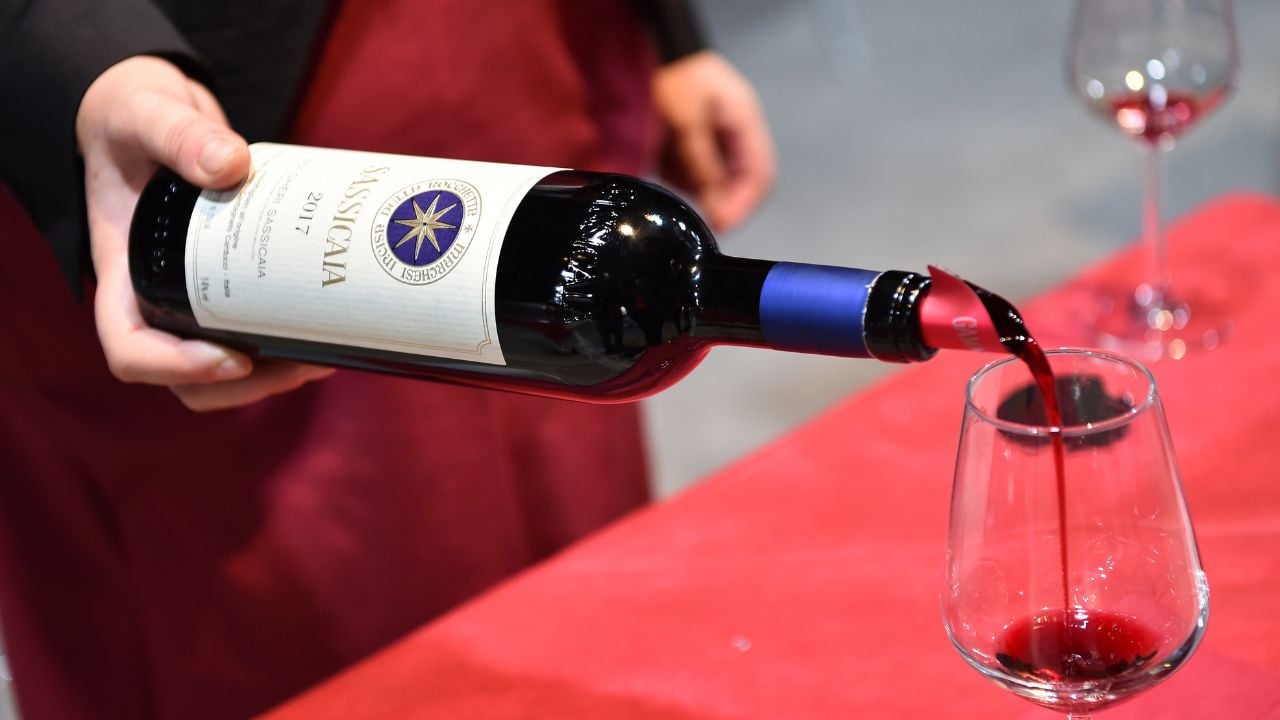
That deep dimple at the bottom of a wine bottle is called a punt.
It strengthens the glass, catches sediment, and helps pourers hold the bottle with one hand like pros.
It’s not there for decoration, though it definitely makes wine feel fancier.
If you’ve ever pushed it to see if it pops, don’t worry, everyone has.
The Bumps on the F and J Keys
Those tiny ridges on your keyboard aren’t random. They’re guideposts for touch typing, letting you find the “home row” without looking.
They date back to early typewriter days when efficiency mattered more than emojis.
Most people have felt them a thousand times and never questioned why.
Now you’ll think about it every time you type an email.
The Bumps on Shampoo and Conditioner Bottles
Have you ever noticed that one bottle has raised bumps while the other is smooth?
That’s not random. It’s there to help you tell the difference in the shower when you can’t see a thing.
The bumps are usually on the conditioner bottle so that you don’t accidentally double-shampoo your hair.
It’s a small but brilliant accessibility feature originally designed for the visually impaired.
Basically, your shampoo bottles are smarter than you think.
The Hole in Elevator Doors
That mysterious keyhole-looking thing in elevator doors isn’t for emergencies or decoration. It’s for maintenance crews.
Technicians use a special key to manually open the doors when the elevator is out of service or misaligned.
Without it, you’d be stuck calling building security every time the elevator decides to take a break.
It’s the unsung hero that keeps everyone from reenacting movie-style elevator rescues.
The Detachable Headrest in Cars
You’ve probably adjusted it for comfort, but that detachable car headrest was designed for safety in more ways than one.
In an emergency, it can be pulled out and used to break a window if the doors are jammed.
The metal rods are strong enough to shatter glass with a few hits, which could be life-saving in a crash or flood.
It turns out your headrest is both a pillow and a built-in escape tool.
The Arrow on Your Gas Gauge Isn’t the Only Helpful One
You already know about the arrow that points to the gas cap, but here’s another subtle clue: some newer vehicles also have a triangle or color indicator around the arrow that tells you what type of fuel your car takes.
Green or blue usually means gasoline, while yellow or black often marks diesel.
It’s a small detail most drivers never notice until they fill up the wrong tank once.
Car designers clearly know how to save us from ourselves.
The Hole in Measuring Tape Tabs
That little hole in the metal tab at the end of a tape measure is there so you can hook it over nails or screws for accurate one-person measurements.
It’s a small, clever feature for hands-free precision and proof that not all heroes wear tool belts.
There’s also a serrated edge for marking drywall without a pencil, but you didn’t hear that from us.
The Extra Fabric Swatch with New Clothes
That tiny piece of fabric that comes with your new shirt isn’t for testing your sewing skills. It’s meant for testing detergent or bleach before you risk the whole garment.
Most of us toss it instantly, but fashion brands actually included it to prevent laundry tragedies.
It’s a test subject, not a spare patch.
Think of it as your outfit’s body double.
The Drawer Under the Oven
No, it’s not for storage… at least, not originally. That drawer was designed to keep food warm after cooking.
It’s technically a warming drawer, but most people fill it with baking sheets and forgotten Tupperware lids.
If you’ve ever pulled out a melted spatula, you’re not alone.
It’s the most misunderstood drawer in American kitchens.
The Hole in Pot Handles
That hole at the end of your saucepan handle isn’t just for hanging it on a hook. It’s also perfectly sized to hold your spoon while cooking.
It keeps your counter clean and your spoon within reach.
It’s so practical you’ll wonder why you didn’t notice sooner.
Congratulations! You now own a built-in spoon rest.
The Black Dots on Car Windows
Those little dots near the edges of your windshield and windows? They’re called “frits.”
They help distribute heat evenly when the glass is installed and block UV rays from weakening the glue that holds the window in place.
They also help your eyes transition between clear glass and the dark tint.
Science meets style, one dot at a time.
The Blue Side of Erasers
Remember when everyone thought the blue side of an eraser was for ink? Technically, it can remove pen marks, but only on thicker paper.
It’s mostly there for erasing pencil marks on rougher surfaces.
The myth survived because every kid wanted to believe they’d found a magic ink eraser.
It’s still the most overhyped stationery feature in history.
The Little Disc Under Bottle Caps
Ever peeled the inside of a soda cap and wondered what that squishy liner does? It’s what keeps your drink fizzy.
That plastic seal locks in carbonation and prevents leaks.
Without it, your Coke would go flat before you finished the first sip.
It’s the unsung hero of the beverage industry.
The Hole in Pasta Spoons
The hole in your pasta spoon isn’t just for draining water. It actually measures out a single serving of dry spaghetti.
Feed the uncooked noodles through the hole, and you’ll get roughly one adult portion.
No more guessing how much to make. Though let’s be honest, everyone ignores the serving size anyway.
Still, it’s a neat trick for anyone pretending to be disciplined.
The Color Blocks on Toothpaste Tubes
Those colored rectangles on toothpaste tubes aren’t secret health codes or “chemical warnings,” despite viral myths.
They’re called “eye marks,” and they help machines line up and cut the packaging during production.
They’re for robots, not humans.
So no, the green box doesn’t mean your toothpaste is organic. It means the factory knows where to slice.
The Metal Rivets on Jeans
Those tiny metal studs aren’t decoration. Levi Strauss added them to reinforce stress points and prevent tears when jeans were workwear for miners.
They’re still functional today, even if you’re just bending down to grab your iced coffee instead of hauling gold.
The metal rivets have survived fashion trends, decades, and TikTok jeans debates for a reason.
They’re the toughest little details in your closet.
17 Life Hacks That Are Harder Than the Non-Hack

Life hacks are supposed to make your life easier, and sometimes they really do. However, the internet is rife with hacks that aren’t actually effective.
17 Life Hacks That Are Harder Than the Non-Hack
Weirdest Laws in Each State

Most Americans are clear on treating thy neighbor as they’d want to be treated to reduce the chance of fines and jail time. But did you know you could be breaking the law by carrying an ice cream cone in your pocket?
These are the weirdest laws in each state, most of which courts (thankfully!) no longer enforce.
Weirdest Laws in Each State That’ll Make You Chuckle
What Decade Were You Really Meant For?
Whether you’re dreaming of bell-bottoms or soda fountains, our Decade DNA Quiz will match you with the decade that fits your personality. No work deadlines here, just a fun escape when you need it most.
Meet Your Match. Discover Your Decade DNA. (Your Vintage Roots Are Showing)

