
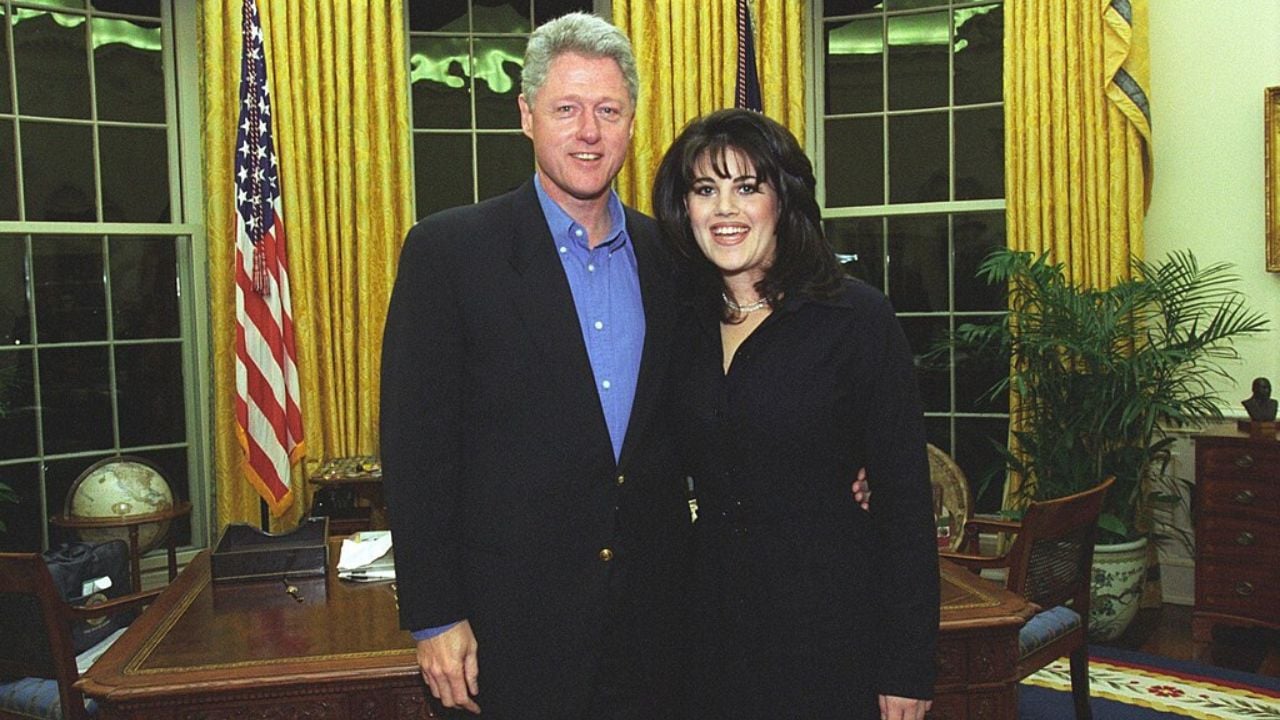
20 Famous Historical Figures Who Were Constant Targets of Gossip in Georgia and Beyond

Gossip didn’t start with TMZ. Long before reality stars and red carpets, Georgians were whispering about their leaders, writers, and icons.
From rumors about secret affairs to whispers about spending habits, no one was safe from the chatter. Some scandals ruined reputations, while others made people legends.
The truth is simple: Americans have always loved a juicy story. And these famous figures prove it.
George Washington’s Teeth and Temper
Washington didn’t actually have wooden dentures, but that didn’t stop generations from whispering about his supposedly creaky smile.
The reality was grim. His dentures were made of ivory, bone, and even human teeth, as historians at Mount Vernon explain.
The materials fueled endless talk about his appearance.
Rivals also whispered about his personality. Was the “father of the nation” too stern? Too quick-tempered?
The rumors made him seem both flawed and relatable. Gossip gave America’s first president a strangely human edge.
Benjamin Franklin’s Womanizing Reputation
Franklin was celebrated for his brilliance, but gossip painted him as more of a ladies’ man than a scientist. His reputation for charm followed him across continents.
In France, the whispers were nonstop. His social life was as famous as his diplomatic work.
People couldn’t decide if they admired him or judged him, according to “Benjamin Franklin’s Battery of Lovers” in All Things Liberty, which argues he had “a reputation for lecherousness that he did little to dispel.”
Stories about flirtations and rumored affairs gave him a roguish image.
Rivals used that to undermine his seriousness, while fans leaned into the “playboy inventor” idea.
Even centuries later, Franklin’s name still brings up tales of witty letters, wine, and women. Gossip became part of his legend, not just his downfall.
Thomas Jefferson and Sally Hemings
This was more than gossip. It was scandal. Opponents of Jefferson circulated stories about his relationship with Sally Hemings, an enslaved woman at Monticello.
For decades, people dismissed it as slander. But the whispers refused to disappear, lingering in newspapers and private conversations.
By the 20th century, DNA evidence confirmed what the rumors suggested. Jefferson fathered children with Hemings.
It’s a reminder of how gossip can sometimes carry uncomfortable truths, even when dismissed in its own time.
Alexander Hamilton’s Love Life
Hamilton’s political brilliance made him a target. But what people really loved to whisper about was his messy personal life.
The Reynolds affair became the centerpiece of scandal.
In 1797, Hamilton published what’s known as the Reynolds Pamphlet, a detailed confession of his affair and defense of his actions.
Instead of saving his reputation, the pamphlet only made gossip louder. His rivals seized on it, branding him reckless and untrustworthy.
Hamilton became infamous not just for his ambition but for his entanglements. Gossip had cemented his image as dramatic and flawed.
Andrew Jackson’s Fiery Wife
Rachel Jackson was dragged into politics long before she wanted to be. Opponents spread stories about her first marriage, which wasn’t fully dissolved when she wed Andrew.
The gossip was vicious. Newspapers called her adulterous, unfit for polite society, and a scandal to the nation.
For Rachel, it was devastating.
The attacks left her exhausted, and Jackson blamed the rumors for her early death.
Her story showed how political gossip could turn deeply personal. The collateral damage was often the family.
Abraham Lincoln’s Mental Health
Whispers about Lincoln weren’t just political. They were personal. People speculated endlessly about his “melancholy.”
Critics claimed he was too gloomy to govern. Some even suggested he was unstable, pointing to private moments of despair.
Supporters, on the other hand, framed his sadness as depth. They said it gave him empathy and moral clarity.
The gossip never went away. Instead, it became part of his larger legend as a thoughtful, complex leader.
Mary Todd Lincoln’s Spending Habits
While Abraham Lincoln faced rumors about melancholy, Mary Todd Lincoln was gossiped about for shopping. People claimed she bought French fashion while ignoring her debts.
Washington insiders delighted in painting her as frivolous. Even small purchases were exaggerated into grand spending sprees, as explained in “Mary Todd Lincoln: Family, Death, Facts”.
After the president’s death, the whispers only grew louder. Instead of sympathy, many doubled down on stories of her being unstable and wasteful.
What was really grief and loneliness turned into caricature. Gossip reduced a complex woman to little more than a punchline about dresses and bills.
Ulysses S. Grant and the Bottle
Grant’s Civil War victories made him a hero. But rumors about his drinking haunted him everywhere he went.
Critics said he was unreliable in battle.
The historian’s essay “The Problem of Ulysses S. Grant” argues that allegations of Grant’s alcoholism were partly misunderstood and that many stories were exaggerated.
Supporters defended him as disciplined. They argued the gossip was just a smear campaign by jealous rivals.
Still, the “Grant the drunk” image stuck. Sometimes whispers are harder to kill than facts.
Grover Cleveland’s Secret Child
The election of 1884 was pure tabloid material. Opponents accused Cleveland of fathering a child out of wedlock years earlier.
The gossip exploded into a famous chant: “Ma, Ma, where’s my Pa?” It dominated the campaign trail.
Cleveland admitted to paying child support but denied paternity. That half-truth only fueled speculation.
Somehow, he survived the scandal and even won. Gossip didn’t sink him. It made him more notorious.
Theodore Roosevelt’s Energy
Not all gossip was negative. With Roosevelt, it was more disbelief. People wondered how one man had that much energy.
He hunted, boxed, wrote books, raised six kids, and still ran the country. Whispers about his manic pace spread quickly.
Detractors mocked him as hyperactive and overcompensating. Admirers called him unstoppable.
Even friendly gossip shaped him into a larger-than-life figure. Roosevelt thrived on the chatter.
Woodrow Wilson’s Affair Rumors
Wilson’s private life became gossip fuel. People speculated about his close relationships with women while he was at Princeton.
The whispers grew louder during his presidency. Washington society thrived on rumors of extramarital affairs.
Later, after his stroke, new gossip emerged.
Who was really running the country, Wilson or his wife Edith?
The lack of transparency made whispers unavoidable. They filled the silence with speculation.
Franklin D. Roosevelt and His “Other” Life
FDR’s image was carefully managed, but gossip cut through the polish. The most enduring rumor was his relationship with Lucy Mercer.
Their affair nearly ended his marriage in 1918.
Yet whispers suggested the connection never really ended.
Meanwhile, Eleanor carved out her own independent life. That fueled more gossip about the state of their marriage.
The Roosevelt household became a goldmine for Washington’s rumor mill. Few families attracted more whispers.
Eleanor Roosevelt’s Friendships
Eleanor was admired for her independence, but her close friendships sparked endless talk. Letters and photos were treated like evidence.
Some suggested her bonds with women were more than platonic.
It was delicate for the press to cover, but gossip thrived anyway.
The rumors reflected society’s discomfort with nontraditional roles. Eleanor pushed boundaries simply by being herself.
Even today, historians debate those whispers. Gossip made her life endlessly fascinating to the public.
John F. Kennedy’s Secret Life
JFK’s charm made him a tabloid dream. Behind the polished speeches, gossip about affairs swirled constantly.
The most famous whispers linked him to Marilyn Monroe.
Within Washington, the rumors were an open secret.
The press shielded him during his lifetime. But whispers traveled fast in political circles.
After his assassination, the gossip only grew. Kennedy’s private life became inseparable from his legacy.
Jackie Kennedy’s Style
Jackie was more than a First Lady; she was a fashion icon. But that didn’t stop the gossip machine.
Every outfit she wore was scrutinized. Magazines speculated endlessly about her spending and French designers.
Some admired her elegance, while others whispered about extravagance.
Even her grief after Dallas was picked apart.
Her poise under fire kept people talking. Gossip turned her into a mythic figure.
Richard Nixon’s Paranoia
Nixon was already seen as secretive. Gossip only deepened that image.
People whispered about his “enemies list” and obsession with conspiracies. Washington insiders painted him as paranoid.
By the time Watergate unfolded, the rumors were validated. Whisper campaigns had predicted the downfall.
Nixon’s legacy became tied to secrecy and suspicion. Gossip wasn’t just noise. It was prophecy.
Ronald Reagan’s Age
When Reagan ran, people worried less about scandal and more about age. Whispers of forgetfulness dogged him from the start.
Critics claimed he nodded off in meetings. Stories suggested he confused names, fueling speculation.
Reagan laughed it off with jokes. Supporters turned the rumors into charm.
But by his second term, whispers about cognitive decline grew. Gossip tapped into national anxieties about aging leaders.
Bill Clinton’s Endless Rumors
Few presidents were more gossiped about than Clinton. From Arkansas onward, whispers about affairs followed him.
The Monica Lewinsky scandal was the breaking point. It turned whispers into a full-blown crisis.
The Clintons’ marriage became a public spectacle.
Every move Hillary made was dissected for meaning.
Politics and soap opera blended together during Clinton’s term. Gossip had consumed the presidency.
Hillary Clinton’s Marriage
If Bill was gossiped about for affairs, Hillary was gossiped about for endurance.
Why did she stay?
Speculation ran wild. Was it for power, loyalty, or pragmatism? Talk shows and magazines dissected her choices.
The whispers reflected cultural anxieties about marriage.
Hillary was admired or judged, depending on one’s point of view.
Marilyn Monroe’s Every Move
Monroe wasn’t a politician, but her ties to them made her a gossip magnet. Whispers linked her to JFK and RFK.
Her struggles with health and relationships were constant tabloid fuel. Stories followed her everywhere.
Her sudden death only fueled speculation.
Was it suicide? Foul play? A cover-up?
The gossip has never really ended. Monroe remains the ultimate American icon of whispers.
19 Historical U.S. Myths That Annoy History Buffs to the Core

If your teacher taught it in history class, it’s normal to assume it’s true. Ask any historian, though, and you might be surprised to learn the stuff of school history lessons is often riddled with inaccuracies.
19 Historical U.S. Myths That Annoy History Buffs to the Core
20 Nostalgic Things Americans Could Buy for Under $1 Back in the Day
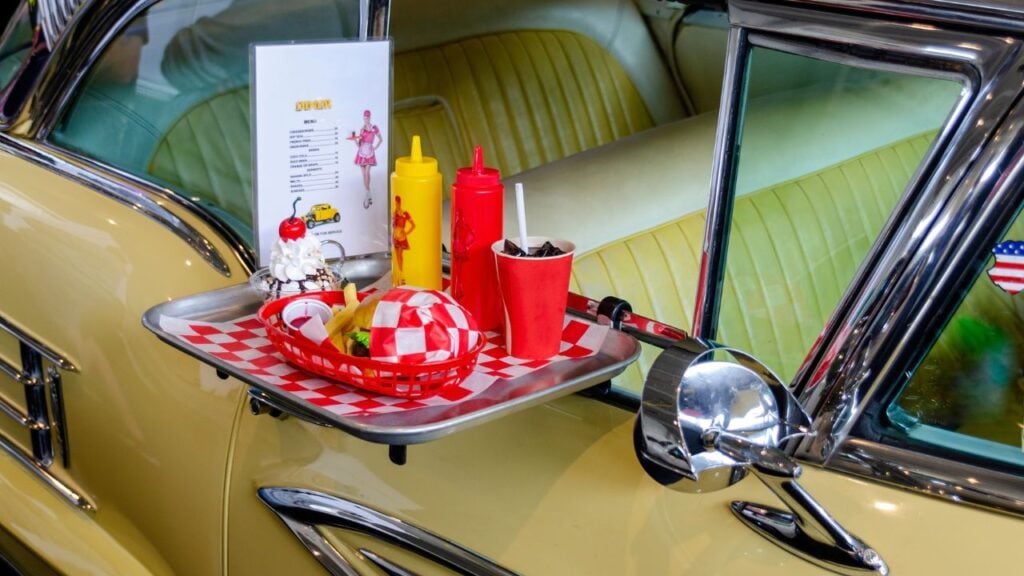
It’s hard to believe now, but there was a time when $1 could buy something meaningful.
Let’s take a trip back to the days when Americans’ pockets didn’t need much cash to bring home something fun, useful, or just plain delicious.
20 Nostalgic Things Americans Could Buy for Under $1 Back in the Day
Think You Belong in a Different Decade?
From big bands to big hair, our playful Decade DNA Quiz reveals which classic American era fits your personality best. It’s fast, fun, and full of vintage flair.
Meet Your Match. Discover Your Decade DNA. (Your Vintage Roots Are Showing)

