20 Home Decor Rules Almost Every 1970s Florida Family Followed

In the 1970s, decorating wasn’t about being subtle. Homes were full of color, texture, and personality.
Floridians followed the trends because, well… everyone else was doing it too.
Here are some iconic decorating rules that turned so many ‘70s houses into groovy time capsules.
Shag Carpet Was Practically Required
No ‘70s home felt complete without shag carpet. It came in shades like orange, avocado, or gold and stretched wall to wall in many living rooms and bedrooms.
It wasn’t just soft, it was a statement. Kids would sprawl out on it, and some families even raked it to keep the fluff looking fresh.
Vacuuming was a chore, but no one seemed to mind. People loved how cozy it made a space feel.
Even if it didn’t age well, shag carpet was a must-have in the decorating playbook of the time.
Wood Paneling Made Everything “Warm”
Walls in the 1970s weren’t just painted. They were covered in dark, glossy wood paneling that gave homes a cabin-like feel.
Basements, dens, and family rooms were especially likely to get this treatment. It was considered stylish and inviting.
Some homes had paneling on just one wall, but many covered every wall for a full effect.
It made the whole room feel grounded, even if it also made it a little darker than necessary.
Avocado Green and Harvest Gold Were Go-To Colors
These two colors showed up on everything from appliances to upholstery. Kitchens were especially full of them.
Fridges, blenders, and even sinks came in these bold tones. If your neighbor had a new kitchen, it probably looked like this.
People liked how earthy they felt, which fit the back-to-nature trend of the time.
Together or on their own, avocado green and harvest gold were colors of the decade.
Macramé Was Hung in Every Room
Whether it was a plant holder, a wall hanging, or a decorative curtain, macramé had a spot in the 1970s home.
It added a crafty, handmade touch to spaces and was often paired with hanging spider plants or ferns.
Even people who weren’t especially artistic gave it a try, thanks to DIY kits and weekend classes.
Homes that leaned into natural textures almost always had at least one macramé piece somewhere.
Bold Patterns Took Over Everything
From wallpaper to furniture fabric, wild prints were everywhere. Swirls, florals, and geometric designs ruled the ‘70s home.
Living rooms often had at least one piece of furniture covered in a loud, colorful pattern.
Even bathroom tiles and curtains joined the trend, sometimes clashing but somehow still working.
The goal was to make a space feel exciting and fun, not quiet or plain.
Everything Needed a Matching Set
In the 1970s, matching wasn’t just encouraged; it was expected. Living room sets came with coordinating sofas, chairs, and even lamps.
Kitchen towels matched curtains, and bedroom linens often came in full sets with identical prints.
Families took pride in showing that their home felt put-together, even if it meant choosing style over comfort.
It was all about creating a polished look, even when that meant covering every surface in the same shade of orange or brown.
Beaded Curtains Meant You Were Cool
A beaded curtain hanging in a doorway added instant flair to any room. Teens loved them, but adults joined in too.
They didn’t block much, but they offered a sense of separation between rooms without closing anything off.
You could hear them click and clack as someone walked through, which somehow just made them more fun.
They were quirky and a little impractical, but in the 1970s, that was part of the charm.
Sunken Living Rooms Were the Height of Style
Also called conversation pits, these drop-down living areas made homes feel fancy and modern.
They encouraged people to gather and chat, all while seated on low-slung furniture around a central table.
If you had a sunken living room, it was something you showed off to guests. It felt like something out of a design magazine.
Even if it made vacuuming harder, people didn’t mind. It was worth it for the cool factor.
Shiny Surfaces Were Everywhere
Glossy finishes were all the rage. From lacquered furniture to mirrored walls, shiny textures were in.
Homes reflected light in every direction, especially in formal spaces like dining rooms and foyers.
Some families even added mirrored tiles behind their bars or along hallway walls to make the space look bigger.
The look was bold, bright, and a little flashy, and people loved it that way.
Houseplants Became Essential Decor
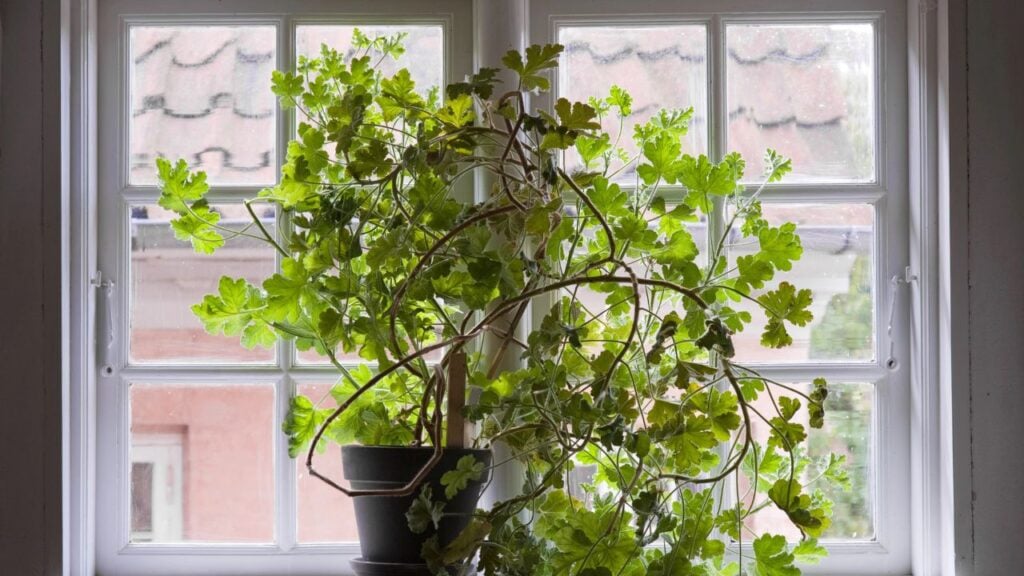
Indoor greenery wasn’t just a bonus, it was expected. Spider plants, ferns, and rubber trees filled windowsills and corners.
Many homes had entire plant stands, often made of wood or metal, to show off their collection.
Macramé hangers helped plants dangle stylishly from ceilings or in front of windows.
It wasn’t just about looks. People felt houseplants brought life, calm, and freshness indoors.
Shutters Were Just for Show
Many homes in the 1970s had shutters, but they weren’t the kind that opened and closed. They were purely decorative.
These plastic or wooden accents were nailed beside windows to give houses a cozy, traditional feel.
They came in popular colors like dark brown, white, or even deep red to contrast with brick or siding.
Even though they didn’t serve a purpose, they were considered a finishing touch for curb appeal.
Shiny Brass Fixtures Were Everywhere
Doorknobs, light fixtures, and cabinet pulls were often bright, shiny brass. It was seen as classy and a little bit fancy.
This look worked especially well with the warm, golden tones popular in the decade.
Brass details added sparkle to spaces that already leaned toward rich browns, yellows, and oranges.
If a home didn’t have at least one brass chandelier or lamp, it felt like something was missing.
Textured Walls Were in Style
Smooth walls were out. In the 1970s, people wanted texture. That meant popcorn ceilings, stucco finishes, and swirled plaster.
The idea was to give surfaces more personality, even if it made painting more difficult later.
Some families went as far as using textured wallpaper or panels to add even more depth.
These surfaces were trendy, but they also hid imperfections, which was a big bonus for busy households.
Everything Had to Be Earth-Toned
The popular palette of the ‘70s pulled from nature. Think browns, tans, rusts, and deep greens.
Walls, sofas, and rugs all followed this earthy trend, making homes feel warm and grounded.
Even accessories like lampshades and dishware often stuck to the same set of colors.
It was about more than style, it was a mood that made homes feel calm and settled.
Conversation Areas Were Carefully Planned
The living room wasn’t just a space to watch TV. It was a place to talk, connect, and host guests.
Furniture was arranged in cozy groupings, often around a coffee table or fireplace.
The idea was to encourage conversation, not just face everyone toward the television.
Designing a room this way made even large spaces feel more intimate and connected.
Wicker and Rattan Made It Indoors
Furniture made from natural materials wasn’t just for patios anymore. In the 1970s, it moved straight into the living room.
Wicker chairs, rattan shelving, and even bamboo light fixtures added a tropical, relaxed feel to homes.
These materials paired well with houseplants and earth tones, so they became part of the standard look.
They gave off a carefree energy that matched the laid-back lifestyle people were leaning into.
Area Rugs Anchored Every Room
Even with wall-to-wall carpet, families still layered area rugs on top. It was about style as much as function.
Rugs featured bold prints, shag textures, or even abstract designs that pulled together a whole room.
They were used to define space, especially in large open living areas or conversation pits.
A colorful rug could turn a plain corner into a cozy hangout spot instantly.
Mirrored Closet Doors Felt High-End
Sliding closet doors with full mirrors were a big deal in bedrooms and hallways.
They made rooms feel larger, reflected light, and added a bit of glamor to everyday spaces.
People loved the practicality too, since you could check your outfit without needing a separate mirror.
It was a modern touch that made a home feel like it had upgraded to something sleek and new.
Bathroom Color Schemes Were Wild
Bathrooms in the 1970s didn’t play it safe. Sinks, tubs, and toilets came in colors like peach, mint, and sky blue.
Tile was often just as bright, and sometimes the walls matched the fixtures for a full monochrome effect.
These bold bathrooms were seen as stylish and modern, even if they seem a bit loud today.
It was all part of the decade’s love of color and personal expression.
Wall Art Was Big, Bold, and Unmissable
Homes in the ‘70s didn’t settle for small framed photos or subtle art. They went big.
Oversized prints, abstract paintings, and even three-dimensional wall hangings made rooms feel more dramatic.
Many pieces featured orange, brown, or gold tones to match the rest of the decor.
Art wasn’t just an accent. It was a centerpiece meant to catch your eye the second you walked in.
Think You Belong in a Different Decade?
From big bands to big hair, our playful Decade DNA Quiz reveals which classic American era fits your personality best. It’s fast, fun, and full of vintage flair.
Meet Your Match. Discover Your Decade DNA. (Your Vintage Roots Are Showing)

14 Things Every ’70s Kid Had in Their Lunchbox

From smashed sandwiches to sticky pudding cups, here’s a look at all the classic foods every ‘70s kid had crammed inside their trusty lunchbox.
14 Things Every ’70s Kid Had in Their Lunchbox
19 Gilligan’s Island Facts Even the TV Show’s Biggest Fans Don’t Know

For many Americans, Gilligan’s Island was a silly, beloved sitcom. But as it turns out, this little island paradise was hiding some juicy trivia.
19 Gilligan’s Island Facts Even the TV Show’s Biggest Fans Don’t Know