20 Old-School Cleaning Methods Keeping Oregon Homes Spotless

No matter how tough Oregon’s weather got, grandmothers used to keep their homes clean without needing shelves full of supplies.
Today’s products may be flashy. But the classics still work just as well… and sometimes better, if you ask us.
Cleaning Windows With Vinegar and Newspaper
Before sprays promised “streak-free shine,” Grandma kept it simple. She mixed white vinegar with water and reached for a sheet of old newspaper.
The vinegar cut through smudges and fingerprints without leaving residue behind. And the newspaper? It didn’t leave lint the way paper towels often do.
It was quick, affordable, and surprisingly effective.
Even today, this trick works better than most expensive cleaners, and it only takes a few minutes to see the results.
Freshening Carpets With Baking Soda
Long before carpet powders came in fancy containers, baking soda was the go-to solution.
Grandma sprinkled it over rugs and let it sit for a little while to soak up odors. It pulled out smells from pets, cooking, and muddy shoes without adding fake perfume.
Then came a thorough vacuuming to lift the powder and leave the carpet fresh.
It’s still a great way to clean without adding chemicals, and you probably already have a box in your pantry.
Lemon and Salt for Cutting Boards
Wooden cutting boards can hang onto onion smells or food stains. Grandma had a fix that worked every time.
She’d cut a lemon in half, sprinkle salt directly onto the board, and scrub with the lemon like a sponge.
The salt worked as a gentle scrubber while the lemon broke down grease and odors.
After a rinse with warm water, the board smelled clean and looked brighter. No soap needed, just pantry staples doing the job right.
Boiling Water and Vinegar for Clogged Drains
Clogged drain? Grandma didn’t run to the store; she reached for her kettle and pantry shelf.
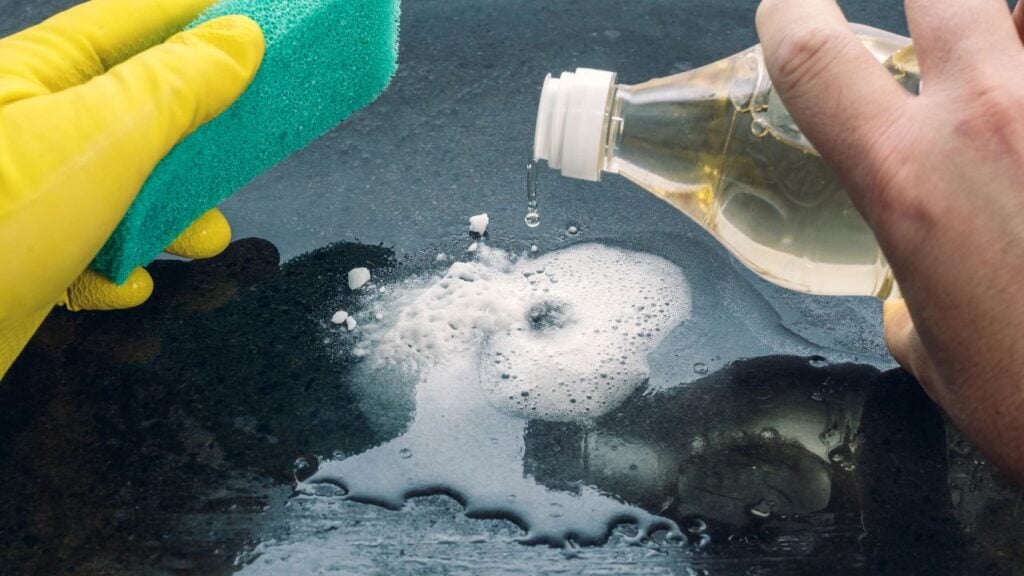
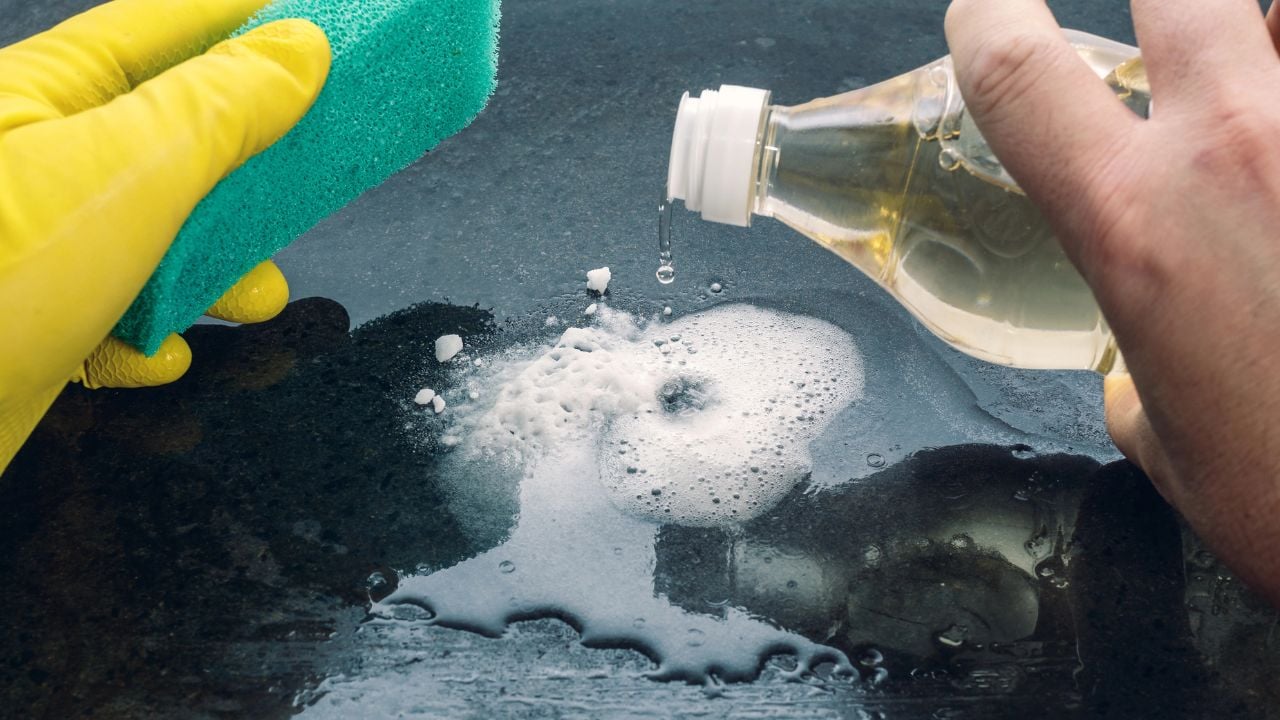
She started with a pot of boiling water poured directly down the drain to loosen grease. Then she added baking soda followed by vinegar and let the fizzy reaction do the work.
After a few minutes, she’d flush it again with more hot water.
It’s a gentle, chemical-free way to keep sinks flowing, and it still works like a charm today.
Using Old Socks as Dusting Mitts
When socks lost their pair, Grandma didn’t toss them; she cleaned with them.
She’d slip one over her hand, dampen it slightly if needed, and run it over dusty surfaces like blinds, baseboards, or fan blades.
The fabric held onto dust better than paper towels and didn’t scratch anything.
Once it was dirty, it went in the wash and was ready for next time. Simple, smart, and waste-free.
Polishing Wood Furniture With Olive Oil and Vinegar
Before store-bought polish filled the shelves, Grandma had her own recipe for shiny tables.
She mixed olive oil and white vinegar, usually in a small jar, and used a soft cloth to rub it into wood furniture.
The vinegar cleaned off fingerprints and buildup, while the oil brought back the wood’s natural glow.
It left furniture looking rich, smooth, and dust-free without any harsh chemicals.
Deodorizing the Fridge With Baking Soda
When something smelled off in the fridge, Grandma didn’t reach for air fresheners. She grabbed a box of baking soda.
She’d open the top and stick it on a shelf to quietly absorb odors day after day.
It didn’t mask smells; it neutralized them.
Even now, it’s one of the simplest, cheapest ways to keep your fridge from smelling like leftovers.
Removing Rust With Lemon Juice and Salt
For small rusty spots on tools, faucets, or cookware, Grandma used a combination that’s still surprisingly powerful.
She sprinkled salt over the rusty surface and squeezed lemon juice on top. After letting it sit, she’d scrub with a soft cloth or sponge.
The acid in the lemon broke down the rust, while the salt added some grit.
It was gentle on surfaces but tough on stains, and it didn’t require gloves or goggles.
Cleaning Glass Light Fixtures With Soapy Water
Instead of trying to wipe around light bulbs or glass covers, Grandma took them down completely.
She filled the sink with warm soapy water and let the glass pieces soak for a few minutes.
Then she dried them with a soft towel and reassembled them, crystal clear and dust-free.
It took a little effort, but the result was worth it. Light looked brighter, and everything sparkled just a bit more.
Washing Walls With Vinegar and Warm Water
Scuffed-up walls didn’t need repainting, just a little care.
Grandma filled a bucket with warm water and a splash of white vinegar. Using a sponge, she gently wiped away smudges, fingerprints, and dust.
It worked on painted walls, wood paneling, and even wallpaper in many cases.
This simple mix left rooms looking fresh without damaging the surface or adding strong smells.
Unclogging Showerheads With Vinegar Soaks
If water started spraying unevenly, Grandma didn’t replace the showerhead. She cleaned it.
She’d fill a plastic bag with white vinegar, tie it around the showerhead, and let it soak for a few hours.
The vinegar broke down mineral buildup and left the holes clear again.
It was an easy fix that restored water flow without needing tools or a trip to the hardware store.
Air-Drying Laundry on a Clothesline
Before dryers were common, fresh laundry went straight outside.
Grandma hung clothes in the sun and breeze, letting nature do the drying.
It saved electricity, gave clothes a fresh outdoor scent, and even helped kill bacteria with sunlight.
Many people still swear by this method, not just for the savings, but for the crisp, clean results.
Disinfecting Sponges With Boiling Water
Rather than toss a sponge when it smelled sour, Grandma cleaned it.
She’d drop it into a pot of boiling water or pour boiling water over it in the sink.
The heat killed germs and freshened it up for more use.
It was simple, effective, and made supplies last longer, one less thing to constantly replace.
Sweeping Before Mopping, Always
Before grabbing a mop, Grandma made sure to sweep thoroughly. She knew a clean floor started with the basics.
Sweeping picked up crumbs, dust, and pet hair so they didn’t just get smeared around.
It made mopping faster and more effective.
It’s a small step that makes a big difference, and one that still matters today.
Cleaning Faucets With an Old Toothbrush
When grime built up around faucet edges or in tiny grooves, Grandma didn’t reach for fancy tools.
She saved old toothbrushes just for this purpose.
The soft bristles fit into tight spaces and loosened gunk without scratching surfaces.
It made sinks sparkle, and turned something bound for the trash into a useful tool.
Buffing Mirrors With a Dry Cloth After Cleaning
After cleaning with vinegar or soap, Grandma always finished with a dry cloth.
She didn’t just leave mirrors to air-dry. She wiped in small circles to remove streaks and polish the glass.
It took an extra minute, but the result was crystal-clear.
Even without fancy sprays, her mirrors always looked spotless.
Shaking Out Rugs Instead of Vacuuming Everything
Before every home had a vacuum, rugs were cleaned the old-fashioned way.
Grandma would take them outside, hang them over a railing, and give them a good shake or a solid beating with a broom.
It got rid of dirt, crumbs, and dust that hid deep in the fibers.
Today, it’s still a great method for small rugs or runners that need a refresh.
Whitening Grout With Baking Soda Paste
Dirty tile grout didn’t scare Grandma. She made a thick paste using baking soda and just enough water to make it spreadable.
She used an old brush to scrub it into the lines, let it sit, and then rinsed it clean.
It brightened the grout without strong bleach smells and didn’t damage tile.
It’s still a go-to for people who want clean grout without harsh chemicals.
Using Vinegar in the Laundry Rinse Cycle
Grandma often added white vinegar during the rinse cycle, especially for towels and sheets.
It helped soften the fabric, reduce soap residue, and even remove lingering smells.
No need for commercial softeners. Just one ingredient from the pantry made everything feel cleaner.
It’s gentle on skin, too, which is a bonus in modern homes.
Dusting Ceiling Corners With a Broom and Cloth
For high corners where cobwebs liked to gather, Grandma didn’t need a ladder.
She’d wrap a soft cloth around the end of a broom and secure it with a rubber band.
Then she used it to reach ceilings, corners, and molding without climbing or straining.
It was a safe, smart way to keep every part of the room looking tidy.
Think You Belong in a Different Decade?
From big bands to big hair, our playful Decade DNA Quiz reveals which classic American era fits your personality best. It’s fast, fun, and full of vintage flair.
Meet Your Match. Discover Your Decade DNA. (Your Vintage Roots Are Showing)

17 Decor Items That’ll Make Your Home Look Cheap

No one wants to hear their home looks cheap. But sometimes, a cheap-looking home doesn’t reflect what you spent on it. It reflects the decor you chose.
17 Decor Items That’ll Make Your Home Look Cheap
17 Life Hacks That Are Harder Than the Non-Hack

Life hacks are supposed to make your life easier, and sometimes they really do. However, the internet is rife with hacks that aren’t actually effective.