20 Prepper Myths Virginians Still Believe (And Why They’re Dangerous)

Prepping isn’t just for doomsday. Virginians prepare and stock up for storms, outages, and whatever else life throws at them.
The problem? A lot of “prepper wisdom” is pure myth, and some of it can actually put you in danger.
Here are the big ones still floating around, and why they’re riskier than most people think.
Cities Are Death Traps, Countryside Is Safe
Some preppers believe cities will collapse instantly while rural areas stay peaceful and plentiful. Truth: both environments have risks.
Urban areas can mean crowded chaos, but they also have hospitals, resources, and community support. The countryside offers space and privacy, but isolation can be deadly if you get injured or supplies run low.
Romanticizing either option is dangerous. It’s not where you are, it’s how prepared you are.
Survival doesn’t come with a ZIP code guarantee.
Cell Phones Will Work If Towers Are Up
Plenty of people assume that if cell towers stay standing, their iPhone will still be a lifeline. They forget one key problem: the power grid.
Even if the towers survive, networks overload during disasters. Everyone tries to call at once.
And if your battery dies and the grid’s down, that $1,200 phone is just a shiny brick. Portable solar chargers and offline maps are smarter backups.
Technology is great… until it isn’t.
Wild Edibles Are Easy to Identify
There’s always someone who swears they can “just forage.” The problem is, misidentifying plants is alarmingly easy.
Plenty of edible plants have poisonous look-alikes. Mistake water hemlock for wild carrots, and you won’t be around to brag.
Unless you’ve trained with experts, don’t count on Mother Nature’s salad bar as your main meal source.
Books and apps are no substitute for real-world practice.
Just Build a Bunker and You’re Set
A steel door and underground bunker look impressive on YouTube. But unless it’s stocked, ventilated, and maintained, it’s just an expensive hole.
Equally as bad, humidity can destroy supplies, poor air systems can suffocate you, and long-term isolation can wreck mental health.
Prepping isn’t about hiding forever. It’s about adapting, moving, and problem-solving.
A bunker might be part of the plan, but it’s not the whole plan.
Canned Food Lasts Forever
Canned beans stacked in the basement might feel like a lifetime guarantee of survival.
The truth? Most cans have a shelf life of about two to five years.
Yes, they can last longer. But acidity, temperature, and dented cans change the game. Rotating stock is safer than hoarding indefinitely.
So, no, that mystery chili can in Grandma’s cellar isn’t a golden ticket. It’s a gamble.
Bartering With Gold and Silver Will Save the Day
There’s a romantic vision of post-collapse America where everyone trades silver coins for bread and ammo.
It sounds cinematic, but try handing a silver bar to your neighbor in exchange for bottled water.
Most people will prefer food, fuel, or medicine over a shiny piece of metal.
That doesn’t mean precious metals are worthless. They can be smart financial hedges. But survival currency is usually tangible and immediate.
Peanut butter and toilet paper often beat bullion when panic hits.
Gasoline Will Always Be Ready to Go
Storing extra gas seems logical, but here’s the catch: gasoline degrades. After about three to six months, untreated gas starts turning into a varnish-like sludge.
That means the jug in your garage may not power your generator when you need it most. Stabilizers help, but you’ll still need to rotate stock.
Plus, gas cans must be stored properly to avoid dangerous fumes and leaks. Tossing them next to your lawnmower isn’t exactly “safe storage.”
Don’t treat gas like wine. It doesn’t age well.
Water Will Always Be Easy to Find
Preppers often think they’ll “just collect water” if supplies run out.
Streams, lakes, and rainwater look tempting, but unfiltered water carries parasites like Giardia that can make you sick in days.
Boiling helps, but only if you’ve got steady fuel. Having a real filtration system, even a simple Sawyer or LifeStraw, is crucial.
Stocking bottled water is fine, but long-term survival means knowing how to purify on the go.
Prepper Bags Should Be Packed Once and Forgotten
That “ready for anything” bag in your closet may feel comforting. But if you packed it five years ago, it’s probably more of a museum than a survival kit.
Batteries corrode, protein bars turn into rock-hard fossils, and clothes don’t always fit the same. Medications especially are a gamble after their expiration date.
Smart prepping means checking your bag every season. Rotate supplies, update sizes, and make sure your flashlight still works.
Otherwise, you’ll be camping out with expired Tylenol and a dead headlamp.
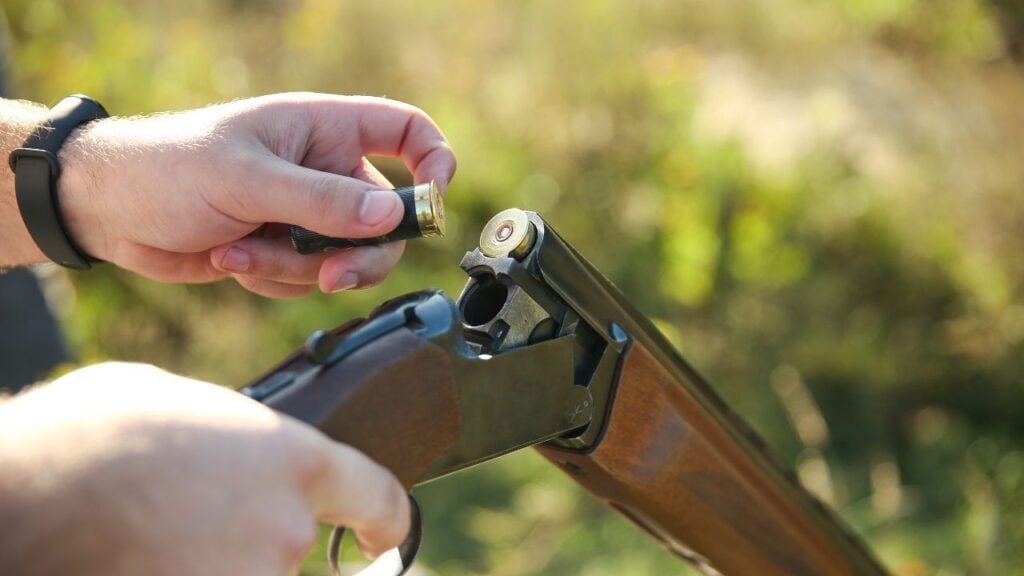
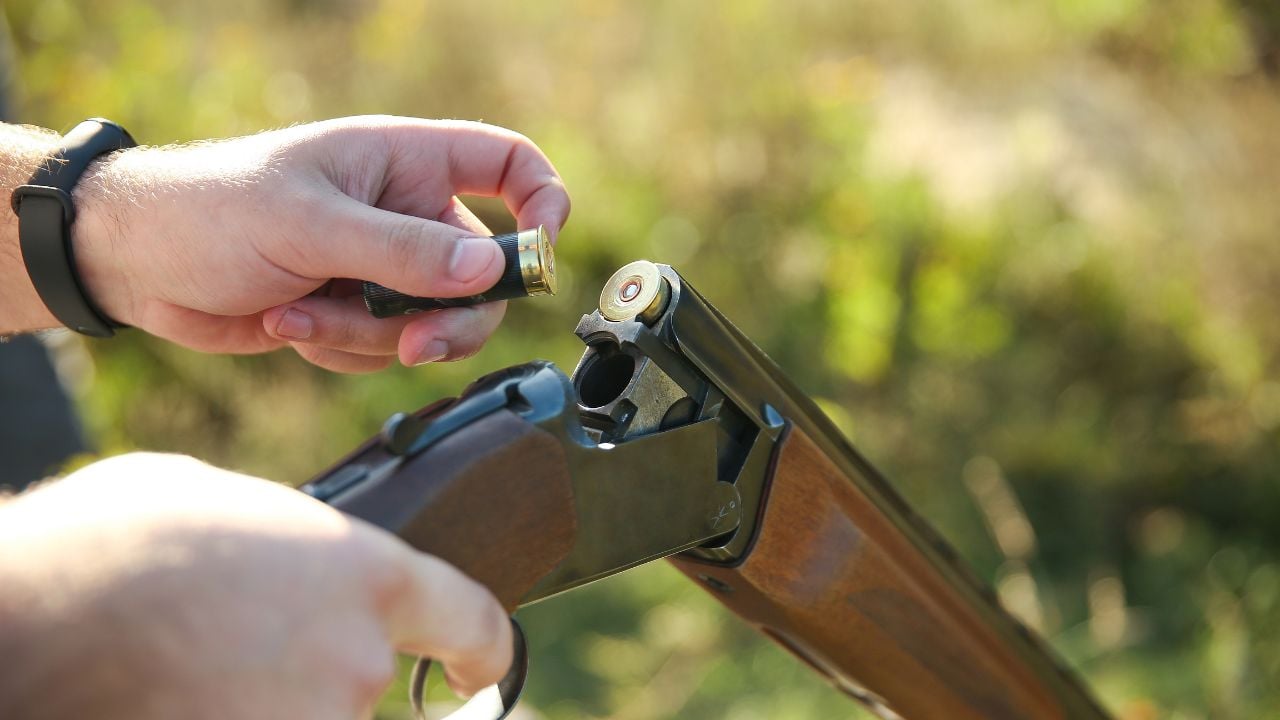
Guns Alone Will Protect You
Many preppers think a firearm is the ultimate insurance policy. Reality check: guns solve exactly one problem, defense.
They don’t purify water, cook dinner, or keep you warm in January. In fact, relying only on weapons can make you less resourceful in real crises.
And let’s be honest, most Americans spend more time cleaning their air fryer than practicing firearm safety under stress.
Preparedness is about balance: skills, supplies, and yes, security, but not security alone.
First Aid Kits Don’t Expire
That medical kit in your car glove box? Half of it might already be useless. Bandages lose stickiness, ointments expire, and painkillers degrade.
Even worse, many store-bought kits are glorified Band-Aid boxes, missing essentials like tourniquets or antiseptics.
A real prepper keeps their kit updated and knows how to use what’s inside. YouTube training isn’t enough. Actual practice matters.
Old gauze won’t save you. Updated gear might.
Duct Tape Fixes Everything
Duct tape is the Chuck Norris of survival supplies, right? It fixes tents, boots, and more.
It’s true that duct tape is versatile. But it’s not magic. Tape won’t seal a water jug forever, filter air, or fix a broken bone. Over-relying on it means ignoring better tools.
Good preppers treat duct tape as backup, not a miracle. Think “temporary patch,” not “permanent solution.”
Otherwise, your shelter may look like a kindergarten craft project.
Fishing Will Feed You Forever
The vision of catching endless trout with a pocket knife is a prepper classic. Reality: fishing requires gear, skill, and luck.
During crises, every other would-be survivalist will crowd the same lakes and rivers. Fish populations can drop quickly.
And don’t forget, raw fish from questionable water can bring parasites.
Hunting, gardening, and storing food matter just as much, if not more, than relying on a rod and reel.
More Gear = More Preparedness
There’s a myth that the person with the most gear wins during an end-of-the-world scenario. In truth, hauling ten knives, three axes, and a solar oven won’t help if you can’t carry or use them properly.
Knowledge trumps clutter. A lighter pack with multipurpose tools and practiced skills beats a basement stuffed with unused gadgets.
Remember: Amazon isn’t a prep plan. Skill is.
Generators Guarantee Power
A gas generator feels like a golden ticket during blackouts. But they’re loud, require constant fuel, and produce deadly carbon monoxide if used incorrectly.
They also attract attention, which is something you may not want in desperate times.
Solar panels, battery packs, and conservation strategies are quieter and safer long-term options.
Generators are helpful tools, not magical solutions.
You Don’t Need a Plan, Just Supplies
Some preppers think stacks of stuff equal preparedness. But without a plan, you’re just hoarding.
Do you know evacuation routes? Where to meet family if cell service dies? How to ration supplies? These matter more than the number of ramen bricks you’ve stored.
Supplies run out. Plans last longer.
Being strategic beats being buried in gear.
Cash Will Be Useless
Some insist cash won’t matter in a disaster. But history shows otherwise. During crises, local economies often run on physical money when cards and apps stop working.
Cash is quick, recognizable, and easier to trust than digital promises.
While not a cure-all, having small bills on hand is still smarter than ignoring cash altogether.
Your Venmo handle won’t buy propane if the Wi-Fi’s out.
Government Will Always Rescue You
FEMA trucks rolling in within hours? That’s the Hollywood version. Real disasters often overwhelm government response.
Help can take days or weeks to arrive. Katrina, Puerto Rico, Maui wildfires, history keeps repeating this lesson.
Depending solely on government aid is risky. Prepping fills the gap between “right now” and “eventual help.”
Self-reliance is safer than blind faith.
Alcohol Is Just for Comfort
Preppers sometimes stash whiskey “for morale.” While true, alcohol has broader uses. It can disinfect wounds, fuel certain stoves, and even serve as trade.
The danger is overestimating it. Alcohol dehydrates, lowers judgment, and in excess, becomes deadly.
Treat it like a tool, not a crutch. A shot may calm nerves, but a hangover won’t help in a blackout.
You’ll Rise to the Occasion
Many people believe they’ll suddenly become survival geniuses under stress. The truth? People usually default to their training (or lack of it).
Without practice, you could easily panic, freeze, or make poor choices.
Reading articles isn’t the same as drilling with the prepper gear you bought or doing a trial run test of your plans.
Train now, so instinct can carry you later.
19 Historical U.S. Myths That Annoy History Buffs to the Core

If your teacher taught it in history class, it’s normal to assume it’s true. Ask any historian, though, and you might be surprised to learn the stuff of school history lessons is often riddled with inaccuracies.
19 Historical U.S. Myths That Annoy History Buffs to the Core
25 Traditions Young Americans Have No Interest In Keeping Alive

These days, many young people aren’t clinging to the same customs their parents and grandparents swore by.
From hosting formal dinner parties to sending holiday cards, these are the traditions that just don’t feel as relevant anymore.
25 Traditions Young Americans Have No Interest In Keeping Alive
What Decade Were You Really Meant For?
Whether you’re dreaming of bell-bottoms or soda fountains, our Decade DNA Quiz will match you with the decade that fits your personality. No work deadlines here, just a fun escape when you need it most.
Meet Your Match. Discover Your Decade DNA. (Your Vintage Roots Are Showing)