

20 Side Hustles That Would’ve Made No Sense for New Yorkers in the 1970s

Side hustles are everywhere now. People deliver groceries, walk dogs, rent out spare rooms, and earn money by posting on social media.
But if you tried to explain some of these modern gigs to someone in 1970s New York, you’d get a confused look.
Renting Out a Room to Strangers Online
In the 1970s, letting strangers stay in your house would have been seen as risky, not clever.
There was no internet to verify identities or book safely. If someone wanted to rent a room, it usually meant a long-term roommate.
Today, short-term rentals are common thanks to apps, but back then, it would have seemed odd and uncomfortable.
Most families wouldn’t even consider it unless they were desperate for extra cash, and even then, it was rare.
Getting Paid to Post on Social Media
Posting a photo and earning money? That would’ve sounded like science fiction in the ‘70s.
There were no influencers, no hashtags, and certainly no internet. If you wanted to get noticed, you had to be on TV or in a magazine.
The idea of turning personal thoughts, outfits, or meals into a paycheck just didn’t exist.
People took pictures for scrapbooks, not sponsorships.
Delivering Groceries for a Phone App
In the 1970s, people did their own shopping. They made a list, went to the store, and pushed a cart.
Delivery was limited to milk, newspapers, or maybe pizza. Grocery delivery would’ve felt like a luxury service for the wealthy.
The idea of someone else doing your food shopping for you, especially through a phone, was totally out there.
No one was tapping a screen and waiting for apples to arrive at the door.
Selling Handmade Crafts to Strangers Online
Craft fairs and local shops were the only way to sell handmade goods in the ‘70s.
There was no Etsy, no shipping labels, and definitely no PayPal. If you wanted to sell something, it took time and face-to-face effort.
The thought of turning a hobby into a full-blown online business would’ve been exciting, but completely unfamiliar.
Most people just gave their crafts as gifts or kept them at home.
Driving People Around Like a Taxi Without Being a Taxi
Back in the 1970s, giving strangers rides for cash would’ve seemed confusing or unsafe.
You either called a cab or drove yourself, with no middle ground.
Today’s rideshare apps make it normal, but the idea of an average person using their own car to act like a taxi wouldn’t have added up.
There were rules, licenses, and boundaries that made the idea feel totally foreign at the time.
Watching Other People’s Pets for Money
In the 1970s, if someone needed help with their pet, they usually asked a neighbor or a family friend.
The idea of paying a stranger to walk your dog or host your cat for the weekend didn’t catch on yet.
Pet hotels existed, but casual pet-sitting as a side hustle wasn’t common. It wasn’t something people advertised or hired out for fun money.
Today it’s normal, but back then, it would’ve sounded like a very niche gig.
Taking Online Surveys for Spare Cash
No internet meant no online anything, especially surveys. Companies used paper mail and phone calls for feedback.
There was no way to earn a few bucks while clicking answers in your pajamas.
People might have participated in a market research group, but it wasn’t something you did from home for pocket change.
The idea of answering questions on a screen and getting paid would’ve seemed too easy to be real.
Creating and Selling Digital Art
Graphic design was around, but it wasn’t a side hustle you could do from your living room.
You needed expensive equipment, training, and often a full-time job in a studio or ad agency.
The idea of making art on a computer and selling it online to buyers across the world just didn’t exist yet.
If you wanted to sell art, you needed paper, paint, and a place to display it.
Making Money as a YouTuber
There were TVs and home video cameras, but there was no YouTube and no way to share videos with the world.
The closest thing was sending a tape to a local news station or trying to get on a game show.
Today, people build careers just by recording their thoughts or daily routines. That concept would’ve blown minds in the ‘70s.
Back then, being on camera meant you were either famous or very lucky.
Flipping Thrift Finds on the Internet
Thrift stores were popular in the 1970s, but reselling items for profit wasn’t a common side gig.
Most people shopped secondhand to save money, not to make it. There was no online marketplace to reach buyers.
You might have had a garage sale or set up a flea market table, but that took time and effort.
The idea of flipping clothes or collectibles from your couch wouldn’t have made sense yet.
Managing Social Media for Businesses
Businesses advertised through newspapers, radio, and maybe television. There were no online profiles to manage.
You couldn’t hire someone to post updates, reply to comments, or build a brand online.
Marketing was handled by full-time employees or ad agencies, not teenagers working part-time from home.
This modern gig would’ve sounded like a made-up job to most people back then.
Earning Tips from Streaming Video Games
Video games were just starting to gain popularity in the 1970s, but they weren’t seen as a career path.
No one was broadcasting gameplay, collecting followers, or receiving tips for playing well.
If you told someone you made money by letting strangers watch you play a game, they’d probably laugh.
It was pure entertainment back then, not a business model.
Becoming a Virtual Assistant
There were secretaries and administrative assistants, but those were office jobs with fixed hours and desks.
Helping someone from another city, or country, without ever meeting them in person wasn’t an option.
Technology didn’t support remote work like it does now. You needed phones, typewriters, and file cabinets.
Working from home as an assistant would’ve sounded like a dream that wasn’t possible yet.
Testing Products at Home for Online Reviews
In the 1970s, product testing was usually done in labs or through carefully planned market research panels.
The idea of everyday people testing items and sharing reviews from home would’ve sounded strange.
There were no online platforms to post feedback or get paid for your opinions.
Today, anyone can become a reviewer. But back then, it was a job reserved for professionals.
Renting Out Your Stuff by the Hour or Day
Now you can rent out bikes, tools, clothes, and even backyard pools through apps. But in the ‘70s, people didn’t think that way.
If you had extra stuff, you either loaned it to friends or let it collect dust in the garage.
Turning those items into a money-making opportunity wasn’t something most families considered.
It would have taken a lot more work without the help of digital platforms.
Editing Videos for Strangers on the Internet
Video editing existed in the 1970s, but it was mostly done by professionals using big machines and expensive gear.
You couldn’t do it from your kitchen table using free software and a laptop.
There was no easy way to share videos or offer your skills to someone across the country.
The idea of doing creative video work as a weekend hustle just didn’t exist yet.
Getting Paid to Voice Audiobooks at Home
Recording an audiobook required studio time and expensive microphones in the ‘70s.
There weren’t platforms to connect independent authors with at-home narrators.
If you had a good voice, your best bet was trying to get on the radio or read for the library.
Now it’s a side hustle with low startup costs, but it would’ve felt out of reach back then.
Creating and Selling Digital Courses
People taught classes in person, at schools, libraries, or community centers. That was the only real option in the 1970s.
Creating a course on your own and selling it to people online would’ve been impossible.
There were no digital platforms, no streaming tools, and no quick ways to share large files.
Teaching was still tied to a physical classroom, not a clickable screen.
Selling Stock Photos from Your Phone
In the 1970s, photography was a slower, more expensive process. You needed film, a good camera, and a place to get prints developed.
Selling photos meant working with magazines or local newspapers, not uploading them to a website from your couch.
Today, anyone with a smartphone can sell their pictures online. But back then, this would have seemed like a full-time career, not a casual side gig.
The idea of making passive income from random snapshots would’ve sounded too good to be true.
Offering Online Tutoring to Strangers
Tutoring in the 1970s happened face-to-face, usually through schools or word of mouth.
There was no video calling, no messaging apps, and no global reach for part-time tutors.
Helping someone in another state, or another country, would have seemed impossible.
Today, tutoring is a flexible side hustle. But back then, it was strictly local and required a lot more coordination.
What Decade Were You Really Meant For?
Whether you’re dreaming of bell-bottoms or soda fountains, our Decade DNA Quiz will match you with the decade that fits your personality. No work deadlines here, just a fun escape when you need it most.
Meet Your Match. Discover Your Decade DNA. (Your Vintage Roots Are Showing)

14 Things Every ’70s Kid Had in Their Lunchbox

From smashed sandwiches to sticky pudding cups, here’s a look at all the classic foods every ‘70s kid had crammed inside their trusty lunchbox.
14 Things Every ’70s Kid Had in Their Lunchbox
19 Gilligan’s Island Facts Even the TV Show’s Biggest Fans Don’t Know
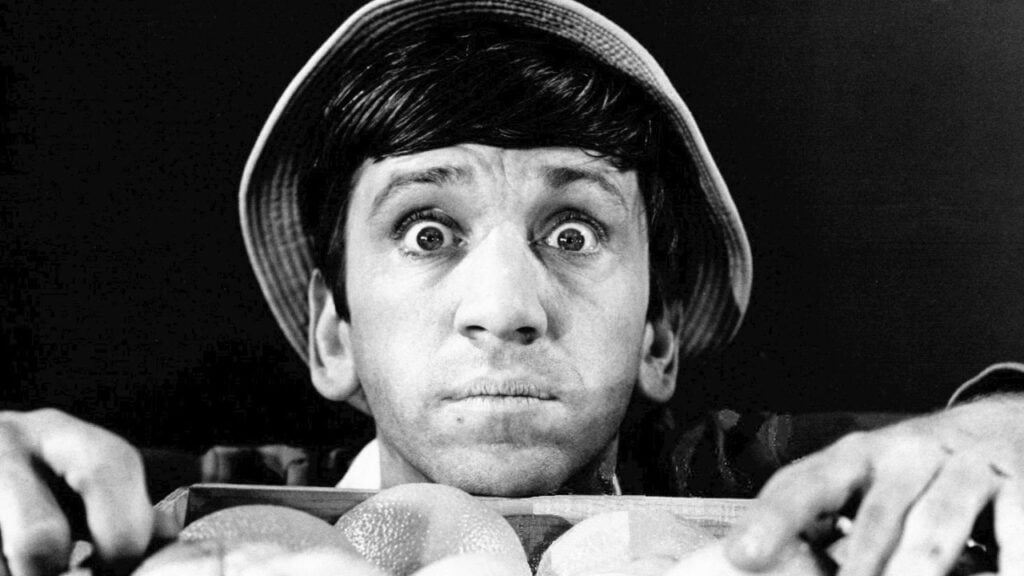
For many Americans, Gilligan’s Island was a silly, beloved sitcom. But as it turns out, this little island paradise was hiding some juicy trivia.
19 Gilligan’s Island Facts Even the TV Show’s Biggest Fans Don’t Know

