20 Things That Disappeared When Georgia Diners Started Closing

Diners used to be the heart of Georgia’s towns, opening early, serving late, and always welcoming anyone who walked in.
But now that many are no longer, a lot of the charm has gone with them.
Here’s what quietly disappeared when Georgia diners started closing.
Endless Coffee Refills Without Asking
At classic diners, your mug never went empty. Servers kept the pot in hand and topped you off without a word.
There was no timer, no limit, and definitely no upcharge. It was just part of the experience.
You didn’t need to flag anyone down or ask twice; they knew when to refill.
Now, with fewer diners around, that quiet gesture is harder to find. In most places, it’s refill by request or not at all.
Servers Who Knew Your Name and Your Order
Regulars didn’t need to say a word. You’d walk in, nod, and your favorite meal would show up minutes later.
Diner staff didn’t just take orders, they remembered lives, stories, and birthdays.
They’d ask how your mom was doing or if your kid liked college.
Today, that kind of connection is rare in fast-paced restaurants where turnover is high and orders are typed into tablets.
Spinning Stools at the Counter
There was something fun about sitting at the counter and giving your seat a slow spin.
It was a front-row view to the grill, the coffee station, and all the diner action.
People read the paper, chatted with the cook, or watched their eggs being flipped.
Now, most places don’t even have counters, just booths, QR codes, and backlit menus.
Tiny Jukeboxes at Each Booth
You could flip through song titles and pick your favorite for a few coins.
The tiny jukebox gave each table its own soundtrack, and picking the perfect tune felt like a ritual.
You could eat pancakes to Patsy Cline or sip coffee to Elvis.
As diners closed, so did the music that made meals feel personal.
Homemade Pie on Display by the Register
Right by the checkout, there was always a rotating glass case with slices of pie.
Apple, pecan, lemon meringue, it was baked fresh, not boxed or frozen.
Even if you were full, it tempted you into ordering dessert or taking a slice home.
That display case was a simple touch, but it’s not something you see in most restaurants anymore.
Paper Placemats With Trivia and Local Ads
They weren’t just to keep the table clean. Diners often used paper placemats covered in puzzles, trivia questions, or coloring activities.
Some had local ads for hardware stores, hair salons, or the bowling alley down the street. It was part of how diners supported the community.
You’d flip it over while waiting for your pancakes or quiz your friend while sipping a milkshake.
Today, most restaurants use plain napkins or laminated menus. The charm and the fun are gone.
Waitresses With Coffee Pots and Stories
Diner waitresses didn’t just serve food. They talked, joked, and checked in like old friends.
Some had been working the same booth rotation for 20 years and knew every customer by name.
They’d top off your coffee and tell you what pie was best that day or how their dog was doing.
That kind of warmth is hard to find now, especially in chain restaurants where staff come and go.
Breakfast Served at All Hours
Diners didn’t care what time it was. If you wanted eggs at 8 p.m. or pancakes at midnight, they had you covered.
You could get sausage and hash browns after a late shift or during an early road trip.
There wasn’t a separate brunch menu or weekend-only special. It was breakfast, anytime.
Now, most places cut it off by noon, and late-night food feels harder to find.
Pies Cooled on Racks Behind the Counter
Instead of hiding in a freezer, fresh-baked pies were proudly displayed behind the counter.
You’d see steam rising off the crust or smell cinnamon before you even sat down.
Flavors rotated with the season, and if you waited too long, your favorite might be gone.
That kind of homemade, right-out-of-the-oven treat is harder to find in modern eateries.
Handwritten Checks and a Register That Dinged
Long before handheld card scanners, diners wrote your total on a small slip and dropped it by the plate.
You’d bring it up front and pay at the register, often one that made a satisfying ding when it opened.
No apps, no screens, no tipping prompts, just cash, a smile, and maybe a candy dish on the counter.
It was simple and personal, and it made even the end of the meal feel good.
Late-Night Crowds From All Walks of Life
Diners were open when everything else was closed. That meant you’d see night-shift workers, college kids, and early risers all sharing booths.
It wasn’t unusual to see a police officer at one table, a band unloading gear at another, and a family grabbing a midnight snack nearby.
Everyone was welcome, and everyone seemed to blend in.
Now, with fewer 24-hour spots around, that mix of people and energy has faded away.
The Smell of Bacon That Lingered All Day
Walk into a diner at any hour, and it always smelled like breakfast.
The scent of bacon, coffee, and pancakes was baked into the walls, and somehow, it was comforting.
Even if you ordered a burger, it still came with that cozy smell in the air.
Modern restaurants might be cleaner or sleeker, but they rarely smell like home.
Old-School Booths With Cracked Vinyl
The booths weren’t perfect, but they were familiar. The vinyl might’ve had a few cracks, but it held decades of stories.
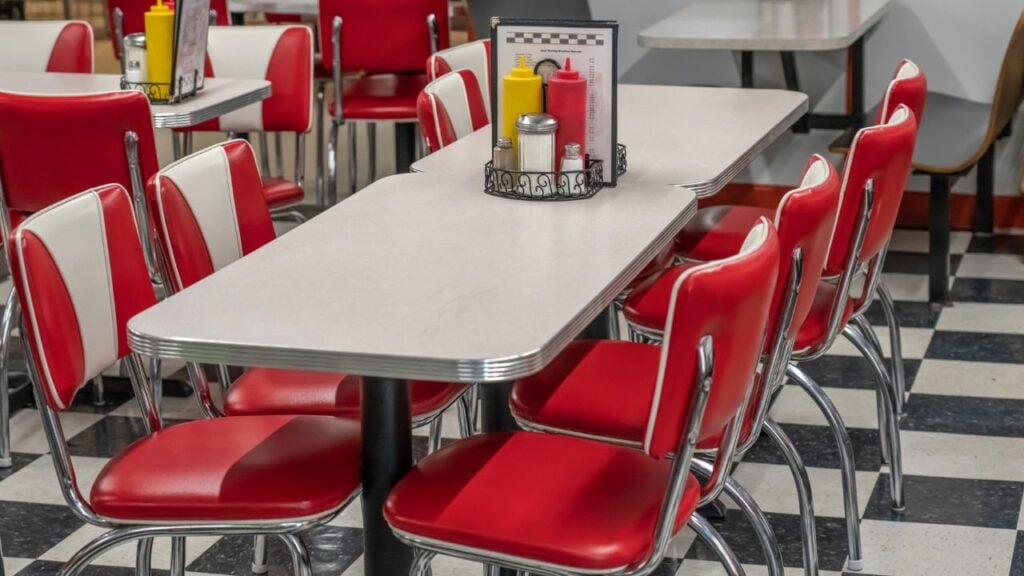
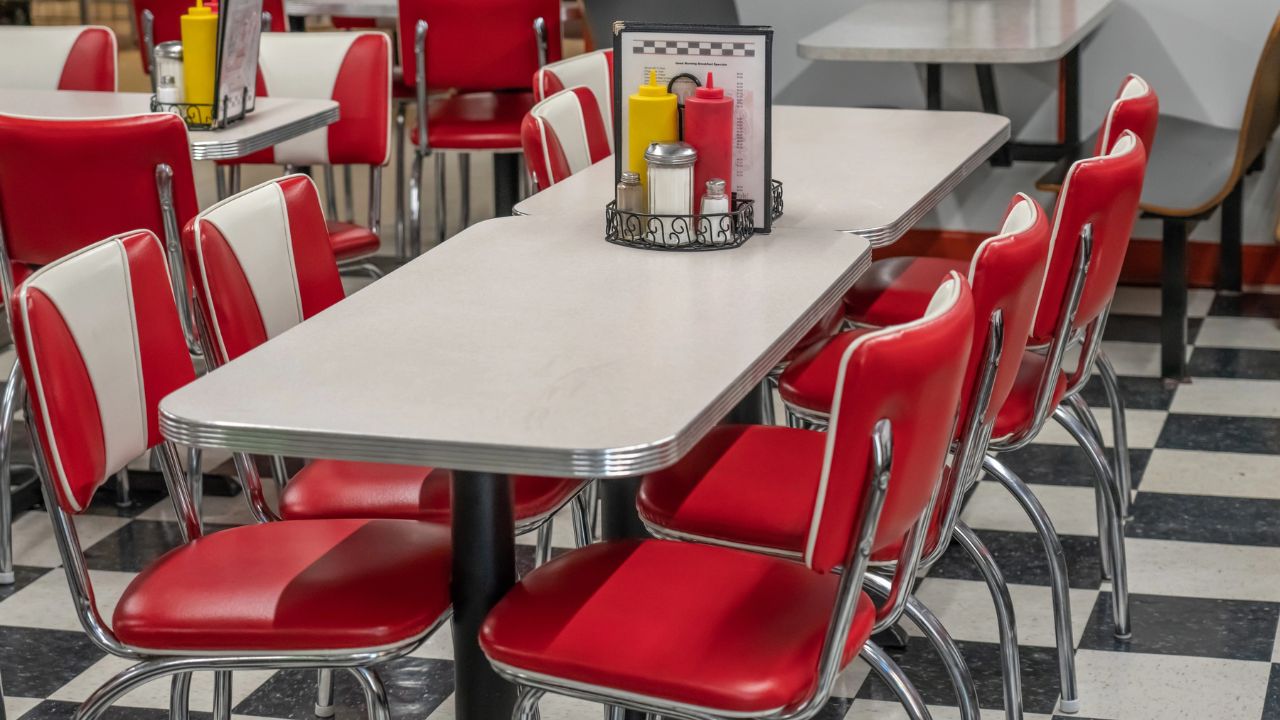
Kids bounced on the seats, regulars slid in without looking, and ketchup bottles sat permanently on the table.
Some booths had carvings in the wood or initials scratched into the table edge.
That kind of wear came from years of use, not design, and it gave diners their character.
Mini Creamers in a Bowl on the Table
No need to ask for milk or cream. Diners had a little bowl filled with tiny plastic creamers waiting at every table.
You’d peel one open and pour it into your coffee, or just stack them while you waited for food.
It was one of those little diner things that didn’t feel important until it was gone.
Now you’re more likely to get a splash of milk from the barista, if they remember.
Menus With Dozens of Choices
It didn’t matter what time of day it was; if you wanted meatloaf, an omelet, a club sandwich, or spaghetti, you’d find it.
Diner menus were long, laminated, and covered in choices that somehow all got made in one kitchen.
Some had full pages for breakfast, lunch, dinner, and dessert, and everything was available all day.
These days, most restaurants pick one theme. That endless menu? It’s mostly a memory now.
Sugar Dispensers and Napkin Holders on Every Table
Every booth had the same setup, salt, pepper, a metal napkin holder, and that glass sugar dispenser with the silver top.
You didn’t need to ask for anything. It was all already there, like part of the furniture.
Some diners added hot sauce, jelly packets, or little bowls of mints too.
Now, tables are mostly bare, and you’re expected to ask or pay extra for the basics.
Cooks You Could See and Hear
The grill wasn’t tucked away in the back. It was out in the open, just behind the counter.
You could watch your eggs hit the flattop or hear your bacon sizzle while chatting with the cook.
Sometimes, the chef would call your order out loud or joke with regulars between flips.
It made the food feel more personal, and the whole meal more alive.
Tiny Desserts in Plastic Cups by the Fridge
Some diners had a fridge near the door or counter with ready-to-go desserts.
You’d see plastic cups filled with Jell-O, fruit cocktail, or pudding with a swirl of whipped cream.
It wasn’t fancy, but it was part of the charm and always a cheap add-on to your meal.
Now, desserts are fancier or prepackaged, and that little case of treats is gone.
Cash-Only Signs by the Register
Many diners didn’t take cards. There was a sign near the door or cash register: “Cash Only. Thanks!”
It forced you to keep a few bills in your wallet and gave the whole place an old-school feel.
Sometimes there was an ATM near the bathroom, but it always charged a fee.
Today, nearly every place is digital. That handwritten sign is getting harder to spot.
Locals Sitting for Hours Without Being Rushed
Diners weren’t in a hurry to turn tables. You could sit for hours, reading the paper or sipping coffee.
Servers knew who wanted to chat and who wanted to be left alone.
No one looked twice if you ordered one slice of pie and stayed till lunch.
Now, with tight schedules and fast service models, that slow pace is a thing of the past.
Which Classic American Decade Is Totally You?
Take a quick break and discover which classic American era matches your personality and old-school soul. Our Decade DNA Quiz is fast, fun, and full of feel-good retro energy.
Meet Your Match. Discover Your Decade DNA. (Your Vintage Roots Are Showing)

25 Discontinued Foods That Americans Miss Seeing on the Shelf

Every once in a while, big-name brands pull products with huge followings off the shelf, saddening Americans across the country. These are the foods Americans want back the most.
25 Discontinued Foods That Americans Miss Seeing on the Shelf
24 Old-Fashioned Candies That Need To Make a Comeback

From childhood classics to forgotten chocolates, these treats bring back memories of simpler times. Rediscover the joy of beloved confections that deserve to make a comeback.