
21 “Free Trials” That Secretly Cost Georgians a Fortune

Georgians love a good deal. Something labeled “free” feels like winning a tiny lottery at the grocery store checkout.
But free trials aren’t designed to be acts of generosity. They’re designed to convert people who forget to cancel, lose track, or get too busy to fight customer service.
And once that billing cycle starts, these little “try it free” buttons can drain more money than anyone expects.
Subscription Boxes With Surprise Upsells
Subscription boxes make it seem like you’re only paying for one small thing, but the add-ons show up fast.
A free trial box often turns into a pricey monthly charge that includes “bonus items” you never asked for. It’s sneaky because they frame it like you’re getting something exclusive.
Canceling requires navigating a maze of settings you didn’t even know existed. And the worst part is boxes tend to ship before you can stop them, making customers pay for at least one extra month.
These sign-up pages are intentionally designed to make you overlook how soon your card will be charged.
Streaming Services With Tier Jumps
Streaming platforms know most people sign up for one show and forget to cancel.
The “free week” comes paired with a premium tier that automatically renews into a higher price than you expected. It feels harmless until your credit card statement looks like a cable bill.
Rotating content makes you keep the service longer, even if the show you came for is already finished. And buried notices about price increases never make it to your inbox.
This model works because Americans hate missing out on the one show everyone is tweeting about.
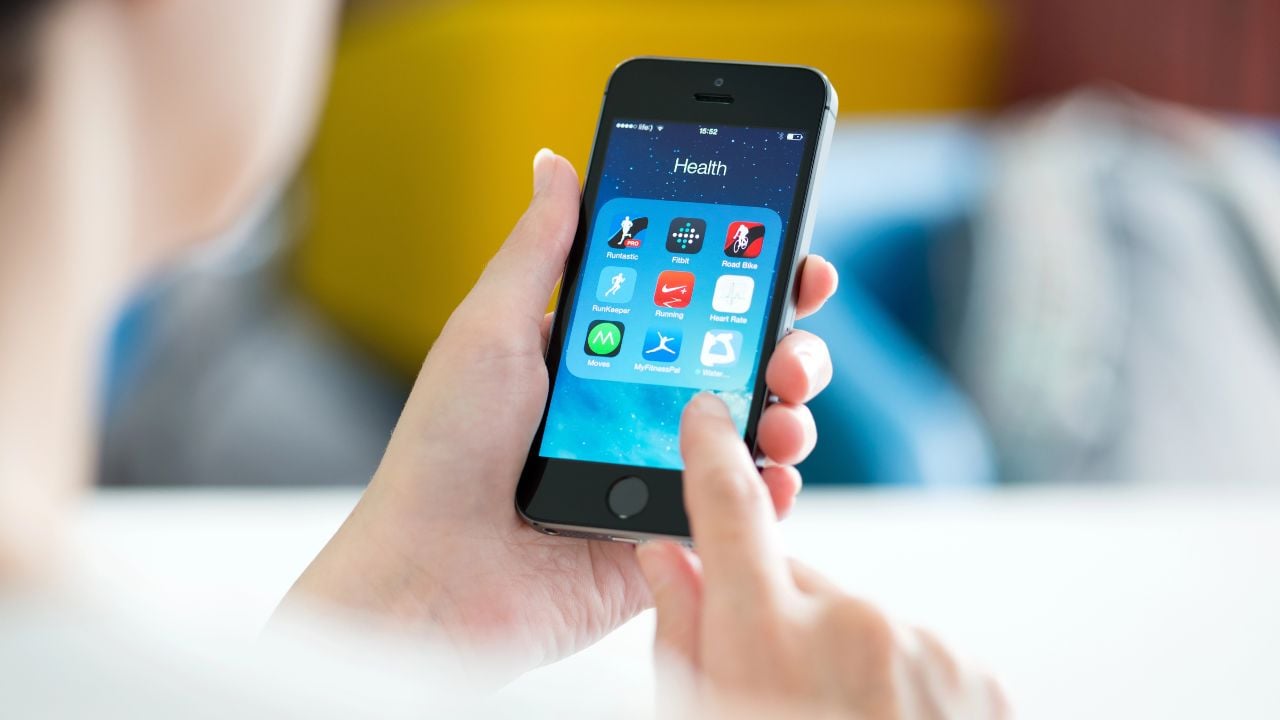
Fitness Apps With Locked Features
A free trial for a fitness app sounds like a healthy start.
But once you open it, half the workouts are locked behind the paid tier that kicks in automatically. It gives you just enough access to get hooked, then pushes a monthly membership.
Many apps hide cancellation buttons behind profile submenus that feel like a puzzle. And some even require emailing support instead of tapping “cancel,” which delays everything.
People end up paying long after their motivation fades.
Credit Monitoring Sites
Free credit checks rarely stay free.
The trial often includes a bundled “identity protection package” that renews automatically at a steep rate. This works because money-related services feel important, so people hesitate to cancel.
The dashboards look simple, but the subscription pieces are buried under multiple tabs. And the scary alerts make you feel like canceling is dangerous for your financial health.
Companies rely on that tiny bit of fear.
Meal Kit Trial Offers
Meal kit companies love using generous trial boxes to get you in the door.
But the renewal price is usually double what customers expect, and skipped weeks don’t always save you. Some platforms process payments before the next menu even appears.
If you don’t set a reminder, you end up paying for a box you didn’t want. And the packaging makes you feel guilty for wasting food, so you let it continue.
The sign-up screens often display discounts much bigger than the reality of the renewal cost.
Audiobook Memberships
The trial feels great because you get a free book right away.
But the membership renews into a monthly charge that’s often more expensive than buying one hardcover. Stacking credits keeps you subscribed longer.
People avoid canceling because they want to use their unused credits first. And by the time they remember, they’ve already paid for multiple cycles.
Some platforms also add “bonus credit packs” for an additional charge you barely notice.
Language Learning Apps
Learning a language feels productive, so canceling feels wrong.
The free trial makes it seem like everything is included, but advanced lessons only unlock after the auto-renew. The pricing tiers are confusing on purpose.
These apps send motivational notifications that guilt-trip you into staying another week. And the progress trackers create a sense of “I can’t lose my streak” that keeps the subscription alive.
It’s surprisingly effective for apps that cost more than gym memberships.
Kids’ Educational Subscriptions
Parents love anything that promises enrichment, especially if the trial costs nothing.
But once it renews, the app or subscription box becomes one more recurring charge in a long list of kid-related expenses. Many parents don’t notice it for months.
The trick is that kids get attached to their digital badges and characters. Canceling becomes a small emotional battle. And children will remind you at the worst possible time, like bedtime.
Stock Photo Libraries
Free trials for stock photos seem harmless.
But the fine print usually includes automatic conversion into a premium unlimited plan. This is especially risky for small business owners who forget to cancel during busy seasons.
Downloads are capped too, so you feel pressured to upgrade quickly. And some platforms place watermarks on trial images to push users into the paid tier.
Creators often end up with subscription charges they didn’t budget for.
Recipe and Cooking Apps
Food apps pull people in with a free trial and a great-looking recipe library.
But once you explore, you discover most of the good stuff is paid. The subscription quietly renews as soon as you unlock one premium recipe.
Some even limit grocery list features until after the billing date. And because meal planning feels productive, people let it continue longer than they planned.
The pricing tends to jump between annual and monthly without warning.
Meditation and Wellness Apps
Calming music shouldn’t be expensive, yet somehow it is.
The free trial gives you full access to everything, so canceling later feels like a downgrade. It taps into the idea of self-improvement.
Notifications gently nudge you to return, which also nudges you not to cancel. And many apps switch from free to premium overnight, catching you off guard.
It’s easy to miss the renewal because the charge feels “small” but adds up over time.
Beauty Subscription Programs
Beauty brands offer “free sample kits” that secretly start a membership.
The shipping is usually free too, making it feel like a great deal. But the membership cost that kicks in later is sometimes the price of a full department store haul.
Canceling often requires calling a phone number during business hours, which is not fun for anyone. And sample boxes tend to arrive early, so customers get billed before they notice.
The packaging is cute enough to make people forget to cancel.
Online Piano or Music Lessons
Music lessons sound wholesome, so they market the trial as a gateway to a new hobby.
But the auto-renewal often jumps from free to a surprisingly high monthly fee. The apps also block advanced songs until after you’re fully subscribed.
People avoid canceling because they feel like they haven’t “given it a full chance” yet. And the progress charts make quitting feel like losing, even when the cost is too high.
These trials can linger for months before anyone notices.
Premium Email Tools
Businesses try these free tools thinking they’ll use them a few times.
But billing starts fast, and the trial offers features that disappear the second you switch back to free. The subscription then looks necessary.
Many tools also bill annually instead of monthly, turning a $0 trial into a big charge overnight. And contacting customer support for refunds is often slow.
The billing cycle always seems to renew on the busiest weekday.
Cloud Backups and Storage Plans
A free month of cloud storage feels like an easy yes.
But once you fill the space, canceling becomes complicated because you need to download everything or lose it. Most people choose to stay subscribed.
Storage plans also increase price tiers quietly when you exceed limits. And you rarely get alerts about renewals. Providers know people hate managing digital clutter, so they just let it bill indefinitely.
Pet Supplement Trials
Pet owners are loyal, and companies know it.
A free trial pack of treats or joint supplements feels like a harmless test. But the renewal price is often steep, and orders ship quickly.
Because you love your pet, you hesitate to cancel. And customer service scripts emphasize “health benefits” to guilt-trip you into keeping the plan.
Many companies also auto-enroll you in “refill plans” you didn’t notice.
Calm-Productivity Apps
These apps promise focus, but the real focus is on getting your card.
A free period gives you just enough access to feel more organized. Then the upgrade gates everything behind a paid tier.
People stay because they don’t want to lose checklists and progress they’ve already built. And the renewals often hit during weekday mornings when you’re too busy to react.
Over time the cost feels like another office supply you never meant to buy.
Skin and Haircare Funnels
A free bottle of shampoo or serum feels like a fun treat.
But the catch is auto-membership that sends full-size replacements at premium prices. These companies bank on people forgetting to cancel.
You often need to call a live agent instead of clicking a cancel button, which buys them time to upsell you. And the “intro offer” hides behind tiny footnotes.
This business model thrives because people feel awkward saying no on the phone.
Tax Prep Services
Tax prep sites sometimes offer “free versions” that quietly shift you to the paid tier.
It happens the moment you select certain forms or deductions. The upgrade gets triggered by normal tax steps, not special features.
Many people don’t realize they’re in the paid product until the very end. And by then they’re too deep in the process to start over. It’s one of the trickiest trial systems in the financial world.
Photo Editing Apps
Creators love a free trial for editing tools.
But the renewal hits fast, and many apps offer expensive annual plans by default. The pricing looks small until you multiply it by twelve months.
Canceling only through the app store settings makes it harder to notice. And the app uses watermarks or locked filters to push the paid version.
People keep the subscription because deleting photos feels like losing work.
Educational Courses and Masterclasses
Online courses feel like an investment in yourself.
But the free trial hides a pricey monthly plan behind it. And once you start a class, canceling feels like giving up on personal growth.
Some platforms release lessons slowly, making you stay subscribed longer. And the auto-renewal happens while you’re busy with life.
The marketing plays heavily on “unlock your potential,” which makes canceling feel wrong.
17 Life Hacks That Are Harder Than the Non-Hack

Life hacks are supposed to make your life easier, and sometimes they really do. However, the internet is rife with hacks that aren’t actually effective.
17 Life Hacks That Are Harder Than the Non-Hack
Weirdest Laws in Each State

Most Americans are clear on treating thy neighbor as they’d want to be treated to reduce the chance of fines and jail time. But did you know you could be breaking the law by carrying an ice cream cone in your pocket? These are the weirdest laws in each state, most of which courts (thankfully!) no longer enforce.
Weirdest Laws in Each State That’ll Make You Chuckle
Which Classic American Decade Is Totally You?
Take a quick break and discover which classic American era matches your personality and old-school soul. Our Decade DNA Quiz is fast, fun, and full of feel-good retro energy.
Meet Your Match. Discover Your Decade DNA. (Your Vintage Roots Are Showing)

