
21 Things Interior Designers Secretly Wish New Yorkers Would Stop Doing

Professional interior designers develop a special kind of patience from walking into homes where New Yorkers have made the same decorating mistakes over and over again.
They’ve seen countless living rooms where art hangs at ceiling height, bedrooms painted in colors that make sleep challenging, and kitchens organized in ways that make cooking a nightmare.
While they’ll rarely criticize clients directly, designers definitely have opinions about the decorating habits that make their jobs harder and homes less livable.
Buying Furniture Sets That Match Perfectly
Showroom furniture sets look coordinated in stores, but they create boring, hotel-like spaces.
The best-designed rooms mix pieces from different eras, styles, and sources to create layers of interest that tell stories about the people who live there.
Designers encourage clients to collect pieces over time instead of buying everything at once from the same furniture line.
Hanging Art Too High
Many people accidentally hang pictures and artwork way too high on walls, creating galleries that require neck cranes to view properly.
Art should be at eye level, not ceiling level.
High artwork makes rooms feel disconnected and creates visual gaps between furniture and wall decorations that break up the design flow.
Pushing All Furniture Against the Walls
Some people treat room perimeters like furniture parking lots, shoving every piece against the walls.
This makes a room feel more like a waiting area than a cozy living space.
Floating furniture creates conversation areas and natural traffic flow that wall-hugging arrangements can’t achieve.
The center of rooms should be usable space, not a vast empty area that people tiptoe across to reach furniture lined up around the edges.
Using Overhead Lighting as the Only Light Source
Harsh overhead lights make everyone look terrible and create unflattering shadows that destroy the ambiance designers work hard to create in living spaces.
Table lamps, floor lamps, and accent lighting create layers of warm light that make rooms feel cozy and inviting.
Overhead fixtures should supplement other lighting, not replace it entirely.
Multiple light sources at different heights create depth and visual interest.
Choosing Paint Colors in the Wrong Light
Many people fall into the trap of picking paint colors under fluorescent store lighting and then wonder why they look completely different at home.
Natural light, artificial light, and the direction windows face all affect how colors appear throughout the day.
Small paint samples don’t show how colors will look on large wall surfaces.
Designers recommend painting large swatches on walls and living with them for several days.
Buying Rugs That Are Too Small
Undersized area rugs make rooms look choppy and disconnected instead of pulled together.
Living room rugs should fit under the front legs of all major furniture pieces, not float in the middle of the room like design islands.
Dining room rugs need to extend beyond the table so chairs remain on the rug when pulled out.
The investment in properly sized rugs pays off in rooms that feel cohesive and well-proportioned instead of like furniture scattered randomly around small carpet samples.
Creating Theme Rooms
Some homeowners love themed decorating. But designers cringe at rooms dedicated entirely to single concepts like nautical, southwestern, or sports themes that hit visitors over the head.
Theme rooms feel like restaurant decorating instead of sophisticated home design.
Heavy-handed themes become outdated quickly and are expensive to change when tastes evolve or family situations change.
The best rooms have subtle nods to interests and hobbies without turning into shrine-like displays that overwhelm the space.
Ignoring Scale and Proportion
Tiny furniture in large rooms looks lost and creates awkward empty spaces, while oversized pieces in small rooms make spaces feel cramped and unusable.
People often choose furniture based on price or style without considering whether the pieces fit the proportions of their actual rooms.
Designers spend significant time explaining scale relationships that seem obvious but apparently aren’t intuitive to most homeowners.
Decorating with Only New Items
Rooms filled entirely with brand-new furniture and accessories look like catalog pages instead of homes where real people live.
The best spaces mix vintage finds, inherited pieces, and new purchases to create layers of history and personality that pure retail decorating can’t achieve.
Designers encourage clients to incorporate meaningful pieces even if they don’t match current trends or color schemes perfectly.
Using Accent Colors Everywhere
Some well-meaning homeowners discover a color they love and then use it in every room, creating repetitive decorating that lacks variety.
Accent colors work best when they’re actually accents, not dominant themes that appear in multiple rooms and overwhelm the overall design.
Different rooms benefit from different color approaches based on their function, lighting, and size.
Designers prefer homes that flow together while allowing each room to have its own personality and color story.
Buying Throw Pillows in Sets
Matching throw pillow sets create boring, predictable arrangements that look like they came straight from store displays.
The best pillow combinations mix patterns, textures, and sizes in odd numbers that create sophisticated layering.
Designers mix high-end and affordable pillows to create custom looks that can’t be purchased as complete sets from any single retailer.
Hanging Curtains at Window Frame Height
Low-hanging curtains make windows look small and rooms feel shorter than they actually are.
Curtains should hang from ceiling height to create the illusion of taller windows.
Some people hang curtain rods right above window frames, missing opportunities to add visual height and elegance to their rooms.
The extra fabric length required for ceiling-height curtains is worth the investment for the dramatic improvement in room proportions.
Decorating with Only Neutral Colors
All-beige and all-gray rooms might feel safe, but they often end up looking bland and lifeless.
Neutral rooms need layers of texture, pattern, and subtle color variations to create visual interest without bold color statements.
Some people choose neutrals to avoid regret later. But they end up with rooms that don’t reflect their actual tastes or lifestyles.
Designers know how to use neutrals as a foundation while adding character through artwork, textiles, and natural elements that bring rooms to life.
Using Overhead Fans in Every Room
Ceiling fans serve a practical purpose, but some people install them in rooms where they’re unnecessary.
Many rooms have adequate HVAC systems that make ceiling fans redundant, but homeowners install them anyway.
Cheap ceiling fans with poor proportions make rooms look builder-grade instead of custom-designed, no matter how expensive the other furnishings are.
Designers prefer architectural solutions and hidden HVAC improvements over visible ceiling fans that dominate room design.
Choosing Furniture Based on Trends
Many homeowners replace perfectly good furniture to follow trends instead of investing in quality pieces that work with multiple decorating styles over time.
Trendy furniture becomes dated quickly and needs replacement when styles change.
Classic furniture styles with good proportions and quality construction work with various accessories and can be updated instead of complete replacement.
Designers encourage clients to buy fewer, better pieces that will work for years instead of constantly chasing current trends.
Creating Gallery Walls Without Planning
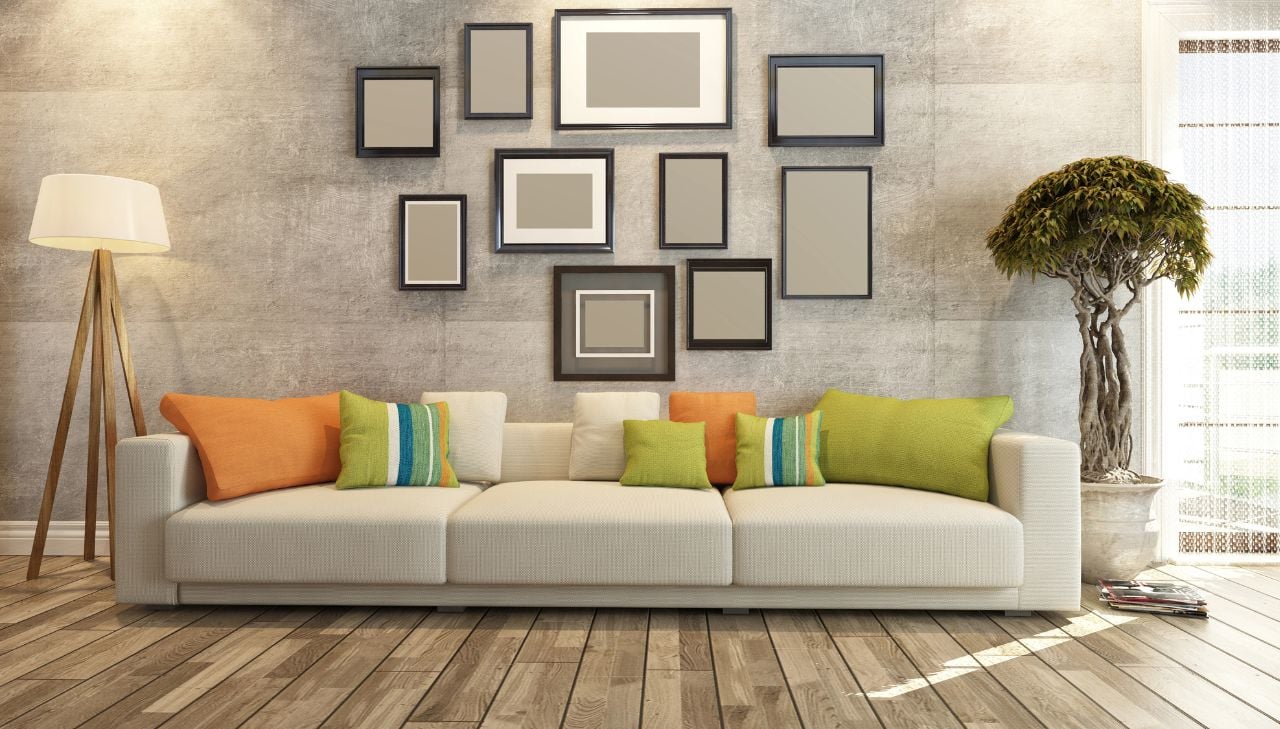
Some people create gallery walls by hanging random artwork without considering spacing, visual weight, or overall composition.
Gallery walls need careful planning with paper templates and measuring to create cohesive arrangements.
The best gallery walls tell stories and create focal points, but unplanned versions just look like someone threw pictures at a wall and hoped for the best.
Designers spend hours planning gallery wall arrangements that homeowners try to recreate in minutes without proper preparation.
Using Area Rugs as Afterthoughts
If you’ve picked rugs based on color or pattern without considering size, placement, or how the rug relates to furniture arrangement and room proportions, you’re not alone.
However, rugs should anchor furniture groupings and define conversation areas, not float randomly in rooms like decorative islands that don’t connect to anything.
The wrong rug size can make expensive furniture look cheap and poorly arranged, while the right rug pulls everything together seamlessly.
Mixing Too Many Wood Tones
Some eager homeowners collect furniture in different wood finishes and then wonder why rooms feel chaotic and uncoordinated.
Three different wood tones in one room is usually the maximum before spaces start looking cluttered, rather than layered and interesting.
Designers either limit wood tones or choose finishes that complement each other instead of competing for attention.
Decorating Rooms All at Once
A big mistake people make is trying to complete rooms in a single shopping trip instead of building spaces gradually with carefully chosen pieces that work together.
The best rooms evolve over time as homeowners find pieces they love and figure out how everything works together in their actual living situations.
Designers prefer clients who take time to live with spaces and make thoughtful additions rather than trying to achieve magazine looks immediately.
Using Only Big Box Store Decor
Chain store accessories and furniture create repetitive looks that appear in thousands of homes across America.
The same mass-produced artwork, throw pillows, and decorative objects show up everywhere, making individual homes feel generic instead of personal.
Local artists, vintage shops, and custom pieces create distinctive looks that can’t be replicated by shopping at the same stores as everyone else.
Designers mix sources to create unique combinations that reflect their clients’ personalities instead of current retail trends.
Ignoring Natural Light
Some homeowners block windows with heavy treatments or furniture placement that eliminates the free, beautiful lighting that makes every room look better.
Natural light is among the best illumination for showcasing furniture, artwork, and architectural features.
Sheer curtains and adjustable blinds provide privacy while preserving daylight.
Furniture arrangement should take advantage of natural light patterns instead of blocking windows with bookcases and entertainment centers.
17 Decor Items That’ll Make Your Home Look Cheap

No one wants to hear their home looks cheap. But sometimes, a cheap-looking home doesn’t reflect what you spent on it. It reflects the decor you chose.
17 Decor Items That’ll Make Your Home Look Cheap
17 Life Hacks That Are Harder Than the Non-Hack

Life hacks are supposed to make your life easier, and sometimes they really do. However, the internet is rife with hacks that aren’t actually effective.
17 Life Hacks That Are Harder Than the Non-Hack
Think You Belong in a Different Decade?
From big bands to big hair, our playful Decade DNA Quiz reveals which classic American era fits your personality best. It’s fast, fun, and full of vintage flair.
Meet Your Match. Discover Your Decade DNA. (Your Vintage Roots Are Showing)


