22 Jobs That Barely Exist Anymore, but Used to Be Everywhere in Oklahoma

It’s surprising how fast everyday jobs can change in Oklahoma. Whole roles that once felt permanent have faded into the background.
Some jobs were part of daily life in every city and small town.
Today, they survive only in old photos, classic movies, and a few special places.
Switchboard Operator
Before direct dialing, many calls needed a person to connect the lines.
Switchboard operators plugged cords into jacks to complete the circuit.
Operators often worked in shifts that covered day and night. Big cities needed entire rooms of people to handle peak demand.
As automated exchanges spread, calls no longer needed a human touch. Digital networks finished the change and left only a few specialty roles.
Milkman
Home milk delivery was a morning sound and a doorstep sight. Families left empty glass bottles, and the milkman swapped in fresh ones.
Many routes also offered eggs, butter, and cottage cheese. Customers paid weekly and trusted the driver to keep things cold.
Refrigerators became common, and stores grew larger and closer. Dairy fleets began to shrink as shopping patterns changed.
Some areas kept delivery for a while due to tradition. Today, it survives mostly as a niche service from small dairies.
Elevator Operator
Riding an elevator once came with a helpful guide. Operators asked for a floor and controlled the doors by hand.
They managed speed with a lever and watched weight limits. Service skills mattered as much as steady hands.
Visitors felt safer when a trained person ran the car. Upscale stores and hotels made the role part of their brand.
Push-button systems reduced the need for a dedicated person. Now the job remains mainly in a few historic buildings.
Video Store Clerk
Friday night often started under bright rows of DVD and VHS cases. Clerks knew the staff picks, late fees, and where to find a hidden gem.
They recommended titles and held new releases behind the counter. Some stores even rented game consoles for the weekend.
Returns piled up on Sunday, and restocking took hours. The drop slot made midnight runs a normal sight.
Streaming platforms replaced the weekly visit and the plastic cases. Only a handful of independent shops and the last Blockbuster remain.
Newspaper Typesetter
Newspapers once built pages letter by letter and line by line. Typesetters arranged metal type or used hot metal Linotype machines.
It was careful work, and one slip could ruin a column. Proofreaders marked errors, and the team set the page again.
Phototypesetting arrived with film strips and glowing screens. Desktop publishing brought fonts and layout to a single desk.
The new tools were faster and cheaper for publishers. Traditional type rooms closed as papers moved to digital workflows.
Toll Booth Collector
Highways used to have a person in nearly every lane. Drivers rolled down windows, paid cash, and grabbed a paper receipt.
Collecting in winter storms or summer heat was tough work. Workers had to count quickly and spot wrong bills.
Exact change lanes moved faster but still needed eyes. Traffic backups were common during holiday weekends.
Electronic tolling and plate readers changed the whole system. Today many roads charge without any booth or person.
In-Person Travel Agent
Planning a vacation often began with a visit to a local desk. Agents compared fares, printed tickets, and built full trips from scratch.
They knew cruise schedules and the fine print on refunds. A good agent could save a traveler from bad connections.
Then the web put flight searches in every home. Review sites and price alerts made deals easy to find.
Walk-in agencies declined, though experts still help with complex travel. The role is smaller now, but some are still surviving off this job.
Pinsetter
Bowling alleys once hired people to reset the pins by hand. Pinsetters ducked flying balls, cleared the deck, and rolled balls back.
It was loud, quick, and not the safest job for teens. Pay was modest, and the pace stayed high on league nights.
Automatic machines arrived and changed the sound of the game. They racked frames, swept pins, and returned balls on their own.
Mechanics replaced pin boys, keeping machines tuned for tournaments. Human resetters remain only in rare vintage lanes or exhibitions.
Ice Cutter
Before home freezers, ice came from lakes and rivers in winter. Crews used saws and tongs to pull huge blocks from the surface.
Horse teams and sleds moved ice to insulated storage. Sawdust kept the blocks from melting through hot months.
The work was cold, heavy, and dangerous around thin ice. Pay was seasonal, and weather could end a harvest early.
Mechanical refrigeration brought steady ice to homes and shops. That shift ended the need for open-air harvests in most towns.
Lamp Lighter
City streets once glowed because a worker made rounds at dusk. Lamp lighters carried a long pole to open valves and touch a flame.
They kept wicks trimmed and replaced cloudy glass. Morning rounds included cleaning and closing the fixtures.
Gas lighting gave neighborhoods a soft evening shine. But maintaining every post took time and steady labor.
Electric grids allowed lights to switch on by schedule. Timers and sensors removed the need for nightly visits.
Typist Pool Worker
Big offices had rooms filled with steady typing sounds. Teams turned dictation and handwritten notes into clean letters.
Accuracy and speed were the prized skills of the day. Supervisors tracked pages per hour and error rates.
Word processors let managers draft memos on their own, and email replaced many printed notes and form letters.
As software improved, fewer people were needed for typing. Large typing pools closed and left only a few roles.
Factory Line Inspector
Early quality checks meant human eyes on every product. Inspectors stood on the line and pulled items that looked wrong.
They kept counts, logged defects, and made quick fixes. Experience taught them what small flaws would become big problems.
Cameras and sensors now watch products at high speed. Software flags odd shapes, colors, and missing parts.
People still handle tricky calls, but far fewer stand all day. The old station-by-station model is rare in modern plants.
Railroad Switchman
When rail yards were king, workers moved tracks by hand. Switchmen threw levers, set brakes, and signaled engineers with lanterns.
Night work and bad weather made it dangerous and demanding. Teams depended on clear signals and exact timing.
Centralized traffic control changed how routes were set, and radio links and remote switches cut the need for yard crews.
Some jobs remain, but far fewer rely on manual levers. Automation handles much of the complex routing work now.
Shoe Shiner
Busy sidewalks once had stands offering a quick shine and a smile. Workers brushed, polished, and buffed leather to a mirror finish.
Regulars stopped by before meetings or nights out, and shiners learned to fix scuffs and match tricky colors.
Airports, hotels, and barbershops kept the craft alive. But fewer people wear leather dress shoes every day.
Casual styles and sneakers changed what commuters need. The trade continues, yet stands are rare outside travel hubs.
Film Projectionist
Showing a movie meant threading reels and watching every splice. Projectionists changed reels on cue and kept the picture in focus.
A jam or burn could stop the show in seconds. Good operators prevented jumps, scratches, and sound drift.
Then, cinemas adopted digital projectors and servers. Shows could run from playlists with fewer hands.
Special venues still screen 35mm or 70mm prints. Most theaters today need less booth staffing than before.
Soda Jerk
The drugstore fountain was once a social stop for treats. Soda jerks mixed syrups, seltzer, and ice cream with flair.
They memorized favorite orders and kept the counter lively. Teens gathered there after school for a sweet break.
Fast food chains grew and offered similar drinks, and bottled sodas and takeout replaced the long counter chat.
Some diners keep the look and a small fountain menu. The classic role now survives as a retro nod.
Railway Mail Clerk
Mail cars once rolled between cities with crews sorting on the move. Clerks tossed pouches, read postmarks, and beat tight station deadlines.
They knew routes by heart and kept letters flowing coast to coast. Security was strict because money orders and valuables traveled too.
Air mail and highway systems took over long routes. Sorting centers replaced many small post offices along the line.
The last U.S. rail sorting jobs ended in the late 1970s. Today mail still rides trains, but not with clerks at sorting cases.
Door-to-Door Salesperson
Neighborhoods once saw steady knocks for vacuums, books, and cosmetics. Salespeople gave demos, took orders, and built local trust over time.
Some firms trained teams and assigned them fresh blocks each week. Others worked solo and kept tight notes on regular buyers.
Then, e-commerce let shoppers compare prices without a visit, and do-not-call and no-soliciting rules narrowed where reps could work.
A few companies still send reps for solar or home upgrades. The daily door-to-door grind, though, is much less common.
Telegraph Operator
Long-distance messages once clicked through wires in dots and dashes. Operators translated Morse code and relayed news across the country.
Rail stations used telegraph lines to coordinate schedules, and newspapers depended on fast wires for breaking stories.
Telephone service replaced routine messages with voice, while radio and data networks took over point-to-point links.
Hobbyists keep the code alive, but the job is gone. Visitors may still see gear in museums and depots.
Keypunch Operator
Early computers read stacks of stiff paper cards with holes. Keypunch operators turned data into rows of precise punches.
One wrong hole could scramble an entire job run. Verifiers retyped the cards to catch bad entries.
Magnetic tape and terminals sped up data work. Fewer people were needed to prepare each program.
By the 1980s, card rooms had mostly closed. Modern databases now take entries straight from a screen.
Payphone Installer and Repair Technician
Street corners, stations, and malls once had phones on every wall. Technicians installed lines, emptied coin boxes, and fixed sticky handsets.
They kept booths lit, clean, and working after storms or power outages. Police sometimes asked for quick repairs near busy areas.
As cell phones spread, coin drops turned into rare sounds. Payphone maps shrank from pages to a few dots.
Some cities kept a handful for emergencies or transit hubs. Most booths and the jobs behind them are now history.
One-Hour Photo Lab Technician
Drugstores used to promise prints in the time it took to shop. Techs developed film, made test strips, and adjusted color by eye.
They handled chemicals, light-tight rooms, and stacks of glossy envelopes.
Digital cameras and phone photos changed the family album. Self-service kiosks replaced many darkrooms and wet labs.
Specialty labs still serve pros and artists with high standards. Most quick labs, though, closed as film demand dropped.
20 Nostalgic Things Americans Could Buy for Under $1 Back in the Day
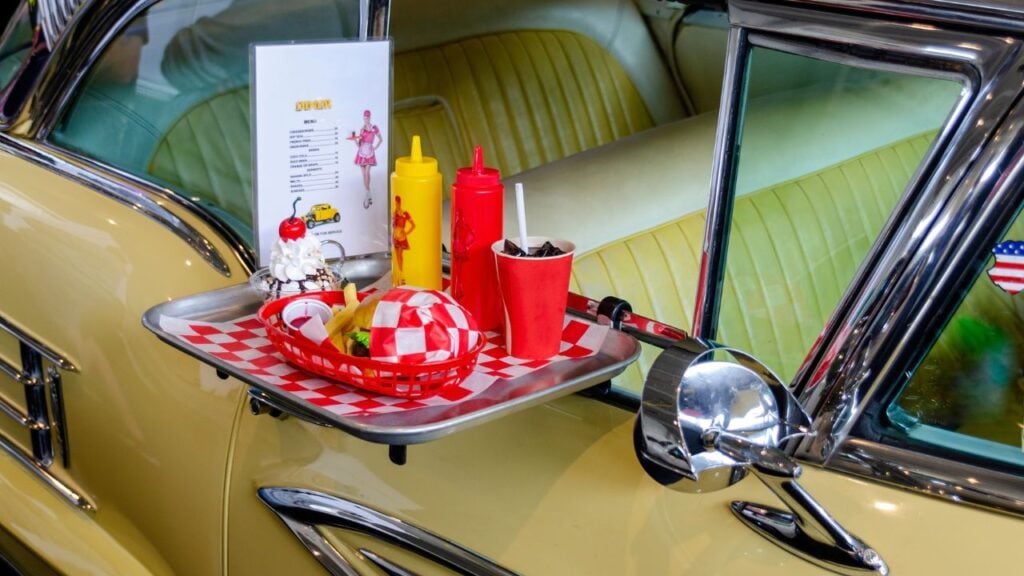
It’s hard to believe now, but there was a time when $1 could buy something meaningful.
Let’s take a trip back to the days when Americans’ pockets didn’t need much cash to bring home something fun, useful, or just plain delicious.
20 Nostalgic Things Americans Could Buy for Under $1 Back in the Day
25 Traditions Young Americans Have No Interest In Keeping Alive

These days, many young people aren’t clinging to the same customs their parents and grandparents swore by.
From hosting formal dinner parties to sending holiday cards, these are the traditions that just don’t feel as relevant anymore.
25 Traditions Young Americans Have No Interest In Keeping Alive
Think You Belong in a Different Decade?
From big bands to big hair, our playful Decade DNA Quiz reveals which classic American era fits your personality best. It’s fast, fun, and full of vintage flair.
Meet Your Match. Discover Your Decade DNA. (Your Vintage Roots Are Showing)