
22 Things Floridians Still Buy That No One Uses Anymore

Florida shoppers are no strangers to the impulse buy. But some products linger in carts even when they no longer serve a purpose.
These are the items that end up tucked away in closets, garages, and drawers, taking up space but never actually being used.
Despite changing lifestyles and technology, certain goods remain on store shelves purely out of tradition or nostalgia.
Landline Telephones
Some households still purchase landline phones, often as part of a bundled internet and cable package.
Yet most people rely almost entirely on their cell phones for calls.
Landlines were once the main way to stay connected, but they now sit unused for months or more at a time.
For some, they remain plugged in “just in case,” though few actually pick them up when they ring.
Alarm Clocks
Plenty of people still buy alarm clocks, even though smartphones have taken over their role completely.
The phone is almost always within arm’s reach and offers more features.
Some keep alarm clocks on the nightstand out of habit or because they like the look of a digital display.
In many cases, they’re set once and then rarely touched again.
DVD And Blu-ray Players
Physical media players still sell in electronics stores, but most households now stream their entertainment.
Entire libraries of shows and movies are available online without taking up shelf space.
Many people buy these players for a single disc or collection they already own, only to use them once before they start gathering dust.
Even so, they remain a go-to gift for some shoppers who haven’t made the full switch to streaming.
Rolodexes
Business supply stores still stock Rolodexes, those rotating card files that once sat on every office desk.
In an era of digital contacts, their purpose has all but disappeared.
Some people buy them for nostalgia or as a quirky desk accessory rather than an actual organizational tool.
They often end up serving more as décor than a practical resource.
GPS Devices
Standalone GPS units still appear in electronics aisles, even though most drivers now navigate using their smartphones.
Modern mapping apps update in real time and rarely require extra equipment.
People sometimes buy GPS devices for road trips or as a backup, but they often end up forgotten in a glove compartment.
For most, they’re a holdover from an era before reliable mobile navigation.
Desktop Calendars
Wall and desk calendars still sell in large numbers, often as gifts. However, most Americans now track their schedules on their phones, tablets, or computers.
Physical calendars may be hung for decoration or nostalgia rather than daily planning.
They can end up sitting on the same month for weeks before anyone notices.
Camcorders
While smartphones offer high-definition video recording, some shoppers still purchase dedicated camcorders.
The idea of capturing special events on a “real” video camera holds a certain appeal.
In practice, these devices often get pulled out once or twice before being replaced by the convenience of a phone.
They’re more likely to sit in a closet than become part of regular life.
Check Registers
Banks still provide check registers for tracking balances, and some office supply stores still sell them.
Yet most account monitoring happens online or through banking apps.
People may keep one “just in case.” But many stay completely blank.
The habit of writing down every transaction has faded for all but a small group of dedicated users.
Fax Machines
Fax machines are still sold in office supply stores, even though email and document-sharing platforms have replaced them in most workplaces.
Some buyers pick them up because a rare client or agency still requests a fax, but the machine often sits idle for months.
In many homes, it becomes more of a dust collector than a business tool.
Address Books
Physical address books have a spot on store shelves, often in stationery sections.
While they once held every important contact, most people now store this information in their phones.
They’re sometimes bought as gifts or out of nostalgia, but they rarely see regular use.
Many end up with only a few pages filled in before being tucked away.
Travel Alarm Clocks
Compact travel alarm clocks were once essential for trips, but hotel rooms, smartphones, and even smartwatches now make them unnecessary.
Some travelers still buy them for backup, especially on long vacations, but they often remain in luggage untouched.
They’ve become more of a comfort item than a true necessity.
Incandescent Light Bulbs
Despite the rise of LED and CFL bulbs, incandescent bulbs are still available in many stores.
Shoppers sometimes choose them for their warm glow or low cost.
However, they burn out quickly, and in many areas, they are being phased out entirely.
For most households, they’re more of a habit purchase than a practical choice.
Recipe Card Boxes
Stores still sell decorative boxes designed to hold handwritten recipes. However, most people now find recipes online or save them digitally.
Some buyers enjoy the charm of a physical collection, but the cards are rarely updated.
Many end up as kitchen décor rather than a functional cooking resource.
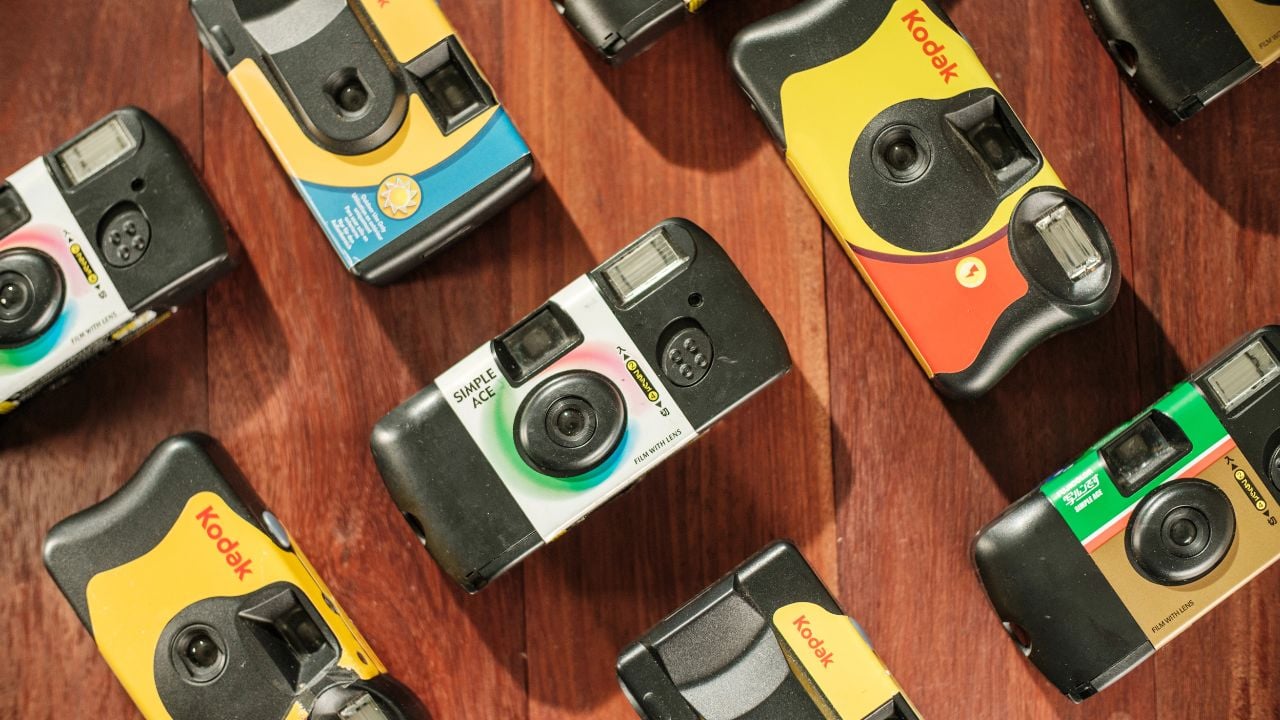
Disposable Cameras
While they have a retro appeal, disposable cameras are far less practical than phone cameras.
Developing film takes time and often costs more than the camera itself.
People might buy them for weddings or themed events, but they often sit unopened afterward.
The novelty hasn’t disappeared, but the regular use certainly has.
Cassette Tapes
Cassette tapes still show up in music stores and online, usually marketed toward collectors or fans of retro audio.
Few people actually listen to them regularly.
Many buyers don’t own functioning tape players, making the purchase more about nostalgia than utility.
For most, they’re kept as keepsakes rather than played.
Staple Removers
These small office tools are still sold in bulk, but many people now rely on digital files instead of paper documents.
With less paper to staple, there is less need to remove staples at all.
They’re often bought for home offices “just in case,” yet rarely pulled out of the drawer.
In many homes, they’ve become forgotten extras rather than a regular-use item.
Paper Maps
Gas stations and travel stores still carry folded road maps, though most travelers navigate with GPS or phone apps.
Some buy them for backup on long trips, but they often remain in the glove compartment untouched.
They’re more of a security blanket than a primary navigation tool now.
Business Card Holders
Whether designed for desks or wallets, business card holders are still sold even though networking has largely moved online.
People may purchase them for conferences or meetings, only to find they hand out far fewer cards than expected.
Many sit in drawers long after the cards inside are outdated.
VHS Tapes
Thrift stores and online marketplaces still have stacks of VHS tapes, often sold in bundles.
Yet most households no longer own a working VCR to play them.
Collectors may pick them up for nostalgia, but they rarely get watched.
For most buyers, it’s more about sentiment than function.
DVD Storage Towers
Tall shelving units designed for DVDs still sell in some furniture and big-box stores.
With most people streaming their movies, these towers often sit half-empty.
They tend to serve more as a decorative piece than a functional storage solution today.
CD Wallets
These zip-up cases were once essential for organizing music in the car.
Now, most people stream playlists directly from their phones without needing physical discs.
They’re still bought for old collections, but rarely used regularly.
Typewriter Ribbon
Office supply stores still carry typewriter ribbon, even though most people haven’t touched a typewriter in decades.
Some purchase it for vintage machines they keep as a hobby.
Often, the ribbon stays in its packaging long after it is bought.
20 Nostalgic Things Americans Could Buy for Under $1 Back in the Day
It’s hard to believe now, but there was a time when $1 could buy something meaningful.
Let’s take a trip back to the days when Americans’ pockets didn’t need much cash to bring home something fun, useful, or just plain delicious.
20 Nostalgic Things Americans Could Buy for Under $1 Back in the Day
14 Restrictions American Men Faced in the Early 1900s

One hundred years ago, there were many things men weren’t allowed to do from a legal or societal perspective.
Whether it was about fashion, feelings, or family roles, these are some of the strict rules that governed men a century or more ago.
14 Restrictions American Men Faced in the Early 1900s
Think You Belong in a Different Decade?
From big bands to big hair, our playful Decade DNA Quiz reveals which classic American era fits your personality best. It’s fast, fun, and full of vintage flair.
Meet Your Match. Discover Your Decade DNA. (Your Vintage Roots Are Showing)


