
22 Toys From the 1950s That Wouldn’t Be Allowed in Texas Stores Today

Toys in the 1950s didn’t come with warning labels.
In Texas and across the country, kids were handed toys that would raise serious red flags today.
Back then, it was all part of growing up. Now, it would be considered a lawsuit waiting to happen.
These are the toys that were once seen as harmless fun but would never be sold now.
Cap Guns That Shot Real Sparks
Cap guns were loud, smoky, and loaded with tiny explosives. They looked and sounded way too real.
Kids loved the bang and the puff of smoke. Adults didn’t worry much about what could go wrong.
But these toys could burn fingers or ignite clothes if misused. They were also often mistaken for real weapons.
Modern rules now ban toys that produce sparks or mimic firearms too closely.
Science Kits That Came With Uranium
Yes, some 1950s science kits included real radioactive materials. They were meant to teach atomic science.
Kids could experiment with uranium and even measure radiation levels. It felt like science fiction come to life.
But exposure to radiation, even in small doses, carries risks. These kits had no business being in homes.
Today, anything involving radioactive material is tightly regulated and kept far from toy aisles.
Glass Marbles in Slingshots
Slingshots were common, but kids often loaded them with marbles or rocks. The results could be painful or worse.
A well-aimed shot could break windows or injure someone. Kids didn’t always understand the danger.
The marbles themselves were beautiful but not meant to be used as ammo.
Today’s slingshots come with strict warnings, and most stores avoid selling them to children at all.
Metal Playground Sets for Home Use
These heavy-duty play sets came with monkey bars, tall slides, and swinging rings. But they weren’t always anchored well.
One wrong move and kids could fall onto hard surfaces. Rusted bolts and sharp edges made things even worse.
They were often installed over concrete or packed dirt. Soft landings weren’t a big concern back then.
Now, most play sets are made of plastic and come with safety padding.
Tiny Toy Soldiers with Lead Paint
Plastic army men were everywhere, but some versions were painted with lead-based colors.
Kids handled them constantly, chewing on them or using them in sandbox battles. The paint would wear off easily.
No one knew then how harmful lead could be, especially to young children.
Lead-based paint is now banned from all toys for obvious health reasons.
Woodburning Kits for Kids
These kits gave children real heated tools to burn designs into wood. They reached high temperatures in minutes.
The tools looked like pens but could cause serious burns. Instructions were minimal or missing entirely.
Kids were expected to use them alone, often without adult supervision.
Today, these tools are sold as craft equipment for adults, not toys for children.
Dart Sets with Metal Tips
Before soft-tipped darts became the norm, kids threw sharp metal darts at thin paper targets.
It only took one bad aim to hit a wall, a pet, or a sibling. Injuries were common and sometimes serious.
The tips could pierce skin or damage furniture, yet they were marketed as harmless fun.
Modern dart sets for kids now use soft plastic or magnets for safety.
Chemistry Sets Without Safety Gear
Classic chemistry sets included real chemicals with few instructions. Goggles and gloves were rarely mentioned.
Kids could mix ingredients that foamed, burned, or gave off fumes. Many did it in small bedrooms with closed doors.
Explosions, spills, and burns weren’t unusual. Some kids ended up in the emergency room.
Today’s chemistry kits come with clear safety guidelines and age limits.
Whip Toys and Rope Tricks
Some 1950s toy sets encouraged kids to learn whip-cracking or rope tricks. The goal was to mimic cowboy stunts.
These toys could snap hard, leaving welts or hitting bystanders. Ropes also posed tripping and choking hazards.
There were few warnings and no protective gear included.
Now, anything with a risk of lash injury is considered a serious safety concern.
Ride-On Toys Without Brakes
Toy cars, scooters, and trikes often had no way to stop. Kids zoomed down driveways and sidewalks with little control.
Crashes into trees, curbs, or other kids were part of the experience. Helmets weren’t common either.
Parents relied on yelling to slow their kids down. It didn’t always work.
Modern ride-on toys include brakes, speed limits, and safety features as standard.
Clacker Balls That Shattered
Clacker balls were two hard acrylic spheres attached to a string. Kids swung them together until they smacked loudly.
When they hit just right, they made a satisfying click. But when they hit wrong, they sometimes shattered midair.
Flying shards could cause cuts or eye injuries. Some kids even needed stitches.
These toys were pulled from shelves once the injuries became too common.
Lawn Darts with Steel Tips
Also known as Jarts, these were tossed into the air toward a plastic target. The tips were sharp and heavy.
Accidents happened when someone walked through the yard or misjudged the throw. Head and foot injuries were the most common.
Parents often treated it like any other backyard game. Safety instructions were minimal.
Eventually, serious injuries led to a full ban on the original design.
Balloon Kits with Toxic Paste
These kits let kids blow plastic bubbles using a straw and chemical paste. The scent alone was strong and unpleasant.
The paste contained solvents that could be harmful if inhaled. Some kids got dizzy or felt sick after just a few minutes.
The balloons looked cool but stuck to hair, clothes, and skin. They also left behind a sticky mess.
Today’s toy standards would never allow kids to handle these kinds of fumes.
Real Bow and Arrow Sets for Kids
Many toy stores once sold working bows with sharp wooden arrows. Kids could launch them across yards or into trees.
But they didn’t always hit their target. Arrows could bounce, break, or hit someone nearby.
Eye injuries and splinters were common. Some kids even aimed them at pets or passing cars.
Now, only soft-tip versions or suction-cup arrows are sold for child use.
Toy Guns That Used Real Gunpowder Caps
Cap guns weren’t just loud. They smelled like real gunfire because they used tiny amounts of actual gunpowder.
When fired, the paper caps made a popping sound and left scorch marks behind. Some kids held them too close and got burned.
There were no warnings about flammable materials or eye protection.
Modern toy weapons use sound chips or spring-loaded mechanisms instead.
Hand-Cranked Flying Toys with Sharp Wings
Toys like helicopters and spinning planes were launched by hand. Some had plastic blades, others used thin metal.
When cranked too hard, they took off wildly and could hit walls or faces. Injuries often involved cuts or bruises.
There were no guards to keep fingers away from the spinning blades.
Today’s flying toys are carefully tested and usually include soft edges or guards.
Toy Tools That Actually Worked
Tool sets came with real hammers, nails, and saws scaled down for kids. They looked like toys but worked like the real thing.
Children were encouraged to build with scrap wood or old crates. Cuts, splinters, and smashed fingers were part of the process.
There was little guidance on safety, and protective gloves or glasses were rare.
Modern kits are made of plastic or foam to avoid accidents.
Bubble Pipes That Mimicked Smoking
Some bubble toys were shaped like tobacco pipes. Kids dipped the tip into solution and blew bubbles through the mouthpiece.
The design encouraged kids to pretend they were smoking. Many adults saw it as harmless fun.
These toys were often found next to gum cigarettes and candy cigars.
Eventually, concerns over normalizing smoking habits led to their disappearance.
Inflatable Toys Without Safety Valves
Inflatable punching bags, animals, and boats were popular in the 1950s. But many didn’t include proper safety valves or release systems.
Kids could get trapped or knocked over by sudden deflation. Some toys even burst under pressure.
There were no guidelines about weight limits or air pressure.
Today’s inflatables are tested for durability and come with safety warnings to prevent injury.
Electric Trains That Sparked on the Track
Electric train sets were prized possessions, but many had exposed wires and sparking metal wheels.
Kids set them up on the floor near curtains or carpets, unaware of the fire risks. Shock hazards were also common.
Instructions were vague and didn’t include proper handling advice.
Modern train sets use safer, enclosed systems and child-friendly wiring.
Toy Typewriters with Sharp Keys
These miniature typewriters were fun to use but made with metal parts and raised keys that could pinch or cut fingers.
Some included ink ribbons or stamping tools that stained hands and clothing. The mechanisms were clunky and hard to control.
They broke easily and sometimes snapped with force.
Today’s toy typewriters are made of plastic and designed with young users in mind.
Pogo Sticks Without Foot Grips
1950s pogo sticks were fast and springy, but many didn’t have slip-proof foot pads or padded handles.
Kids bounced on concrete or dirt, and one wrong move could lead to a fall.
There were no helmets, and the base often wore down quickly, making the stick unstable.
Modern versions include balance supports and require adult supervision for younger kids.
15 Timeless 1950s Favorites Baby Boomers Can’t Forget

For many people, the 1950s conjure images of poodle skirts and soda fountains. Whether you lived through this decade or you’ve only heard stories about it, here’s a trip down memory lane about this period of American culture.
15 Timeless 1950s Favorites American Baby Boomers Can’t Forget
11 Ways Kids Passed the Time After School in the 1950s
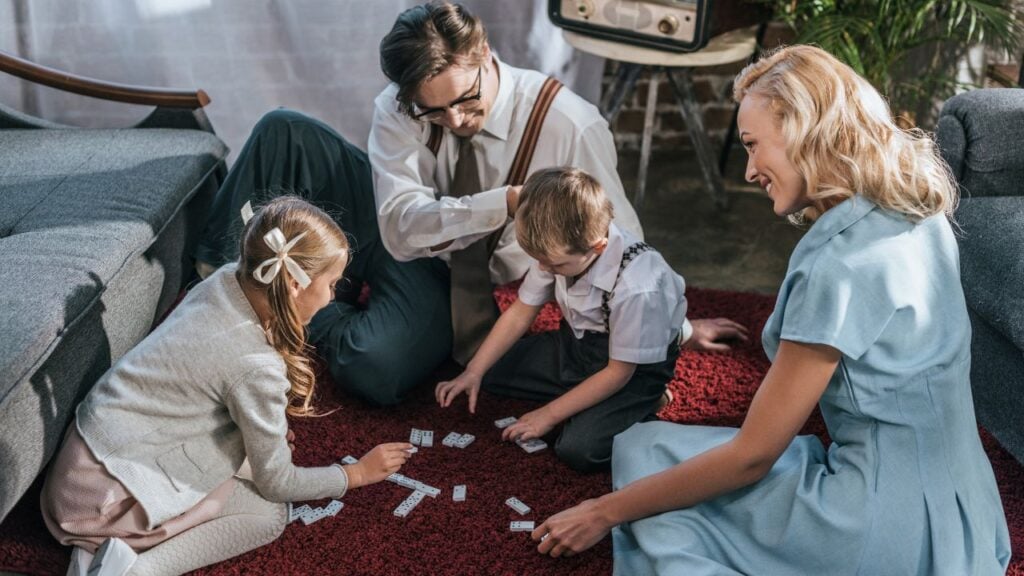
In the ’50s, there were no smartphones to scroll through, no streaming shows waiting to autoplay, and no video games with headsets and online battles.
Kids got a lot more creative when passing the time after school… after doing their homework, of course.
11 Ways Kids Passed the Time After School in the 1950s
Think You Belong in a Different Decade?
From big bands to big hair, our playful Decade DNA Quiz reveals which classic American era fits your personality best. It’s fast, fun, and full of vintage flair.
Meet Your Match. Discover Your Decade DNA. (Your Vintage Roots Are Showing)