23 Things You Should Never Microwave (Even Though Many Coloradans Do)

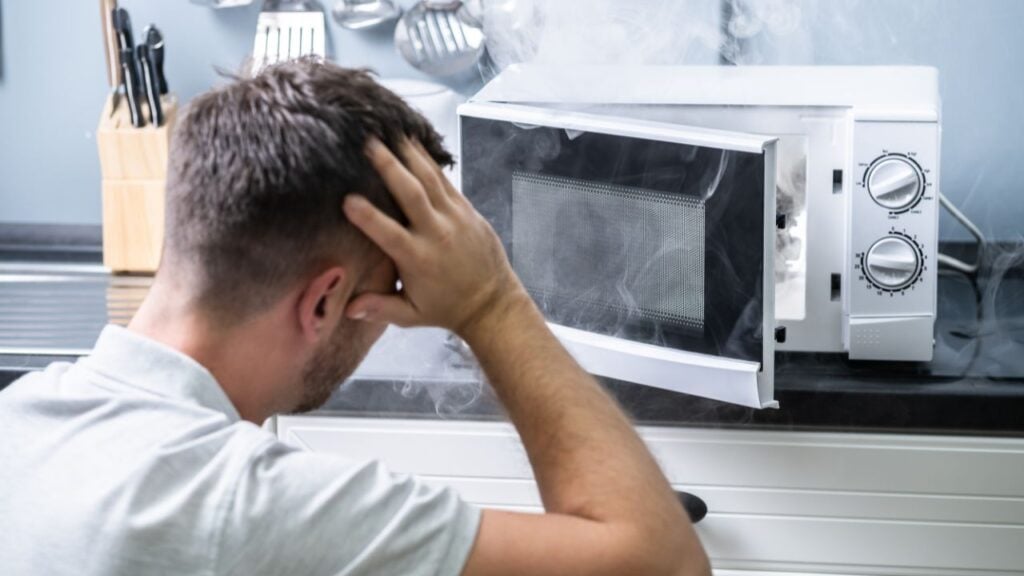
Microwaves promise speed, but they’re not a cure-all for cooking.
Some foods dry out, others heat unevenly, and a few can even release harmful chemicals when reheated.
In Colorado households, where the microwave is as common as the coffee maker, these mistakes happen more often than we’d like.
The truth is, there are certain things better left out of the microwave entirely.
Hard-Boiled Eggs
Microwaving hard-boiled eggs may seem like a quick way to reheat them, but it often ends badly. The steam inside builds up too fast.
This pressure can cause the egg to explode, leaving a messy cleanup behind. It also creates a safety hazard.
Even when they don’t burst, the texture changes and becomes rubbery. The result is far from appetizing.
Sticking to the stovetop or eating them cold is the safer choice.
Styrofoam Containers
Takeout meals often come in Styrofoam, and many people pop them directly into the microwave. It feels convenient at the time.
The problem is that Styrofoam can melt or release chemicals into food. This can make your meal unsafe to eat.
Transferring food to a microwave-safe dish reduces the risk.
Grapes
Microwaving grapes may seem harmless, but it creates surprising problems. The fruit heats unevenly and reacts strangely.
The moisture and sugars inside can spark, sometimes creating small bursts of fire. It’s not just messy but dangerous.
The science behind it is simple: grapes are too small and conductive for microwave waves.
It’s best to enjoy them fresh, not reheated.
Aluminum Foil
Covering food with foil in the microwave feels like a shortcut, but it causes sparks. The metal reflects energy instead of absorbing it.
This creates dangerous flashes and can damage your microwave. It also increases the risk of fire.
Many people use foil without realizing how unsafe it is in this setting.
Safer options include paper towels or microwave-safe lids.
Plastic Containers Not Labeled Microwave-Safe
Many people reuse old plastic tubs for leftovers and heat them straight in the microwave. It feels thrifty and convenient.
The problem is that certain plastics break down under heat, releasing harmful chemicals into food.
Even if the container looks fine afterward, the food may have absorbed toxins.
Checking for a “microwave-safe” label is the safer approach.
Bread
Reheating bread in the microwave often seems like the quickest way to freshen it up. At first, it may feel soft and warm.
Within minutes, though, it turns tough and chewy.
The process happens because microwaves change the moisture inside. Bread never keeps its original feel.
Using an oven or toaster is the better option for leftovers.
Hot Peppers
Placing hot peppers in the microwave releases more than just heat. The capsaicin, which gives them their spice, becomes airborne.
When the door opens, that spicy steam can irritate your eyes, nose, and throat. It feels like pepper spray in your kitchen.
The peppers themselves also lose their flavor and texture in the process.
Cooking them on the stove is a safer and tastier choice.
Travel Mugs
Many stainless-steel travel mugs look sturdy enough for microwaves, but they’re not. The metal blocks the waves from heating the liquid.
Instead, the microwave works harder, risking damage. Sparks may also occur with some designs.
Even insulated plastic mugs may not be safe, as the linings can melt or warp.
Pouring drinks into a ceramic mug is the safer move.
Frozen Meat
Microwaving frozen meat to thaw it quickly seems like a shortcut, but it rarely works well. The outside cooks while the inside stays frozen.
This uneven heating creates a risk of bacteria surviving in the center. The texture of the meat also suffers.
Many people assume the microwave is safe for thawing, but it often leaves food in a dangerous zone.
Using the refrigerator or cold water method is much safer.
Leftover Coffee
Reheating coffee in the microwave is common, but it changes the flavor, for the oils inside break down under heat.
What started as a smooth cup turns bitter and harsh. The aroma disappears too.
Brewing a fresh cup or reheating on the stove tastes far better.
Paper Bags
Plain paper bags from groceries or lunches are often used to reheat snacks. At first, it seems like a harmless idea.
The issue is that paper can catch fire in the microwave. Chemicals in the ink or glue may also be released into food.
The uneven heating adds to the risk, making it unsafe.
Safer alternatives include parchment paper or microwave-safe plates.
Leftover Pizza
Many people toss pizza slices into the microwave for convenience. It warms them up, but the crust suffers.
Instead of staying crisp, it turns soft and rubbery. The cheese can become too hot while the base stays soggy.
This uneven result makes the slice less enjoyable.
Using an oven or skillet keeps the crust crunchy and the toppings flavorful.
Yogurt
Some people try microwaving yogurt to take the chill off, but it ruins the texture. The heat causes it to separate into watery layers.
The smooth consistency that makes yogurt appealing disappears quickly. The taste also becomes more sour than intended.
Heating kills the live cultures that make yogurt healthy in the first place.
It’s best enjoyed cold or at room temperature, not reheated.
Leafy Greens
Spinach, kale, and similar greens may look harmless in the microwave, but they can release harmful compounds. Nitrates in the leaves convert into unwanted byproducts.
The greens also lose their fresh color and flavor under intense heat.
While they’re safe to cook on the stove, the microwave isn’t ideal.
The results are less nutritious and far less appetizing.
Red Sauce Dishes
Pasta or casseroles with red sauce often make a mess in the microwave. The tomato base splatters as it heats unevenly.
Even with a cover, the sauce tends to bubble and spill. Cleaning the inside of the microwave becomes a chore.
The uneven heating also leaves some bites scalding hot while others stay cold.
Warming red sauce on the stove avoids the splatter and keeps flavor balanced.
Ice Cream
Microwaving ice cream to soften it feels like a shortcut, but it changes the texture permanently. The smooth creaminess disappears.
The top layer melts while the rest stays hard, leading to icy refreezing later.
Equally as bad, the flavor dulls as the structure of the dessert breaks down.
Letting your ice cream sit out for a few minutes is a better solution than microwaving it.
Plastic Wrap
Covering food with plastic wrap before microwaving may seem convenient, but the heat can cause chemicals to leach into food.
Even wraps labeled “microwave safe” may soften and stick to hot dishes. This creates both safety and quality issues.
The steam under the wrap often melts it onto the meal, making cleanup frustrating.
A microwave-safe lid or plate is a much better option.
Water for Tea
Microwaving water for tea heats unevenly, sometimes creating superheated pockets. When disturbed, the water can erupt.
This surprise “explosion” can burn hands or faces. Many people don’t realize the risk until it happens.
The uneven temperature also makes it harder to brew a proper cup of tea.
Using a kettle provides safer and better-tasting results.
Whole Fruit
Microwaving whole fruit like apples or peaches seems like a shortcut for softening them. Instead, the skin traps steam inside.
The pressure builds until the fruit bursts, leaving a sticky mess. The texture becomes unappealing too.
Even when they don’t burst, the heat makes them mushy and bland.
Cooking fruit slowly brings out sweetness without the risk.
Leftover Fried Foods
Microwaving fried chicken, french fries, or egg rolls often feels like the easiest way to reheat them. The problem is that crispiness disappears.
The coating turns soggy, and the flavor becomes heavy. The food loses the qualities that made it enjoyable.
Many people accept this result without realizing it can be avoided.
An oven or air fryer restores crunch far better than a microwave ever could.
Clams and Mussels
Microwaving shellfish like clams or mussels is risky. The steam trapped inside the shells builds quickly.
This often causes them to pop open with force, leaving a messy and sometimes dangerous situation.
The texture also changes, becoming rubbery and tough. The delicate flavor is lost.
Steaming them gently on the stove keeps them tender and safe.
Leftover Chinese Takeout Containers
Many Chinese takeout boxes come with metal handles. When microwaved, those handles spark and create danger.
Even if the food inside heats, the box itself can damage the appliance.
The cardboard may also leak or break down under heat, creating a soggy mess.
Transferring food to a plate or bowl is a safer approach.
Baby Bottles
Microwaving baby bottles may seem like a fast way to warm milk or formula, but it creates hot spots.
The uneven heating can scald a baby’s mouth even if the bottle feels lukewarm.
Plastic bottles may also release chemicals under high heat.
Warming bottles in hot water is the safest and most reliable option.
17 Life Hacks That Are Harder Than the Non-Hack

Life hacks are supposed to make your life easier, and sometimes they really do. However, the internet is rife with hacks that aren’t actually effective.
17 Life Hacks That Are Harder Than the Non-Hack
Weirdest Laws in Each State

Most Americans are clear on treating thy neighbor as they’d want to be treated to reduce the chance of fines and jail time. But did you know you could be breaking the law by carrying an ice cream cone in your pocket?
These are the weirdest laws in each state, most of which courts (thankfully!) no longer enforce.
Weirdest Laws in Each State That’ll Make You Chuckle
What Decade Were You Really Meant For?
Whether you’re dreaming of bell-bottoms or soda fountains, our Decade DNA Quiz will match you with the decade that fits your personality. No work deadlines here, just a fun escape when you need it most.
Meet Your Match. Discover Your Decade DNA. (Your Vintage Roots Are Showing)