
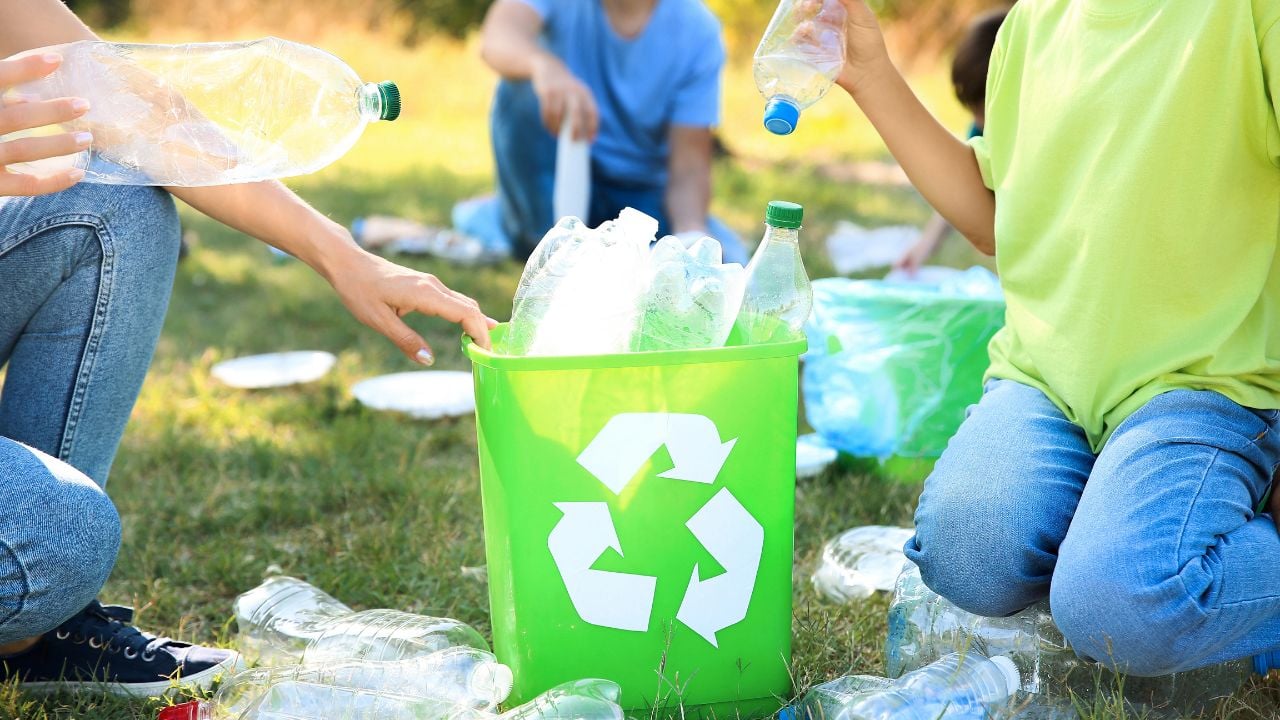
24 Common Recycling Mistakes That Cancel Out Michiganders’ Good Intentions

Many Michiganders recycle because they genuinely want to help. But recycling rules are more confusing than most people realize.
A lot of items Americans toss in the blue bin seem recyclable at first glance, yet they quietly ruin entire batches once they hit the sorting line.
These small, well-meaning mistakes happen every day, and they cancel out the good intentions behind them before the garbage truck even leaves the curb.
Putting Plastic Bags in the Recycling Bin
Plastic bags might feel recyclable because they’re plastic, but curbside programs can’t process them correctly.
They jam sorting machines and get tangled in gears, which forces entire facilities to stop until someone physically cuts them out.
Most grocery stores offer special drop-off bins for these bags, but many people never notice them sitting quietly near the entrance.
This is why so many Americans assume the curbside bin is the right place.
If recyclables are tied inside a plastic bag, the entire bundle typically gets thrown away because machines can’t open it on their own.
Leaving Food Residue on Containers
Many Americans toss jars and tubs into the bin without rinsing because they assume a little leftover food won’t matter.
But food contamination can ruin entire loads, especially when oily or sticky residue coats the inside of containers.
Recycling centers aren’t designed to wash out leftover peanut butter or pasta sauce, so these items cause serious quality issues. A single dirty container can spoil a surprising amount of material.
A quick rinse with a splash of water keeps the entire batch usable.
Recycling Greasy Pizza Boxes
Cardboard is recyclable, but cardboard soaked with grease becomes unusable almost immediately.
The oils prevent the fibers from binding properly when they’re reprocessed into pulp.
Only the clean parts of the box should be recycled, such as the lid or any sections untouched by food.
This rule catches many people off guard because the box looks recyclable.
The greasy bottom needs to go into the trash or compost if your area accepts it.
Tossing in Disposable Coffee Cups
Coffee cups look like paper, but most have a thin plastic lining to keep your drink from soaking through.
This lining makes them incompatible with standard recycling equipment even though the outside looks recyclable.
Some cities accept them, but many don’t, and the rules change frequently. This inconsistency is one of the biggest sources of confusion for everyday recyclers.
The sleeve and lid are often recyclable, but the cup itself usually isn’t.
Including Shredded Paper
Shredded paper pieces are too small for machines to sort correctly.
They fall through the equipment and mix into other materials, contributing to contamination issues across multiple streams.
Some programs allow shredded paper if placed in clear bags, but the rules vary widely from one town to another.
People often assume it’s fine because it’s “still paper.”
Throwing it loose into the bin almost guarantees it will be discarded.
Recycling Plastic Utensils
Plastic forks, spoons, and knives feel recyclable, but they’re made from mixed plastics that aren’t standardized.
Their shapes make them hard for sorting machines to identify correctly.
Most recycling centers automatically reject them, even when they’re clean. Many people only find this out after years of tossing them in.
Compostable versions require special facilities and can’t go into regular recycling either.
Throwing in Wet Paper or Cardboard
Paper fibers weaken dramatically once soaked, even if they appear fine after drying.
Recycling centers need strong, intact fibers to create new paper materials.
Wet cardboard sticks to other recyclables and turns into pulp at the wrong stage of processing. This usually results in the entire batch being ruined.
If the paper gets wet from rain or spills, it’s better to throw it away.
Believing All Plastics Are Recyclable
People see the triangle symbol and assume every plastic item belongs in the bin.
But the number inside the triangle matters, and not all plastics are accepted in every region.
Certain plastics melt at different temperatures, causing contamination or equipment problems. This explains why two similar items can have different recycling outcomes.
Checking local rules helps avoid unnecessary mistakes.
Flattening Plastic Bottles Incorrectly
Some people flatten bottles because they think it saves space and helps workers.
But flattened bottles can get mis-sorted as paper since machines rely heavily on shape.
This mistake sends plastic into the wrong stream and reduces the quality of recycled materials. It surprises people because flattening “feels” helpful.
Unless your city asks for flattening, it’s best to leave bottles intact.
Leaving Lids on Containers When They Should Be Removed
Lids and containers often use different plastics that melt at different temperatures.
This makes sorting more difficult if they stay attached.
Some recycling centers accept bottles with lids on, but others reject them entirely. The inconsistency leads to a lot of confusion.
Checking your city’s guidelines ensures proper handling.
Recycling Black Plastic
Black plastic food trays rarely get recycled successfully.
Sorting machines use reflected light to identify plastic types, and black plastic absorbs that light completely.
As a result, the scanners can’t recognize it, and the item gets rejected. This makes black plastic one of the least recycled materials in America.
Most facilities simply cannot process it at all.
Tossing in Receipts
Receipts feel like paper, but many contain BPA or BPS coatings.
These chemicals make the paper unsafe for recycling streams that produce new paper goods.
Even a small number of receipts can contaminate a batch. They’re one of the sneakiest non-recyclables because they don’t look harmful.
Receipts belong in the trash, not the bin.
Recycling Items Smaller Than a Credit Card
Small items like loose caps, foil scraps, and tiny plastic pieces fall through sorting equipment.
They often end up in the wrong piles or clog the machinery entirely.
Even if they’re made of recyclable materials, their size makes them nearly impossible to recover. People are often surprised by how many small objects qualify.
If it’s smaller than a credit card, it generally shouldn’t go in.
Assuming All Glass Is Acceptable
Glass is recyclable, but not all types can be mixed together.
Items like lightbulbs, mirrors, and cookware melt at different temperatures.
Broken glass makes sorting more dangerous and less accurate, so it usually gets rejected. Many people don’t know that only certain glass is safe.
Only bottles and jars should go into curbside recycling.
Putting Batteries in the Recycling Bin
Batteries contain chemicals that become hazardous when crushed.
They can spark or explode during sorting, which puts workers and equipment at risk.
Cities often provide separate battery drop-off programs, but people don’t always know they exist. This leads to batteries showing up where they shouldn’t.
Never toss them into blue bins.
Recycling Old Clothes or Textiles
Textiles don’t behave like paper, plastic, or metal during processing.
They get tangled in machinery and force facilities to shut everything down.
Clothes require specialized textile recycling programs instead of curbside bins. Many Americans throw them in anyway because they “feel recyclable.”
They should be donated or taken to proper textile centers.
Believing Aluminum Foil Is Always Accepted
Foil is only recyclable when completely clean.
Food residue makes the aluminum impossible to process effectively.
Foil should also be balled up so machines can recognize it. This rule catches many people because foil seems universally recyclable.
Most foil in bins is too contaminated to save.
Tossing in “Wishful Recycling”
Some people toss questionable items in the bin because they hope someone can sort it out later.
Toys, hoses, holiday lights, and plastic hangers often end up in recycling streams.
These items jam machinery and disrupt entire facilities. This habit comes from a place of optimism rather than carelessness.
When in doubt, it’s better to check than guess.
Mixing Hazardous Household Items Into Recycling
Cleaning products, aerosol cans, and automotive chemicals sometimes get thrown into bins.
These items can leak or explode during sorting.
Workers aren’t trained to handle hazardous materials mixed with recyclables. Many fires in recycling facilities start from these mistakes.
Use designated hazardous waste programs instead.
Leaving Liquids Inside Bottles
A half-full juice bottle or soda can creates major problems.
Liquids leak onto paper products, destroying large parts of the batch.
Sticky drinks also attract pests and mold during transport. Many people don’t realize how often this happens.
Always empty and quickly rinse containers.
Recycling Plastic Clamshell Containers
Clear fruit, salad, and bakery containers look recyclable but often aren’t accepted.
They’re made from plastics with different melting points than bottles.
The shape and thinness make them difficult to sort correctly. Even in areas that accept them, contamination rates are high.
Many facilities reject them after inspection.
Leaving Labels on Certain Plastics
Most labels are harmless, but some stick too tightly or contain mixed materials.
Metallic or foil labels cause sorting complications.
If a label peels off easily, removing it helps ensure proper recycling. This small step improves overall processing quality.
A quick check can make a big difference.
Recycling Produce Packaging and Crinkly Plastics
Berry boxes and herb containers look like clear plastic, but they’re different materials.
They melt unpredictably and contaminate loads.
Even when accepted, they need exceptionally clean conditions to process. Most Americans toss them in without realizing they’re not curbside-friendly.
These often belong in the trash.
Ignoring Local Recycling Differences
Recycling rules differ widely between cities.
What’s recyclable in one county may be banned in the next.
Most people never revisit local guidelines after moving. These differences lead to many well-intentioned mistakes.
A quick check online solves most of them.
Remember When Everything Had Color? These 18 Things Definitely Did
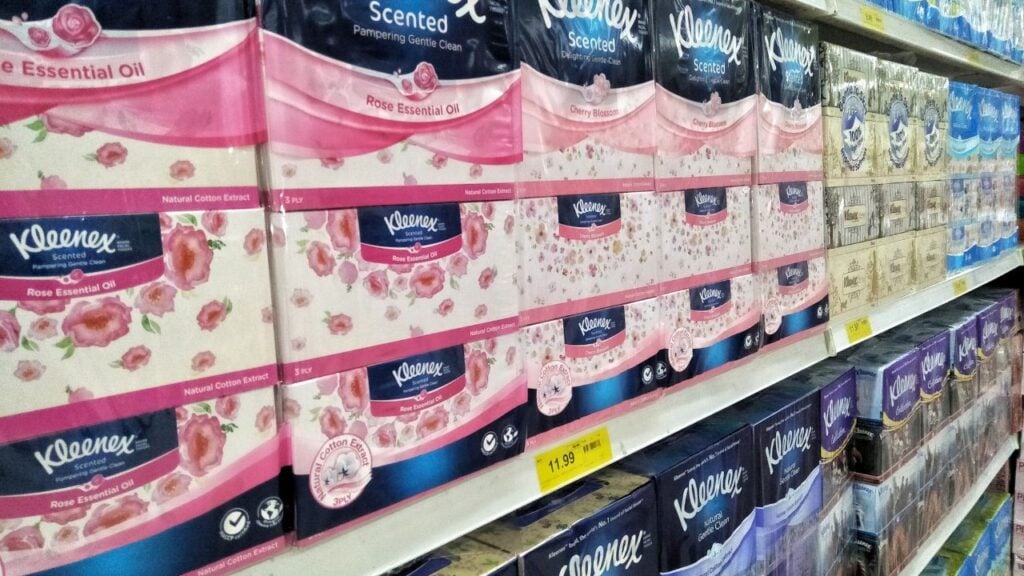
There was a time when even the most ordinary things were bursting with color.
But now?
We’ve swapped charm for minimalism, and for some reason, we all agreed to pretend it’s better. Here are some everyday things that used to be colorful but aren’t anymore.
Remember When Everything Had Color? These 18 Things Definitely Did
17 Life Hacks That Are Harder Than the Non-Hack

Life hacks are supposed to make your life easier, and sometimes they really do. However, the internet is rife with hacks that aren’t actually effective.
17 Life Hacks That Are Harder Than the Non-Hack
What Decade Were You Really Meant For?
Whether you’re dreaming of bell-bottoms or soda fountains, our Decade DNA Quiz will match you with the decade that fits your personality. No work deadlines here, just a fun escape when you need it most.
Meet Your Match. Discover Your Decade DNA. (Your Vintage Roots Are Showing)

