
24 Outdated Decorating Trends That Devalue a Nevada Home

Styles come and go, but some decorating choices refuse to leave quietly. They hang around like the guest who doesn’t take the hint that the party’s over.
These once-popular looks now send the wrong message, making your Nevada home feel older and less valuable than it should.
Here are the outdated trends you’ll want to retire if you don’t want your house judged by its decor.
Popcorn Ceilings
For decades, popcorn ceilings were a go-to. Builders loved them because they were cheap, quick to apply, and covered flaws easily.
But today?
They scream outdated. Most buyers see them as a hassle and immediately picture the messy, expensive removal process.
Popcorn ceilings also trap dust and can discolor over time, which makes rooms feel dingy even if freshly cleaned.
If you want your home to feel current, smooth ceilings or subtle texturing are the way forward. Just swapping this one detail can completely change the atmosphere of a room.
Wall-to-Wall Carpeting
There was a time when plush carpet was considered a luxury. But now, buyers tend to see it as a red flag.
Carpet holds on to stains, odors, and allergens no matter how many times it’s cleaned.
Hardwood, laminate, and even luxury vinyl planks are seen as cleaner, sleeker, and longer lasting.
In bedrooms, carpet sometimes still works. But in living areas and hallways, it can instantly date a home.
When people walk into a house and see hardwood, they feel like it’s move-in ready. When they see wall-to-wall carpet, they see dollar signs for replacement.
Heavy Drapes and Curtains
Rich, heavy drapes once gave homes a sense of formality. Think 1980s suburban dining rooms or 1990s living rooms with swagged valances.
But in today’s market, buyers want light and openness. Heavy fabric makes rooms feel darker and smaller.
Minimalist curtains or clean roller shades instantly modernize a space.
Sheer panels can let in more natural light while still softening the windows.
If you want to add value, ditch the heavy layers and go for something that feels bright, airy, and simple.
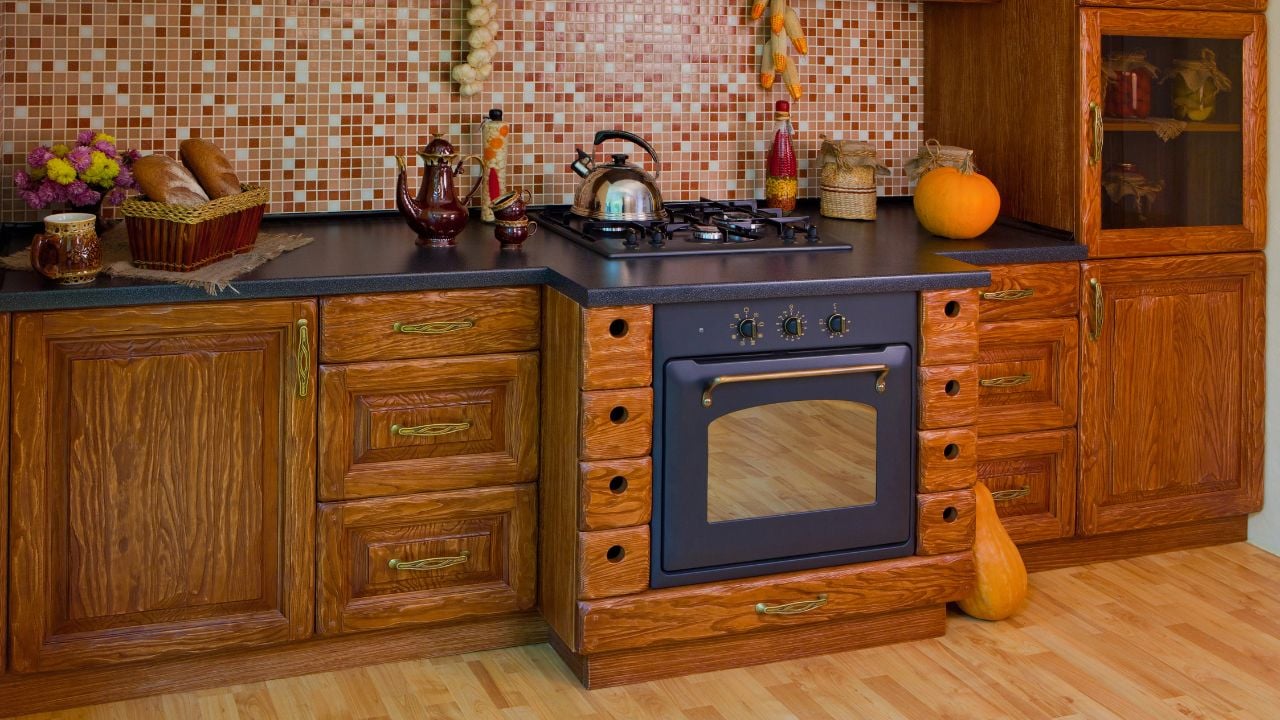
Tuscan Kitchens
There was an era when America fell hard for Tuscan-style kitchens: dark wood cabinets, ornate corbels, heavy stone, and deep golden tones.
At the time, it felt warm and luxurious. But now, it feels dated and heavy. Buyers often describe it as “too much.”
Modern kitchens lean toward light cabinetry, clean lines, and neutral tones with pops of color.
Even small updates, like painting dark cabinets white or replacing heavy tile backsplashes with something simple, can transform a Tuscan kitchen into something buyers want today.
Shag Carpets and Area Rugs
Retro has its place, but shag carpeting is one trend that didn’t age well.
Even in small rugs, shag can look unkempt and hard to clean. Buyers often see it as a reminder of basements and dens from decades past.
Low-pile rugs or flatweaves are the modern choice. They look crisp, handle wear better, and don’t scream “1970s rec room.”
A rug should make a space feel polished, not tired. Shag just doesn’t deliver that anymore.
Builder-Grade Brass Fixtures
If you walk into a home with shiny brass doorknobs, faucets, or light fixtures, you know instantly that it hasn’t been updated in decades.
In the 1980s and 1990s, brass was everywhere. But today, it dates a house in seconds.
Matte black, brushed nickel, or even antique brass (in a softer finish) feel much more current.
These upgrades are inexpensive but make a huge difference in how “new” a space feels.
Think of fixtures as jewelry for your house. Outdated jewelry pulls down the whole look.
Accent Walls in Loud Colors
Remember when a bold red or deep purple accent wall was the height of cool?
That time has passed.
While accent walls can still work, the trend now leans toward texture, like wood paneling, limewash, or wallpaper, rather than just a shock of color.
Bright paint can make a room feel closed in and can turn off potential buyers who imagine the cost of repainting.
Neutrals with layered decor create a more timeless look and let furniture and art stand out naturally.
Over-The-Top Themes
Some homeowners once loved turning entire rooms into themed spaces: a nautical bathroom, a cowboy-style den, or a jungle-inspired kids’ room.
It can be fun, but it rarely adds value. Buyers walk in and see work. They imagine repainting, redecorating, and undoing the theme to make the room livable.
Personal touches are fine. But when every corner of a room screams a theme, it narrows the home’s appeal.
These days, subtle nods to a style, rather than a full commitment, are the safer bet.
Faux Finishes
From sponge-painted walls to faux marble columns, Americans once loved decorative paint techniques.
But buyers today rarely see them as stylish. Instead, they see them as DIY projects from decades past.
Smooth walls in neutral tones look fresh and clean. Wallpaper, when used carefully, can feel chic again. But faux painting rarely comes across as intentional anymore.
If you want a home to feel current, skip the faux finishes and keep it simple.
Oak Everywhere
Golden oak cabinets, trim, and doors were once considered top-tier. But today, they make a home feel instantly older.
They often carry a yellow undertone that clashes with modern neutral palettes. Even when in good condition, oak feels like a time stamp from the 1990s.
Painting oak cabinetry, staining it darker, or replacing just the hardware can breathe new life into it. White trim also goes a long way toward brightening a home.
Oak overload just doesn’t sell like it used to.
Floral Sofas and Overstuffed Furniture
Big floral couches with rolled arms used to be the picture of comfort. Now, they mostly look bulky and old.
Buyers want clean silhouettes, lighter fabrics, and furniture that doesn’t overwhelm a space.
Even if a home isn’t being sold furnished, outdated furniture leaves an impression about how updated—or not—the rest of the home is.
A slim sofa in a neutral color instantly makes a space feel bigger and more modern.
Glass Block Windows
Popular in bathrooms and basements, glass block windows were a staple of the late 20th century.
They were meant to offer privacy while letting in light. But today, they look dated and often remind people of hospital designs.
Frosted glass, modern blinds, or slimline window treatments achieve the same goals without making a home feel stuck in the past.
Glass blocks are now more of a distraction than a design feature.
Granite Overload
Granite countertops were once the crown jewel of a kitchen remodel. But when every surface is covered in busy speckled granite, it quickly feels outdated.
Today’s buyers lean toward quartz, butcher block, or even concrete for a cleaner, sleeker vibe.
Granite isn’t bad in moderation, but when it dominates the kitchen, it reads more “2002” than “2025.”
Updating even one section of countertop with a more modern material can shift the perception of the whole kitchen.
Fake Plants and Silk Flowers
Once considered low-maintenance decor, fake greenery often just collects dust.
Buyers now prefer real plants that add life, movement, and freshness to a room. Even a simple potted snake plant can make a huge difference.
Silk flowers, especially when faded, can make a space feel neglected.
If real plants aren’t an option, higher-quality faux options (like preserved moss or dried arrangements) look far more current.
Hollywood Vanity Lights
Those long rows of globe lights above a bathroom mirror were once seen as glamorous.
Now, they’re instantly recognizable as a builder’s choice from the late 1980s or early 1990s.
Replacing them with sleek sconces or LED bars gives a bathroom a huge facelift. It’s one of the easiest ways to modernize a space without major renovations.
Lighting matters, and outdated fixtures broadcast a home’s age.
Too Much Wallpaper Border
Wallpaper itself has made a comeback. But wallpaper borders, the strips running along ceilings or chair rails, are firmly stuck in the past.
They were huge in the 1990s, but now they instantly age a room.
Buyers often calculate the headache of removal the moment they see them.
A full feature wall with wallpaper can feel modern and chic. But borders never quite made the comeback.
If you want to play with wallpaper, go big. Just not border-big.
Mirrored Closet Doors
Sliding mirrored closet doors were everywhere in the 1980s and 1990s. At the time, they felt sleek and space-saving.
But today, they instantly date a bedroom. The reflective surfaces scratch easily, and the frames often look flimsy.
Buyers now prefer solid doors, shaker styles, or even barn-style sliders. Mirrors still have a place, but not stretched wall-to-wall on a closet.
Ivy Stenciling and Borders
There was a time when ivy stenciling along the tops of walls was considered charming.
You’d often see it in kitchens, bathrooms, or even living rooms.
Now, it just looks kitschy and dated. Most buyers see it as one more thing they’ll have to paint over.
Clean, crisp walls age much better and make a home feel brighter and more modern.
Track Lighting
Track lighting once felt futuristic. Rows of adjustable spotlights gave homeowners control over where the light landed.
Today, it feels bulky and harsh. The tracks themselves often look clunky, and the light can be unflattering.
Recessed lighting, pendants, or slim LED fixtures provide more even, modern illumination. Track lighting belongs to another era.
Oversized Entertainment Centers
Before flat-screen TVs, Americans built entire living rooms around massive entertainment centers. T
hey held bulky televisions, stereos, DVDs, and more.
But now, they overwhelm a space. Modern living rooms work better with wall-mounted TVs, sleek media consoles, or built-ins that don’t dominate the room.
When buyers see a giant entertainment unit, they see wasted space and an instant date stamp.
Alcove Tubs with Steps
In the 1980s and 1990s, sunken tubs with tiled steps leading up to them were the height of luxury.
Now, they mostly read as unsafe and impractical. They take up enormous amounts of space and can be a slipping hazard.
Freestanding soaking tubs or large walk-in showers are the modern bathroom status symbol.
Fake Wood Paneling
Basements across America were once covered in fake wood paneling.
It was cheap, easy to install, and gave a “finished” look fast.
Today, it just makes rooms feel dark, cramped, and stuck in the 1970s.
Painting over paneling helps, but full removal and drywall replacement is what truly updates the space.
Textured Wall Art
Remember those three-dimensional plaster swirls or textured wall hangings from the 1980s? They once felt artistic.
But now, they look clunky and out of step with cleaner, modern design.
Buyers don’t see “statement piece”, they see “dated DIY.”
Flat, framed artwork or simple gallery walls age much more gracefully.
Mismatched Metal Finishes
Once, homeowners mixed brass, chrome, and copper throughout kitchens and bathrooms without a second thought.
Today, it reads as disorganized. Buyers prefer consistency, whether it’s matte black, brushed nickel, or oil-rubbed bronze.
Mixing metals sparingly can work, but when every hinge, faucet, and knob is different, it feels outdated.
17 Decor Items That’ll Make Your Home Look Cheap

No one wants to hear their home looks cheap. But sometimes, a cheap-looking home doesn’t reflect what you spent on it. It reflects the decor you chose.
17 Decor Items That’ll Make Your Home Look Cheap
Remember When Everything Had Color? These 18 Things Definitely Did

There was a time when even the most ordinary things were bursting with color.
But now?
We’ve swapped charm for minimalism, and for some reason, we all agreed to pretend it’s better. Here are some everyday things that used to be colorful but aren’t anymore.
Remember When Everything Had Color? These 18 Things Definitely Did
What Decade Were You Really Meant For?
Whether you’re dreaming of bell-bottoms or soda fountains, our Decade DNA Quiz will match you with the decade that fits your personality. No work deadlines here, just a fun escape when you need it most.
Meet Your Match. Discover Your Decade DNA. (Your Vintage Roots Are Showing)


