24 Toys From the ’70s That Wouldn’t Be Allowed in Pennsylvania Stores Today

If you grew up in the 1970s, chances are your favorite toy was loud, sharp, or maybe even flammable.
Kids didn’t wear helmets, and toys didn’t come with ten warning labels.
In Pennsylvania neighborhoods, it was just part of growing up. But these childhood favorites wouldn’t stand a chance in a modern toy aisle.
Clackers
These acrylic balls were attached to either end of a string, and the goal was to swing them up and down until they clacked together at high speed.
Kids loved the challenge, but the danger was real.
If they shattered, which they sometimes did, sharp plastic pieces could fly everywhere.
It didn’t take long before they started disappearing from shelves.
Jarts (Lawn Darts)
Jarts were basically oversized darts with metal tips, meant to be tossed underhand at plastic rings in the yard.
They were marketed as family fun, but injuries piled up quickly.
One wrong toss, and someone could end up in the emergency room.
They were eventually banned after causing serious accidents, including some tragic ones.
Creepy Crawlers Oven
The Creepy Crawlers set let kids squirt liquid plastic into metal molds and cook them into rubber bugs using a plug-in oven.
The concept was fun, but the execution was risky.
The molds got extremely hot, and burns were a common issue.
Letting kids cook with metal plates and no supervision wouldn’t fly in stores today.
Snacktime Cabbage Patch Kids
These dolls came out in the late ’70s and “ate” plastic snacks you fed them through their motorized mouths.
But the mechanism didn’t know the difference between a toy and a ponytail.
There were reports of kids getting their fingers or hair caught in the doll’s mouth, and they were quickly pulled from shelves.
It was a clever idea, but the safety flaws made it short-lived.
Battlestar Galactica Missile-Firing Toys
Toys based on the Battlestar Galactica series included small plastic ships with detachable missiles.
The problem? The spring-loaded projectiles were the perfect size to become a choking hazard.
After a fatal accident involving one of the toys, manufacturers stopped making launchable parts like that for young kids.
Today’s toys are tested far more carefully to avoid tragedies like that.
Slippery Slide Toys on Hard Surfaces
Backyard water slides in the 1970s were fast, fun, and barely padded.
They were often set up on concrete, packed dirt, or whatever patch of grass was available, without much thought to what was underneath.
Kids flew down at top speed and often crashed into trees, fences, or each other.
Modern versions come with clear safety instructions and padding, but back then, it was just trial and error.
Kenner Easy-Bake Ovens With Exposed Bulbs
The early versions of the Easy-Bake Oven used real lightbulbs to bake small treats.
The inside of the oven got surprisingly hot, and the metal casing retained that heat for a long time.
Burns were a common complaint, especially from kids who tried to reach in too early.
Today’s toy ovens are much safer and use enclosed heating elements to reduce risk.
Playground-Style Chemistry Sets
Some chemistry kits from the 1970s included real chemicals, not just baking soda and vinegar.
These sets often came with glass beakers, flammable powders, and little warning labels.
Kids could mix up colorful reactions, but they could also burn skin or inhale fumes.
Safety standards today would never allow that kind of freedom in a child’s science kit.
Toy Guns With Realistic Designs
Cap guns and toy rifles in the 1970s looked nearly identical to the real thing.
They were made of metal, had working triggers, and even produced smoke and noise with little explosive caps.
There were no bright orange safety tips or obvious markings.
In today’s world, toys that look too realistic are restricted or banned in many areas for safety reasons.
Super Elastic Bubble Plastic
This toy let kids blow plastic bubbles from a tube of goo using a small straw.
It looked cool, but it smelled strong and contained solvents that weren’t safe to breathe.
The product warned against inhaling, but most kids didn’t read the fine print.
Blowing bubbles through a chemical-laced straw definitely wouldn’t pass today’s safety tests.
Magnetic Building Sets With Loose Magnets
Some 1970s building toys included small, powerful magnets, usually with metal rods or shapes for snapping pieces together.
They made for creative play, but the magnets were a hidden hazard.
If swallowed, they could stick together inside the body and cause serious internal damage.
Modern toys with magnets are heavily regulated, especially for younger kids.
Balloons Sold With Unsafe Blow Tubes
Some balloon kits came with plastic tubes and rubbery paste meant to be blown into colorful bubbles.
The paste was sticky, smelly, and full of strong chemicals.
Kids blew directly into the tubes, sometimes inhaling the fumes or worse, the substance itself.
Today’s safety rules would never allow that kind of toy to be marketed to kids.
Metal Playground Sets Sold for Home Use
Big-box stores once sold heavy-duty metal playground sets you could build at home, with minimal safety padding or instructions.
Slides were tall and steep, swings had sharp-edged chains, and climbing frames had hard landings.
Many had exposed bolts and no soft surface underneath.
Modern playgrounds are required to meet safety codes that most of these sets never even came close to.
Water Rockets With Real Fuel
Some 1970s water rocket kits weren’t just powered by air; they used flammable liquids to blast off.
The rockets could shoot dozens of feet into the air and come down hard.
The fun came with real risk: burns, eye injuries, or head bumps.
Today’s toy rockets use compressed air or baking soda, not actual fuel.
Trampolines With No Nets or Padding
Trampolines weren’t just for gymnastics; they were common in backyards.
But in the ‘70s, they came with no side nets, no edge padding, and no rules.
Kids bounced off the sides, landed on frames, or jumped with too many friends at once.
Safety enclosures and warnings didn’t appear until decades later, when injuries started making headlines.
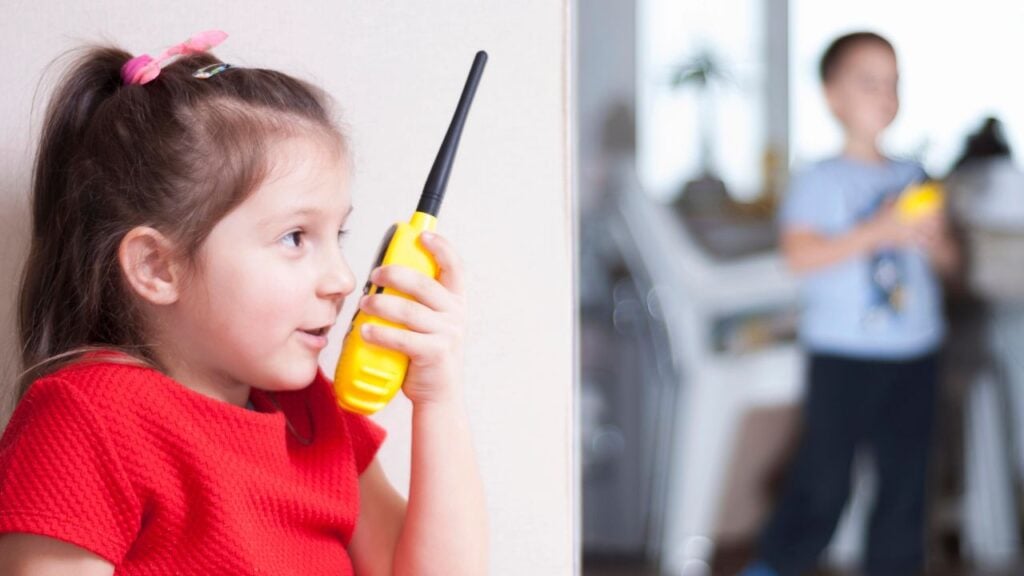
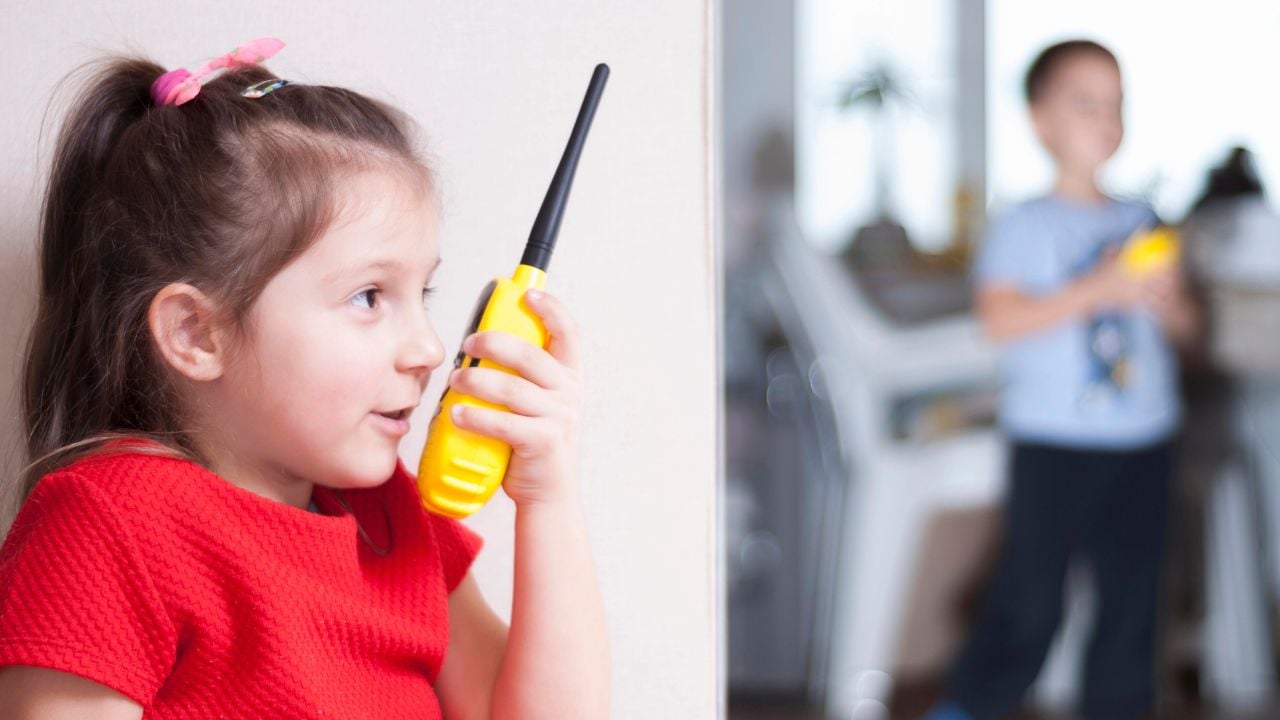
Walkie-Talkies With Unsafe Frequencies
Walkie-talkies were a favorite for backyard adventures, but some sets in the 1970s used frequencies that weren’t well regulated.
They sometimes picked up police scanners or stranger conversations.
More importantly, a few emitted strong signals that interfered with other electronics or caused exposure to static and electric shocks.
Modern walkie-talkies are limited to safe, approved frequency bands.
Stretch Armstrong’s Goo-Filled Arms
Stretch Armstrong looked harmless, just a rubbery action figure that stretched when pulled.
But inside those arms was a thick, syrup-like goo that wasn’t meant to leak.
If a toy tore or burst, the contents could make a mess or irritate skin.
It didn’t happen often, but the lack of labeling or cleanup instructions wouldn’t cut it today.
Toy Fireworks Kits for Kids
In the 1970s, some kits included snap caps, smoke bombs, or small firecrackers marketed as “safe” fireworks.
They were sold in colorful boxes and pitched as fun backyard entertainment.
But the risk of burns, eye injuries, or starting fires was always there.
These days, anything with a fuse is usually kept behind counters or off toy shelves entirely.
Ride-On Toys Without Brakes or Seatbelts
From plastic motorcycles to pedal-powered cars, many ride-on toys of the era looked cool but didn’t offer much control.
Some had no real braking system. Others tipped easily on uneven ground.
Kids would fly down driveways or sidewalks with no way to stop safely.
Modern ride-on toys are tested for balance, speed, and crash risks before they hit the shelves.
Real Glass Marbles in Slingshot Toys
Some slingshots and launcher sets in the 1970s came with actual glass marbles or encouraged kids to use them.
They were fast, heavy, and extremely dangerous if aimed the wrong way.
Injuries to eyes, windows, and even pets were common.
Today’s toys use soft foam or suction cups instead of anything that could actually break something.
Whip-Like Jump Ropes Made With Plastic Cord
Jump ropes from the 1970s weren’t always soft and harmless.
Some were made with hard plastic cords that stung when they hit skin and could cause welts or bruises.
They were fast and durable, but not exactly gentle during a missed jump.
Today’s playground ropes are designed to be safer, with lighter materials and smoother edges.
Miniature Toy Sewing Machines With Real Needles
Some toy sewing kits came with small machines that actually stitched fabric using sharp, metal needles.
They looked like toys, but they worked like the real thing.
If a child wasn’t careful, fingers could easily get pricked or worse.
Today’s kid-friendly sewing kits are battery-powered, use plastic needles, or are purely for pretend play.
Superhero Capes With Tight Neck Straps
Plenty of kids in the 1970s wore superhero capes sold as costume add-ons or made their own.
But many store-bought versions had tight, unbreakable neck ties that posed a real strangulation risk.
Accidents during play led to new regulations and safety guidelines.
Today, toy capes are designed with Velcro or breakaway closures to prevent injury.
Balsa Wood Gliders With Sharp Noses
These lightweight planes were fun to throw, but not always safe to catch.
Some models had pointed plastic noses or stiff wooden tips that could poke or cut if they hit someone.
Kids launched them across parks, playgrounds, and living rooms, often without realizing the risk.
Modern toy gliders are rounded and made with foam to reduce injuries.
Think You Belong in a Different Decade?
From big bands to big hair, our playful Decade DNA Quiz reveals which classic American era fits your personality best. It’s fast, fun, and full of vintage flair.
Meet Your Match. Discover Your Decade DNA. (Your Vintage Roots Are Showing)

19 Gilligan’s Island Facts Even the TV Show’s Biggest Fans Don’t Know
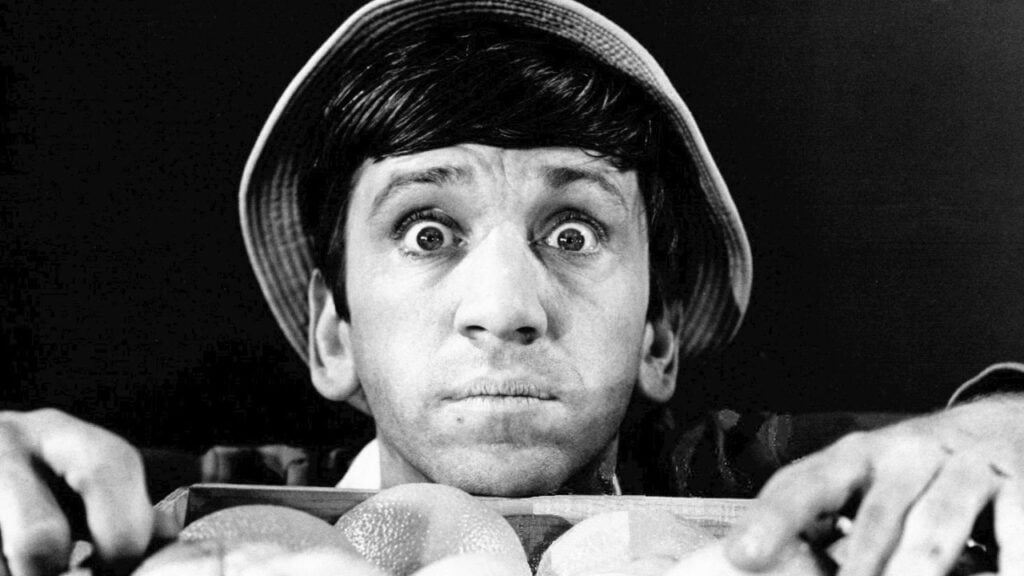
For many Americans, Gilligan’s Island was a silly, beloved sitcom. But as it turns out, this little island paradise was hiding some juicy trivia.
19 Gilligan’s Island Facts Even the TV Show’s Biggest Fans Don’t Know
14 Things Every ’70s Kid Had in Their Lunchbox

From smashed sandwiches to sticky pudding cups, here’s a look at all the classic foods every ‘70s kid had crammed inside their trusty lunchbox.