

25 Everyday Products Hoosiers Use Completely Wrong

Americans love convenience. We invent gadgets for gadgets, label things “easy-open,” and still somehow manage to use them backward.
From kitchen staples to personal care items, we’ve been confidently misusing everyday things for years.
Here are the ordinary products Hoosiers and Americans across the country keep getting wrong and what they were really designed to do.
Aluminum Foil
Half the country thinks foil comes in one kind: shiny side out, always. But the truth is that the shiny and dull sides actually serve a purpose.
The shiny side reflects heat, while the dull side absorbs it better. You’re supposed to choose based on what you’re cooking.
You should use shiny out for broiling, and dull out for wrapping.
Still, most of us never think twice about it and just tear off a sheet of aluminum foil.
Toothpaste
That long blue streak down the middle of your toothpaste is pure marketing. Many Americans think “multi-colored” toothpaste means extra cleaning power, but the colors are just for flavor or aesthetic.
What’s more, most people use way too much. Those perfect TV swirls are for commercials, not your toothbrush.
A pea-sized dot is enough for adults. Anything more just wastes product and creates foam overload.
Basically, you’re brushing your teeth in minty bubbles for no reason.
Deodorant
Here’s a fun one: you’re supposed to apply deodorant at night, not in the morning.
That’s because your sweat glands are less active overnight, giving the formula time to block odor before you even wake up.
Morning application just masks your smell temporarily instead of preventing it.
Most of us have been losing that battle since middle school.
Laundry Detergent
If you’ve ever filled the detergent cap to the brim, congratulations, you’ve been doing laundry like half of America: completely wrong.
Detergent caps are designed for multiple load sizes, and the “full” line is usually for extra-large or industrial loads.
Overusing detergent doesn’t make clothes cleaner; it makes them stiffer and traps residue.
Ironically, you’ve been washing your clothes dirty this whole time.
Nonstick Pans
Scraping a nonstick pan with metal utensils is a culinary crime, and yet, it happens daily.
Those coatings aren’t indestructible. Each scrape releases tiny flakes that ruin the surface and can end up in your food.
You’re supposed to use silicone or wooden tools and low to medium heat only.
If your nonstick pan starts sticking, that’s user error.
Hair Conditioner
Many people slather conditioner on their roots, thinking it helps with dryness. It doesn’t. It just makes your scalp greasy.
Conditioner is meant for the mid-length to ends, where the hair is older and needs the moisture most.
Also, leaving it in for ten minutes doesn’t magically “deepen” hydration. It just weighs your hair down.
Think of it as lotion for your hair, not a face mask.
Kitchen Sponges
That damp sponge sitting by your sink is probably dirtier than your toilet seat.
Sponges should be replaced every week or sanitized in the microwave for a minute to kill bacteria.
Many Americans use the same one for a month or more, thinking soap cancels out germs. Spoiler: it doesn’t.
If it smells weird, it’s basically become its own life form.
Trash Bags
Many people unfold trash bags inside-out. That flap you struggle to stretch over the can rim is supposed to go outside, not tucked in.
The correct way is to gather the rolled-up bag from the center, place it in the bin, and then unfold it over the rim like a hat.
It fits smoother and doesn’t slip inside under weight.
Simple fix, decades of confusion.
Band-Aids
If you’ve ever slapped a Band-Aid on a finger and had it peel off five minutes later, you’ve joined the national club of Wrong Users.
You’re supposed to cut a small “V” in each side of the sticky part, so it folds around your joint neatly and actually stays put.
Also, Band-Aids stick better on dry skin, so wipe off any lotion first.
The instructions are literally on the box. We just never read them.
Peeling Bananas
Most Americans peel bananas from the stem side, as if we’re wired to struggle.
But monkeys (the actual experts) peel from the opposite end.
The bottom pinch method pops the peel open cleanly, no mushy spots, no split ends.
We’ve been doing it backward since kindergarten.
Chopsticks
A surprising number of Americans still stab food with chopsticks instead of using them like tongs.
They’re meant to be controlled at the tips, not the middle, and held with gentle tension, not force.
Using them properly isn’t about etiquette; it’s about physics.
Once you master the pinch, your sushi stops falling apart mid-air.
Soap
Liquid soap is great, but many Americans use far too much. Two full pumps isn’t “extra clean,” it’s just extra.
The average dispenser releases more than double what you need for proper handwashing.
Worse, antibacterial soaps aren’t always better; they can dry out your skin and reduce natural defenses.
The best cleaning method? Just 20 seconds of regular soap and water.
Plungers
Yes, there’s a right kind of plunger for toilets, and most homes don’t have it.
The classic red cup-shaped plunger is for sinks, not toilets. Toilet plungers are bell-shaped with a flange on the end.
Using the wrong one doesn’t create proper suction, which is why you end up panicking mid-disaster.
Basically, your plunger’s been set up to fail from day one.
Toothbrush Storage
Leaving your toothbrush on the counter, uncovered, right next to your toilet is a big mistake.
Every flush sprays microscopic droplets into the air, some of which can land on your brush.
You don’t need a sterile chamber, but at least store it upright and a few feet away.
If your toothbrush could talk, it would scream.
Dishwasher Loading
Most people cram in dishes by sight, but dishwashers actually have zones. Plates belong on the bottom rack, angled inward. Cups and plastics go on top, facing downward.
If you put utensils all facing up, they nest together and don’t wash properly.
And yes, pre-rinsing is usually unnecessary, as it confuses modern sensors.
Your dishwasher isn’t lazy; it’s just misunderstood.
Shaving Cream
You’re supposed to let shaving cream sit for 2–3 minutes before shaving to soften hair and protect skin.
Most Americans lather and immediately start hacking away.
That’s why irritation happens: the product never had time to do its job.
Patience equals smoothness. Impulse equals razor burn.
Peanut Butter Jars
If you open a jar and stir it once, congratulations, you’re halfway wrong.
Natural peanut butter separates because the oils rise to the top. You’re supposed to flip the jar upside down every few days before opening to keep it blended naturally.
No endless stirring, no mess, no oil puddle.
Turns out, gravity is the real MVP.
Earbuds
So many people just pop earbuds in and complain about poor sound. The trick? Twist them slightly forward so the tip seals your ear canal.
That’s how you get proper bass and noise isolation.
It’s not your playlist that sounds bad. It’s your angle.
Small rotation, big difference.
Cutting Boards
Wood cutting boards aren’t just aesthetic; they’re antibacterial when maintained right. But soaking them in water is a huge no.
It warps the wood and kills the natural sealing properties.
You’re supposed to wipe them with vinegar or salt and lemon to disinfect naturally.
Scrubbing with soap and water is fine. Baptizing them is not.
Nail Clippers
Most people clip nails straight across. It’s easy, but not ideal. The curve on nail clippers exists for a reason: to match your nail’s natural shape and reduce ingrown edges.
As for toenails? Those should be cut straight across, no curve.
Basically, one size doesn’t fit all.
The tools aren’t wrong. We just use them incorrectly.
Bread Bags
That plastic tab or twist tie on bread isn’t just to keep it closed, it’s color-coded. Each color corresponds to a day of the week for freshness.
It’s a bakery system, but it helps you too: blue for Monday, green for Tuesday, etc.
Instead, most people toss it out and use whatever clip’s nearby.
We’re all guessing at staleness.
Pill Bottles
That push-and-turn cap that frustrates everyone on pill bottles has a fix. You can flip it upside down and screw it back on to make it easy-open.
It’s designed for adults who don’t need childproofing but want convenience.
Pharmacists know this, but rarely mention it.
So yes, you’ve been struggling unnecessarily this whole time.
Ketchup Bottles
Everyone smacks the bottom of the bottle when it won’t pour. The correct method? Tap the “57” on the neck of a Heinz bottle.
That’s where the bottle is thinner, letting air flow and ketchup slide out smoothly.
The company literally designed it that way.
We just… never noticed the clue.
Microwave Reheating
Microwaving leftovers in the center of the plate guarantees cold spots. Food heats unevenly from the edges.
You’re supposed to spread items in a ring, leaving the center empty for even heat distribution.
Cover with a damp paper towel to retain moisture.
Goodbye, sad, half-cold pasta.
Toilet Paper Rolls
Yes, there’s an official “right way.” Over, not under. The original 1891 patent drawing shows it clearly.
“Over” reduces tearing and keeps the edge visible. “Under” was probably invented by cats.
Americans still debate it, but the blueprint doesn’t lie.
Hooray! This one actually has a winner.
17 Decor Items That’ll Make Your Home Look Cheap

No one wants to hear their home looks cheap. But sometimes, a cheap-looking home doesn’t reflect what you spent on it. It reflects the decor you chose.
17 Decor Items That’ll Make Your Home Look Cheap
Remember When Everything Had Color? These 18 Things Definitely Did
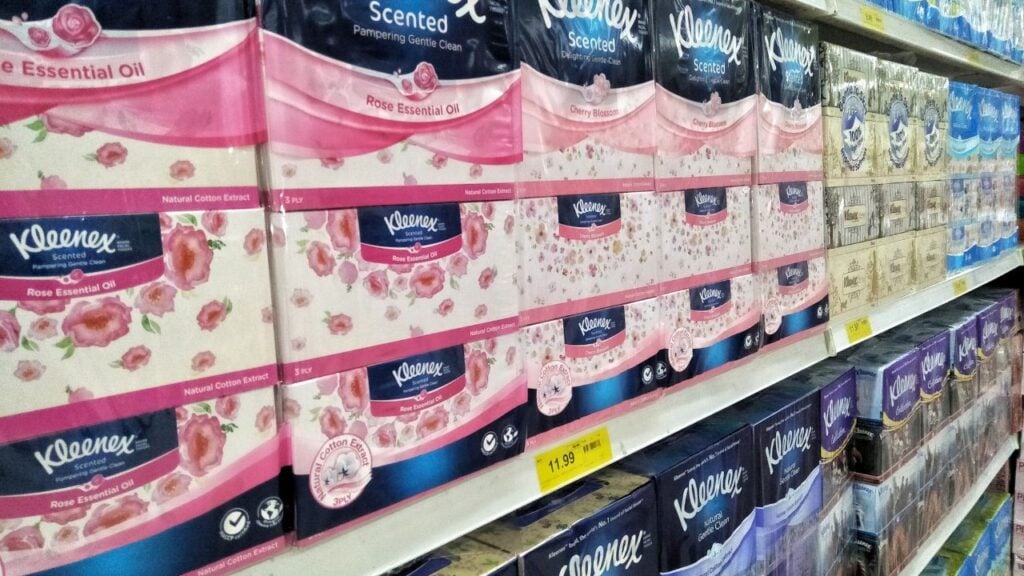
There was a time when even the most ordinary things were bursting with color.
But now?
We’ve swapped charm for minimalism, and for some reason, we all agreed to pretend it’s better. Here are some everyday things that used to be colorful but aren’t anymore.
Remember When Everything Had Color? These 18 Things Definitely Did
