

26 American Traditions That Quietly Lost Their Meaning Over Time. Can You Name Them, Pennsylvanians?

Some American traditions are so ingrained that we rarely stop to think about where they came from.
But when you do pause, it’s surprising how many of them don’t really mean what they once did.
The symbolism has faded, the original purpose forgotten, and in some cases, the ritual now feels more like habit than heritage.
Here are the American traditions that once carried weight, meaning, or pride for Pennsylvanians but have transformed into something else entirely.
The Pledge of Allegiance at School
Children across America stand each morning with their hands over their hearts.
It feels patriotic, but many don’t know the original pledge was written by a socialist minister in the late 1800s.
Over time, the pledge became synonymous with patriotism, but its actual history is rarely discussed.
Now, for many students, it’s less about deep allegiance and more about routine.
Throwing Rice at Weddings
Tossing rice at newlyweds once symbolized fertility and prosperity. In agricultural societies, rice was a literal seed of life and abundance.
But most modern couples never think about that meaning. It’s just something “cute” to do after the ceremony.
In fact, some venues ban rice, worried about birds or cleanup.
What was once symbolic of future growth is now often replaced with bubbles, sparklers, or confetti.
Thanksgiving Turkey
Thanksgiving is supposed to symbolize gratitude and togetherness. The turkey became the centerpiece as a nod to abundance.
But today, many Americans sit around the table stressing about cooking times, basting methods, or whether to deep-fry.
For some families, the day has shifted into being about football, shopping deals, and pumpkin pie photos for Instagram.
The original meaning, giving thanks for survival and harvest, isn’t the focus anymore in many American homes.
High School Proms
Prom was once a “coming of age” tradition, a formal introduction into adulthood.
Today, it’s less about a rite of passage and more about extravagant spending.
Families of teens spend hundreds (sometimes thousands) on dresses, tuxedos, limos, and professional photo shoots.
The meaning has shifted from transition into adulthood to more of a one-night Instagram event.
Decorating with Mistletoe
In ancient times, mistletoe was tied to fertility, healing, and even peace treaties.
Americans adopted it as a lighthearted holiday kiss tradition. But few remember its actual roots.
Today, mistletoe is more of a party gag than anything deeply symbolic.
It’s less about fertility or protection and more about awkward laughs at the office Christmas party.
The National Anthem at Sports Games
Singing the anthem before games became standard during World War II as a unifying act of patriotism.
Now, many see it as just the obligatory few minutes before kickoff or first pitch.
Debates about kneeling, protests, and performances often overshadow the original intention of unity.
For some, the song stirs deep pride. For others, it feels routine, with the meaning blurred.
Lighting Birthday Candles
The tradition of blowing out candles comes from ancient Greece, when people offered round cakes to Artemis, the moon goddess.
Candles symbolized the glow of the moon, and smoke was thought to carry wishes to the heavens.
But few Americans celebrating birthdays today know this origin.
Now, it’s more about singing off-key, snapping photos, and making sure the cake is Instagram-ready.
Fourth of July Fireworks
Fireworks were once a vivid reminder of the “rockets’ red glare” from the Revolutionary War.
Today, they’re more about neighborhood noise complaints and sparklers for kids.
The original patriotic symbolism has dulled, especially as fireworks shows compete with barbecues, beer coolers, and backyard pool parties.
Many Americans don’t even watch fireworks anymore, they just listen to the pops in the distance.
Class Rings
Class rings once symbolized belonging and accomplishment.
But now, many students don’t bother buying them, or they end up forgotten in a drawer.
Companies still market them as heirlooms, but most Americans see them as outdated.
What was once a proud memento is now a tradition slipping into irrelevance.
Tossing the Graduation Cap
The tradition started at the U.S. Naval Academy in 1912, symbolizing graduates officially leaving military life behind.
Over time, every high school and college adopted it as a joyful gesture of achievement.
But few know its military roots. For most, it’s just a cool photo opportunity.
The deeper meaning of transition and sacrifice? Lost to the toss.
Christmas Stockings
Hanging stockings was originally linked to the legend of Saint Nicholas helping a poor family by dropping coins down their chimney.
That symbolism of charity and generosity has mostly vanished.
Now, stockings are often filled with gift cards, gadgets, or candy.
The tradition has turned into one more layer of consumerism rather than a reminder of kindness.
Handshake Greetings
The handshake once symbolized peace, showing your hand was empty of weapons.
In America, it became a business ritual of trust and agreement.
But today? It’s often rushed, awkward, or skipped altogether, especially after the pandemic.
The meaning of reassurance has been overshadowed by germs and casual alternatives like fist bumps.
Eating Black-Eyed Peas on New Year’s Day
This Southern tradition symbolized luck, prosperity, and resilience after the Civil War.
But now, many Americans eat the peas without really knowing why.
Some see it as superstition, others as just a family recipe.
The original meaning, hope after hardship, has been forgotten by most.
Valentine’s Day Cards
Handwritten Valentine notes once symbolized sincerity and thoughtfulness.
Today, mass-produced cards with pre-written lines dominate store shelves.
Many Americans buy them last minute, with little thought to meaning.
The gesture has shifted from heartfelt expression to a quick checkmark on a holiday to-do list.
Sunday Family Dinners
For generations, Sunday dinner was about slowing down, reconnecting, and grounding the week.
But now, many families are scattered, busy, or grabbing takeout.
The tradition still exists, but often without the same ritual weight.
What was once an anchor for family unity is now easily replaced by convenience.
Homecoming Parades
Homecoming once meant welcoming alumni back to campus and celebrating community ties.
Now, it’s mostly about football games, dances, and photo ops.
The sense of community celebration has dulled, replaced by high school pageantry.
The original homecoming, literally coming home, isn’t emphasized anymore.
Memorial Day Sales
Memorial Day began as a solemn day of remembrance for fallen soldiers.
Now, many Americans know it mainly as a three-day weekend with mattress discounts.
For some, the day is still deeply meaningful. But for many, the tradition has shifted toward shopping and grilling.
The purpose, honoring sacrifice, gets buried under seasonal sales.
Trick-or-Treating
Halloween was rooted in ancient Celtic rituals meant to ward off spirits.
In America, trick-or-treating became about community, fun, and neighborhood connection.
But today, many kids trick-or-treat at malls, churches, or festivals instead of going door-to-door.
The tradition has shifted from neighborly bonding to structured, safer alternatives.
College Homecoming Queens
Originally, homecoming queens represented school spirit, hospitality, and community charm.
But now, many see the tradition as outdated or superficial.
Some schools have abandoned it entirely, while others keep it alive mostly for photos.
The meaning has largely evaporated into pageantry.
Toasting at Weddings
Raising a glass once symbolized trust and unity, drinking together was a way to show no one was poisoned.
Today, it’s just a chance for awkward speeches or inside jokes.
The original symbolism has faded, replaced by clinking glasses for tradition’s sake.
May Day Celebrations
May 1 once carried deep significance, both as a workers’ rights holiday and as a celebration of spring renewal.
In America, though, its meaning never fully stuck outside of labor movements.
Today, most Americans don’t celebrate May Day at all.
What was once a powerful statement of solidarity has nearly disappeared.
Carving Pumpkins
Pumpkin carving started with Irish immigrants who carved turnips to scare away spirits.
When they arrived in America, pumpkins were bigger and easier to carve, so the tradition evolved.
Now, it’s more about creating elaborate designs for contests and social media.
The protective folklore has faded into a seasonal craft project.
April Fool’s Day
Once, April Fool’s Day carried cultural meaning, satire, trickery, and playful mischief.
But now, most pranks are recycled internet jokes or marketing stunts.
The holiday’s original purpose has been overshadowed by brands posting forced jokes online.
For many Americans, April 1 passes without a single laugh.
Labor Day Parades
Labor Day was created to honor workers and union achievements.
For decades, parades and marches highlighted labor pride.
But now, the parades are rare, and the day is more about barbecues and sales.
The meaning of solidarity has been drowned out by shopping bags.
Burning Yule Logs
The Yule log once symbolized warmth, protection, and light during the darkest days of winter.
Families gathered around the fire to mark endurance through the cold season.
Today, most people know the Yule log only as a chocolate dessert cake, or the looping fireplace video on TV.
The spiritual weight of the tradition is gone.
Throwing Bouquets at Weddings
Catching the bouquet was once tied to luck and fertility.
But now, it’s more of a playful dance-floor scramble.
Many brides even skip it entirely, preferring other traditions.
The symbolism has faded into just another moment for photos.
20 Nostalgic Things Americans Could Buy for Under $1 Back in the Day
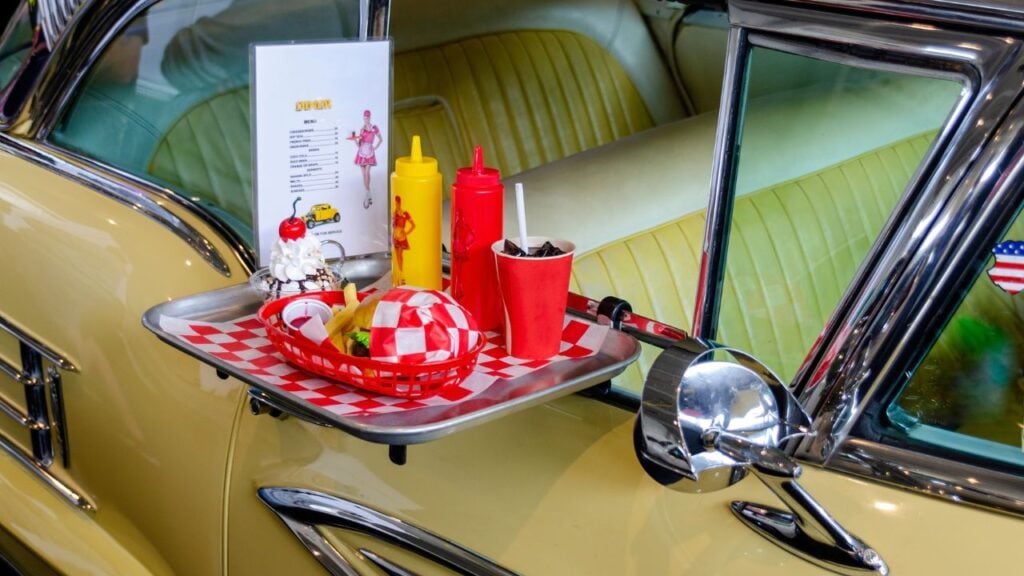
It’s hard to believe now, but there was a time when $1 could buy something meaningful.
Let’s take a trip back to the days when Americans’ pockets didn’t need much cash to bring home something fun, useful, or just plain delicious.
20 Nostalgic Things Americans Could Buy for Under $1 Back in the Day
Remember When Everything Had Color? These 18 Things Definitely Did

There was a time when even the most ordinary things were bursting with color.
But now?
We’ve swapped charm for minimalism, and for some reason, we all agreed to pretend it’s better. Here are some everyday things that used to be colorful but aren’t anymore.
Remember When Everything Had Color? These 18 Things Definitely Did
What Decade Were You Really Meant For?
Whether you’re dreaming of bell-bottoms or soda fountains, our Decade DNA Quiz will match you with the decade that fits your personality. No work deadlines here, just a fun escape when you need it most.
Meet Your Match. Discover Your Decade DNA. (Your Vintage Roots Are Showing)


