

26 Iconic Movie Moments That Would Never Be Allowed in Florida Movie Theaters Today

Some movie scenes are so unforgettable that they feel permanently stitched into Florida’s collective memory. But if they premiered today, theaters would shut them down instantly.
Modern rules, safer standards, and stricter audience expectations have changed everything.
A lot of the moments we grew up loving would never make it past a modern theater manager, no matter how iconic they are.
Long Scenes of Complete Silence
Silence once built tension better than any soundtrack could.
In modern theaters, total silence highlights every popcorn crunch and soda slurp, which distracts an entire room.
Theaters now receive more noise complaints, making extended quiet moments harder to manage.
Studios trim these scenes so they flow better in busy theaters while still carrying emotional weight.
Massive Practical Explosions from ’80s Action Movies
Explosions in ’80s films were huge, loud, and very real, which gave them a raw intensity.
Modern safety rules limit how violent or overwhelming these moments can appear in theaters.
Theaters also worry about audience discomfort when explosions feel too physically intense in a closed room.
Studios now use digital enhancements to create excitement without risking sensory overload, and it changes the tone completely.
Surprise 4D Gimmicks of the Past
Some theaters once sprayed scents, water, or blasts of air without warning, hoping to enhance immersion.
Current health regulations treat allergens seriously, which makes unpredictable effects a liability.
Only specialized, fully controlled 4DX venues are permitted to use these features today.
Smaller theaters cannot legally pull off these old-school tricks, even if audiences might still find them fun.
Ear-Splitting Jump Scares from Early Horror Films
Older horror films relied on sudden, painful audio spikes to send shockwaves through the theater.
Modern volume caps prevent audio jumps from becoming physically uncomfortable.
Too much intensity can actually damage speakers, which is a costly risk theaters avoid.
Most modern jump scares rely on visuals instead of aggressive sound spikes, and audiences notice the difference.
Intense Strobe Lighting with No Warning
Flash-heavy sequences once appeared with zero advance notice, even in family movies.
Today, theaters must warn viewers who are sensitive to flashing lights for health and safety reasons.
Extended strobe moments can trigger medical emergencies, increasing the pressure on theaters to stay compliant.
Studios edit or soften these scenes so they remain effective without creating potential harm.
Drunk Driving Played for Comedy
Older comedies made drunk driving look silly or harmless, treating it like a quirky plot device.
Modern audiences expect responsible portrayals around anything dangerous.
Ratings boards apply strict scrutiny when harmful behavior is shown as a joke.
These scenes now get rewritten or cut entirely because the tone feels outdated.
Gore Shown Without Advisory Notices
Vintage slashers took pride in showing every gory detail without holding back.
Modern American theaters require clear advisory labels for extreme violence.
Parents and audience groups push back when graphic content appears unannounced.
Studios now tone down or reframe these moments to secure wider accessibility.
Real Animals Used in Dangerous Stunts
Older adventure films placed animals in stressful situations for realism.
Modern guidelines forbid promoting scenes that appear harmful or unsafe for animals.
CGI and animatronics now replace situations that once used live animals.
Audiences are far more aware of humane standards, and theaters reflect those values.
Romantic Moments Built on Questionable Consent
Many older films portrayed forced kisses or pressure-heavy moments as romantic.
Today’s viewers recognize these moments as uncomfortable and often harmful.
Theaters avoid showcasing scenes that clash with modern views on consent.
Studios rewrite storylines to show mutual communication instead of outdated tropes.
Characters Walking Freely into Restricted Areas
Movie characters once strolled through airports, government buildings, and secure areas casually.
Post-9/11 realities completely changed how these spaces can be depicted.
Theaters avoid content that seems to ignore or undermine modern security norms.
Films now use fictional sets or heavily controlled productions to portray secure locations.
Jokes Based on Racial or Cultural Stereotypes
Older films leaned on stereotypes that were common at the time but are unacceptable now.
Modern theaters face instant scrutiny for showing outdated or insensitive humor.
Audiences notice problematic jokes quickly and speak up about them online.
Studios now choose humor that avoids relying on harmful or lazy shortcuts.
Teen Characters Sexualized in Lighthearted Films
Some 80s movies portrayed teen characters in ways that would spark outrage today.
Any suggestion of minors in sexual contexts is prohibited in modern guidelines.
Theaters will not screen films that cross these boundaries, even subtly.
Writers change character ages or remove certain scenes to stay compliant.
Actors Performing Dangerous Stunts Without Safety Protocols
Early filmmaking sometimes allowed actors to perform risky stunts without proper protection.
Modern unions require strict oversight to prevent unnecessary harm.
Theaters prefer promoting films with transparent safety practices.
Digital effects now replace many of those formerly dangerous real-life setups.
Kids in Dangerous Situations Without Safety Gear
Older films commonly showed kids biking, skating, and exploring without helmets or supervision.
Modern audiences expect realistic portrayals of child safety in media.
Theaters receive complaints when movies appear to encourage unsafe behavior.
Studios now include protective gear or adjust scenes to avoid criticism.
Realistic Gunshot Audio That Hits Too Hard
Earlier action movies used gunfire sound mixes that were sharp and extremely loud.
Modern theaters enforce decibel limits to protect hearing.
Audio that intense risks physical discomfort and even equipment damage.
Gunshot effects are now softened to strike a balance between realism and safety.
Public Pranks Filmed Without Permission
Classic prank films featured real people reacting naturally in public.
Privacy laws now require consent before showing anyone onscreen.
Theaters avoid screening films that might raise ethical or legal concerns.
Most prank scenes today use actors instead of random bystanders.
Real Glass Used in Fight Scenes
Older movies smashed real breakable glass in dramatic scenes.
Modern safety rules prohibit props that could actually injure actors.
Theaters support productions that prioritize safe and responsible stunt work.
Digital or silicone glass now recreates the same visual effect with no cuts or accidents.
Functional Weapons Used on Set
Some classic movies used real working firearms for realism.
High-profile incidents changed industry standards permanently.
Theaters do not want to promote films made under unsafe weapon regulations.
Most weapon effects today rely on digital editing instead of real gunfire.
Children Handling Dangerous Objects for Plot
Movies once allowed kids to handle fireworks, tools, or risky items to build tension.
Modern standards emphasize responsibility and safety when children appear onscreen.
Theaters avoid content that could inspire dangerous imitation.
Writers now rework these scenes to keep safety front and center.
Trespassing Shown as Harmless Adventure
Older movies treated sneaking into places as a fun and simple challenge.
Modern guidelines consider how such actions influence young viewers.
Theaters avoid glamorizing illegal behavior in ways that appear risk-free.
Scripts now show consequences or reframe scenes to avoid promoting trespassing.
Dramatic Scenes on Train Tracks
Movies once used train tracks as moody backdrops without thinking twice.
Modern standards focus heavily on discouraging unsafe real-world behavior.
Theaters receive complaints when scenes appear too copyable or risky.
Studios now choose different settings to avoid sending the wrong message.
Car Chases Shot on Active Roads
Older films filmed chaotic chase scenes on real streets with minimal control.
Modern productions require permits, road closures, and professional drivers.
Theaters avoid movies suggesting reckless filming practices happened on set.
Safe, choreographed chases are now the standard for action films.
Wild Audience Participation Traditions
Theaters once encouraged rice throwing, confetti tossing, and other messy rituals.
Modern safety policies ban anything that creates hazards or allergens.
Cleanup costs, injury risks, and liability concerns ended those traditions.
Special events are now carefully controlled instead of spontaneous free-for-alls.
School Fights Filmed as Comedy Instead of Safety Risks
Older school movies treated hallway fights as lighthearted chaos instead of dangerous moments.
Modern audiences expect realistic portrayals of safety in school environments.
Theaters avoid content that makes physical conflict among kids look harmless or funny.
Studios now shift these moments into brief misunderstandings rather than full brawls, and it changes the tone completely.
Casual Weapon Play Used as a Joke
Some older films showed characters waving around knives, sticks, or other objects for comedic effect.
Modern standards focus on preventing anything that resembles unsafe behavior.
Theaters avoid scenes that might influence younger viewers to imitate risky actions.
Writers now change these props into harmless items or remove the gag entirely.
Characters Riding in the Back of Pickup Trucks
Movies once showed groups of characters sitting or dancing in the open truck bed.
Today, it is recognized as unsafe and discouraged in real life.
Theaters prefer content that does not glamorize behavior tied to real accident risks.
Studios now film these scenes with secured setups or avoid them altogether to stay responsible.
20 Nostalgic Things Americans Could Buy for Under $1 Back in the Day
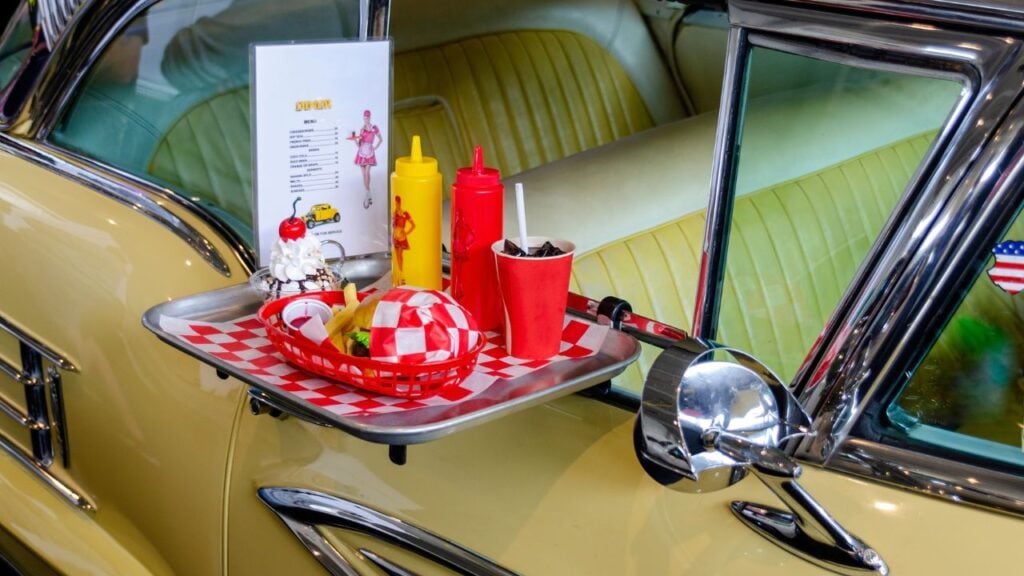
It’s hard to believe now, but there was a time when $1 could buy something meaningful.
Let’s take a trip back to the days when Americans’ pockets didn’t need much cash to bring home something fun, useful, or just plain delicious.
20 Nostalgic Things Americans Could Buy for Under $1 Back in the Day
Remember When Everything Had Color? These 18 Things Definitely Did

There was a time when even the most ordinary things were bursting with color.
But now?
We’ve swapped charm for minimalism, and for some reason, we all agreed to pretend it’s better. Here are some everyday things that used to be colorful but aren’t anymore.
Remember When Everything Had Color? These 18 Things Definitely Did
What Decade Were You Really Meant For?
Whether you’re dreaming of bell-bottoms or soda fountains, our Decade DNA Quiz will match you with the decade that fits your personality. No work deadlines here, just a fun escape when you need it most.
Meet Your Match. Discover Your Decade DNA. (Your Vintage Roots Are Showing)

