27 Household Shortcuts That Quietly Damage Your Utah Home Over Time

Cutting corners around the house always feels like a win in the moment. Skip a step here, use a quick fix there; it saves time, money, and effort.
But those little “hacks” can come back to bite you. What seems harmless now can quietly wear down your Utah home and cause bigger problems later.
It’s easy to miss the damage until it’s too late. That’s why spotting these bad habits early makes all the difference.
Skipping Vent Cleaning
Lint isn’t just messy; it blocks airflow and overheats your dryer. That strains the motor and jacks up the power bill.
Even worse, clogged vents are a fire hazard. Thousands of house fires start this way every year.
Most people think emptying the lint trap is enough, but the duct itself clogs over time.
Quick vacuuming or a vent brush every few months keeps things safe and efficient. Ignore it, and you’re gambling with both money and safety.
Using Bleach for Everything
Bleach works fast but is brutal on surfaces. Over time, it eats grout, weakens stone, and destroys rubber seals.
That shiny “just sanitized” look can leave permanent damage, and once surfaces dull, no amount of scrubbing brings them back.
Gentler cleaners, vinegar, baking soda, dish soap, do the job without stripping finishes.
Bleach should be the emergency tool, not the daily habit.
Ignoring Gutter Maintenance
Clogged gutters don’t just look sloppy; they warp wood, leak into foundations, and attract pests.
Standing water invites mosquitoes, while overflow rots fascia boards. Birds and squirrels sometimes even nest in the buildup.
Skipping a cleaning feels harmless, but water always finds its way into weak spots.
Two cleanings a year, spring and fall, save you from expensive rot and basement flooding.
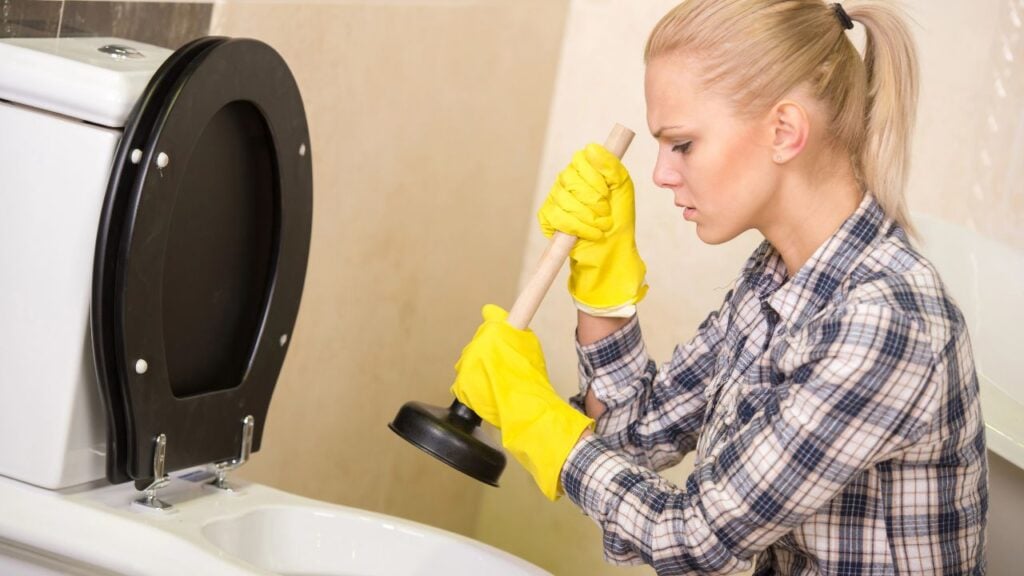
Relying on Drain Chemicals
A bottle of drain cleaner feels easier than calling a plumber. But those harsh chemicals can wear down pipes and weaken joints.
Plastic pipes warp, metal pipes corrode, and eventually you’re left with leaks behind the walls.
A drain snake, plunger, or even hot water and dish soap are safer solutions.
The shortcut feels clever in the moment, but it slowly sets your plumbing up for disaster.
Painting Over Dirty Walls
Paint doesn’t stick to dirt, grease, or dust. Skip washing, and it peels, bubbles, and looks worse than before.
That shortcut adds up to a full repaint years earlier than necessary.
A mild soap rinse adds minutes but extends paint life by years.
Skipping prep saves time today but costs big later.
Skipping HVAC Filter Changes
Filters clog faster than most people realize. Leave them too long, and your system struggles to move air.
Dust spreads through ducts, lowering air quality. Motors overheat and burn out early.
Fresh filters are cheap, and replacements take seconds.
Repairs, on the other hand, run into thousands. This is the cheapest maintenance chore most people ignore.
Using Furniture Sliders as Permanent Pads
Sliders are for moving day, not permanent use.
Left under couches or tables, they grind grit into floors and dent carpets.
That shortcut quietly scratches wood and leaves permanent marks in vinyl.
Felt or rubber pads protect far better over time. Swap them out before your floors pay the price.
Wiping Floors with Too Much Water
A soaked mop feels thorough, but excess water warps wood, swells laminate, and weakens grout.
Even tile isn’t immune; standing water eventually erodes the grout lines.
A damp mop does the same job without flooding surfaces.
Your floors will last decades if you keep moisture under control.
Overloading Cabinets
Cabinets look sturdy until they bow, sag, or collapse.
Cans, plates, and appliances pile up weight fast. Hinges pull loose, shelves crack.
The shortcut of “just shove it in” eventually leaves doors crooked and wood split.
Rotating and distributing items saves wear. Don’t treat cabinets like storage bins.
Ignoring Caulk Maintenance
Cracked caulk around tubs, sinks, or windows lets water sneak in.
Moisture then seeps into drywall, studs, and flooring. Mold follows soon after.
A $5 tube of caulk stops thousands in water damage.
It’s one of the smallest habits with the biggest payoff.
Storing Things in Damp Basements
Basements feel convenient, but humidity ruins cardboard, clothing, and wood.
Over time, dampness turns stored boxes into mold factories.
Moisture spreads spores through the house, and even sealed bins sweat if the basement is humid.
Dehumidifiers and raised shelving prevent it, but skipping them guarantees ruined belongings.
Taping Instead of Fixing
Duct tape feels like a miracle, until it fails.
Adhesives dry out, and the real damage underneath keeps growing.
Cracked pipes, loose cords, broken tiles, tape buys time, not solutions.
Treating tape as permanent just multiplies the repair later.
Neglecting Attic Insulation
Insulation quietly flattens and loses efficiency over time.
Skip it, and your heater or AC works overtime, wasting money.
Poor insulation also makes rooms uneven, sweltering in summer, freezing in winter.
A little attic attention pays back every single season.
Using Harsh Scrubbers on Delicate Surfaces
Steel wool cleans fast but leaves scratches everywhere—glass, stainless steel, ceramic.
Those scratches collect grime and dull finishes, making cleaning harder long-term.
Microfiber cloths or non-abrasive pads clean safely.
In this case, gentle really is stronger.
Blocking Air Vents with Furniture
A couch over a vent doesn’t just block airflow. It stresses your HVAC.
Motors strain, rooms heat unevenly, and energy bills rise.
Even a few inches of space makes a difference.
Airflow is one of the most overlooked parts of home comfort.
Skipping Sealing on Stone Surfaces
Stone isn’t invincible. Without sealing, stains and moisture sink in.
Skip resealing, and wine or oil leave permanent scars.
Sealants only last a year or two, depending on traffic.
Protect your counters before they dull out.
Using Too Many Extension Cords
Extension cords are for temporary fixes, not permanent wiring.
Overloaded cords overheat, short out, or spark fires.
Each extra plug strains circuits until something burns out.
Adding outlets is a safer, permanent solution.
Letting Weeds Take Root in Driveways
Weeds may seem like nothing more than a nuisance. But roots break concrete wide open.
Left unchecked, cracks widen, moss stains, and repairs skyrocket.
A little weed killer or hand-pulling early can save you huge later.
Leaving Appliances Plugged In During Storms
One lightning strike can fry a whole entertainment system.
Surge protectors help, but they aren’t perfect. Unplugging is foolproof.
It takes seconds but saves thousands.
Old-school advice still works best.
Closing Off Vents to “Save Energy”
Shutting vents raises duct pressure. Motors strain, energy spikes. Rooms end up hotter or colder than before.
Balanced airflow beats blocking vents every time. This shortcut shortens HVAC life.
And here’s the kicker: closing vents can even cause duct leaks. Pressure forces air through cracks you didn’t know existed.
That means conditioned air seeps into crawlspaces or walls instead of rooms.
Using Vinegar Everywhere
Vinegar cleans glass and steel beautifully. But on grout, wood, or stone? It eats them alive.
That “universal cleaner” shortcut ruins finishes quietly over time.
Right cleaner, right surface. Otherwise, vinegar leaves scars.
Plus, vinegar’s acidity corrodes rubber parts in appliances. Dishwashers and washing machines don’t appreciate repeated vinegar baths. Over time, seals crack and hoses weaken.
It’s natural, yes, but still destructive in the wrong place.
Forgetting About Water Heater Maintenance
Sediment piles up at the bottom of tanks. Left untouched, it kills efficiency and lifespan.
One yearly flush adds years of service. Skip it, and you’re paying for a new heater early.
Sediment also creates popping noises when the heater runs, an early warning sign many people ignore. Once it gets that loud, your heater’s already straining.
A neglected water heater doesn’t just fail sooner; it drives up energy bills every single day it runs inefficiently.
Ignoring Refrigerator Coils
Dusty coils make fridges run hotter and fail sooner. Vacuuming the back or bottom once a year keeps energy use down.
The shortcut of ignoring them costs in spoiled food and repairs. Clean coils equal a longer fridge life.
Pets make it worse; cat hair and dog hair wrap around coils faster than you’d expect.
It’s a 10-minute job that prevents your groceries from warming up at the worst time
Leaving Small Roof Leaks Alone
A tiny drip looks harmless. But water spreads silently under shingles and into wood. By the time stains show inside, rot has already set in.
One patch now saves thousands later.
Small leaks never stay small. Worse, leaks invite pests. Termites, carpenter ants, and even rodents find softened wood easier to chew through.
That shortcut doesn’t just ruin your roof. It rolls out a welcome mat for infestations.
Using Too Much Air Freshener
Spraying heavy air freshener masks odors but doesn’t fix them.
The chemicals also cling to fabrics and surfaces, leaving buildup.
Over time, vents, curtains, and upholstery carry a “chemical” smell that’s tough to remove.
Eliminating the cause of odors beats drowning them out.
Real freshness comes from ventilation and cleaning, not just a blast of aerosol.
Ignoring Dryer Sheets in Filters
Dryer sheets leave waxy residue on lint traps. That build-up blocks airflow even if the screen looks clean.
It makes the dryer overheat, wasting energy and wearing out parts.
Scrubbing the screen with soap and water every few weeks solves it.
The residue also slows drying times. Loads take longer, which means higher bills and more wear on clothes tumbling around.
A two-minute scrub saves you from paying for replacement parts early.
Overusing Self-Clean Oven Cycles
Self-cleaning ovens run at extreme heat to burn off grease. Do it too often, and you stress heating elements, seals, and wiring.
The shortcut of “just press the button” leaves you with a shorter-lived oven.
Wiping spills as they happen is safer and easier in the long term.
Save the self-cleaning cycle for rare deep cleans.
A little elbow grease beats replacing an entire range.
17 Decor Items That’ll Make Your Home Look Cheap

No one wants to hear their home looks cheap. But sometimes, a cheap-looking home doesn’t reflect what you spent on it. It reflects the decor you chose.
17 Decor Items That’ll Make Your Home Look Cheap
Remember When Everything Had Color? These 18 Things Definitely Did
There was a time when even the most ordinary things were bursting with color.
But now?
We’ve swapped charm for minimalism, and for some reason, we all agreed to pretend it’s better. Here are some everyday things that used to be colorful but aren’t anymore.
Remember When Everything Had Color? These 18 Things Definitely Did
Think You Belong in a Different Decade?
From big bands to big hair, our playful Decade DNA Quiz reveals which classic American era fits your personality best. It’s fast, fun, and full of vintage flair.
Meet Your Match. Discover Your Decade DNA. (Your Vintage Roots Are Showing)