
4 Restaurant Behaviors California Employees Wish Diners Would Stop

A resold table at Funke in Beverly Hills once listed for $125 on a site built for flipping restaurant reservations.
Funke never saw a dollar of it.
California’s Assembly and Senate passed a bill banning the practice by unanimous vote in late August, which tells you how tired everyone is of it.
These are the restaurant behaviors California employees wish diners would stop.
Note: This is general information, not legal advice. California’s reservation resale law, its pet dining rules, and its fee disclosure requirements are subject to change.
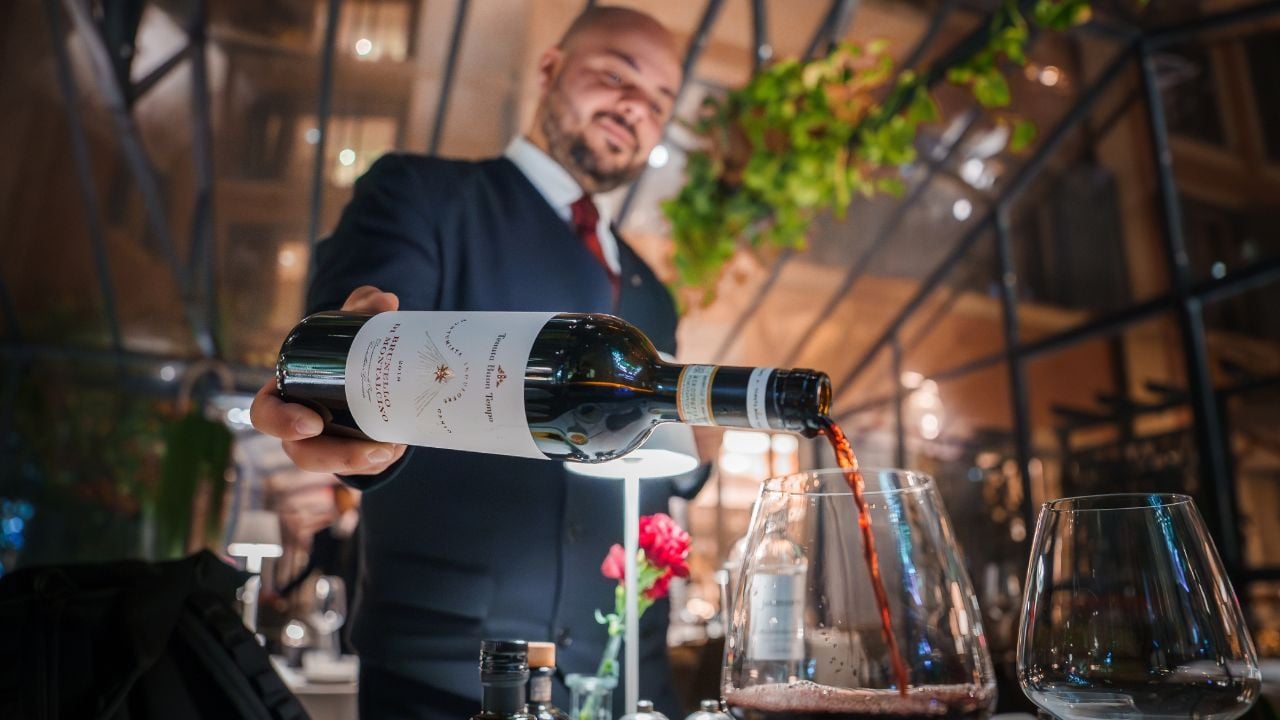
1. Skimping on the Wine List
California’s corkage fees have risen mostly because of what it now costs a restaurant to run a wine program.
Sommelier salaries, glassware that can run $75 a stem, and a temperature-controlled cellar all factor into the price, according to the San Francisco Chronicle.
Fifteen dollars used to cover it at many Bay Area restaurants.
Thirty dollars is the going rate now, and a restaurant with a serious wine list can charge $50 to $200 a bottle.
Servers and sommeliers feel a different kind of corkage abuse.
It’s the diner who shows up with a $10 bottle from the grocery store and still expects the same pour, ice, and glassware as a bottle bought off the list.
That diner is treating the fee as a way around paying for the service, not as a fair trade for it.
At Great China in Berkeley, wine on the list already starts around $36.
A $10 bottle plus a $30 fee comes to $40, more than ordering straight off that list.
That’s a bad trade.
Wine directors who spend years building a list can tell the difference between a diner showing off a special bottle and a diner just trying to save a few dollars.
Corkage Etiquette Nobody Explains
California wine lists come with unwritten rules many diners never hear out loud.
Call ahead and ask whether the restaurant allows outside bottles before showing up with a bottle.
Skip anything already sitting on the wine list, since bringing in a bottle the restaurant already carries defeats the point.
Offer the server or sommelier a taste of anything special.
Tip on the full bill, including the wine, since staff still opened and poured it.
2. Gaming the Reservation System
California diners who game the reservation system come in two types, and the more common type never touches a resale site at all.
Serial bookers reserve five tables at five different restaurants for the same Saturday night, then show up to whichever restaurant still sounds good and let the rest sit empty.
A restaurant holding four tables for names that never walk in loses revenue on a night it could’ve resold every seat twice over.
The other type buys someone else’s reservation instead of booking a table directly, paying a stranger for a seat the restaurant never agreed to sell.
A seat at Funke in Beverly Hills changed hands this way for $125, with none of that money reaching the restaurant.
That’s the kind of deal California’s pending law targets.
The Assembly and Senate passed Assembly Bill 1640 (AB 1640) by a unanimous vote in late August, and the bill is now headed to Governor Newsom for his signature.
Newsom hasn’t signed it yet.
3. Letting Dogs Run the Patio
California has allowed dogs at outdoor restaurant tables since 2015, and many diners still don’t know the rules that came with it.
State law requires a patio dog to stay on a leash or in a carrier, under its owner’s control the whole time.
Chairs, benches, and booth seats are off-limits to the dog.
The law makes no exceptions.
Employees also can’t have direct contact with a patio dog while they’re on the clock, a rule many diners assume doesn’t apply.
California’s rule also means the outdoor area can’t double as food prep space once a dog’s inside it.
Any surface a dog dirties needs cleaning and sanitizing right away.
Many owners never read past the leash requirement.
A dog perched on the booth seat, or grabbing food off a neighboring table, is exactly the scene the law was written to prevent.
4. Skipping the Tip
Los Angeles restaurants have added a list of service fees that have nothing to do with a tip.
HiHo Cheeseburger in Santa Monica adds a 6% fee and runs a no-tipping model.
The menu spells out that the charge is a service fee, not a gratuity.
None of that money is a tip, and the servers still depend on tips.
That’s the part diners miss.
Some Californians see the fee on the check and assume the server’s already covered, so they leave nothing extra even when service was good.
California’s Senate Bill 478 (SB 478) forced restaurants to disclose fees like these clearly wherever prices show up.
That’s why so many menus now spell out exactly what each charge covers.
The label doesn’t stop the confusion.
A diner who skips the tip over a labeled service fee shorts the server twice.
The fee barely touches wages, and the missing tip lands right on top of that.
The Penalty Behind the New Law
California’s crackdown on reservation resale would carry civil penalties.
Once signed, Assembly Bill 1640 would let the state Attorney General bring civil penalties of up to $1,000 for every illegally resold booking.
The bill also targets the automated tools some resale sites use to grab tables the moment they open.
The restaurant gets nothing.
Not one cent of a resold booking crosses its register.
A dinner reservation, under this bill, becomes something closer to a concert ticket: Transferable for free, illegal to flip for cash.
Psst! How much do you know about the history behind your favorite dining customs? Take our quiz and see how many you can get right.
Quiz
Dining History IQ
Answer nine questions on tipping, restaurant slang, and where your favorite customs began. We bet you can’t get them all right. Prove us wrong?
The word “restaurant” originally described what?
Why Restaurants Keep Adding Fees
California didn't ban restaurant service fees when it passed its junk-fee law.
Other businesses covered by the law have to fold mandatory charges into the sticker price the customer sees first.
Restaurants got a carve-out.
They can list a menu price and a separate mandatory fee side by side, as long as the fee is impossible to miss wherever the price appears.
That's the rule behind HiHo Cheeseburger's 6% line, and why California menus increasingly read like a spreadsheet.
The law took effect July 1, 2024.
Restaurants that ignore the disclosure requirement can face the same penalties as any other California business caught hiding a fee.
A diner who wants to dodge the fee entirely has one option: Read the menu online before booking a table, since the fee has to show up there too.
8 California Habits Americans Judge the Moment Californians Leave the State
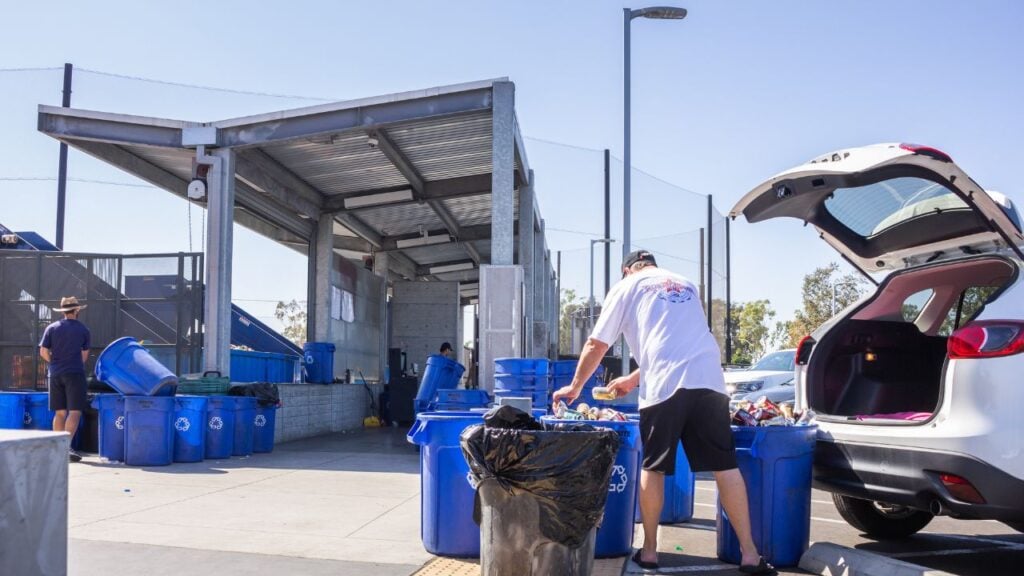
A new coworker in Nashville can guess someone's from California within five minutes of small talk, and it's never the accent that gives it away.
These are the small, dead-giveaway habits that get a Californian noticed the moment they cross state lines.
8 California Habits Americans Judge the Moment Californians Leave the State
9 California Roadside Attractions Worth the Detour, According to Locals
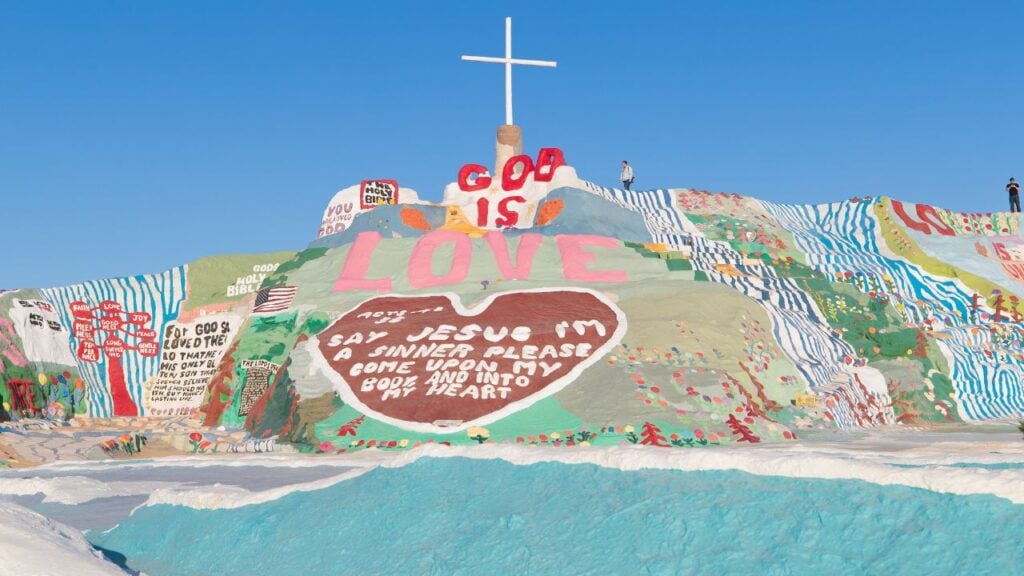
California has more than 1,100 official historical landmarks, and a surprising number of them sit on a plain highway shoulder instead of behind museum glass.
Locals know exactly which ones are worth the detour.
9 California Roadside Attractions Worth the Detour, According to Locals
